
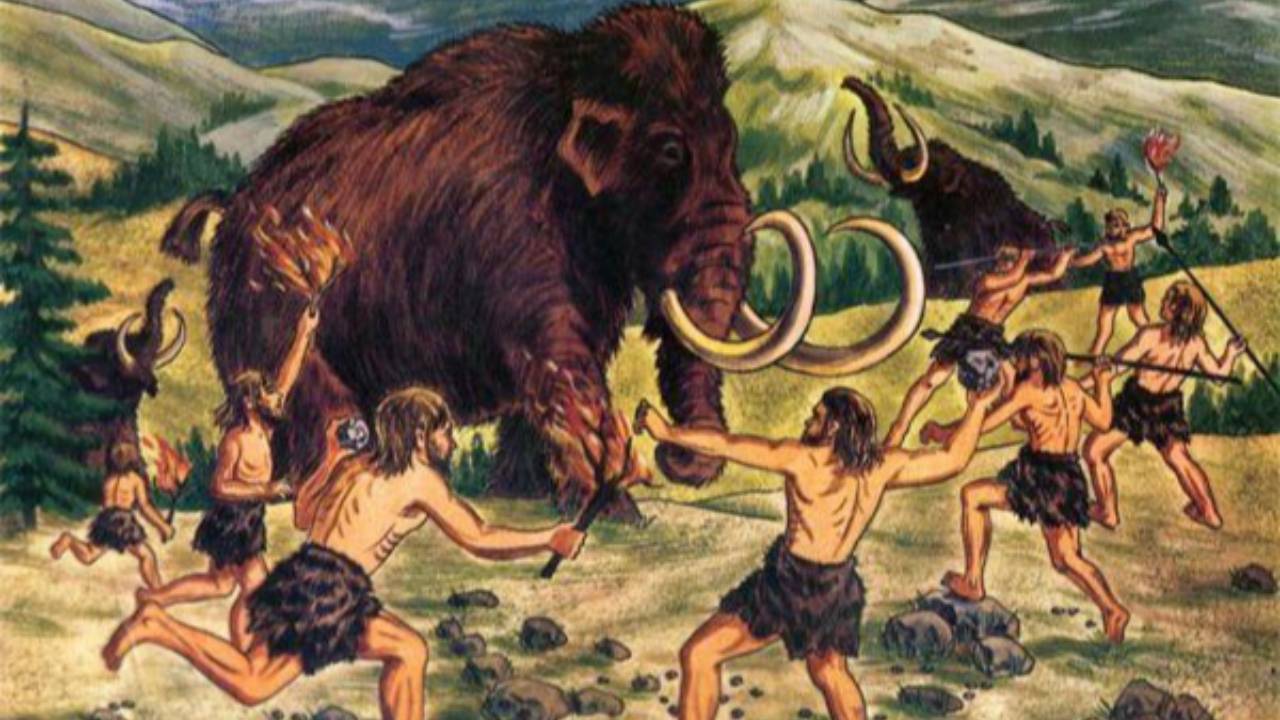
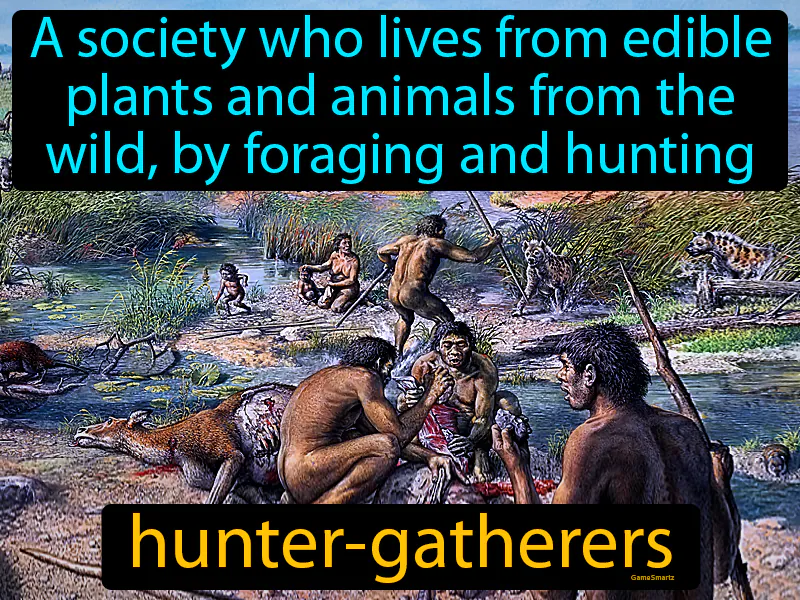
The term “hunter-gatherer” conjures images of our ancient ancestors, meticulously tracking game across vast plains or expertly identifying edible plants in the wilderness. For millennia, this was the dominant mode of human subsistence, shaping our biology, social structures, and cognitive abilities. But in the 21st century, with its gleaming skyscrapers, interconnected digital networks, and complex economic systems, what does “hunter-gatherer” even mean?
While the literal act of hunting and gathering is a relic for most of humanity, the principles and mindset of a hunter-gatherer are surprisingly relevant to navigating our hyper-modern landscape. In a world saturated with information, rapidly evolving technologies, and a constant pursuit of financial security and personal fulfillment, the core skills of identifying valuable resources, adapting to changing environments, and efficiently acquiring what’s needed remain paramount. This article will explore how the hunter-gatherer archetype, far from being extinct, has evolved and manifests across key domains of our modern lives: technology, brand building, and the pursuit of financial well-being.

The Digital Forager: Hunter-Gatherer Skills in the Tech Landscape
The digital realm is our modern savannah, a vast and often overwhelming expanse of information, tools, and opportunities. Just as our ancestors needed to discern edible berries from poisonous ones, or track the subtle signs of prey, modern individuals must become adept “digital foragers” to thrive. This involves not just consuming technology, but actively and intelligently seeking out the tools and information that will best serve their needs and goals.
Navigating the Information Jungle: Tools and Strategies
The sheer volume of data available online is staggering. From breaking news and academic research to user reviews and expert tutorials, the internet is a boundless forest of knowledge. A digital forager understands the importance of information curation and employs strategies to sift through the noise and find the signal. This involves:
- Leveraging AI Tools for Efficiency: Artificial Intelligence is no longer a futuristic concept; it’s an indispensable tool for the modern forager. AI-powered search engines and research assistants can rapidly process vast amounts of data, summarize complex texts, and even identify patterns that a human might miss. Tools like advanced note-taking apps with AI integration can help organize discovered information, while AI-driven content summarizers can provide quick overviews of lengthy articles or reports. For someone looking to understand a new technology trend, an AI tool can quickly aggregate relevant news, expert opinions, and even potential drawbacks, saving hours of manual research.
- Mastering Software and Apps for Specific Needs: The modern forager doesn’t just use any tool; they select the right tool for the job. This means understanding the vast ecosystem of software and applications available and choosing those that enhance productivity, streamline workflows, or unlock new capabilities. Whether it’s project management software to organize complex tasks, design tools for visual communication, or specialized apps for data analysis, the ability to identify and effectively utilize these digital implements is a core hunter-gatherer skill. This involves a continuous learning process, much like an ancient hunter would refine their spear-making techniques.
- Understanding Digital Security as a Survival Skill: In the digital jungle, threats abound. Malware, phishing scams, and data breaches are the modern equivalents of dangerous predators. A sophisticated digital forager understands the importance of digital security as a crucial survival mechanism. This includes employing strong passwords, enabling two-factor authentication, being wary of suspicious links, and regularly updating software to patch vulnerabilities. Just as ancient hunters needed to understand animal behavior to avoid danger, modern users need to understand the tactics of cybercriminals to protect their valuable digital assets and personal information.
- Productivity as a Hunting Strategy: Efficiency is key in any foraging endeavor. In the tech world, this translates to maximizing productivity. This involves developing effective digital workflows, automating repetitive tasks where possible, and mastering keyboard shortcuts and efficient navigation techniques. The goal is to spend less time on administrative overhead and more time on the core activities that yield results, whether that’s coding, designing, writing, or analyzing data. A hunter-gatherer didn’t waste energy on inefficient hunting methods; similarly, the modern tech-savvy individual seeks to optimize their digital efforts.
Building Your Tribe in the Digital Age: Personal Branding and Reputation
The concept of “gathering” in a hunter-gatherer society extended beyond physical resources to encompass social bonds and the collective knowledge of the group. In the modern world, this translates to building a strong personal brand and a positive reputation. These are not merely about self-promotion; they are about establishing trust, demonstrating expertise, and creating a network of valuable connections – essentially, forming your digital tribe.
The Art of Becoming Known: Strategy and Identity
In a crowded marketplace, whether for jobs, clients, or influence, simply possessing skills is often not enough. You need to be recognized for those skills. This is where the principles of branding become essential.
- Defining Your Unique Value Proposition: Just as a hunter needed to understand what made them a skilled tracker or an effective provider, an individual today needs to articulate their unique value. This involves identifying your core strengths, your passions, and what makes you stand out. A strong personal brand clearly communicates this unique offering, making it easier for others to understand who you are and what you bring to the table. This is about being discoverable and memorable in a sea of sameness.
- Crafting a Consistent Corporate Identity for Yourself: For individuals, their personal brand acts as their “corporate identity” in the professional sphere. This means ensuring consistency across all your online platforms – your LinkedIn profile, your website, your social media presence, and even your email signature. The visual elements, the tone of voice, and the messaging should all align to present a cohesive and professional image. A hunter-gatherer’s tools and attire would have been functional and recognizable; similarly, your digital presence should be consistently identifiable.
- Marketing Your Strengths Authentically: Marketing is not about shouting from the rooftops, but about strategically showcasing your expertise and value. This can involve sharing insightful content, engaging in relevant online discussions, and demonstrating your skills through case studies or portfolios. The key is to do so authentically, building trust and rapport with your audience. Just as an elder in a tribe would share their wisdom and experience, you share yours to build credibility.
- Reputation as Your Most Valuable Asset: In any community, reputation is currency. In the digital age, your online reputation can precede you, influencing opportunities before you even have a chance to present yourself. Actively managing your reputation involves being mindful of what you post, responding professionally to feedback, and seeking to build positive relationships. A damaged reputation is like a depleted hunting ground; it becomes difficult to secure future resources. Conversely, a strong, positive reputation acts like a thriving ecosystem, attracting opportunities and support.
The Modern Hunt for Prosperity: Financial Acumen and Resourcefulness
The ultimate goal of hunter-gatherer societies was survival and prosperity. Today, this translates to achieving financial well-being, whether through traditional employment, entrepreneurial ventures, or innovative side hustles. The skills of resourcefulness, strategic planning, and adaptability honed by our ancestors are directly applicable to the modern financial landscape.
Strategies for Financial Success: From Earning to Investing
The pursuit of financial security is a constant endeavor, requiring a blend of practical knowledge and strategic foresight.
- Personal Finance as a Resource Management System: Managing personal finances is akin to managing the resources of a hunter-gatherer band. It involves understanding what resources you have (income), what you need (expenses), and how to allocate them efficiently. This means budgeting, saving, and making informed decisions about spending. Just as an ancient family would meticulously manage their stores of food, a modern individual must thoughtfully manage their financial resources.
- Investing as Cultivating Future Abundance: Investing is the modern equivalent of planting seeds for future harvests. It’s about taking current resources and strategically deploying them to generate future wealth. This requires understanding different investment vehicles, assessing risk, and adopting a long-term perspective. The principles of patience and foresight, crucial for successful foraging and resource management, are equally vital for effective investing.
- Online Income and Side Hustles as New Hunting Grounds: The digital age has opened up entirely new “hunting grounds” for income generation. Online platforms and the gig economy have made it possible to monetize a vast array of skills and talents, leading to the rise of side hustles and diverse online income streams. This mirrors the hunter-gatherer’s ability to adapt their hunting and gathering techniques to different environments and available prey. The modern individual who can identify and leverage these online opportunities exhibits the same resourcefulness as their ancestors.
- Business Finance: Scaling Your Tribe’s Resources: For those who venture into entrepreneurship, understanding business finance is paramount. This involves managing capital, understanding profitability, and making strategic financial decisions to ensure the growth and sustainability of their enterprise. It’s about managing the collective resources of a larger “tribe” or business entity, ensuring its long-term survival and prosperity, much like a successful ancient community managing its shared resources to thrive.
Conclusion: The Enduring Spirit of the Hunter-Gatherer
While the literal act of hunting and gathering has largely faded into history, the underlying principles of resourcefulness, adaptation, strategic thinking, and efficient acquisition remain remarkably relevant. In the complex and rapidly evolving landscape of technology, branding, and finance, the spirit of the hunter-gatherer lives on.
By embracing the mindset of a digital forager, a shrewd brand builder, and a strategic financial manager, individuals can not only survive but thrive in the modern world. The ability to identify valuable information and tools, to craft a compelling personal narrative, and to wisely manage and grow financial resources are the modern manifestations of the ancient skills that allowed humanity to conquer diverse environments. The hunter-gatherer, in essence, was the ultimate adaptive survivor, and that same adaptive spirit is precisely what we need to navigate the challenges and seize the opportunities of the 21st century. The hunt for knowledge, for recognition, and for financial security continues, albeit on a new, digital frontier.
aViewFromTheCave is a participant in the Amazon Services LLC Associates Program, an affiliate advertising program designed to provide a means for sites to earn advertising fees by advertising and linking to Amazon.com. Amazon, the Amazon logo, AmazonSupply, and the AmazonSupply logo are trademarks of Amazon.com, Inc. or its affiliates. As an Amazon Associate we earn affiliate commissions from qualifying purchases.