
A Century of Technological Inquiry: Unraveling the Titanic’s Fate
The tragic sinking of the RMS Titanic in April 1912, though over a century in the past, remains a pivotal moment in technological history, revealing both the zenith of engineering prowess of its time and the critical vulnerabilities that even the most advanced systems possessed. The “unsinkable” ship represented a confluence of the era’s cutting-edge shipbuilding techniques, yet its demise underscored inherent limitations in materials, design philosophy, and communication technology. Understanding “what happened titanic” is fundamentally a technological investigation, stretching from the rivets that held its hull together to the radio waves that failed to secure timely rescue.

Engineering Limitations and Innovation of the Era: The Pre-Digital Age
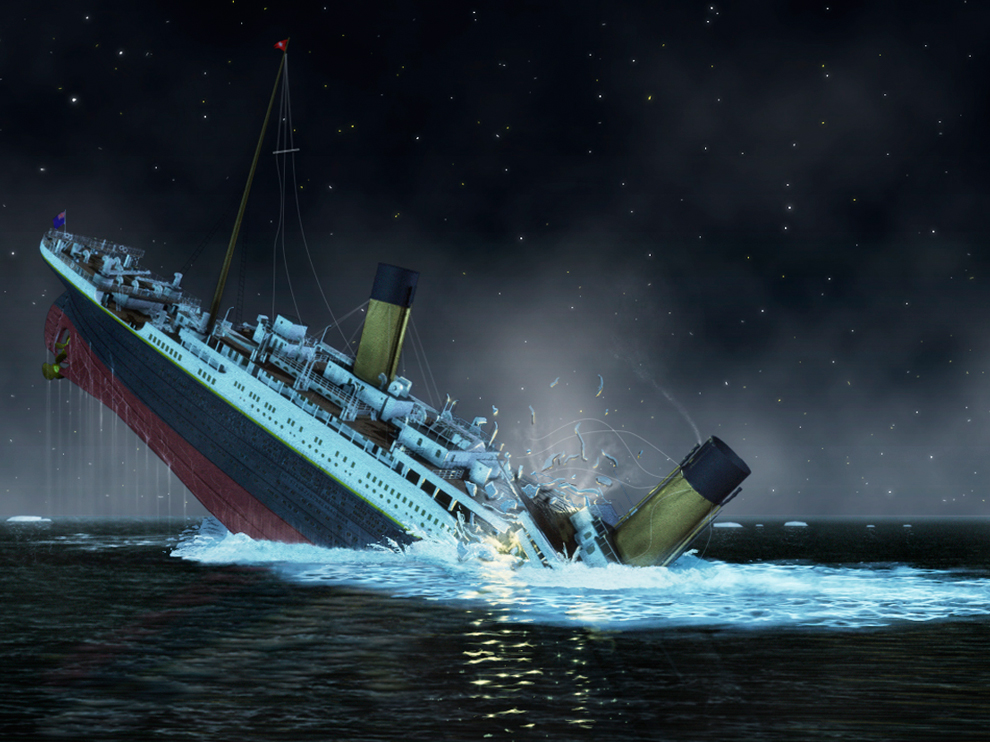
The Titanic was a marvel of industrial-age engineering. Constructed by Harland and Wolff in Belfast, it incorporated innovations designed to enhance safety and luxury. Its double-bottom hull, numerous watertight compartments, and remotely operated watertight doors were considered state-of-the-art. However, the tragedy exposed critical flaws. The quality of the wrought iron rivets used in certain sections of the hull, particularly the forward part, has been a subject of extensive metallurgical analysis. Research suggests these rivets, made of slag-rich iron, were more brittle than the steel plates they joined, especially in the frigid North Atlantic waters. When the iceberg struck, it didn’t merely breach a single compartment; it caused a series of structural failures along the hull seams, compromising multiple “watertight” sections beyond what the design could withstand. The ship’s sheer scale and speed, powered by triple-screw propulsion, were testaments to its era’s mechanical might but also contributed to the severity of the impact and the rapid progression of flooding. The very concept of “unsinkability” fostered an overconfidence that overshadowed potential design weaknesses and insufficient safety protocols.
Communication Technology: A Critical Failure Point
Perhaps the most poignant technological lesson from the Titanic disaster lies in its communication failures. The ship was equipped with a Marconi wireless telegraph system, a revolutionary technology for its time, allowing for long-distance communication. However, the implementation and regulation of this nascent technology were woefully inadequate. There were only two Marconi operators, primarily dedicated to relaying passenger “marconigrams” – personal messages to shore – rather than maintaining a constant watch for navigational warnings. Critical iceberg warnings from nearby ships, such as the Californian, were either ignored, dismissed as non-urgent, or simply not received by the Titanic’s bridge due to operators being off duty or overwhelmed with commercial traffic. The Californian, positioned just miles away, had its own wireless operator shut down for the night, oblivious to the Titanic’s desperate distress calls. This catastrophic lack of effective communication protocols, coupled with the absence of mandatory 24/7 radio watch and the prioritization of non-emergency traffic, proved fatal. The disaster highlighted the urgent need for global standardization and regulation of maritime wireless communication, directly leading to the development of robust international protocols.
The Dawn of Deep-Sea Exploration: Locating the Wreck
Decades after the sinking, “what happened titanic” continued to puzzle historians and engineers, primarily because the wreck’s precise location remained unknown. The vastness and extreme conditions of the deep ocean made finding a needle in a haystack seem a less daunting task. It was only with the advent of advanced deep-sea exploration technologies that the Titanic’s final resting place could be identified, allowing for unprecedented insight into the event and the long-term effects of the marine environment on human-made structures.
Sonar and Submarine Technology: Pioneering the Depths
Early attempts to locate the Titanic were hampered by the limitations of available technology. Conventional sonar systems, while useful for mapping shallower seabeds, lacked the resolution and depth capability to pinpoint objects thousands of meters below the surface. The deep-sea environment presents immense challenges: crushing pressures, absolute darkness, and freezing temperatures. The breakthrough came with the development of more sophisticated towed arrays and highly capable manned submersibles. Robert Ballard’s expedition in 1985, which successfully located the wreck, utilized the Argo, an unmanned, un-tethered deep-tow vehicle equipped with side-scan sonar and high-resolution video cameras. This revolutionary approach allowed explorers to systematically scan wide swaths of the seafloor without exposing human occupants to the extreme risks of the abyssal plain. Once a target was identified, the manned submersible Alvin was deployed to conduct visual inspections, confirming the wreck’s identity and providing the first photographic evidence of its state.
ROVs and AUVs: The Robotic Revolution in Underwater Archaeology
The discovery of the Titanic heralded a new era in deep-sea archaeology, heavily reliant on remotely operated vehicles (ROVs) and autonomous underwater vehicles (AUVs). These robotic systems, free from human endurance limits, can operate for extended periods, capturing vast amounts of data. Modern ROVs deployed to the Titanic site are equipped with an array of sensors, including high-definition cameras, multibeam sonar, laser scanners, and manipulators, allowing for detailed mapping, photographic documentation, and even delicate sample collection. AUVs, capable of pre-programmed missions without real-time human intervention, can cover extensive areas, conducting geophysical surveys and creating highly accurate 3D bathymetric maps of the wreck site. The data collected by these advanced robotic platforms has transformed our understanding of the wreck’s condition, the process of its break-up and descent, and the ecological impact on its surroundings. This technological evolution has not only solved the mystery of the Titanic’s location but also provided invaluable tools for exploring and preserving submerged cultural heritage globally.
Digital Reconstruction and Preservation: Bringing the Past to Life
Beyond discovery, modern technology plays a crucial role in understanding and preserving the legacy of “what happened titanic.” Digital tools allow for meticulous reconstruction, scientific analysis, and immersive experiences, making the past accessible and fostering new insights into the disaster’s complexities.
3D Modeling and Virtual Reality: Immersive Historical Experiences
The vast amount of photographic, sonar, and laser scan data collected from the Titanic wreck site forms the foundation for incredibly detailed 3D models. These digital twins of the ship, both in its pristine state and as a decaying wreck, allow researchers to study its architecture, predict structural degradation, and even simulate the sinking sequence with unprecedented accuracy. Computational fluid dynamics (CFD) models, for instance, can analyze water flow and pressure distribution during the sinking, shedding light on the forces that caused the ship to break apart. For the public, these 3D models are transformed into immersive virtual reality (VR) and augmented reality (AR) experiences. Users can “walk” the decks of the Titanic before the disaster, explore the lavish interiors, or even descend to the wreck site on the seafloor, gaining a visceral understanding of the ship’s grandeur and its final resting place. These digital recreations serve as powerful educational tools, bringing history to life in a way that traditional media cannot. They also allow for the “preservation” of the wreck in a digital format, as the physical structure continues to deteriorate under the ocean’s corrosive forces.
Data Archiving and Digital Forensics: Safeguarding the Legacy
The digital age provides unprecedented capabilities for archiving and analyzing every piece of information related to the Titanic. From digitized blueprints and passenger manifests to survivor testimonies and contemporary news reports, vast datasets can be compiled, cross-referenced, and analyzed using digital forensics techniques. Machine learning algorithms can sift through historical records, identify patterns, and even infer previously unnoticed details about the event. Furthermore, the scientific data collected from the wreck site, including oceanographic parameters, microbial activity, and metallurgical analyses, is meticulously cataloged and stored in digital repositories. This ensures that future generations of researchers will have access to a comprehensive body of evidence, enabling ongoing study and preventing the loss of invaluable information. The digital preservation efforts extend beyond mere data storage; they involve the development of sophisticated database management systems that allow for complex queries and visualizations, transforming raw data into actionable insights and preserving the Titanic’s story as a living, evolving narrative.
Lessons Learned: Advancing Maritime Safety and Engineering
The profound impact of “what happened titanic” resonated globally, catalyzing an overhaul of maritime safety regulations and driving significant technological advancements in ship design, navigation, and communication. The disaster served as a stark, expensive lesson that even the most advanced technology of an era could fail under unforeseen circumstances, underscoring the critical need for continuous improvement and rigorous standardization.
SOLAS and Regulatory Technological Integration
The immediate and most significant outcome was the establishment of the International Convention for the Safety of Life at Sea (SOLAS) in 1914. This foundational treaty, continually updated, mandated a suite of technological requirements designed to prevent a recurrence of the Titanic tragedy. Crucially, SOLAS required all ships to carry enough lifeboats for everyone on board, a direct response to the Titanic’s shortfall. It also made mandatory 24/7 wireless telegraphy watch on passenger ships, ensuring that distress calls would always be received. Beyond communication, SOLAS pushed for improved navigational technologies. While early radar systems were still decades away, the impetus from the Titanic led to increased investment in developing and implementing reliable methods for detecting hazards like icebergs. Today, modern SOLAS regulations integrate advanced technologies such as Global Maritime Distress and Safety System (GMDSS), which ensures automated, satellite-based communication for distress and safety. Ships are equipped with sophisticated radar, ARPA (Automatic Radar Plotting Aid) systems, and Electronic Chart Display and Information Systems (ECDIS), providing unparalleled situational awareness and collision avoidance capabilities.
Modern Ship Design and Materials Science
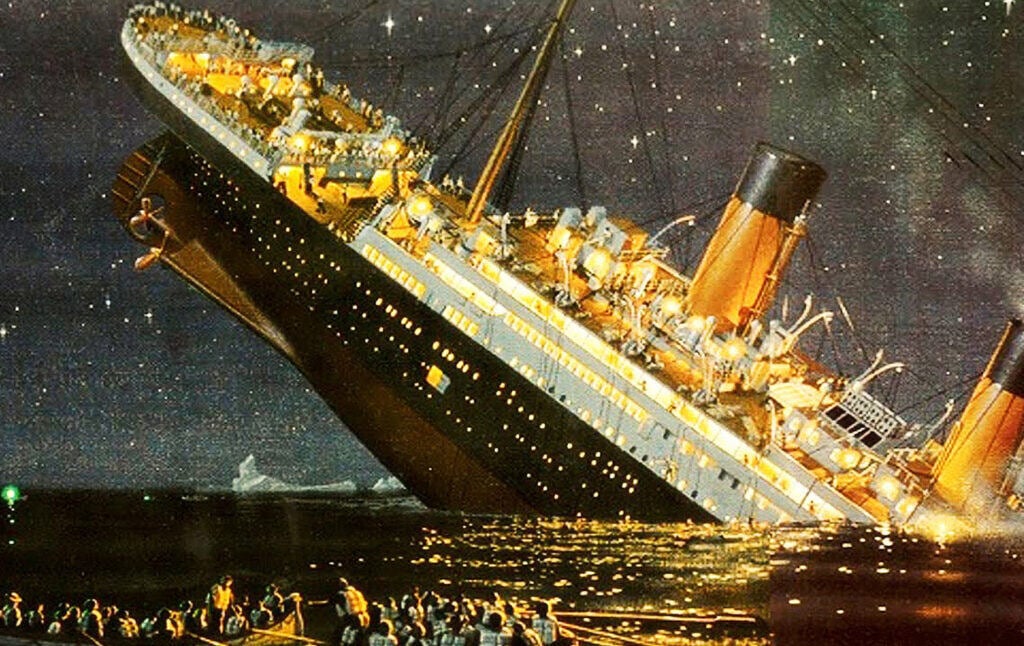
The sinking of the Titanic fundamentally reshaped naval architecture and materials science. The flawed rivet theory, though debated, spurred advancements in metallurgy, leading to the use of higher-grade steels and improved welding techniques for hull construction, offering superior strength and ductility in adverse conditions. Modern ship designs incorporate advanced compartmentalization strategies, often exceeding SOLAS requirements, along with double hulls and even triple-redundant critical systems to enhance survivability in the event of breaches. Computational fluid dynamics (CFD) and finite element analysis (FEA) software are now indispensable tools in the design phase, allowing engineers to simulate various impact scenarios, analyze structural integrity under extreme stresses, and optimize hydrodynamic performance. Furthermore, advanced sensor networks monitor everything from hull stress and engine performance to cargo stability and fire detection, providing real-time data to the bridge. The legacy of the Titanic is evident in every aspect of contemporary maritime technology, from the materials that form the ship’s skin to the digital systems that guide its journey, all continually evolving to ensure that such a catastrophic combination of technological limitations and human oversight never occurs again.
aViewFromTheCave is a participant in the Amazon Services LLC Associates Program, an affiliate advertising program designed to provide a means for sites to earn advertising fees by advertising and linking to Amazon.com. Amazon, the Amazon logo, AmazonSupply, and the AmazonSupply logo are trademarks of Amazon.com, Inc. or its affiliates. As an Amazon Associate we earn affiliate commissions from qualifying purchases.