
The term “grooming” has taken on a new and deeply disturbing dimension in the digital age. While traditionally associated with physical acts, the online realm has amplified and transformed its meaning, creating insidious pathways for predators to exploit vulnerable individuals. This article will explore the multifaceted nature of online grooming, its psychological underpinnings, the methods employed by perpetrators, and crucially, how we can recognize and combat this pervasive threat, with an eye towards understanding its impact through the lenses of technology, brand manipulation, and financial exploitation.

The Evolving Landscape of Online Grooming
The digital world, while offering unparalleled opportunities for connection and learning, has also unfortunately become fertile ground for predatory behavior. Online grooming is not a new phenomenon in essence, but its manifestation and reach have been dramatically altered by the ubiquitous nature of the internet and the pervasive use of technology. What was once a more localized and physically bound threat has now expanded globally, with perpetrators able to reach victims across vast distances and with a degree of anonymity that can be both frightening and difficult to penetrate.
H2: Understanding the Psychological Mechanics of Grooming
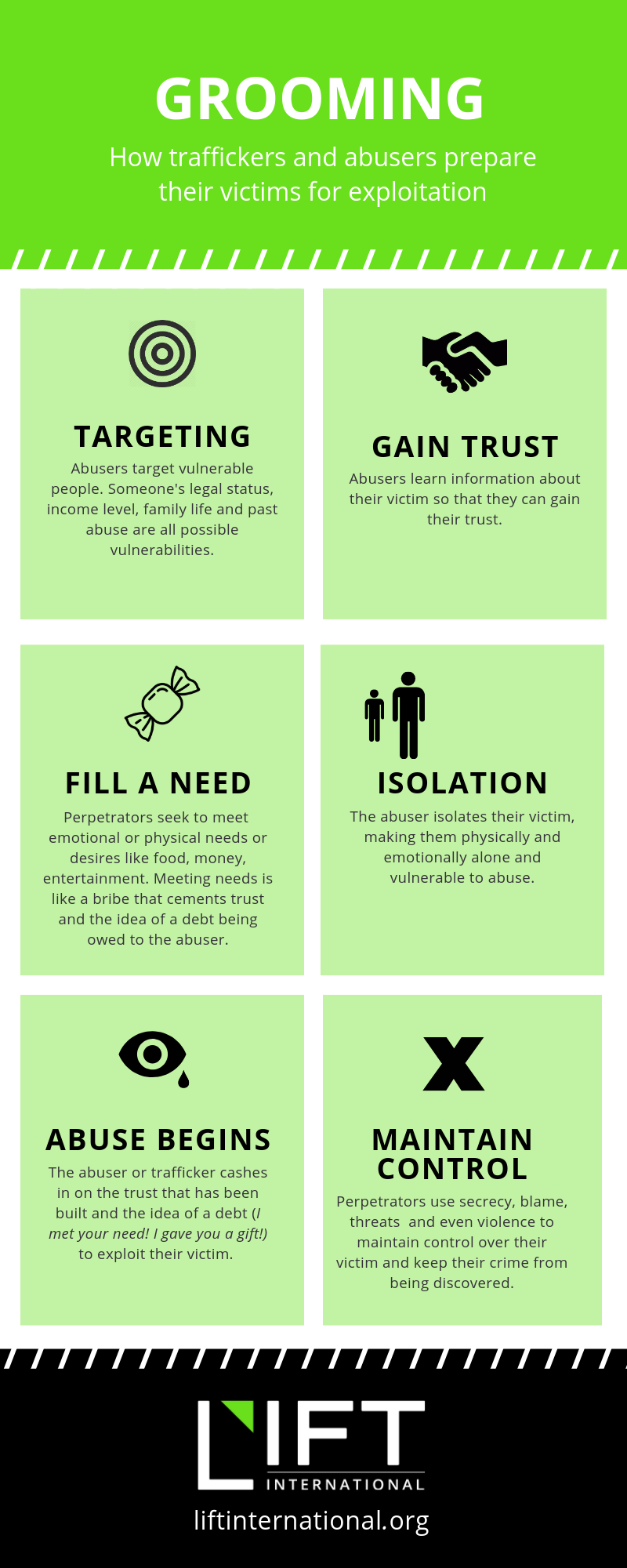
At its core, grooming is a process of manipulation and deception. It’s a calculated strategy designed to erode a victim’s boundaries, trust, and judgment, making them susceptible to exploitation. This isn’t a spontaneous act; it’s a deliberate and often prolonged campaign waged by a predator who seeks to gain control and influence over their target. Understanding the psychological tactics involved is paramount to recognizing and preventing it.
H3: Building Trust and Creating a False Sense of Security
The first and perhaps most critical stage of grooming involves the predator meticulously building a rapport with their victim. This is where the digital landscape offers a significant advantage. Predators can present themselves as peers, confidantes, or even mentors, carefully crafting an online persona that appeals to the victim’s needs and desires. They might leverage shared interests, create elaborate backstories, and offer genuine-sounding empathy and support. This phase is characterized by a gradual increase in communication, often initiated through social media platforms, online gaming communities, or forums dedicated to specific hobbies.
The predator will actively listen to the victim, remembering details about their lives, their struggles, and their aspirations. This information is then used to tailor their interactions, making the victim feel understood and valued. They might offer advice, share seemingly personal stories to elicit sympathy, or even compliment the victim excessively, creating an inflated sense of self-worth and a dependency on the predator’s validation. This carefully constructed facade of trustworthiness is designed to disarm the victim and make them less likely to question the predator’s motives or actions.
H3: Isolating and Undermining Support Systems
A key objective of grooming is to isolate the victim from their existing support network, such as family, friends, or other trusted adults. Predators understand that if a victim has strong external connections, their manipulative tactics will be harder to maintain. They may begin by subtly discouraging communication with others, framing it as a sign of betrayal or a misunderstanding. For instance, they might suggest that the victim’s parents don’t understand them, or that their friends are jealous of the special bond they share.
This isolation can also manifest as demanding exclusive attention. The predator might express jealousy if the victim spends time with others, creating a sense of guilt and obligation to prioritize their interactions. In more extreme cases, they might try to convince the victim to keep their online relationship a secret, emphasizing the unique and private nature of their connection. This secrecy further entrenches the victim’s reliance on the predator and makes it more difficult for anyone outside the predatory relationship to intervene.
H3: Exploiting Vulnerabilities and Lowering Inhibitions
Groomers are adept at identifying and exploiting a victim’s vulnerabilities. These can range from feelings of loneliness, insecurity, and low self-esteem to a desire for acceptance, validation, or even a sense of belonging. They may prey on anxieties about appearance, social acceptance, or future prospects. By consistently offering a solution or solace for these perceived deficits, the predator further solidifies their position as a trusted confidant.
As the grooming process progresses, the predator will gradually begin to test boundaries. This might start with sharing inappropriate content, making suggestive comments, or pressuring the victim to share increasingly personal information. The aim is to desensitize the victim and normalize behaviors that are outside acceptable boundaries. This often involves a push-and-pull dynamic, where the predator might offer affection and praise after instances of boundary-pushing, reinforcing the idea that their approval is contingent on compliance. The goal is to lower the victim’s inhibitions and make them more amenable to further exploitation, whether it be emotional, sexual, or financial.
H2: The Digital Arsenal: Tools and Tactics of Online Grooming
The internet and its associated technologies provide predators with a vast and ever-evolving toolkit to carry out their manipulative schemes. From encrypted messaging apps to sophisticated social engineering techniques, the digital landscape offers both anonymity and unprecedented reach. Understanding these tools and tactics is crucial for recognizing the warning signs.
H3: Social Media and Messaging Platforms: The Primary Battlegrounds
Social media platforms and instant messaging applications are often the initial points of contact and ongoing communication for online groomers. Platforms like Instagram, TikTok, Snapchat, and Discord, while designed for connection, can be exploited by predators to identify potential targets, initiate contact, and develop relationships. They can create fake profiles, use stolen images, and carefully curate their online presence to appear harmless or appealing.
The direct messaging features within these platforms allow for private and often unmonitored conversations. Predators can exploit this privacy to engage in the stages of grooming described earlier, building trust, isolating victims, and gradually escalating their demands. The ephemeral nature of some messaging apps, where messages disappear after a set time, can also be used to conceal evidence of their predatory interactions. Furthermore, online gaming platforms have become a significant conduit for grooming, with predators often posing as fellow gamers to gain access to younger individuals.
H3: Deception, Disguise, and Digital Footprints
The art of deception is central to online grooming. Predators are masters of creating false identities and manipulating perceptions. This can involve:
- Catfishing: Creating a fake online persona using someone else’s photos and information to trick someone into a relationship.
- Exploiting Weak Passwords and Data Breaches: In some cases, predators may leverage compromised account information to gain access to a victim’s online presence, learning about their vulnerabilities and social circles. This highlights the critical importance of strong digital security practices.
- Astroturfing and Sock Puppetry: While more commonly associated with marketing, these tactics can be employed in grooming to create the illusion of widespread endorsement or support for a particular idea or individual, potentially influencing a victim’s perception of the predator or their actions.
The digital footprint we leave online is extensive. Predators can exploit this information by stalking victims across various platforms, piecing together their interests, routines, and social connections. This allows them to tailor their approach and anticipate potential objections. They might also use this information to impersonate individuals the victim knows, further blurring the lines of trust and reality.
H3: The Monetization of Exploitation: Financial Grooming
While often associated with sexual exploitation, grooming can also have a significant financial dimension. Predators may use their manipulative tactics to gain access to a victim’s financial resources or coerce them into participating in illicit financial activities.
- Exploiting Financial Insecurity: Predators may target individuals who are struggling financially, offering seemingly legitimate “opportunities” for income or financial assistance. This can involve encouraging them to engage in pyramid schemes, online scams, or even money laundering.
- Demanding Money or Gifts: As the grooming progresses, the predator might begin to solicit money from the victim, often under the guise of emergencies, personal hardships, or even as “gifts” to maintain the relationship. This creates a financial dependency that further binds the victim.
- Coercing into Illicit Activities: In some instances, predators may pressure victims to participate in fraudulent activities, such as creating fake online reviews, engaging in phishing schemes, or even facilitating illegal transactions. This can lead to severe legal consequences for the victim.
This financial aspect of grooming, often intertwined with emotional manipulation, highlights the pervasive nature of exploitation that can occur online. It underscores the importance of not only recognizing the emotional and psychological manipulation but also being aware of how financial vulnerabilities can be exploited.
H2: Recognizing the Red Flags and Seeking Support
The insidious nature of grooming makes it challenging to identify, especially for the victim themselves. However, by being aware of the common warning signs and understanding the psychological underpinnings, we can better protect ourselves and those around us.
H3: Behavioral Changes and Communication Shifts
Pay attention to changes in behavior, particularly in children and adolescents. Some indicators that might suggest grooming include:
- Increased Secrecy: Becoming withdrawn, defensive, or secretive about their online activities and who they are communicating with.
- Sudden Changes in Mood or Behavior: Experiencing unexplained mood swings, anxiety, depression, or becoming uncharacteristically irritable or withdrawn.
- New or Unexplained Possessions or Money: Receiving gifts or having access to money they cannot account for.
- Reluctance to Discuss Online Relationships: Becoming evasive or defensive when asked about their online friends or activities.
- Withdrawal from Family and Friends: Spending less time with loved ones and showing a decreased interest in previously enjoyed activities.
- Changes in Online Habits: Spending an excessive amount of time online, often at odd hours, or switching to new platforms without clear explanation.
H3: Empowering Through Education and Open Communication
Education is our most potent weapon against online grooming. For parents, educators, and anyone responsible for young people, open and ongoing conversations about online safety are crucial. This includes:
- Teaching Digital Citizenship: Educating individuals about responsible online behavior, privacy settings, and the potential risks of sharing personal information.
- Encouraging Critical Thinking: Helping individuals develop the ability to question information, identify manipulative tactics, and understand that not everyone online is who they claim to be.
- Creating a Safe Space for Dialogue: Fostering an environment where individuals feel comfortable discussing their online experiences, concerns, and even mistakes without fear of judgment or punishment.
H3: Reporting and Seeking Help: A Collective Responsibility
If you suspect that you or someone you know is being groomed, it is essential to take action.
- Trust Your Instincts: If something feels wrong, it likely is. Don’t dismiss your concerns.
- Document Everything: If possible, save any suspicious messages, profiles, or online interactions.
- Report to Platforms: Most social media and online platforms have mechanisms for reporting abusive behavior and inappropriate content.
- Seek Professional Help: There are numerous organizations and helplines dedicated to supporting victims of online abuse and exploitation. These resources can provide guidance, emotional support, and practical assistance. Law enforcement agencies also play a critical role in investigating and prosecuting grooming offenses.
The fight against online grooming requires a multi-pronged approach involving technological safeguards, robust educational initiatives, and a societal commitment to protecting the vulnerable. By understanding the meaning of grooming in its modern, digital context, we can better equip ourselves to identify its presence, resist its influence, and ultimately, create a safer online environment for everyone.
aViewFromTheCave is a participant in the Amazon Services LLC Associates Program, an affiliate advertising program designed to provide a means for sites to earn advertising fees by advertising and linking to Amazon.com. Amazon, the Amazon logo, AmazonSupply, and the AmazonSupply logo are trademarks of Amazon.com, Inc. or its affiliates. As an Amazon Associate we earn affiliate commissions from qualifying purchases.