
Unpacking the Unexpected: A Brand Spectacle Takes Center Stage
Today, Citi Field, typically the venerable stage for New York Mets baseball, became the unexpected canvas for an unprecedented brand spectacle. Following a closely contested game that saw the Mets clinch a narrow victory, fans preparing to exit the stadium were treated to an unscheduled, yet breathtaking, drone light show. Hundreds of illuminated drones ascended from behind the outfield, orchestrating a mesmerizing aerial ballet that first formed the iconic Mets logo, then seamlessly transitioned into the silhouette of the New York skyline, culminating in the bold script of the Citi Field brand. This spontaneous display, which lasted approximately five minutes, immediately captivated the thousands in attendance and, within moments, erupted into a global phenomenon across digital platforms.
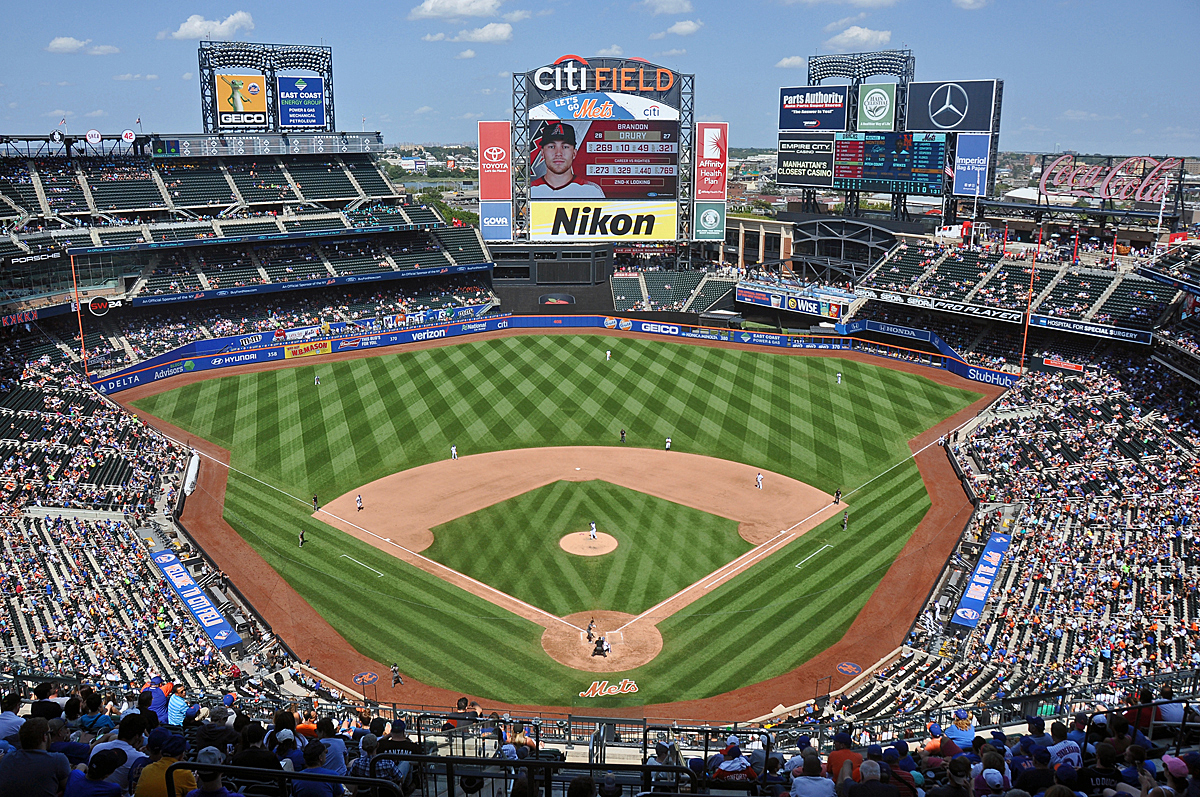
The genesis of this unexpected event is still being fully elucidated, though initial reports suggest it was a carefully planned “guerrilla marketing” stunt by an undisclosed entity, leveraging the visibility and emotional resonance of a major sporting event. Regardless of its origin, the immediate impact on brand perception for all entities associated with Citi Field has been profound and multifaceted. It challenged conventional notions of event marketing and underlined the potent, yet unpredictable, nature of experiential branding in the digital age.
The Viral Phenomenon and Immediate Brand Buzz
The sheer novelty and visual grandeur of the drone show triggered an immediate cascade of social media activity. Smartphones, already out for post-game celebrations, quickly pivoted to capture the aerial display. Videos, photos, and live streams flooded platforms like X (formerly Twitter), Instagram, and TikTok, accompanied by effusive captions and trending hashtags. “CitiFieldDrones,” “MetsMagic,” and “UnrealNYC” began trending nationally within the hour. This organic, user-generated content provided an unparalleled level of brand exposure, far exceeding the reach of traditional advertising campaigns.
For the Citi Field brand, the immediate buzz was overwhelmingly positive. The venue, already synonymous with baseball, suddenly found itself lauded as a hub of unexpected innovation and wonder. Fans expressed awe and delight, associating the stadium with a sense of modern spectacle and forward-thinking entertainment. This instantaneous shift in public sentiment represents a significant gain in brand equity, painting Citi Field not just as a sports arena but as a dynamic, culturally relevant landmark. The unexpected nature of the event amplified its impact, creating a memorable brand touchpoint that will likely resonate for years to come.
Operational Excellence and Contingency Branding
While the drone show itself was unauthorized, the venue’s staff and security demonstrated remarkable poise. Rather than immediately intervene in a way that might disrupt the experience or create panic, their focus remained on crowd control and safety. This understated, yet highly effective, operational response inadvertently reinforced the Citi Field brand as a professionally managed, secure, and customer-focused environment. In a crisis communications scenario, how a brand responds to unforeseen events is often more defining than the event itself. Here, the subtle handling of an external, unscheduled activation showcased the venue’s underlying competence.
The lack of an immediate, heavy-handed intervention allowed the “magic” of the moment to unfold, which, from a branding perspective, was a net positive. Had there been an abrupt shutdown, it could have generated negative sentiment, associating the venue with restrictiveness or a lack of appreciation for innovative expression. Instead, the narrative quickly coalesced around the “amazing surprise,” demonstrating how even in unforeseen circumstances, a brand’s established operational integrity can contribute positively to its public image. This incident will undoubtedly become a case study in managing external brand activations within highly controlled environments, underscoring the importance of flexible response protocols that prioritize both safety and the visitor experience.
The Branding Ripple Effect: Who Benefits and Who Navigates?
The drone light show at Citi Field today created a complex tapestry of brand implications, extending far beyond the immediate viral sensation. Every entity associated with the venue—from the stadium itself to its primary tenant and naming rights sponsor—is now navigating both unprecedented opportunities and potential challenges in the wake of this spectacular, unauthorized event. Understanding these ripple effects is crucial for future brand strategy.
Citi Field’s Enhanced Identity as an Innovative Venue
For Citi Field as a standalone brand, today’s event offers a unique opportunity to reframe its identity. Traditionally perceived as a modern, yet conventional, baseball stadium, it now carries an aura of innovation and surprise. The drone show positions the venue as a cutting-edge location capable of hosting not just sporting events but also large-scale, technologically advanced spectacles. This expanded perception could attract a broader range of events, from concerts and festivals to corporate launches seeking a high-tech, memorable backdrop. The marketing narrative can now seamlessly incorporate themes of innovation, unexpected experiences, and dynamic urban entertainment. This incident serves as an accidental rebranding moment, inviting the venue’s management to strategically integrate this new perception into its long-term brand messaging and event curation.
The Mets: Beyond Baseball, Towards Cultural Relevance
The New York Mets, as Citi Field’s primary resident, also experienced a significant brand uplift. While their immediate success on the field contributed to the celebratory atmosphere, the drone show elevated their brand beyond the confines of sports. It positioned the team as part of a larger cultural moment, associating them with awe-inspiring public art and viral phenomena. For a sports team, connecting with broader cultural trends can significantly enhance fan engagement, attract new demographics, and foster a deeper sense of community belonging. The Mets’ brand can now leverage this event to highlight their role in creating unforgettable fan experiences that transcend the game itself. It provides a unique narrative opportunity to position the team as a vibrant part of New York City’s dynamic cultural landscape, appealing to those who might not typically follow baseball but are drawn to unique, shareable events.
Citigroup’s Naming Rights: Unexpected Value Proposition
For Citigroup, the naming rights sponsor of Citi Field, the unauthorized drone show presented an intriguing and potentially invaluable, albeit unforeseen, brand exposure. While not directly involved in the stunt, the prominent display of “Citi Field” during a globally viral event provided immense, unsolicited visibility. This incident serves as a powerful, albeit unconventional, demonstration of the enduring value of naming rights sponsorships. Citigroup’s brand was front and center during a moment of collective wonder and joy, without the direct expenditure or logistical complexities typically associated with such a large-scale event.
The challenge for Citigroup now lies in how to strategically acknowledge or integrate this event into its own brand narrative. Acknowledging the excitement without endorsing the unauthorized nature of the stunt requires careful communication. However, the opportunity to indirectly associate the Citigroup brand with innovation, community engagement, and memorable experiences—even if serendipitous—is significant. It offers a tangible example of how a well-placed naming rights deal can yield unpredictable, yet highly positive, returns in the ever-evolving landscape of brand visibility and public perception.

Measuring Brand Impact: Metrics Beyond the Scoreboard
The immediate afterglow of today’s drone show at Citi Field is undeniable, but for brand strategists, the critical next step is to quantify its long-term impact. Beyond the initial viral explosion, understanding how this event translates into measurable brand equity requires a multifaceted approach, employing a blend of traditional and digital analytics. This involves moving beyond anecdotal evidence to concrete data points that inform future brand investments and strategies.
Social Media Engagement and Sentiment Analysis
The most immediate and quantifiable impact can be observed through social media metrics. Tracking the sheer volume of posts, shares, likes, and comments related to “Citi Field,” “Mets,” and “Citi” over the past 24 hours provides a baseline of engagement. More importantly, sentiment analysis of these mentions will reveal the prevailing emotional tone. Were reactions overwhelmingly positive, or did any significant negative sentiment emerge regarding the unauthorized nature or potential disruptions? Tools capable of natural language processing can sift through millions of data points to identify keywords, recurring themes, and the overall emotional valence associated with the brands. A sustained high volume of positive sentiment, particularly from new audiences, indicates a successful enhancement of brand perception. This data will be crucial in demonstrating the event’s reach beyond existing fan bases and into broader cultural discourse.
Media Coverage and Brand Mentions
Beyond social media, comprehensive media monitoring is essential. This includes tracking mentions across traditional news outlets (print, broadcast, online news), blogs, and specialized industry publications. The quality and tone of this coverage are paramount. Is the drone show being framed as a pioneering example of experiential marketing, or as a security breach? The number of unique media outlets covering the story, the prominence of the coverage (e.g., front page, lead story), and the specific branding elements highlighted (Citi Field, Mets, Citigroup) all contribute to a holistic understanding of earned media value. A significant uptick in positive, high-profile media mentions, particularly in outlets that reach non-sports audiences, signifies a substantial boost in general brand awareness and positive association. Analyzing the narratives adopted by different media types can help shape future PR strategies.
Future Implications for Sponsorship and Event Strategy
Looking ahead, the drone show’s impact will be measured in its influence on future business decisions. For Citi Field, this means evaluating potential increases in event booking inquiries, especially from organizations seeking innovative and high-profile venues. For the Mets, it could translate into enhanced merchandise sales, greater season ticket renewals, or an increase in new fan acquisitions that cite the “experience” as a primary draw. For Citigroup, the incident could bolster the perceived value of their naming rights agreement, potentially influencing future negotiations or attracting new co-sponsorship opportunities. Measuring website traffic to official brand sites, app downloads, and even direct inquiries related to partnerships or event hosting can provide tangible evidence of increased interest. Ultimately, the long-term metric of success will be a sustained elevation in brand equity, leading to concrete financial and strategic advantages for all involved parties.
Crafting the Narrative: Proactive Brand Management
In the wake of an unexpected brand event like today’s drone show at Citi Field, the power lies not just in what happened, but in how the associated brands choose to tell the story. Proactive and strategic brand management is paramount to harnessing the positive momentum, mitigating any potential risks, and solidifying long-term brand equity. This involves a delicate balance of seizing the moment and protecting brand integrity.
Seizing the Moment: Official Responses and Content Strategy
The first imperative for Citi Field, the Mets, and even Citigroup, is to strategically engage with the viral narrative. While the event was unauthorized, its overwhelmingly positive reception provides a unique opportunity. Crafting official, yet agile, responses is crucial. This could involve issuing statements that acknowledge the “unforgettable spectacle” and thank fans for their enthusiasm, subtly aligning the brands with the positive sentiment without explicitly endorsing the unauthorized nature of the stunt. Official social media channels should be actively engaging with user-generated content, reposting high-quality videos and photos (with appropriate credit) to amplify the reach and reinforce the positive associations.
Developing original content that elaborates on the “magic” of the moment, perhaps through behind-the-scenes perspectives (if any are available, e.g., crowd reactions, staff insights) or through fan testimonials, can further embed the event into the brand’s lore. The goal is to integrate this accidental triumph into a deliberate brand story, framing Citi Field as a place where extraordinary things happen, and the Mets as a team that inspires wonder. This proactive content strategy ensures that the brands themselves are dictating the narrative, rather than letting it be solely defined by external sources.
Mitigating Risks and Protecting Brand Integrity
While the immediate reaction was positive, strategic brand management also involves acknowledging and mitigating potential risks. The fact that the drone show was unauthorized raises questions about security, airspace control, and potential liabilities. Brands must address these concerns transparently and reassuringly without dampening the positive buzz. This could involve communicating increased vigilance regarding security protocols, reaffirming commitment to fan safety, and potentially working with authorities to understand the origins of the stunt. The challenge is to convey professionalism and responsibility without appearing overly defensive or critical of an event that brought joy to many.
For Citigroup, the risk involves ensuring that the unauthorized nature of the event does not negatively reflect on their corporate image or imply endorsement of potentially unsafe or unregulated activities. Their communication strategy would need to subtly leverage the visibility while maintaining a clear distance from the execution, focusing on the broader brand association with a premier venue and memorable experiences. Protecting brand integrity means carefully navigating these nuances to prevent any long-term reputational damage or legal implications.

Long-Term Brand Equity and Experiential Marketing
Ultimately, today’s event at Citi Field serves as an invaluable, albeit unplanned, case study in experiential marketing. It highlights the immense power of creating unexpected, shareable moments that transcend traditional advertising. For all brands involved, the long-term goal is to translate this ephemeral viral moment into enduring brand equity. This means strategically evaluating how elements of surprise, innovation, and direct fan engagement can be intentionally woven into future marketing campaigns and event planning.
The incident provides a benchmark for what truly resonates with modern audiences. It encourages a shift towards investing in unique, immersive experiences that generate authentic excitement and organic social sharing. Brands associated with Citi Field can now explore how to replicate the feeling of today’s event—the wonder, the surprise, the collective joy—through authorized, well-planned activations. This proactive approach ensures that the “what happened at Citi Field today” isn’t just a fleeting viral moment, but a catalyst for sustained brand growth and a deeper connection with their audience.
aViewFromTheCave is a participant in the Amazon Services LLC Associates Program, an affiliate advertising program designed to provide a means for sites to earn advertising fees by advertising and linking to Amazon.com. Amazon, the Amazon logo, AmazonSupply, and the AmazonSupply logo are trademarks of Amazon.com, Inc. or its affiliates. As an Amazon Associate we earn affiliate commissions from qualifying purchases.