
The conclusion of the French and Indian War in 1763, ratified by the Treaty of Paris, marked a seismic shift in global power dynamics and, perhaps more significantly, initiated a cascade of financial and economic transformations that irrevocably altered the British Empire. Far from signifying an era of immediate prosperity for all parties, the war’s aftermath plunged Britain into unprecedented debt and forced a reevaluation of its imperial financial policies, directly laying the groundwork for the American Revolution through a series of contentious economic measures and colonial responses.
The Staggering Financial Burden on Britain
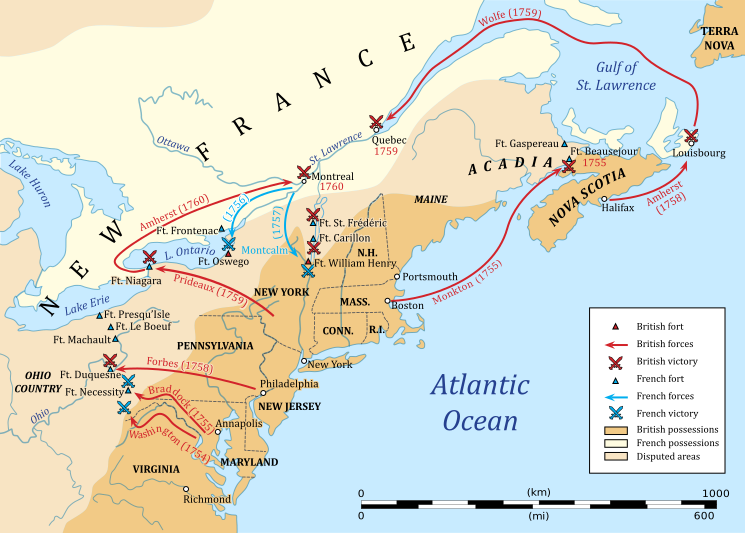
The French and Indian War, part of the larger Seven Years’ War, was a global conflict that proved immensely costly for Great Britain. While victory cemented its position as the dominant colonial power, particularly in North America, the financial toll was astronomical, leading to profound fiscal challenges that necessitated a drastic overhaul of imperial economic strategy.
Escalating National Debt
By the war’s end, Britain’s national debt had nearly doubled, soaring from approximately £75 million in 1754 to over £130 million by 1763. This immense sum represented a significant percentage of the nation’s annual income and placed an enormous strain on the treasury. The interest payments alone consumed a substantial portion of the annual budget, limiting the government’s ability to fund domestic programs or maintain military readiness without increasing revenue. This financial crisis became the overriding concern for British ministers, most notably George Grenville, who sought innovative (and ultimately provocative) ways to stabilize the nation’s finances. The scale of the debt meant that traditional methods of raising funds, such as internal taxation within Great Britain, were deemed insufficient or politically unpalatable, leading to the controversial decision to seek greater contributions from the North American colonies.
The Quest for Revenue: Taxation and Tariffs
Faced with this colossal debt and the ongoing costs of maintaining a standing army in North America – ostensibly to protect the newly acquired territories and manage relations with indigenous peoples – the British Parliament embarked on a series of revenue-generating acts targeting the colonies. The rationale was simple: the war had been fought in large part for the defense and expansion of the colonial empire, and therefore, the colonists should bear a portion of the financial burden.
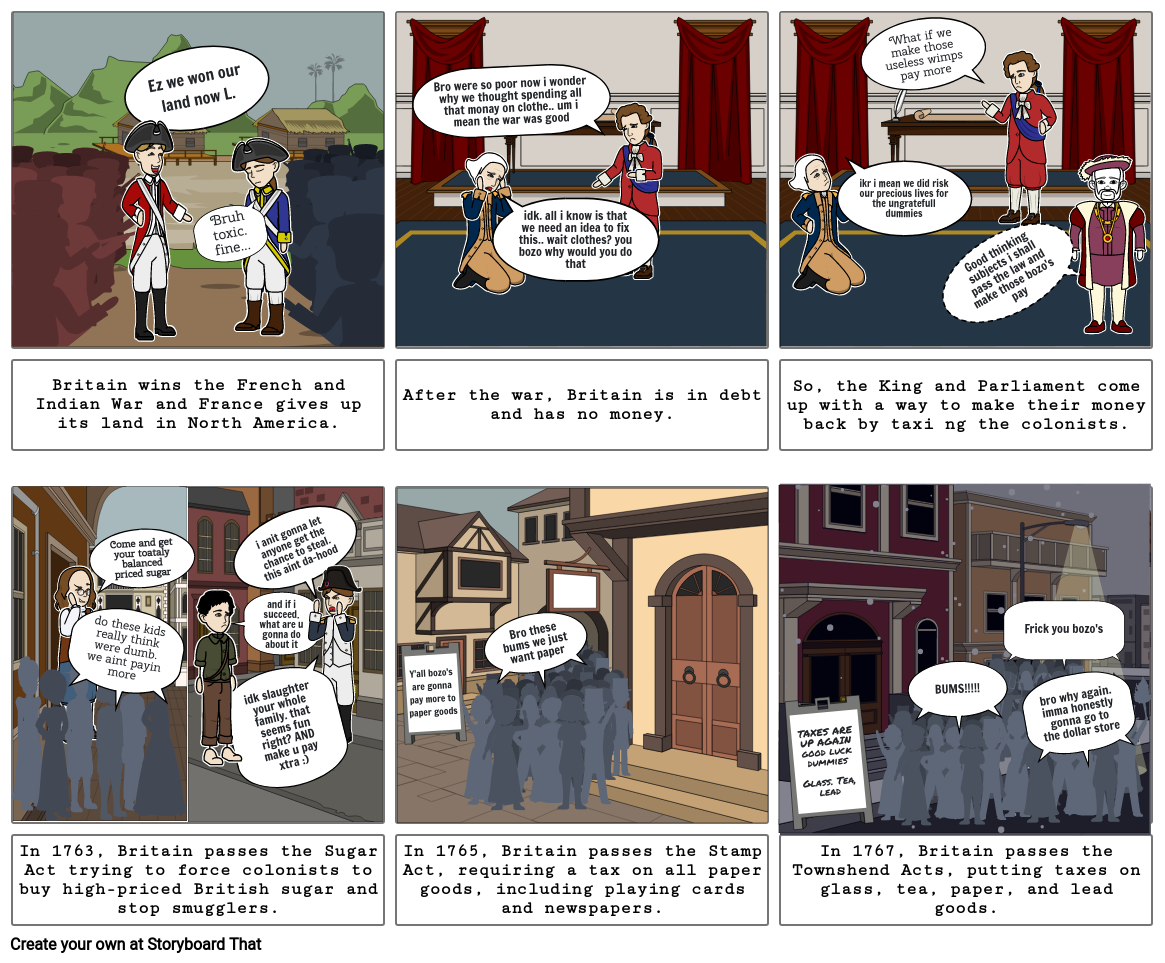
The first significant step was the Sugar Act of 1764. While it actually lowered the duty on foreign molasses imported into the colonies from six pence to three pence per gallon, it also tightened enforcement significantly. The previous, higher duty had been widely ignored through rampant smuggling; the lower duty, coupled with strict new measures and an end to salutary neglect, aimed to actually collect revenue. Furthermore, the act expanded the list of enumerated goods (items that could only be exported to Britain) and established vice-admiralty courts, which operated without juries, to try smugglers. From a purely financial perspective, it was an attempt to make the existing trade system profitable and reduce economic leakage.
This was followed by the Currency Act of 1764, which prohibited colonies from issuing paper money as legal tender. British creditors had long complained that colonial paper currency, which often depreciated, made it difficult to collect debts. This act aimed to stabilize the colonial economy in favor of British merchants and investors by ensuring that all transactions, particularly those involving remittances to Britain, were conducted in specie (gold and silver), which was scarce in the colonies. This exacerbated existing financial liquidity problems for colonial businesses and individuals.
Economic Disruption and Opportunity in the Colonies
While the war brought new territories under British control, it also significantly altered the economic landscape of the American colonies, presenting both challenges and novel opportunities for colonial merchants, farmers, and entrepreneurs.
Post-War Economic Slump
The conclusion of hostilities brought an end to the substantial wartime spending by the British military in the colonies. During the war, contracts for provisions, supplies, and transportation had injected considerable capital into the colonial economy, stimulating local industries and providing employment. The withdrawal of these expenditures led to a sharp economic downturn. Merchants who had profited from wartime supply chains found their markets shrinking, and farmers who had supplied armies faced reduced demand. The scarcity of hard currency, further exacerbated by the Currency Act, made it difficult for colonists to pay existing debts to British creditors, leading to widespread economic distress and resentment.
New Avenues for Trade and Smuggling
Despite the slump, the expanded British empire opened new, albeit often contentious, trade routes. The acquisition of Canada and Florida, along with vast swathes of land west of the Appalachians, presented theoretical opportunities for resource extraction and settlement. However, the British government’s subsequent policies, particularly the Proclamation of 1763, sought to control rather than unleash this potential.
Smuggling, a long-standing colonial practice, intensified as colonists sought to circumvent new taxes and trade restrictions. The Sugar Act, in particular, despite its lower duty, aimed to stamp out illicit trade with the French and Spanish Caribbean. However, the economic imperative for colonists to acquire cheaper goods and sell their produce in the most profitable markets often outweighed legal constraints. This widespread informal economy served as a crucial coping mechanism during the post-war slump and became a significant source of colonial defiance against British economic policy. Merchants, ship captains, and even ordinary citizens participated in this illicit trade, often seeing it as a necessary defense of their economic livelihoods against arbitrary imperial control.
The Proclamation of 1763: Land, Resources, and Economic Control
One of the most immediate and impactful post-war decisions affecting the colonies economically was the Royal Proclamation of 1763. Issued by King George III, it drew a line along the Appalachian Mountains, forbidding colonial settlement west of this boundary and reserving the vast western territories for Native American tribes. While framed as a measure to prevent further conflict with indigenous populations following Pontiac’s Rebellion, its economic implications were profound and deeply resented by colonists.
Limiting Colonial Expansion and Speculation
The proclamation effectively halted westward expansion, an economic engine for many colonies. Land speculation had been a lucrative venture for wealthy colonial elites and a significant opportunity for poorer farmers seeking new land. Figures like George Washington had heavily invested in western lands, anticipating their future value. The sudden imposition of the Proclamation Line froze these investments and dashed hopes of future economic growth through land acquisition. For many, it represented an arbitrary curtailment of their economic liberty and a direct impediment to prosperity, locking them into increasingly crowded coastal areas.
Protecting Fur Trade Interests
Beneath the veneer of peace with Native Americans, the Proclamation also served British economic interests by protecting the valuable fur trade. This industry, primarily operated by British merchants and their indigenous partners, relied on maintaining good relations with Native American tribes and preventing uncontrolled colonial settlement that could disrupt hunting grounds and trade networks. By restricting westward movement, Britain sought to preserve this lucrative enterprise, which generated significant revenue for British merchants and contributed to the imperial economy. However, this prioritization of a specific imperial trade over colonial land interests further fueled resentment among colonists who felt their economic aspirations were being sacrificed for Britain’s benefit.
Seeds of Financial Grievance and Revolution
The British government’s attempts to consolidate its financial position and assert greater control over the colonial economy did not abate after the initial wave of acts. Instead, a continued series of tax measures and regulatory policies, each met with escalating colonial resistance, transformed economic grievances into a revolutionary movement.
The Stamp Act and its Economic Impact
The Stamp Act of 1765 represented a radical departure from previous taxation policies. Unlike the Sugar Act, which regulated trade, the Stamp Act was an internal tax levied directly on the colonies. It required a revenue stamp on all legal documents, commercial papers, newspapers, almanacs, pamphlets, broadsides, playing cards, and dice. The economic impact was immediate and widespread. Lawyers, printers, merchants, and ordinary citizens conducting everyday transactions were all affected. The act drained specie from the colonies (as payments had to be in hard currency), further exacerbating the existing currency shortage. It also directly impacted the burgeoning colonial press, an essential vehicle for disseminating ideas and news, effectively taxing information and commerce. The universal nature of the tax, affecting nearly every colonist, united disparate economic interests against British policy. The ensuing boycotts of British goods were a powerful demonstration of economic resistance, severely impacting British merchants and manufacturers and forcing Parliament to repeal the act in 1766.
The Townshend Acts and Colonial Resistance
Following the repeal of the Stamp Act, Britain passed the Declaratory Act of 1766, asserting Parliament’s right to legislate for the colonies “in all cases whatsoever.” This was quickly followed by the Townshend Acts of 1767, a series of four acts designed to reassert parliamentary authority and raise revenue. The most significant of these was the Revenue Act of 1767, which imposed duties on lead, glass, paper, paint, and tea imported into the colonies. These duties were explicitly intended to pay the salaries of colonial governors and judges, thereby making them independent of colonial assemblies and further centralizing financial control in London.
The economic response in the colonies was renewed non-importation agreements, particularly targeting British luxury goods and the taxed items. These boycotts, enforced by organizations like the Sons of Liberty, demonstrated the growing sophistication of colonial economic resistance. Colonial merchants, once again, sacrificed short-term profits for political principles, leveraging their purchasing power to exert pressure on British manufacturers and, by extension, Parliament. The economic pressure from British merchants, who saw their sales plummet, eventually led to the partial repeal of the Townshend Acts in 1770, with only the tax on tea remaining – a symbolic gesture that would have explosive financial and political consequences.
The Intolerable Acts and Economic Blockades
The Boston Tea Party in 1773, a direct response to the lingering tea tax and the East India Company’s monopoly, provoked a harsh British reaction in the form of the Coercive Acts of 1774 (known in the colonies as the Intolerable Acts). These acts, particularly the Boston Port Act, which closed the port of Boston until the cost of the destroyed tea was repaid, delivered a crippling blow to the city’s economy. Boston, a vital trading hub, faced immediate financial ruin, with merchants, dockworkers, and associated industries suffering immense losses.
The British hope was that isolating Boston would deter other colonies. Instead, it galvanized them. The First Continental Congress convened in response, establishing the Continental Association, which organized a complete boycott of British goods and prohibited exports to Britain and its West Indies colonies. This was an unprecedented act of economic warfare, demonstrating the colonies’ willingness to inflict severe economic hardship on themselves and Britain to secure their financial and political autonomy. The Association’s enforcement mechanisms, including local committees, laid the practical groundwork for self-governance and prepared the colonies for an eventual break with the imperial economic system.

Long-Term Financial Repercussions
The financial legacy of the French and Indian War was the catalyst for an irreversible transformation of the British Empire’s relationship with its American colonies. The methods chosen by Britain to manage its wartime debt and secure future revenues directly undermined the economic stability and perceived financial autonomy of the colonies. The subsequent cycle of taxation, protest, repeal, and further taxation demonstrated a fundamental misunderstanding of colonial economic realities and aspirations.
Ultimately, the war’s financial aftermath forced the colonies to develop their own systems of internal finance, trade networks, and economic solidarity, laying the essential financial foundations for an independent nation. The economic principles espoused by the colonists – particularly the idea of “no taxation without representation” and the right to control their own financial affairs – became central tenets of the American Revolution and, subsequently, the economic philosophy of the United States. The conflict over who would pay for the empire and who would control colonial wealth thus transformed a territorial dispute into a full-blown revolution with profound, lasting economic consequences for all involved.
aViewFromTheCave is a participant in the Amazon Services LLC Associates Program, an affiliate advertising program designed to provide a means for sites to earn advertising fees by advertising and linking to Amazon.com. Amazon, the Amazon logo, AmazonSupply, and the AmazonSupply logo are trademarks of Amazon.com, Inc. or its affiliates. As an Amazon Associate we earn affiliate commissions from qualifying purchases.