
The humble salad, often relegated to a side dish or a quick lunch, holds surprising potential as a cornerstone for both personal finance and long-term health. Beyond its nutritional value, understanding “what goes good in a salad” can unlock significant savings, boost productivity, and even open avenues for income generation. This isn’t merely about choosing tasty ingredients; it’s about making strategic financial decisions that ripple through your budget, well-being, and entrepreneurial endeavors.
The Economical Edge: Smart Ingredient Choices for Budget-Conscious Salads
Building a financially sound salad begins with intelligent ingredient selection. Every item added or omitted affects not just the nutritional profile but also the ultimate cost. Prioritizing value, longevity, and versatility ensures that your salads are both delicious and budget-friendly.
Foundational Savings: The Base of Your Budget-Friendly Salad
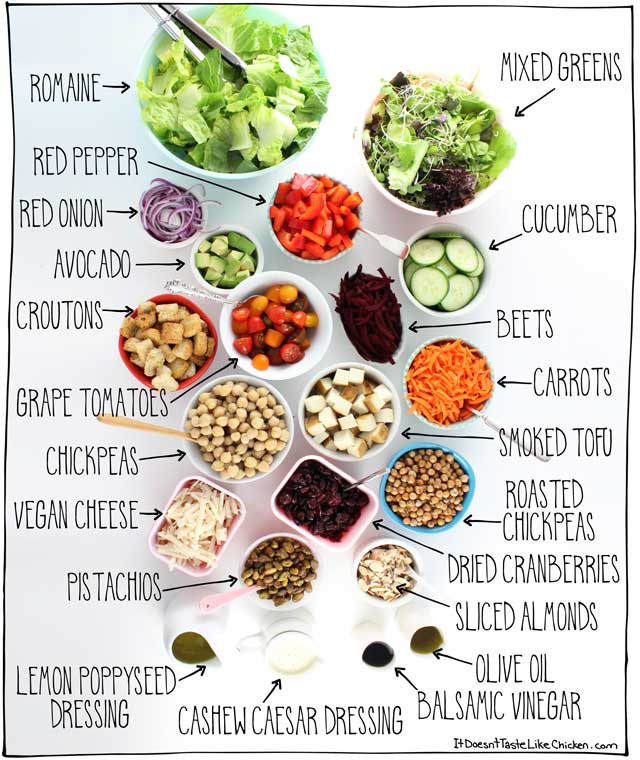
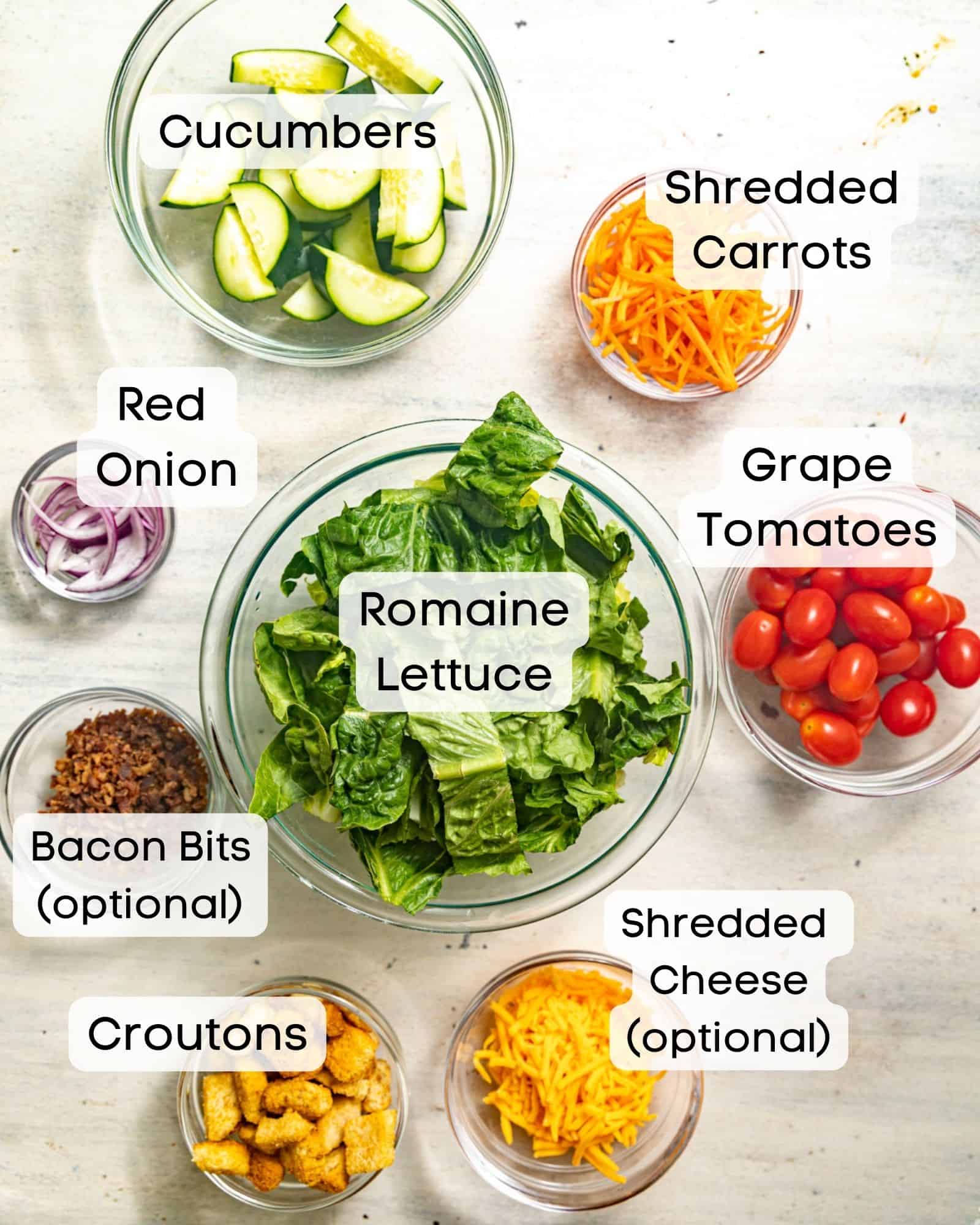
The base greens are often the most consumed part of a salad, making their cost-effectiveness paramount. Opting for sturdy, long-lasting greens like romaine, iceberg, or cabbage can significantly cut down on waste and frequent grocery runs compared to more delicate options like spring mix, which often spoils faster. Buying whole heads of lettuce and chopping them yourself is almost always cheaper per serving than pre-bagged varieties. For an even greater financial advantage, consider growing your own greens, even a small herb garden can yield fresh, organic additions at virtually no cost after initial setup. Beyond greens, hearty vegetables such as shredded carrots, cucumbers, bell peppers, and onions are inexpensive, versatile, and offer substantial bulk and crunch without breaking the bank. Purchasing these in larger quantities when on sale and portioning them for weekly meal prep can further enhance savings.
Protein Power: Maximizing Value Per Serving
Protein is crucial for satiety and muscle maintenance, but it can also be the most expensive component of a salad. Smart protein choices involve selecting options with a high protein-to-cost ratio. Canned beans (chickpeas, black beans, kidney beans) are incredibly cost-effective, offer excellent fiber, and require no cooking. Lentils, hard-boiled eggs, and cottage cheese also provide substantial protein at a fraction of the cost of premium meats. For those who prefer meat, rotisserie chicken, purchased whole and shredded, provides multiple servings for a reasonable price, or look for sales on chicken breasts or thighs that can be cooked in bulk. Even small amounts of high-quality protein can make a significant difference in a salad’s ability to keep you full and energized, thereby preventing costly impulse snack purchases later.
Flavor without the Financial Strain: Dressings and Toppings
The final flourish of a salad often comes from its dressing and toppings, but these can be hidden money pits. Store-bought dressings, while convenient, are typically more expensive and often contain less healthy ingredients than homemade versions. Whipping up a simple vinaigrette with olive oil, vinegar (apple cider, balsamic, or red wine), mustard, and a touch of sweetener is incredibly cheap, customizable, and healthier. For toppings, avoid expensive specialty nuts or dehydrated fruits unless they are bought in bulk at a significant discount. Instead, consider toasted seeds (sunflower, pumpkin), croutons made from stale bread, a sprinkle of nutritional yeast for a cheesy flavor, or a small amount of an inexpensive hard cheese like Parmesan. Homemade salsa or pickled vegetables can also add a burst of flavor and texture economically. The key is to add flavor and texture without adding excessive cost, ensuring every ingredient serves a dual purpose of taste and financial prudence.
Beyond the Plate: Investing in Health Through Your Salad
While the immediate financial benefits of smart salad choices are evident in grocery bills, the long-term monetary gains derived from improved health are often overlooked. A diet rich in nutrient-dense salads is a potent form of preventative healthcare, yielding dividends in energy, productivity, and reduced medical expenses.
Long-Term Healthcare Savings: The Dividend of Nutritious Eating
Consistently incorporating healthy, vegetable-rich salads into your diet is a strategic investment in your future health. A balanced diet contributes significantly to reducing the risk of chronic diseases such as heart disease, type 2 diabetes, and certain cancers. The financial implications of managing these conditions—doctor visits, medications, specialized treatments, and lost income due to illness—can be staggering. By actively choosing nutrient-dense ingredients that support overall well-being, you are effectively self-insuring against a myriad of health complications. Each dollar spent wisely on wholesome salad components today can save hundreds, if not thousands, in potential medical costs down the line. It’s an investment with an exceptionally high return on investment (ROI) in terms of quality of life and financial stability.
Boosted Productivity: Fueling Your Financial Engines
The correlation between diet and cognitive function is well-established. A lunch composed of a sugary, processed meal can lead to an afternoon energy crash, reducing focus and productivity. Conversely, a well-balanced salad, packed with complex carbohydrates, lean protein, and healthy fats, provides sustained energy and mental clarity. This enhanced focus directly translates to improved performance in the workplace, better decision-making, and increased efficiency. For entrepreneurs, this means more effective work hours; for employees, it could mean better performance reviews, leading to promotions or bonuses. The cost of a healthy salad is a small price to pay for optimizing your most valuable asset: your brainpower and time, directly impacting your earning potential.
Strategic Superfoods: When Premium Ingredients Pay Off
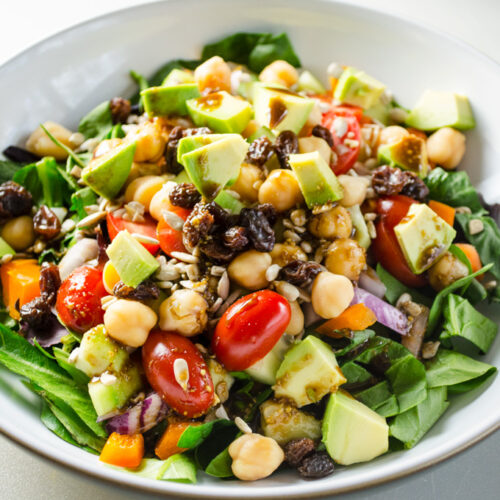
While the focus has been on budget-friendly ingredients, there are instances where incorporating “superfoods”—ingredients with exceptionally high nutrient density—can be a worthwhile financial decision. For example, a small amount of avocado provides healthy monounsaturated fats that aid in nutrient absorption and satiety, potentially preventing costly snacking. Berries, while sometimes pricier, are rich in antioxidants and vitamins, contributing to robust immune function which can ward off illnesses and associated medical costs or lost workdays. The key is strategic inclusion: integrating small quantities of these premium ingredients where their nutritional punch justifies the extra expense, ensuring they complement your overall health and financial goals rather than draining your budget unnecessarily.
Salads as a Side Hustle: Monetizing Your Culinary Creations
Beyond personal consumption, the art of crafting compelling salads can be a viable path to generating online income or a lucrative side hustle. The growing demand for healthy, convenient meal options presents a significant market opportunity for those with culinary flair and an understanding of branding and logistics.
Crafting Marketable Salad Kits and Meal Preps
The convenience economy thrives on ready-to-eat solutions. Developing and selling pre-portioned salad kits or fully assembled meal prep salads can be a highly profitable venture. This involves selecting ingredients that hold up well to packaging and refrigeration, offer appealing flavor combinations, and cater to popular dietary trends (e.g., vegan, gluten-free, low-carb). Sourcing ingredients in bulk, optimizing recipes for scalability, and understanding local food safety regulations are critical. A strong focus on packaging design and clear nutritional labeling can also enhance marketability and justify a premium price point, transforming your understanding of “what goes good in a salad” into a revenue stream.
Niche Market Opportunities: Catering to Dietary Needs
Specialized dietary requirements represent underserved niches that command higher prices. Creating salads specifically for keto followers, plant-based eaters, or those with allergies (e.g., nut-free, dairy-free) can attract a dedicated customer base. This requires in-depth knowledge of ingredients, cross-contamination prevention, and precise nutritional calculations. Building trust within these communities through transparency and consistent quality can lead to repeat business and positive word-of-mouth marketing, amplifying your reach without extensive advertising costs.
Digital Ventures: Selling Recipes and E-Cookbooks
For those with a knack for recipe development but who prefer not to handle physical food products, the digital realm offers an excellent alternative. Compiling unique, flavorful, and financially smart salad recipes into an e-cookbook or a subscription-based recipe service can generate passive income. This involves clear writing, appealing food photography, and strategic marketing through social media or a dedicated food blog. Monetization can also come from affiliate marketing, recommending specific kitchen tools or ingredients that “go good” with your recipes, or through advertisements on a popular recipe website. The initial effort of creation can yield returns for years to come, leveraging your culinary expertise into a scalable business model.
The Financial Tools and Mindset for Salad Success
Achieving financial well-being through salad preparation isn’t just about recipes; it’s about applying sound financial management principles to your food choices. This involves careful planning, tracking, and evaluation to ensure every bite contributes to your monetary goals.
Budgeting for Ingredients: Tracking Your Food Spend
Just as you budget for rent or utilities, allocate a specific portion of your income to groceries, including salad ingredients. Use budgeting apps or simple spreadsheets to track your spending on food. This awareness allows you to identify areas where you might be overspending (e.g., too many pre-cut vegetables, expensive dressings) and adjust your habits accordingly. Knowing exactly how much you spend on food each month empowers you to make conscious choices that align with your broader financial objectives.
Bulk Buying and Meal Planning: Economies of Scale
Strategic meal planning is a powerful financial tool. By planning your salads for the week, you can create a precise grocery list, avoiding impulse purchases and reducing waste. Bulk buying non-perishable items like grains, canned beans, and certain nuts or seeds often results in significant per-unit savings. However, only buy perishable items in bulk if you can realistically consume them before spoilage, or if you can properly store or freeze them. Preparing large batches of cooked grains, roasted vegetables, or grilled proteins at the beginning of the week saves time and ensures a healthy, budget-friendly salad is always within easy reach, preventing costly takeout meals.
Evaluating ROI: Health vs. Monetary Returns
Finally, regularly evaluate the return on investment (ROI) of your salad habits. This isn’t just about the money saved on groceries or the income generated from a side hustle; it’s also about the intangible benefits of improved health and increased energy. Quantify where possible: how much did you save by packing a homemade salad instead of buying lunch? How many sick days have you avoided due to a stronger immune system? What is the value of feeling energized and focused at work? Understanding this holistic ROI reinforces the value of prioritizing “what goes good in a salad” not just for taste, but for a richer, healthier, and more financially secure life.
aViewFromTheCave is a participant in the Amazon Services LLC Associates Program, an affiliate advertising program designed to provide a means for sites to earn advertising fees by advertising and linking to Amazon.com. Amazon, the Amazon logo, AmazonSupply, and the AmazonSupply logo are trademarks of Amazon.com, Inc. or its affiliates. As an Amazon Associate we earn affiliate commissions from qualifying purchases.