
The seemingly simple question, “what genre of music?”, unlocks a complex tapestry of branding, marketing strategy, and identity formation within the vast landscape of the music industry. Genres are far more than mere classifications; they are potent branding tools, market segmentation strategies, and cultural signifiers that shape how artists are perceived, how labels position their talent, and how audiences connect with sonic experiences. Understanding the strategic deployment and evolution of music genres is critical for anyone operating at the intersection of creation, promotion, and consumption in this dynamic field.
The Evolving Architecture of Musical Identity
Genres are the foundational pillars upon which musical identities are built and communicated. They provide a shorthand for understanding an artist’s sound, aesthetic, and target audience, acting as a crucial element of their overall brand persona.

Beyond Simple Classification: Genre as a Brand Descriptor
Initially, genres emerged organically from shared musical characteristics – instrumentation, rhythm, vocal styles, and lyrical themes. Over time, however, they evolved into sophisticated brand descriptors. When an artist is labeled “indie-rock,” “R&B,” or “experimental electronic,” this isn’t just a sonic tag; it immediately conjures expectations about their visual aesthetic, lyrical content, live performance style, and even the socio-cultural values they might embody. This descriptor becomes a powerful component of their brand identity, allowing them to communicate a complex message efficiently to potential fans, industry gatekeepers, and sponsors. It helps define their unique selling proposition (USP) in a crowded market.
The Dynamic Nature of Genre Formation
Genres are not static; they are in a constant state of flux, mirroring cultural shifts, technological advancements, and artistic innovation. New subgenres emerge from the fusion of existing styles (e.g., nu-metal from heavy metal and hip-hop, hyperpop from pop and electronic), while established genres might fade or reinvent themselves. This dynamism presents both challenges and opportunities for branding. For artists, it requires a delicate balance between adhering to the core tenets of a genre to attract its existing fanbase and pushing boundaries to innovate and differentiate their brand. For labels, it necessitates continuous market research and strategic agility to identify nascent trends and position new artists within these evolving sonic landscapes, or even to help define new genres through strategic marketing and artist development. The ability to identify, name, and popularize a new genre can be a significant branding coup, conferring trailblazer status and attracting considerable media attention.
Genre as a Strategic Branding Tool
The strategic application of genre extends beyond individual artists, influencing the branding of record labels, music festivals, and even entire regions. It acts as a compass guiding marketing efforts and audience engagement.
Artist Branding: Crafting an Identity Through Genre
For an artist, choosing or being associated with a specific genre is a cornerstone of their personal brand. It dictates their creative direction, influences their visual branding (album art, music videos, stage attire), and shapes their communication style. An artist branding themselves as “alternative folk” will cultivate a very different image and message than one marketing as “trap artist.” The genre provides a framework, but within it, artists must carve out a unique niche that differentiates them. This often involves leaning into specific subgenres, collaborating across genre lines, or developing a signature sound that, while rooted in a genre, transcends its typical boundaries. The genre acts as a promise to the audience about the experience they can expect, and successful artists consistently deliver on that promise while subtly innovating to keep their brand fresh and relevant.
Label Strategies: Market Segmentation and Audience Engagement
Record labels utilize genres as fundamental tools for market segmentation. By signing artists across various genres, labels can diversify their portfolio and target different demographic segments. A label might have an imprint dedicated to electronic dance music (EDM) to capture a youthful, festival-going audience, while another division focuses on classical music for an older, more discerning consumer base. This genre-based segmentation allows labels to tailor their marketing campaigns, distribution channels, and promotional partnerships to specific audience groups, maximizing reach and impact. Understanding the psychographics and behaviors associated with each genre’s fanbase enables more effective brand messaging and community building.
Festivals and Events: Curating Experience Through Genre

Music festivals and live events leverage genre branding to define their core identity and attract their desired audience. “EDM festivals,” “country music festivals,” or “indie rock showcases” immediately convey the type of artists, atmosphere, and audience demographics attendees can expect. This genre-specific branding helps festivals cultivate a strong, recognizable identity in a competitive market. It dictates everything from stage design and vendor selection to sponsorship opportunities and marketing collateral. A festival’s success often hinges on its ability to consistently deliver an authentic, genre-aligned experience that resonates deeply with its target audience, fostering loyalty and word-of-mouth promotion. The genre acts as a primary identifier, simplifying the decision-making process for potential attendees and creating a clear brand promise.
The Brand Impact of Genre Evolution and Fusion
As music evolves, so does the strategic approach to genre branding. Innovation in sound often leads to the birth of new labels and marketing challenges.
Subgenres and Microgenres: Niche Branding Opportunities
The proliferation of subgenres and microgenres (e.g., chillwave, vaporwave, witch house) represents a fascinating branding phenomenon. While they might seem overly specific, these hyper-niche categories allow artists and labels to target highly engaged, often digitally native, fan communities. For an artist, aligning with a specific microgenre can be a powerful way to stand out from broader genre categories, establishing a distinct brand identity and attracting a dedicated following. These niche communities often possess a strong sense of shared identity and cultural capital, making them highly valuable for building authentic brand loyalty and generating organic buzz. The challenge lies in translating niche appeal into broader commercial success without alienating the core fanbase.
Genre Bending: Expanding Brand Horizons
Some artists strategically “genre-bend” or fuse disparate styles to create a unique sonic brand. This approach can broaden their appeal beyond a single genre’s confines, attracting fans from multiple musical camps. For example, an artist blending R&B with electronic elements or pop with folk influences creates a hybrid brand that stands apart. This requires careful branding to ensure that the fusion feels authentic and coherent, rather than disjointed. The risk is alienating existing fans who prefer a purer genre sound, but the reward is a distinctive brand that can transcend traditional market segments and potentially achieve wider mainstream recognition and crossover success. It’s a testament to an artist’s creative vision and their brand’s adaptability.
The Paradox of Authenticity vs. Commercial Appeal
The relationship between genre and branding often involves navigating the paradox of authenticity versus commercial appeal. Artists and labels frequently face decisions about whether to adhere strictly to a genre’s conventions to maintain authenticity with a core fanbase, or to broaden their sound (and thus their brand) to gain wider commercial traction. “Selling out” is a common accusation leveled against artists perceived to dilute their genre’s essence for mainstream success. Effective branding in this context involves communicating genuine artistic evolution while retaining the core values that resonated with early supporters. A successful brand finds a way to grow its audience without compromising the perceived integrity of its genre roots, often by emphasizing artistic growth rather than a mere commercial pivot.
Audience Perception and Community Building
Ultimately, genre branding success is measured by its ability to resonate with and cultivate an audience, transforming listeners into loyal brand advocates.
Fan Loyalty: The Power of Genre Tribes
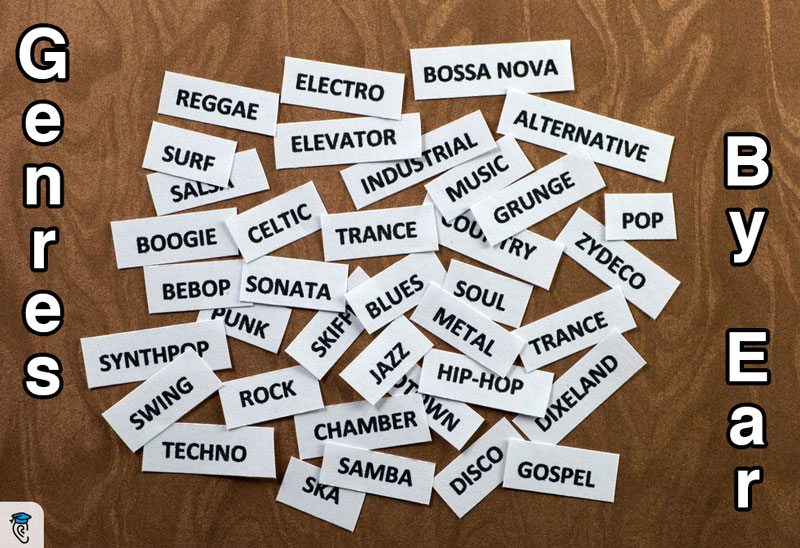
Music genres foster powerful communities or “tribes” united by shared tastes, values, and often, lifestyles. For artists and labels, tapping into these genre tribes is paramount for building fan loyalty. A successful genre brand goes beyond just the music; it cultivates an entire ecosystem of related content, merchandise, and experiences that deepen the connection with its audience. Fans often feel a strong sense of belonging to their chosen genre’s community, and artists who authentically engage with these communities can build incredibly robust and resilient brands. This loyalty translates into sustained engagement, album sales, tour attendance, and organic promotion, demonstrating the profound influence of genre on consumer behavior and brand advocacy.
Brand Cohesion: Aligning Genre with Visuals and Messaging
For maximum impact, a genre brand must maintain cohesion across all touchpoints. This means that the music itself, the artist’s visual identity (album art, social media presence, fashion choices), their lyrical themes, and their marketing messaging must all align with the chosen genre. A death metal band with a pastel-colored, whimsical aesthetic, for example, would create brand confusion and likely fail to resonate with its intended audience. Conversely, a folk artist with earthy tones, introspective lyrics, and acoustic instrumentals creates a cohesive brand experience that reinforces their genre identity. This holistic approach to branding, where genre acts as the central unifying theme, is essential for building a clear, memorable, and impactful presence in the competitive music industry. It allows a brand to speak with one voice, fostering trust and recognition among its audience.
aViewFromTheCave is a participant in the Amazon Services LLC Associates Program, an affiliate advertising program designed to provide a means for sites to earn advertising fees by advertising and linking to Amazon.com. Amazon, the Amazon logo, AmazonSupply, and the AmazonSupply logo are trademarks of Amazon.com, Inc. or its affiliates. As an Amazon Associate we earn affiliate commissions from qualifying purchases.