
Russia’s economic identity is a complex tapestry woven from its vast natural resources, a distinctive model of state capitalism, and its ongoing adaptation to a challenging geopolitical landscape. For investors, businesses, and financial analysts, understanding the nuances of this economy is crucial for navigating its risks and identifying its unique characteristics. At its core, Russia presents a blend of market mechanisms operating under significant state influence, heavily reliant on commodity exports, and increasingly geared towards self-sufficiency in key strategic sectors.
Resource-Dependent Foundation: The Hydrocarbon Backbone
The bedrock of the Russian economy, and a primary determinant of its financial health, remains its immense reserves of oil and natural gas. This resource endowment has shaped its fiscal policy, currency stability, and external trade balances for decades.
The Primacy of Oil and Gas Exports
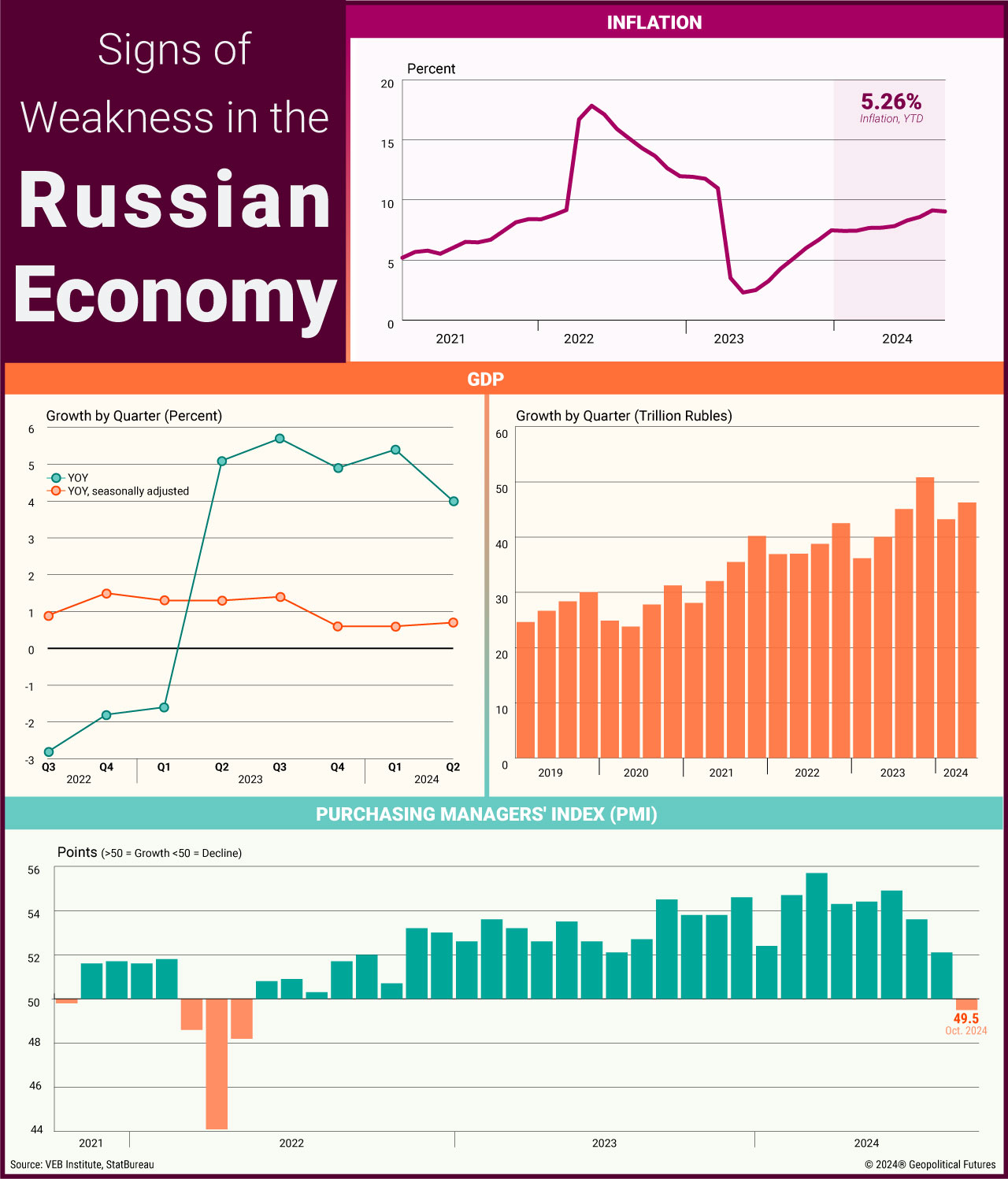
Russia stands as one of the world’s leading exporters of crude oil and natural gas. These energy resources account for a substantial portion of the nation’s export earnings and, critically, a significant share of federal budget revenues. The financial health of the state is intrinsically linked to global commodity prices, making the economy highly sensitive to fluctuations in the international energy markets. When oil prices are high, the budget often runs a surplus, allowing for accumulation in sovereign wealth funds and increased social spending. Conversely, sharp declines in prices can quickly lead to fiscal deficits and necessitate austerity measures or drawing down reserves. This dependency creates a cyclical vulnerability, where periods of prosperity are often followed by pressure when global energy demand or supply dynamics shift unfavorably.
Vulnerability to Commodity Price Swings
This reliance on a narrow range of exports introduces significant volatility into Russia’s financial system. The ruble’s exchange rate, for instance, often tracks crude oil prices, appreciating when prices rise and depreciating when they fall. This volatility affects import costs, inflation, and consumer purchasing power, posing challenges for monetary policy and long-term business planning. Businesses outside the energy sector frequently grapple with the ripple effects of these macroeconomic shifts, impacting their cost structures, access to capital, and ability to compete internationally. Investors scrutinizing the Russian market must factor in this commodity price risk as a fundamental component of their financial models and risk assessments.
Impact on Fiscal Revenue and Currency Stability
The Russian government’s financial strategy has historically involved accumulating substantial reserves in its National Wealth Fund (NWF) during periods of high commodity prices. These funds serve as a buffer against future price shocks and provide resources for strategic investments. However, the consistent need to replenish these funds underscores the underlying structural dependency. The central bank plays a critical role in managing currency stability through intervention and interest rate policy, often reacting to geopolitical developments and commodity market movements. Understanding the interplay between oil prices, the federal budget, and central bank actions is paramount for comprehending Russia’s financial landscape.
State Capitalism and Centralized Control
Beyond its natural resources, Russia’s economic structure is defined by a powerful model of state capitalism, where the government wields significant influence over strategic industries and economic policy.
Dominance of State-Owned Enterprises (SOEs)
A hallmark of the Russian economy is the pervasive presence and dominance of State-Owned Enterprises (SOEs) across critical sectors. Energy giants like Gazprom and Rosneft, major banks such as Sberbank and VTB, and enterprises in defense, transport, and telecommunications are either wholly state-owned or feature significant state control. These entities often operate with preferential access to capital, state contracts, and regulatory advantages, giving them a considerable competitive edge over private firms. Their sheer size and reach mean that a significant portion of economic activity, investment, and employment is concentrated within these state-controlled structures. This limits the scope for independent private sector growth and can create an uneven playing field for smaller businesses seeking to compete or raise capital.
Role of the Central Bank and Sovereign Wealth Funds
The Central Bank of Russia (CBR) exercises substantial control over monetary policy, aiming to manage inflation, maintain financial stability, and support economic growth. Its actions, from setting interest rates to implementing capital controls, are crucial for businesses and investors. The aforementioned National Wealth Fund, managed by the Ministry of Finance, acts as a stabilization fund and a source of strategic investment, particularly in times of economic stress or for large-scale infrastructure projects. These instruments provide the state with powerful levers to direct capital, influence investment decisions, and mitigate external shocks, highlighting the centralized nature of financial management.
Limited Private Sector Competition and Market Freedoms
While a private sector exists and has seen some growth, its scope is often constrained by the dominance of SOEs and the regulatory environment. Market competition can be less robust in many key sectors, potentially stifling innovation and efficiency. Entrepreneurs and private businesses often face challenges related to access to finance, administrative hurdles, and competition from well-resourced state-backed entities. For foreign investors, this landscape implies navigating a system where political connections and strategic alignment with state objectives can sometimes be as important as market fundamentals. The degree of market freedom and the ease of doing business can vary significantly compared to more liberalized Western economies.
Navigating Sanctions and Financial Isolation
The past decade has seen Russia subjected to extensive international sanctions, particularly following geopolitical events, fundamentally altering its financial interactions with much of the global economy.
The Impact on Foreign Direct Investment (FDI)

Sanctions imposed by Western nations have severely curtailed Foreign Direct Investment (FDI) into Russia. Restrictions on capital flows, asset freezes, and prohibitions on lending to designated Russian entities have made it difficult, if not impossible, for many international companies and investors to engage with the Russian market. This has led to a significant withdrawal of foreign capital and expertise, prompting Russia to pivot towards domestic sources of financing and alternative international partners, primarily in Asia and the Middle East. For businesses that remained, navigating compliance with complex sanctions regimes became a critical, costly, and continuous challenge.
Restructuring Trade and Payment Systems
Sanctions have also forced a profound reorientation of Russia’s trade and payment systems. The exclusion of major Russian banks from SWIFT, the global interbank messaging system, spurred efforts to develop alternative payment channels, including domestic systems and bilateral arrangements with non-sanctioning countries. Trade patterns have shifted dramatically, with a strong emphasis on developing new supply chains and export markets outside traditional Western partners. This has involved diversifying away from the US dollar and Euro in international transactions, favoring local currencies or the Chinese yuan for trade settlements. While challenging, these adaptations aim to reduce vulnerability to future sanctions and establish a more insulated financial architecture.
Domestic Financial Market Resilience and Adaptation
Despite the external pressures, Russia’s domestic financial markets have demonstrated a degree of resilience, partly due to stringent capital controls and proactive measures by the central bank. The Moscow Exchange (MOEX) continues to operate, albeit with significant restrictions on foreign participation. Domestic bond markets and banking sectors have adapted to reduced foreign influence, focusing on internal liquidity and local investor demand. However, the long-term implications of financial isolation include potentially higher borrowing costs, reduced access to advanced financial technologies, and a slower pace of integration into global financial innovation.
Diversification Efforts and Emerging Sectors
Recognizing the vulnerabilities inherent in its resource-dependent and state-dominated model, Russia has made efforts to diversify its economy and foster growth in non-commodity sectors.
Agriculture and Food Security Initiatives
One notable area of focus has been agriculture. Russia has invested significantly in modernizing its agricultural sector, aiming not only for food self-sufficiency but also to become a major global exporter of grains and other agricultural products. Government subsidies, land reforms, and investment in infrastructure have contributed to a resurgence in agricultural output. This sector now plays a growing role in the economy, providing a more stable and less volatile revenue stream compared to hydrocarbons, while also contributing to national security through enhanced food independence.
Technology and Digital Economy Ambitions
Russia has also articulated ambitions to develop its technology sector and digital economy. This includes fostering domestic software development, cybersecurity solutions, and e-commerce platforms. State-backed initiatives and investment funds aim to support startups and enhance digital infrastructure. While pockets of innovation exist, particularly in areas like artificial intelligence and big data, the sector faces challenges in attracting sufficient private capital and talent, especially amid brain drain and reduced access to global technology markets and supply chains due to sanctions. The goal is to build a robust domestic tech ecosystem capable of supporting critical infrastructure and providing competitive services.
Challenges in Fostering Innovation and Entrepreneurship
Despite these efforts, fostering a truly vibrant and innovative entrepreneurial ecosystem remains a challenge. The dominance of large state-owned entities, a less developed venture capital market compared to Western economies, and the impact of geopolitical isolation can limit the growth potential of smaller, innovative private companies. True economic diversification requires a deeper structural transformation that encourages competition, protects property rights more robustly, and reduces the administrative burden on businesses, aspects that have seen mixed progress.
Implications for Global Investors and Financial Markets
For global investors, the Russian economy presents a unique and often high-risk, high-reward proposition that requires a nuanced understanding of its underlying financial dynamics and geopolitical context.
Risk Assessment and Geopolitical Factors
Investing in Russia necessitates a comprehensive risk assessment that extends beyond traditional financial metrics. Geopolitical factors, including ongoing international relations, sanctions regimes, and internal political stability, play an outsized role in determining market sentiment, capital flows, and asset valuations. Regulatory changes, often influenced by strategic state interests, can significantly impact investor returns. Companies considering operations or investments in Russia must account for these non-market risks as a primary component of their due diligence.
Shifting Investment Destinations and Partners
The imposition of sanctions has led to a substantial re-evaluation of investment strategies by international firms. Many Western investors have divested or exited the Russian market, leading to a shift in investment partners towards countries in Asia, the Middle East, and other non-aligned nations. This reorientation affects capital allocation, trade financing, and the development of new economic corridors. Future investment in Russia is likely to be concentrated among partners willing and able to operate within its new economic architecture, potentially involving less transparent or more complex financial arrangements.
Future Outlook for Capital Flows and Economic Integration
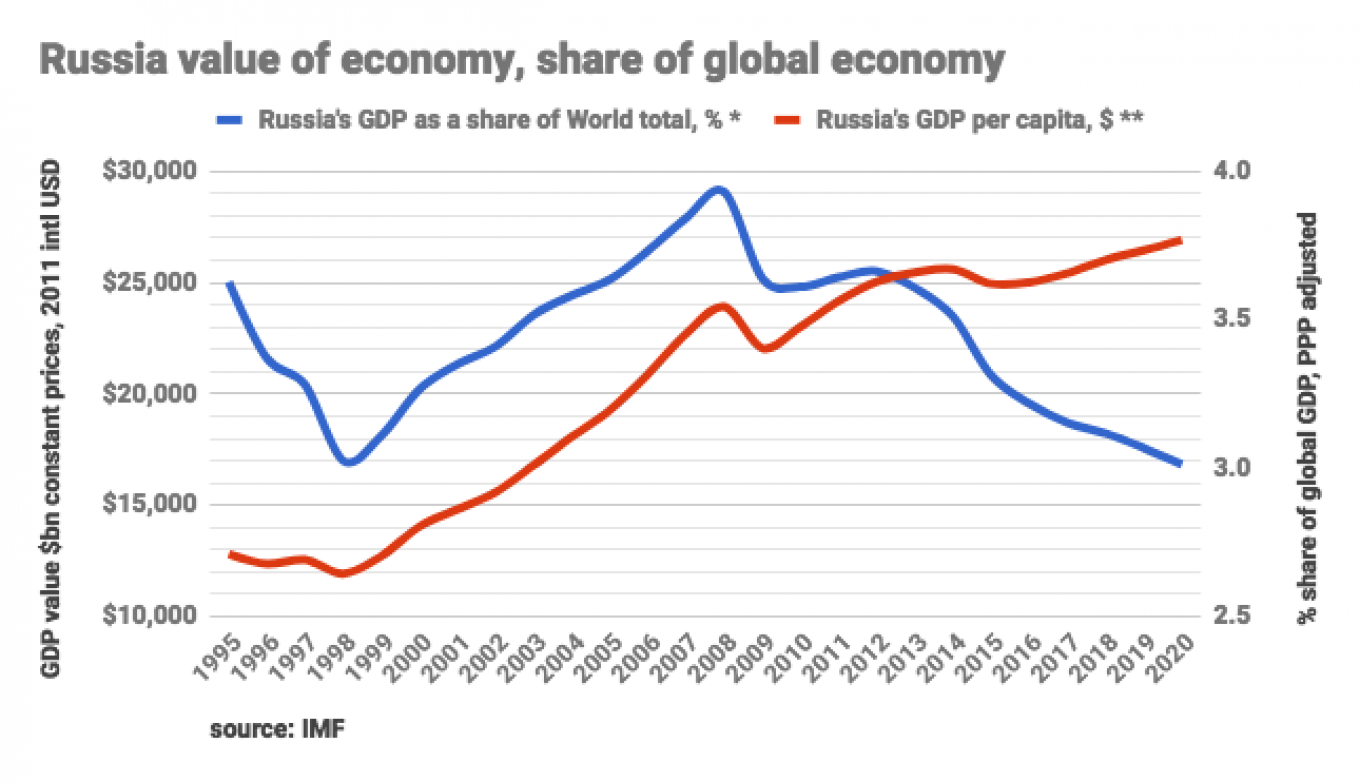
The long-term outlook for Russia’s capital flows and its degree of integration with the global financial system remains uncertain. While the economy has demonstrated resilience and adaptation in the face of isolation, sustained growth and technological advancement typically benefit from open markets, foreign investment, and access to international capital. Russia’s continued emphasis on state control and self-sufficiency suggests a future economic model that is more inward-looking and strategically selective in its international engagements, making it a distinct case study for understanding national economic resilience in a fractured global financial order.
aViewFromTheCave is a participant in the Amazon Services LLC Associates Program, an affiliate advertising program designed to provide a means for sites to earn advertising fees by advertising and linking to Amazon.com. Amazon, the Amazon logo, AmazonSupply, and the AmazonSupply logo are trademarks of Amazon.com, Inc. or its affiliates. As an Amazon Associate we earn affiliate commissions from qualifying purchases.