
In the modern real estate landscape, Zillow has transformed from a simple listing directory into a high-stakes arena for personal finance and property investment. For many, browsing Zillow is a recreational activity; for the serious investor or the budget-conscious homebuyer, it is a tool for identifying undervalued assets. Among the most intriguing yet misunderstood labels on the platform is “Foreclosure.”
Navigating the financial complexities of a foreclosure on Zillow requires more than a cursory glance at a property’s “Zestimate.” It demands a deep understanding of the foreclosure lifecycle, the underlying debt structures, and the capital requirements necessary to turn a distressed property into a profitable investment. This guide breaks down exactly what foreclosure means on Zillow through the lens of personal finance and strategic investment.

The Financial Mechanics of Foreclosure: Debt, Default, and Distressed Assets
To understand what a foreclosure means on Zillow, one must first understand the financial failure that precedes the listing. A foreclosure is not merely a status; it is a legal and financial process triggered when a borrower fails to meet their mortgage obligations. From a financial perspective, a foreclosure represents the lender’s attempt to recoup the remaining balance of a loan by seizing and selling the collateral—the home.
The Breach of Contract and Default
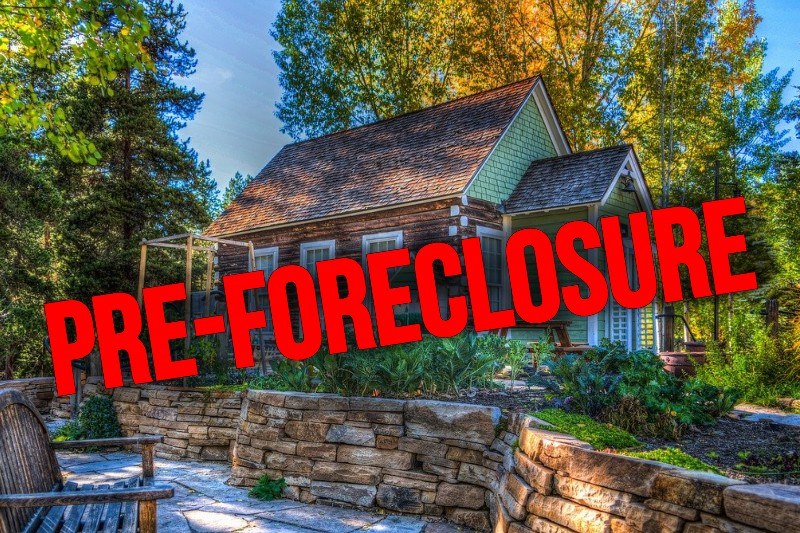
The journey to a Zillow foreclosure listing begins long before a “For Sale” sign appears. It typically starts with a “Notice of Default” (NOD). In the world of personal finance, this is a critical turning point where the borrower’s credit health and equity are at maximum risk. Most lenders initiate this process after 90 days of missed payments. For an investor monitoring Zillow, this period represents the “Pre-Foreclosure” phase, where the opportunity for a short sale or a deed-in-lieu of foreclosure arises.
Judicial vs. Non-Judicial Implications
The financial timeline of a foreclosure varies significantly depending on whether the property is in a judicial or non-judicial state. In judicial states, the lender must go through the court system to prove the debt is owed, a process that can take years. In non-judicial states, the process is streamlined and governed by a “power of sale” clause in the deed of trust. For a Zillow user, knowing the state’s legal framework is essential for estimating how long a “Pre-Foreclosure” might sit on the site before actually becoming available for purchase.
Decoding Zillow’s Foreclosure Statuses: Pre-Foreclosure vs. Auction
Zillow aggregates data from various public records, which can lead to confusion if the user does not understand the financial nuances of each category. When you see a foreclosure tag on Zillow, it usually falls into one of three distinct financial stages.
Pre-Foreclosure: The Opportunity for Direct Negotiation
When Zillow marks a home as “Pre-Foreclosure,” it does not necessarily mean the house is for sale. Financially, it indicates that the homeowner is in the “red,” and the legal process of reclaiming the home has begun. For an investor, this is the prime time to negotiate a “Short Sale”—where the bank agrees to accept less than the total mortgage balance to avoid the costs of a full foreclosure. This requires a sophisticated understanding of debt negotiation and the patience to deal with lengthy bank approval processes.
The Foreclosure Auction: A Game of Liquidity
The “Auction” status on Zillow indicates that the property is headed to the courthouse steps or an online bidding platform. This is perhaps the most high-risk, high-reward stage of real estate finance. Properties sold at auction usually require all-cash payments or certified funds immediately. There is rarely an opportunity for a traditional mortgage. Investors must account for the “holding costs” and the potential for “unseen liabilities,” such as secondary liens or back taxes, which become the responsibility of the winning bidder.
Bank-Owned (REO): Post-Auction Realities
If a property fails to sell at auction for the minimum bid set by the lender, it becomes “REO” (Real Estate Owned). At this stage, the bank takes full ownership and eventually lists the property back on the open market—often through Zillow. Financially, REOs are the safest form of distressed property to purchase because the bank typically clears the title of other liens. However, the price point is often higher than at the auction stage because the bank aims to recover as much of its loss as possible.
The Financial Risks and Rewards of Buying a Foreclosed Property
Investing in a foreclosure found on Zillow is an exercise in risk management. While the potential for high Return on Investment (ROI) is significant, the hidden financial pitfalls can quickly turn a “deal” into a deficit.
Equity Potential and the “As-Is” Discount
The primary draw of Zillow foreclosures is the discount. Properties are often priced 10% to 30% below market value. This immediate “sweat equity” allows investors to allocate capital toward renovations that further increase the property’s valuation. From a wealth-building perspective, buying a foreclosure can accelerate net worth growth much faster than buying a turnkey home.
Hidden Liens and Title Complications
One of the greatest financial dangers in foreclosure investing is the presence of junior liens. If a property has a second mortgage, a home equity line of credit (HELOC), or unpaid property taxes, the buyer may be legally obligated to settle these debts. A professional title search is an essential financial expense that cannot be skipped. Without it, you could buy a $200,000 home only to find you owe another $50,000 in back taxes and mechanic’s liens.
The Cost of Delapidation
Foreclosed homes are almost always sold “as-is.” This means the previous owners, facing financial ruin, likely neglected routine maintenance. In extreme cases, they may have intentionally damaged the property. An investor must have a rigorous “CapEx” (Capital Expenditure) budget. If the cost of structural repairs exceeds the “spread” between the purchase price and the After-Repair Value (ARV), the investment is a failure.
Strategic Financing for Zillow Foreclosures
While many foreclosures require cash, there are several financial instruments available for those who want to leverage their capital. Navigating these options is key to scaling a real estate portfolio.
Hard Money and Private Capital
For properties bought at auction or in poor condition, traditional banks will rarely provide a mortgage. Enter “Hard Money” lenders. These are private individuals or companies that lend based on the asset’s value rather than the borrower’s credit score. While interest rates are significantly higher (often 8% to 12%), they provide the liquidity necessary to close a deal quickly. This is a short-term financial strategy designed to be refinanced once the property is renovated.
FHA 203(k) Loans: The Renovation Bridge
For an individual looking to buy a Zillow foreclosure as a primary residence, the FHA 203(k) loan is a powerful tool. It allows the buyer to finance both the purchase price and the cost of repairs into a single mortgage. This mitigates the need for massive liquid reserves and allows the homeowner to build equity through a subsidized financial product.
Conventional Financing for REOs
Because “Bank-Owned” (REO) properties are often cleared of major title issues, they may qualify for conventional financing. However, the property must meet “livability” standards. If the kitchen is gutted or the plumbing is stripped, a traditional lender will deny the loan. In these cases, the buyer must use cash or a bridge loan to make the home “financeable” before moving to a 30-year fixed-rate mortgage.
Due Diligence: Protecting Your Capital
Success in the foreclosure market on Zillow is determined by the quality of your due diligence. In the world of finance, information is the ultimate hedge against risk.
Calculating the Maximum Allowable Offer (MAO)
Before placing a bid on a foreclosure, an investor must calculate their MAO. The formula is typically: (ARV x 70%) – Repair Costs. By sticking to this financial discipline, investors ensure they have a 30% margin of safety to account for market fluctuations, closing costs, and unexpected structural issues.
The Importance of the Professional Network
No one should navigate Zillow foreclosures alone. A successful financial strategy involves a team: a real estate attorney to review title issues, a specialized inspector to assess “as-is” conditions, and a savvy accountant to manage the tax implications of “flipped” properties or rental income. The cost of these professionals is a necessary investment in capital preservation.

Understanding Market Trends and Liquidity
Finally, an investor must analyze the local market liquidity. A foreclosure at a 40% discount is not a deal if it is located in a “declining market” where properties sit for 300 days. Real estate finance is as much about “exit strategy” as it is about “entry price.” Whether you plan to flip the home for a quick gain or hold it for long-term cash flow, your Zillow research must be backed by macroeconomic data regarding local employment rates and inventory levels.
In conclusion, “Foreclosure” on Zillow is a signal of financial distress that creates a window of opportunity for the prepared investor. By understanding the legal stages of default, the risks of “as-is” purchasing, and the various financing vehicles available, you can turn a Zillow listing into a cornerstone of your financial portfolio. Mastery of this niche requires a balance of aggressive capital deployment and meticulous risk assessment—the hallmarks of sophisticated personal finance.
aViewFromTheCave is a participant in the Amazon Services LLC Associates Program, an affiliate advertising program designed to provide a means for sites to earn advertising fees by advertising and linking to Amazon.com. Amazon, the Amazon logo, AmazonSupply, and the AmazonSupply logo are trademarks of Amazon.com, Inc. or its affiliates. As an Amazon Associate we earn affiliate commissions from qualifying purchases.