
Signage is far more than just a navigational tool or a decorative element; it is a profound and often overlooked cornerstone of brand identity, strategy, and customer experience. In an increasingly competitive marketplace, understanding “what the signage means” is critical for any brand aiming to communicate effectively, build recognition, and foster lasting relationships with its audience. Signage, in its myriad forms, acts as a silent ambassador, a permanent marketing message, and a crucial touchpoint that shapes perceptions long before a verbal interaction begins.
The Unspoken Language of Brand Identity
At its core, signage is a visual manifestation of a brand’s identity, values, and promise. It speaks volumes without uttering a single word, conveying messages about professionalism, approachability, quality, and even price point. Every aspect, from the font choice to the material used, contributes to this unspoken narrative, offering a glimpse into the brand’s soul.

Communicating Core Values Visually
Consider a luxury brand. Its signage typically features elegant, minimalist designs, perhaps in muted metallic tones or classic black and white, using sophisticated serifs or clean sans-serif fonts. This choice immediately communicates exclusivity, high quality, and timelessness. Conversely, a playful, family-oriented brand might opt for vibrant colors, whimsical graphics, and friendly, rounded typography, signaling approachability, fun, and a welcoming atmosphere. The meaning conveyed is directly tied to the brand’s core values and its intended audience.
Establishing Instant Recognition and Recall
Effective signage is a powerful driver of brand recognition. A distinct logo, a unique color palette, or a memorable slogan consistently displayed across all physical touchpoints—from exterior building signs to in-store displays and directional markers—reinforces brand identity. This consistency builds familiarity and trust, making it easier for customers to identify and recall the brand amidst a sea of competitors. The McDonald’s golden arches or the distinctive red and white of Coca-Cola are prime examples of signage transcending mere identification to become global symbols of brand meaning. They evoke specific feelings, memories, and expectations instantly.
Strategic Intent: Beyond Mere Direction
While signage undeniably serves a functional purpose—guiding customers, indicating locations, or displaying operating hours—its true power lies in its strategic intent. Brands invest in signage not just to inform, but to persuade, engage, and ultimately, influence behavior. Each sign is a deliberate choice, designed to achieve specific marketing and branding objectives.
Driving Customer Journey and Experience
Signage plays a pivotal role in orchestrating the customer journey. Exterior signage draws people in, while interior signage guides them through a space, highlighting different departments, promotions, or key products. Well-placed and clearly understood signage reduces friction in the customer experience, prevents confusion, and enhances satisfaction. For a retail store, this might mean clear aisle markers, engaging promotional displays, or intuitive checkout indicators. In a corporate setting, it could be wayfinding signs that reflect the company’s commitment to efficiency and visitor comfort. The meaning here is about making the customer’s interaction with the brand as smooth and positive as possible.
Reinforcing Brand Messaging and Differentiation
Strategic signage consistently reinforces a brand’s unique selling propositions and core messages. A coffee shop emphasizing sustainability might use signage made from recycled materials, with messaging about ethical sourcing. A tech company priding itself on innovation might feature dynamic digital displays showcasing its latest advancements. This strategic alignment between the signage’s aesthetic, material, and content deepens the brand narrative and distinguishes it from competitors. The signage doesn’t just state “we are sustainable” or “we are innovative”; it shows it, thereby amplifying the brand’s differentiation.
Elements of Meaning: Decoding Signage Design
Understanding what signage means requires an examination of its constituent parts. Every design element, from color and typography to material and placement, carries inherent meaning and contributes to the overall brand message.
Color Psychology and Brand Perception
Colors evoke emotions and associations that can significantly impact how a brand is perceived. Red signifies energy, passion, and urgency, often used for sales or food brands. Blue conveys trust, stability, and professionalism, common in finance or tech sectors. Green represents nature, health, and sustainability. A brand’s judicious use of color in its signage can subtly influence mood, draw attention, and communicate core attributes before any words are read. The meaning of the signage is therefore deeply embedded in its chromatic choices.
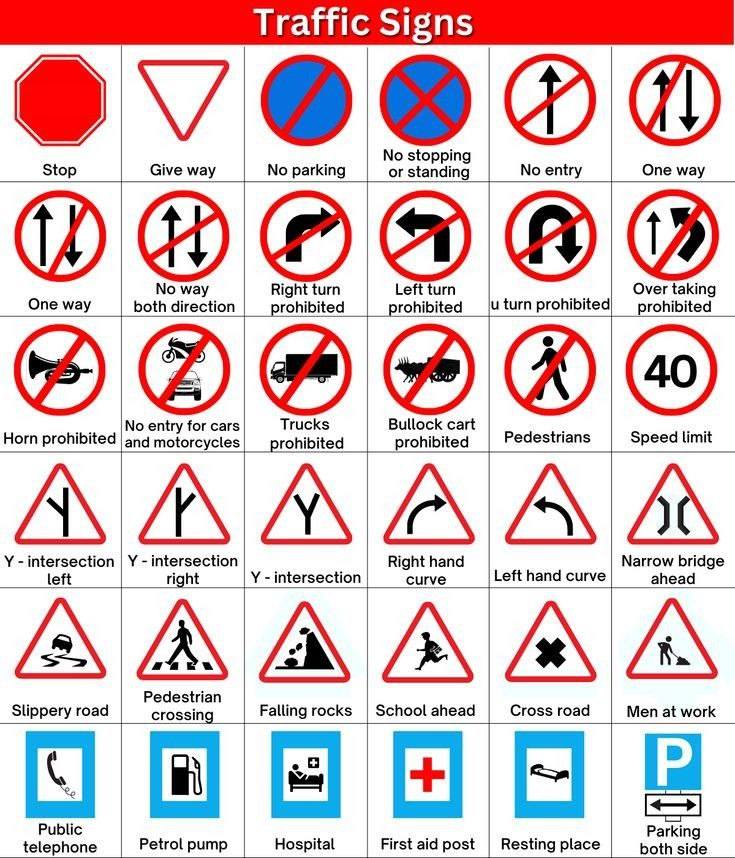
Typography: The Voice of the Brand
Typeface selection is crucial. A bold, sans-serif font suggests modernity, strength, and simplicity, while an elegant serif font might convey tradition, sophistication, and trustworthiness. Script fonts often evoke creativity or a personalized touch. The readability of the chosen font, its size, and spacing also communicate care and professionalism. Illegible or poorly chosen fonts can convey carelessness or an inability to communicate effectively, undermining the brand’s credibility. The typography in signage essentially becomes the brand’s visual “voice,” influencing how its message is heard.
Materiality and Craftsmanship
The materials used for signage speak volumes about a brand’s quality standards and values. Polished metal or etched glass suggests luxury and durability. Reclaimed wood or chalkboard signs might indicate a rustic, artisanal, or environmentally conscious brand. Neon lights convey a vintage, lively, or retro vibe. The craftsmanship evident in the sign’s construction—its finish, precision, and condition—further communicates attention to detail or lack thereof, directly reflecting on the brand’s commitment to quality in all aspects of its operations. The physical presence of the signage itself adds a layer of meaning.
Placement and Contextual Relevance
Where a sign is placed and the context in which it appears are also critical to its meaning. A prominent sign outside a building conveys presence and authority. An interactive digital sign within a retail space suggests innovation and engagement. A subtle, elegant plaque in a historic building reflects respect for tradition. Incorrect placement—such as a sign obscured by foliage or placed in an illogical sequence—can dilute its meaning or render it ineffective, leading to confusion and frustration, which ultimately reflects poorly on the brand’s ability to communicate.
From Brand Awareness to Customer Action
Ultimately, the meaning of signage culminates in its ability to drive tangible outcomes for a brand. Effective signage translates into enhanced brand awareness, increased customer engagement, and ultimately, greater conversions and loyalty.
Driving Foot Traffic and Sales
Well-designed and strategically placed signage is a direct driver of foot traffic and sales. An eye-catching storefront sign piques curiosity and encourages passersby to enter. Promotional signs highlight offers, inspiring impulse purchases. Clear directional signage within a store guides customers to specific products, reducing abandoned shopping carts due to confusion. The meaning here is transactional: the signage leads directly to economic benefit by facilitating customer decision-making and purchasing.
Building Trust and Loyalty
Consistent, professional, and informative signage contributes significantly to building customer trust. When a brand’s physical presence aligns with its digital persona and its stated values, it creates a cohesive and trustworthy image. Clear return policies, service guarantees, or safety instructions displayed via signage reassure customers and demonstrate transparency. This consistency and clarity foster a sense of reliability, which is foundational for long-term customer loyalty. The signage means that the brand is dependable and stands by its word.
Evolving Narratives: Signage in a Hybrid World
The meaning of signage continues to evolve in a world increasingly blending physical and digital experiences. Modern signage embraces technology, offering interactive, dynamic, and personalized narratives that deepen brand engagement.
The Rise of Digital and Interactive Signage
Digital signage, from LED screens to interactive touch displays, allows brands to convey dynamic content, update messages in real-time, and engage customers with rich media experiences. An interactive kiosk in a retail store might allow customers to browse product catalogs, check stock, or sign up for loyalty programs. In a corporate lobby, it might display company news, social media feeds, or welcome messages. This shift from static to dynamic content adds new layers of meaning, suggesting innovation, responsiveness, and a desire for deeper customer interaction. The signage is no longer just presenting information; it’s inviting participation.
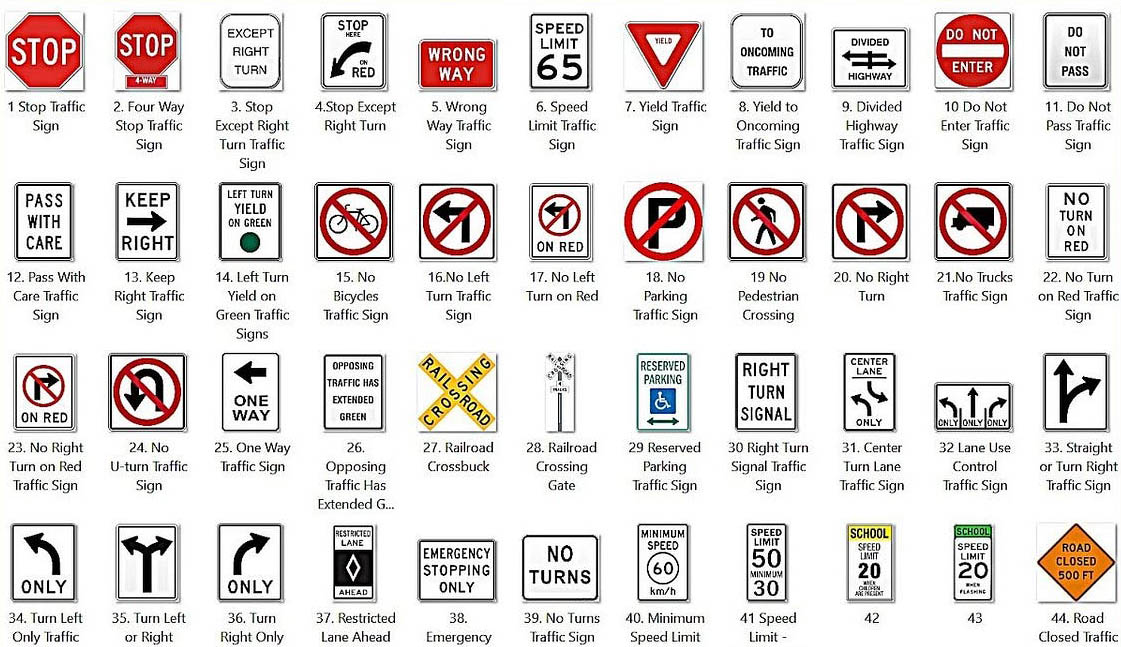
Seamless Integration with Online Experiences
The most effective modern signage often bridges the gap between the physical and digital realms. QR codes on physical signs can direct customers to websites for more information, special offers, or social media pages. Augmented reality (AR) experiences can turn a static sign into an interactive gateway to product demonstrations or virtual try-ons. This integrated approach ensures that the meaning of the signage extends beyond the immediate physical context, creating a continuous and cohesive brand experience across all channels. It means the brand is forward-thinking, connected, and committed to a comprehensive customer journey.
In conclusion, “what does the signage mean” is a multifaceted question with profound implications for brand success. It means everything from defining identity and guiding the customer journey to driving sales and building loyalty. By understanding the strategic intent behind every visual cue, brands can harness the silent power of signage to tell their story, differentiate themselves, and forge meaningful connections in an ever-evolving marketplace.
aViewFromTheCave is a participant in the Amazon Services LLC Associates Program, an affiliate advertising program designed to provide a means for sites to earn advertising fees by advertising and linking to Amazon.com. Amazon, the Amazon logo, AmazonSupply, and the AmazonSupply logo are trademarks of Amazon.com, Inc. or its affiliates. As an Amazon Associate we earn affiliate commissions from qualifying purchases.