
The concept of resurrection, a profound promise of life beyond death, has captivated human imagination for millennia. While its most widely recognized origins stem from religious texts, particularly the Bible, modern technological advancements are prompting new discussions about what it means to overcome mortality. From digital preservation to mind-uploading aspirations, contemporary technology offers a parallel, albeit vastly different, exploration into extending existence. Understanding the biblical perspective on resurrection can provide a crucial philosophical and ethical framework against which to examine these cutting-edge tech trends.

The Enduring Concept of Resurrection in Biblical Thought
At its core, the Bible presents resurrection not merely as resuscitation, but as a transformative act of God. It’s a central tenet, particularly in Christianity, promising a future state of being that transcends earthly decay. The Old Testament hints at this hope, while the New Testament explicitly develops it, culminating in the resurrection of Jesus Christ as the definitive proof and promise for believers. This biblical narrative sets a unique precedent for understanding life beyond physical death.
Spiritual vs. Physical Revival
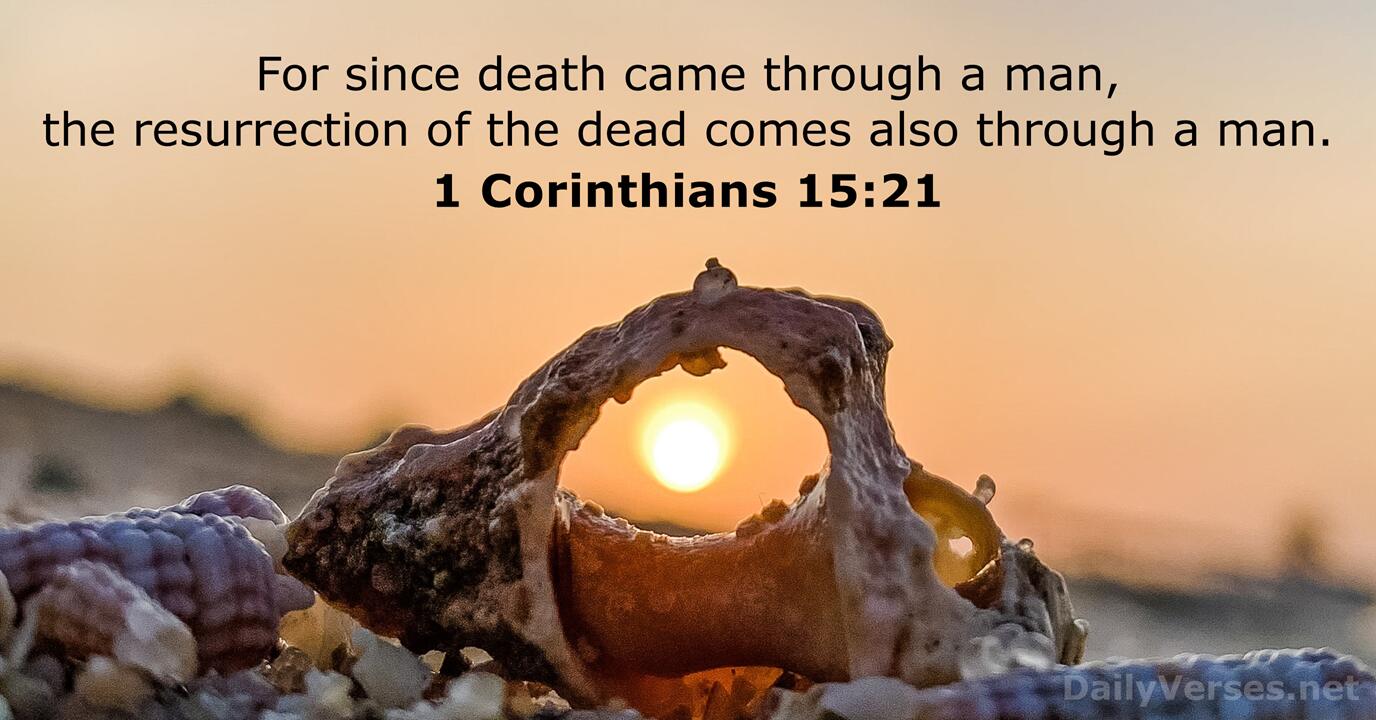
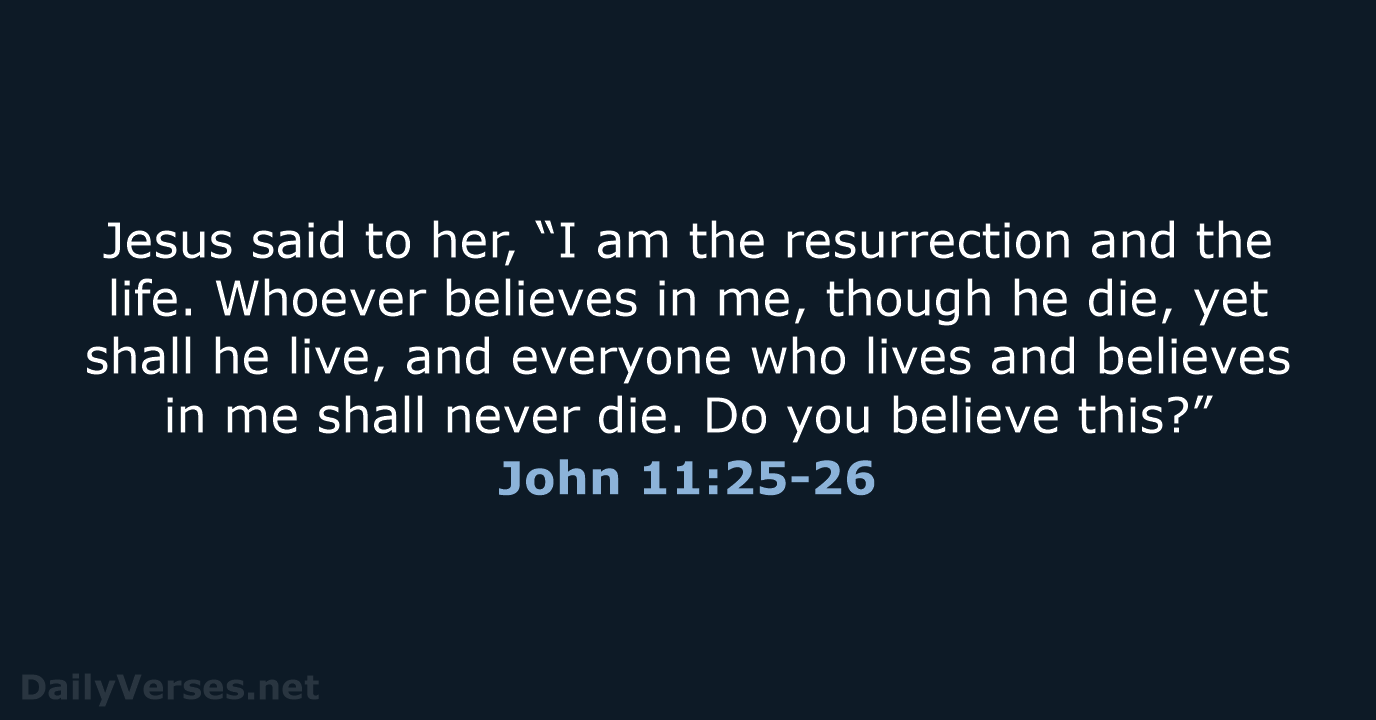
Biblical resurrection is primarily understood as a physical event, not merely a spiritual one. While the concept of a soul continuing after death exists, the Bible emphasizes the eventual reuniting of body and spirit. Passages like Job 19:26-27 speak of a bodily revival: “And after my skin has been thus destroyed, yet in my flesh I shall see God.” The New Testament further solidifies this, particularly with Paul’s discourse in 1 Corinthians 15, describing a “spiritual body” that is distinct from the earthly body yet recognizably physical and eternal. This is a critical distinction from mere spiritual immortality or the preservation of consciousness in a non-physical form.
The Promise of a New Body
Central to biblical resurrection is the idea of a transformed, glorified body. It’s not a mere reanimation of the old, decaying flesh, but a renewal. This resurrected body is depicted as imperishable, glorious, powerful, and spiritual (1 Corinthians 15:42-44). It is capable of existing in a perfected state, free from the limitations and corruption of the current physical form. This transformation implies a divine intervention, a re-creation rather than a mere restoration, ensuring continuity of identity within a new, perfected physical existence. This divine act contrasts sharply with technological aspirations that often focus on preserving the current self or replicating it.
Technology’s Ascent: Redefining Immortality in the Digital Age
While biblical resurrection is rooted in faith and divine power, humanity’s innate desire to overcome death has found new avenues in the 21st century. Technological trends are rapidly pushing the boundaries of what’s possible, proposing forms of “immortality” that rely on data, algorithms, and biological engineering. These efforts, though distinct, share a common goal: to extend, transform, or simulate human existence beyond traditional biological limits.
The Rise of Digital Immortality and Mind Uploading
One of the most radical technological trends is the pursuit of “digital immortality” or “mind uploading.” This concept involves scanning and mapping the human brain’s neural connections and cognitive patterns, then uploading this data to a digital substrate, such as a powerful computer or a cloud network. Proponents envision a future where an individual’s consciousness, memories, and personality could persist indefinitely in a digital form, capable of interacting with the world through virtual environments or robotic avatars. Projects exploring advanced neural interfaces, brain-computer integration, and sophisticated AI algorithms are laying the groundwork for such ambitious undertakings, challenging traditional notions of what constitutes life and consciousness.
AI Tools and the Preservation of Legacy
Beyond full mind uploading, AI tools are already enabling forms of digital legacy preservation. Conversational AI, trained on an individual’s digital footprint – emails, social media posts, voice recordings, and videos – can create “digital echoes” or “AI personas” that mimic their communication style and knowledge. These AI models can interact with loved ones, answer questions, and even generate new content in the deceased person’s style. While not claiming to transfer consciousness, these tools offer a sophisticated way to extend an individual’s influence and presence long after their physical death, providing a form of digital continuity that borders on a digital “resurrection” of personality and memory.
The Intersection of Theology and Transhumanism
The stark contrast between biblical resurrection and technological immortality raises profound philosophical and ethical questions. Both seek to overcome death, but their underlying assumptions about human nature, identity, and the very definition of existence diverge significantly.
Different Definitions of “Life” and “Identity”
The Bible defines life as a holistic integration of spirit, soul, and body, divinely bestowed and intricately connected. Identity is tied to this divinely created unity and is ultimately preserved through God’s transformative power. In contrast, digital immortality often reduces identity to information, to patterns of neural activity that can be copied or simulated. This raises questions: Is a digital copy truly “you,” or merely a sophisticated replication? Does consciousness reside solely in data, or does it require a biological substrate, or even something more transcendent? The biblical view emphasizes a personal, bodily continuity established by a creator, while technological solutions grapple with the inherent challenges of replicating subjective experience.
Ethical Dilemmas in Digital Resurrection
The pursuit of digital immortality brings forth a host of ethical dilemmas that parallel, yet distinctively differ from, theological considerations of the afterlife. Questions surrounding data ownership, privacy, and the consent of the deceased become paramount. Who controls a digital echo? What are the implications for social structures if a select few can achieve a form of indefinite digital existence? Furthermore, the potential for digital “ghosts” or fragmented consciousnesses, perpetually trapped in simulated environments, introduces new forms of suffering and existential angst. The biblical promise of resurrection, while mysterious, offers a complete, perfected state, free from such potential digital torments.
Securing the Digital Self: Data Preservation and Future Access
For any form of digital immortality or legacy to be viable, robust digital security and data preservation strategies are paramount. The permanence envisioned by mind-uploading or AI personas stands in direct opposition to the inherent fragility and impermanence of digital data without careful management.
The Impermanence of Data and the Quest for Digital Longevity
Unlike the biblical promise of an eternal body, digital data is vulnerable to degradation, obsolescence, and loss. Hard drives fail, file formats become outdated, and cloud services can cease to exist. The quest for digital longevity, therefore, involves developing extremely resilient data storage solutions, self-repairing networks, and format-agnostic archival systems. Technologies like blockchain, with its decentralized and immutable ledger, are being explored for securing critical digital assets and ensuring their long-term accessibility, creating a distributed “digital vault” for future “selves.”
Cybersecurity Challenges for Digital Legacies
If an individual’s entire consciousness or a sophisticated AI persona is stored digitally, it becomes a prime target for cyber threats. Hacking, data corruption, identity theft, and malicious manipulation could have profound implications, not just for privacy but for the very existence and integrity of the “digital self.” Advanced encryption, multi-factor authentication, and robust intrusion detection systems become essential safeguards. The challenge is to create digital environments that are not only accessible but also impervious to threats, ensuring that any form of digital resurrection or legacy is both permanent and secure, mirroring the biblical promise of an incorruptible and eternal existence, albeit through vastly different means.
aViewFromTheCave is a participant in the Amazon Services LLC Associates Program, an affiliate advertising program designed to provide a means for sites to earn advertising fees by advertising and linking to Amazon.com. Amazon, the Amazon logo, AmazonSupply, and the AmazonSupply logo are trademarks of Amazon.com, Inc. or its affiliates. As an Amazon Associate we earn affiliate commissions from qualifying purchases.