
In the competitive arenas of sports, business, and even daily interactions, the concept of sportsmanship often surfaces as a guiding principle. While its definition might seem straightforward—fair play, respect for opponents, and graciousness in victory or defeat—its implications for brand building, reputation management, and long-term success are profound and often underestimated. For an individual, a team, a league, or a corporate sponsor, sportsmanship isn’t merely a polite convention; it is a fundamental pillar upon which a robust and respected brand is constructed and sustained.
The Foundation of Brand Reputation: Beyond the Scoreboard
A brand, at its core, is a promise of value, an identity forged through consistent actions and perceptions. In this context, sportsmanship transcends mere rules of engagement; it defines the very character of that brand. It’s the silent ambassador that speaks volumes about integrity, discipline, and ethical commitment, regardless of the outcome of any single contest.
Defining Sportsmanship in a Branded Context
Sportsmanship, when viewed through a branding lens, represents the outward manifestation of an entity’s core values. It encompasses not just adherence to rules but also the spirit in which competition is undertaken. This includes showing respect for opponents, officials, and fans; demonstrating humility in victory and dignity in defeat; and prioritizing fair play over aggressive, unethical tactics. For a brand, these behaviors are not optional add-ons but essential components that build trust, loyalty, and a positive public image. A brand that consistently exhibits sportsmanship signals reliability, ethical conduct, and a commitment to higher principles, all of which resonate deeply with stakeholders.
From Individual Athletes to Corporate Sponsors: A Unified Standard
The principles of sportsmanship apply universally across the spectrum of the sports ecosystem, each level contributing to the overarching brand narrative. An individual athlete’s personal brand is inextricably linked to their conduct both on and off the field. A team’s collective brand identity is shaped by its members’ interactions and adherence to ethical standards. Leagues, as overarching entities, set the tone for competition, and their brand health is tied directly to the perception of fair play and integrity within their sport. Even corporate sponsors, who align their own brands with sports properties, implicitly endorse the values of sportsmanship. When a sponsored athlete or team acts unsportingly, it can tarnish the sponsor’s brand by association, highlighting the interconnectedness of brand reputations within the sporting world.
The Intangible Value of Fair Play
While wins and losses are quantifiable, the value of sportsmanship is often intangible yet deeply impactful. It cultivates goodwill, fosters admiration, and establishes a reputation for integrity that money cannot buy. This intangible value translates into tangible benefits over time: increased fan loyalty, greater media favorability, enhanced appeal to sponsors, and a stronger foundation for navigating crises. A brand known for its sportsmanship projects an image of stability and reliability, making it more resilient in the face of challenges and more appealing in the long run.
Building a Resilient Personal Brand Through Ethical Competition
For athletes, coaches, or even sports commentators, their personal brand is a critical asset. It’s what attracts endorsements, opportunities, and the lasting respect of a fan base. Sportsmanship is the bedrock of a robust and enduring personal brand in the competitive landscape.
The Athlete as a Walking, Talking Brand
Every athlete is a brand unto themselves, a public figure whose actions are constantly scrutinized. Their performance on the field is just one dimension; their conduct—how they interact with competitors, react to calls, and behave under pressure—forms the narrative of their personal brand. An athlete known for exceptional sportsmanship often garners admiration that transcends team loyalties. They become role models, embodying values that resonate beyond the sport itself, creating a powerful and positive image that can open doors to endorsements, media careers, and philanthropic opportunities long after their playing days are over.
Navigating Victory and Defeat with Grace
True sportsmanship shines brightest in moments of extreme emotion: the euphoria of victory and the sting of defeat. A gracious winner acknowledges the opponent’s effort, avoids excessive celebration, and shows respect. A dignified loser refrains from blaming, offers congratulations, and maintains composure. These actions are not just polite gestures; they are strategic brand statements. They demonstrate maturity, resilience, and a commitment to higher principles, reinforcing a positive personal brand image that endears the athlete to fans, media, and potential partners. Conversely, poor behavior in these moments can instantly damage a painstakingly built reputation.
Long-Term Legacy vs. Short-Term Gains
The choice between winning at all costs and competing with integrity often defines an athlete’s legacy. While unsportsmanlike conduct might offer a momentary competitive edge or grab headlines, it rarely contributes to a positive long-term brand. Athletes who prioritize integrity and sportsmanship over fleeting advantages often build more enduring and respected careers. Their legacy becomes not just about statistics and championships, but about character, influence, and the positive impact they had on their sport and society, demonstrating a powerful return on investment for their personal brand.
Team and Organizational Identity: Sportsmanship as a Core Value
Beyond individual athletes, sportsmanship profoundly shapes the brand identity of entire teams, clubs, and sports organizations. It dictates how they are perceived by fans, media, and potential recruits, directly impacting their commercial viability and cultural influence.
Cultivating a Culture of Respect and Integrity
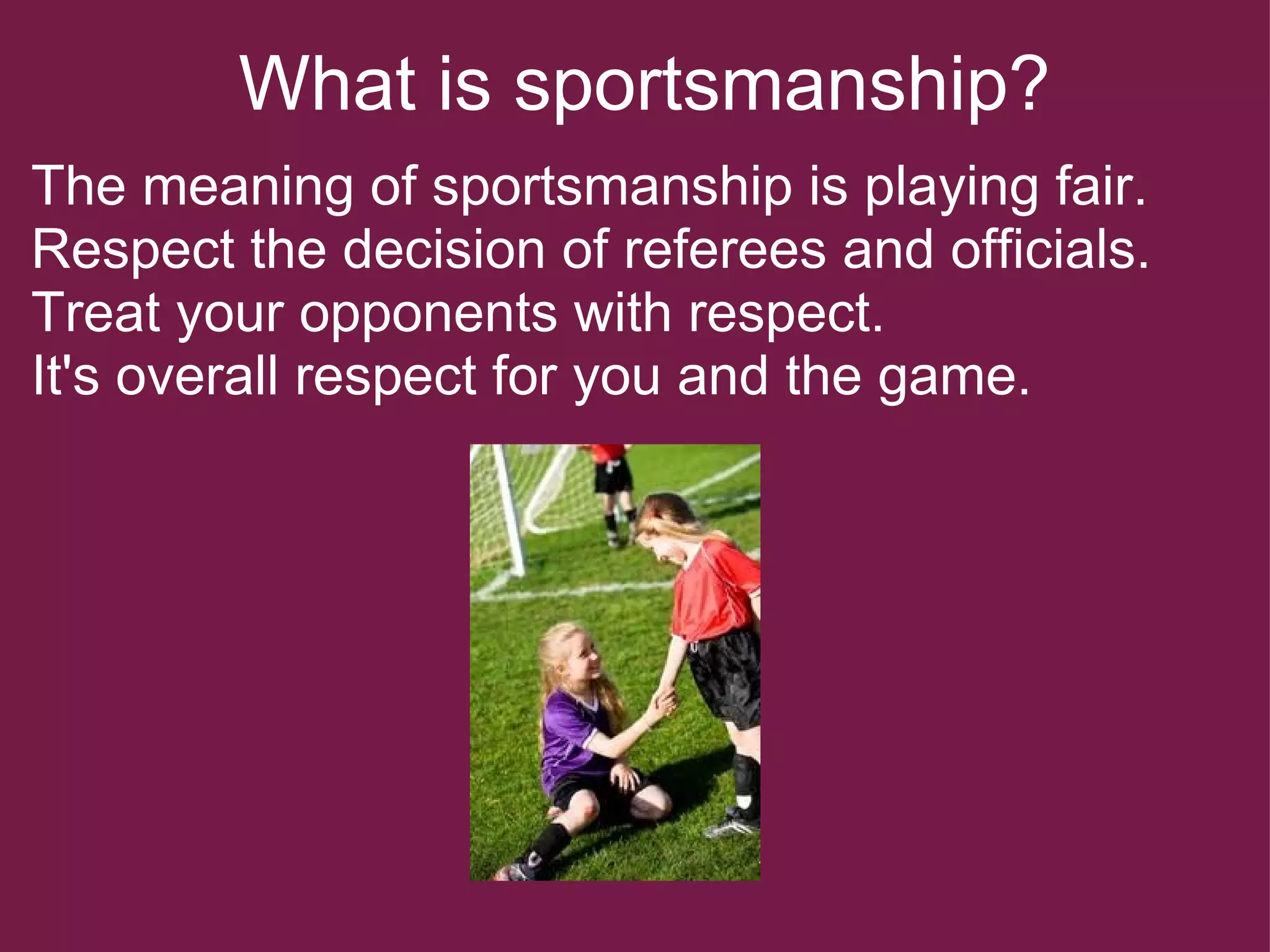
A team’s brand is a reflection of its collective values. When sportsmanship is instilled as a core value from the top down—from leadership to coaching staff to players—it permeates the entire organization’s culture. This creates an environment where respect for opponents, officials, and the game itself is paramount. Such a culture not only fosters internal cohesion and discipline but also projects an image of professionalism and integrity to the outside world. This attracts a higher caliber of talent, builds a loyal and passionate fan base, and garners positive media attention, all of which strengthen the team’s brand equity.
Attracting and Retaining Top Talent (and Fans)
Just as athletes seek teams with winning traditions, they also seek organizations with strong ethical cultures. A team known for its sportsmanship can become a preferred destination for talent, as players want to be part of an organization that values fair play and respect. Similarly, fans are drawn to teams that not only perform well but also represent values they can admire. A positive team brand built on sportsmanship fosters deeper emotional connections with fans, leading to increased merchandise sales, ticket revenue, and overall engagement. This loyalty is far more resilient than interest based solely on wins and losses.
Crisis Management: When Sportsmanship Fails
In an era of intense scrutiny and instant communication, a team’s brand is constantly vulnerable to missteps. When instances of unsportsmanlike conduct occur, a strong foundation of established sportsmanship can be crucial for crisis management. Teams with a consistent history of ethical behavior are better positioned to weather isolated incidents, provided they address them transparently and decisively. However, if unsportsmanlike conduct is perceived as systemic or reflective of the team’s core identity, it can lead to severe brand damage, loss of sponsorships, and alienation of fans, taking years to rebuild trust.
Corporate Sponsorship and League Branding: The Commercial Impact
For corporate entities looking to align themselves with the power and passion of sports, and for the leagues that govern them, sportsmanship is not merely an ethical consideration but a significant commercial factor. It directly influences brand alignment, fan engagement, and ultimately, revenue.
Aligning Values: Why Sponsors Care About Sportsmanship
Corporate sponsors invest millions to associate their brands with successful sports properties. This alignment is not just about visibility; it’s about connecting with the values that sports embody. Companies want to be seen as champions of fair play, dedication, and healthy competition. When a league, team, or athlete demonstrates strong sportsmanship, it creates a powerful synergy with the sponsor’s brand image, reinforcing positive perceptions and enhancing brand equity for both parties. Conversely, an unsportsmanlike environment can create a reputational risk, forcing sponsors to reconsider their partnerships to protect their own brand integrity.
Enhancing League Credibility and Fan Engagement
A league’s brand credibility is heavily reliant on the perception of fair and honest competition. Sportsmanship among its teams and players ensures that the integrity of the game remains paramount, which is essential for attracting and retaining a global audience. When fans trust that the game is played fairly, their engagement deepens, leading to higher viewership, attendance, and merchandise sales. Leagues that actively promote and enforce sportsmanship strengthen their overall brand, making them more attractive to broadcasters, advertisers, and new markets. This commitment to integrity becomes a unique selling proposition in a crowded entertainment landscape.
The Bottom Line: Protecting Brand Equity and Revenue
Ultimately, sportsmanship has a direct impact on the bottom line. A positive brand reputation built on fair play attracts more fans, more sponsors, and higher media rights valuations. It reduces the risk of negative publicity and provides a buffer against controversies. Protecting sportsmanship is, therefore, a strategic business imperative for any sports organization or affiliated corporate brand. It’s an investment in long-term brand equity, ensuring sustained revenue streams and market leadership in a highly competitive industry.
Digital Age and Brand Transparency: Sportsmanship Under the Microscope
In today’s hyper-connected world, every action, every reaction, and every display of sportsmanship (or lack thereof) is amplified across digital platforms, making brand transparency an undeniable reality.
Social Media: Amplifying Good and Bad Behavior
Social media platforms have become instantaneous tribunals for public opinion. A moment of exceptional sportsmanship can go viral, enhancing an athlete or team’s brand globally overnight. Similarly, a single act of unsportsmanlike conduct can be endlessly replayed, dissected, and condemned, causing rapid and widespread brand damage. This digital amplification means that sportsmanship is no longer confined to the playing field; it’s a constant performance under the glare of millions of smartphones, making consistent ethical behavior more critical than ever for brand management.
The Global Audience: Every Action is Documented
With global viewership and user-generated content, there are virtually no hidden corners in the world of sports. Every interaction, every sideline comment, and every post-game handshake is documented and distributed. This unprecedented level of transparency means that a brand’s commitment to sportsmanship must be authentic and consistent across all contexts. There is no room for hypocrisy; what a brand preaches must be reflected in its actions, as any discrepancy will be swiftly exposed by a vigilant global audience, directly impacting brand trust and authenticity.

Proactive Brand Storytelling Through Sportsmanship
In this transparent environment, brands have an opportunity to proactively tell their story through sportsmanship. By actively highlighting acts of fair play, promoting athletes who embody ethical conduct, and sharing initiatives that foster respect and integrity, sports organizations can shape their narrative. This proactive storytelling builds a positive brand image, differentiates them from competitors, and creates a deeper, more meaningful connection with their audience. Sportsmanship becomes a powerful tool for brand communication, demonstrating genuine commitment to values that resonate with consumers worldwide.
aViewFromTheCave is a participant in the Amazon Services LLC Associates Program, an affiliate advertising program designed to provide a means for sites to earn advertising fees by advertising and linking to Amazon.com. Amazon, the Amazon logo, AmazonSupply, and the AmazonSupply logo are trademarks of Amazon.com, Inc. or its affiliates. As an Amazon Associate we earn affiliate commissions from qualifying purchases.