
In the intricate world of branding and corporate identity, consistency is not merely a desirable trait—it is the bedrock upon which trust, recognition, and loyalty are built. The acronym SOP, standing for Standard Operating Procedure, is a foundational concept that, while often associated with manufacturing or logistics, holds profound significance for effective brand management. Far from being rigid bureaucratic formalities, SOPs are dynamic blueprints that guide an organization’s actions, ensuring every touchpoint, communication, and interaction aligns with its overarching brand strategy. For brands seeking to cultivate a powerful and unified presence, understanding and diligently implementing SOPs is not just beneficial; it is absolutely essential.

The Imperative of SOPs in Brand Management
The modern brand operates in a highly competitive and interconnected landscape where perceptions are formed rapidly and often across multiple channels. Without clear guidelines, the risk of fragmentation, miscommunication, and a diluted brand message becomes substantial. This is where SOPs step in as an indispensable tool.
Defining SOPs in a Branding Context
At its core, a Standard Operating Procedure is a set of step-by-step instructions compiled by an organization to help workers carry out routine operations. In the context of branding, SOPs detail the prescribed methods for activities that directly or indirectly influence how a brand is perceived. This includes everything from the tone of voice in marketing copy and the precise usage of a logo to the protocol for responding to customer inquiries or handling a public relations crisis. They transform abstract brand guidelines into actionable processes, ensuring that brand ideals are consistently translated into tangible outcomes.
Why Brand Consistency Relies on SOPs
Brand consistency is the unwavering uniformity of a brand’s message, visual identity, and customer experience across all platforms and interactions. It fosters familiarity, reinforces brand values, and builds credibility. Without SOPs, consistency is left to individual interpretation, leading to potential discrepancies that erode consumer trust and confuse target audiences. For instance, if different departments use varying brand colors or fonts, or if sales representatives communicate conflicting messages about product features, the brand appears disorganized and unreliable. SOPs eliminate this ambiguity, providing a singular, approved method for brand-related tasks, thus guaranteeing a cohesive and unified brand experience no matter where or how a customer engages.
How SOPs Fortify Corporate Identity and Marketing Efforts
SOPs are powerful mechanisms for embedding corporate identity and enhancing the effectiveness of marketing initiatives. They ensure that the brand’s essence is communicated accurately and compellingly at every opportunity.
Standardizing Brand Voice and Messaging
The brand voice is the personality and emotion infused into all written communications. Messaging refers to the core ideas and value propositions a brand wants to convey. SOPs provide specific instructions on how to maintain a consistent brand voice across all written materials, from website copy and social media posts to email campaigns and press releases. They might include guidelines on word choice, sentence structure, acceptable jargon, and even emotional tenor. For marketing teams, this means SOPs can dictate the approval process for campaign slogans, ensure adherence to legal disclaimers, and standardize the calls to action (CTAs), leading to clearer, more impactful, and legally sound communications. This standardization prevents off-brand messaging that could alienate target audiences or misrepresent the brand’s promise.
Streamlining Content Creation and Distribution
Content is king, and its consistent creation and strategic distribution are vital for brand visibility and engagement. SOPs can detail the entire content lifecycle: from topic ideation and research to drafting, editing, SEO optimization, and final publication across various platforms. They can specify the required formats for different channels (e.g., blog posts, infographics, videos), define approval workflows, and even dictate posting schedules and amplification strategies. By streamlining these processes, SOPs reduce bottlenecks, improve efficiency, and ensure that all published content reflects the brand’s quality standards and strategic objectives, reaching the right audience at the right time with the right message.
Ensuring Visual Identity Adherence
A brand’s visual identity—its logo, color palette, typography, imagery, and overall design aesthetic—is often the first point of contact and a powerful tool for recognition. SOPs are critical for maintaining visual consistency. They can outline precise usage guidelines for logos across different media, specify approved color codes (Pantone, CMYK, RGB, Hex), dictate font families and sizes for various applications, and even provide photographic style guides. For design and marketing teams, these SOPs serve as an indispensable reference, preventing the misapplication or distortion of visual assets. This meticulous attention to detail ensures that whether a customer encounters the brand on a billboard, a mobile app, or a product package, the visual experience is consistently on-brand, reinforcing recognition and professionalism.
SOPs for Enhanced Customer Experience and Reputation
Beyond internal efficiencies, SOPs play a pivotal role in shaping external perceptions by governing customer interactions and crisis management, directly impacting a brand’s reputation and customer loyalty.
Guiding Customer Service Interactions
Customer service is a direct extension of a brand’s promise and values. SOPs for customer service define how interactions should be handled, from initial contact to resolution. This can include scripts for common inquiries, protocols for escalating complex issues, guidelines for tone of voice (e.g., empathetic, professional, proactive), and procedures for capturing feedback. By standardizing these interactions, brands ensure that every customer receives a consistent, high-quality, and on-brand experience, regardless of the agent or channel. This consistency builds trust, enhances customer satisfaction, and fosters loyalty, turning customers into brand advocates.
Managing Brand Crises and Communications
In an era of instant communication, a brand crisis can erupt quickly and spread virally. SOPs are essential for proactive and reactive crisis management. They define clear roles and responsibilities within a crisis communication team, outline pre-approved messaging and holding statements, establish protocols for monitoring social media and news, and detail the steps for engaging with affected stakeholders. Having these procedures in place ensures a swift, coordinated, and on-brand response, minimizing reputational damage and demonstrating accountability. Without SOPs, a brand’s response to a crisis can appear disorganized, inconsistent, or tone-deaf, further eroding public trust.
Implementing and Maintaining Effective Brand SOPs
Developing and deploying effective SOPs is an ongoing process that requires strategic planning, clear communication, and continuous refinement.
Developing Clear and Actionable Procedures
Effective SOPs are clear, concise, and easy to follow. They should break down complex tasks into logical, manageable steps and ideally incorporate visual aids like flowcharts or screenshots where helpful. Each SOP should clearly state its purpose, scope, and the roles responsible for its execution. It is crucial to involve the individuals who perform the tasks in the creation process, as their practical insights can lead to more realistic and effective procedures. Furthermore, SOPs should be written in accessible language, avoiding jargon where possible, to ensure universal understanding across all relevant teams.
Training and Adoption Across Teams
SOPs are only effective if they are understood and consistently applied. This necessitates comprehensive training programs for all employees who will interact with the procedures. Training should go beyond simply reading the document; it should involve practical demonstrations, interactive sessions, and opportunities for questions and feedback. Moreover, fostering a culture where adherence to SOPs is valued and seen as integral to brand success is key. Leadership must champion their importance, ensuring that they are not perceived as restrictive but rather as tools that empower employees to perform their roles effectively and contribute to a unified brand identity.
Continuous Review and Optimization
The branding landscape, consumer expectations, and technological tools are constantly evolving. Therefore, SOPs cannot be static documents. They must be regularly reviewed and updated to remain relevant, efficient, and aligned with current brand strategies. This involves setting a schedule for periodic reviews, gathering feedback from users, analyzing performance metrics related to brand consistency, and adapting procedures as new technologies emerge or market dynamics shift. A continuous improvement loop ensures that brand SOPs remain living documents that actively support the brand’s ongoing success.
The Tangible Benefits of Robust Brand SOPs
The strategic implementation of SOPs translates into a multitude of tangible benefits that directly impact a brand’s health and longevity.
Increased Efficiency and Reduced Errors
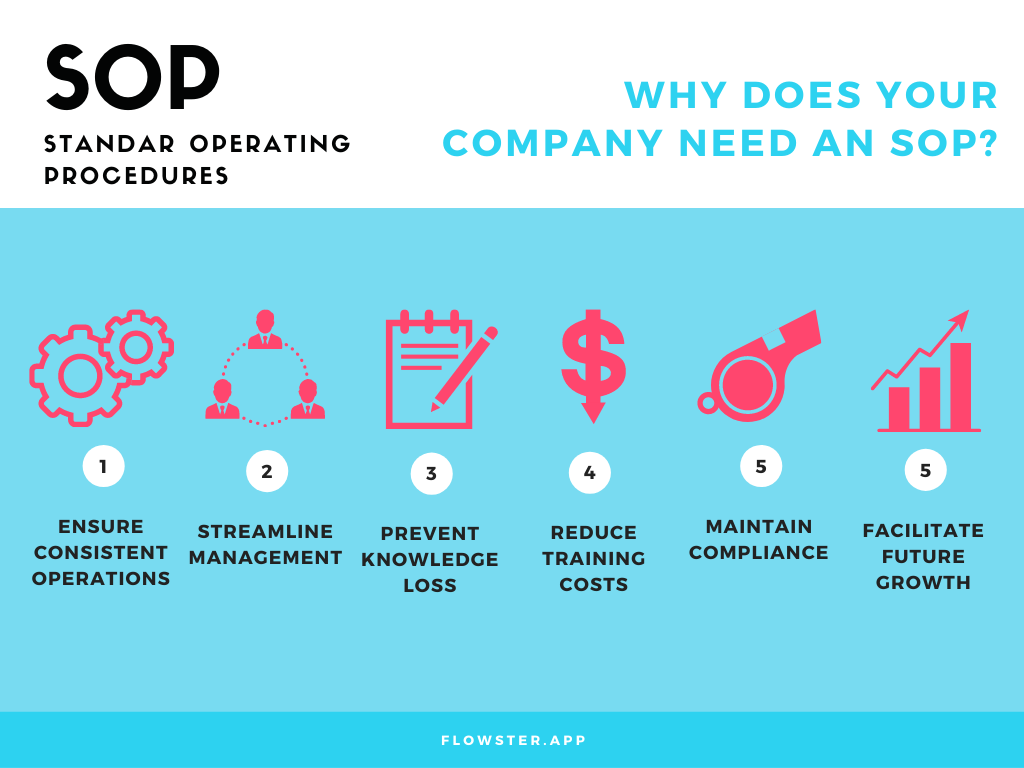
By providing clear instructions, SOPs eliminate guesswork, reduce the time spent on decision-making, and streamline workflows. This leads to increased operational efficiency, allowing teams to accomplish more with fewer resources. Furthermore, by standardizing processes, SOPs significantly reduce the likelihood of human error, ensuring a higher quality of output across all brand-related activities, from marketing collateral production to customer service delivery.
Stronger Market Position and Trust
Consistent branding, supported by robust SOPs, builds a strong, recognizable, and trustworthy identity in the marketplace. When customers consistently experience the same quality, message, and visual aesthetic, it reinforces the brand’s promise and distinguishes it from competitors. This consistency cultivates trust and credibility, which are invaluable assets that translate into greater customer loyalty, positive word-of-mouth, and a stronger competitive advantage.

Scalability and Growth Facilitation
As a brand grows and expands into new markets, new products, or new digital channels, maintaining consistency becomes increasingly challenging. SOPs provide the essential framework for scalability. They allow new employees to quickly understand and adopt brand standards, facilitate the replication of successful marketing campaigns, and ensure that the brand’s core identity remains intact despite organizational growth. With well-defined SOPs, a brand can grow strategically and sustainably, reinforcing its market presence rather than diluting it.
In conclusion, Standard Operating Procedures are far more than mere administrative tools; they are strategic assets for any organization committed to building and maintaining a strong, consistent, and reputable brand. By systematizing everything from visual identity to customer engagement, SOPs ensure that every action taken reinforces the brand’s promise, builds trust, and paves the way for sustained success in an ever-evolving market.
aViewFromTheCave is a participant in the Amazon Services LLC Associates Program, an affiliate advertising program designed to provide a means for sites to earn advertising fees by advertising and linking to Amazon.com. Amazon, the Amazon logo, AmazonSupply, and the AmazonSupply logo are trademarks of Amazon.com, Inc. or its affiliates. As an Amazon Associate we earn affiliate commissions from qualifying purchases.