
In the dynamic realms of branding and marketing, the term “productions” transcends its simple dictionary definition of “the act of producing.” Here, it encapsulates the intricate, multi-faceted process of transforming abstract brand strategies and marketing objectives into tangible, compelling, and often emotive realities. Far from being a mere logistical step, productions in this context are the very crucible where brand identity is forged, communicated, and experienced by an audience. It involves the meticulous creation, development, and execution of every piece of content, every campaign, every event, and every asset that carries a brand’s message and visual signature.
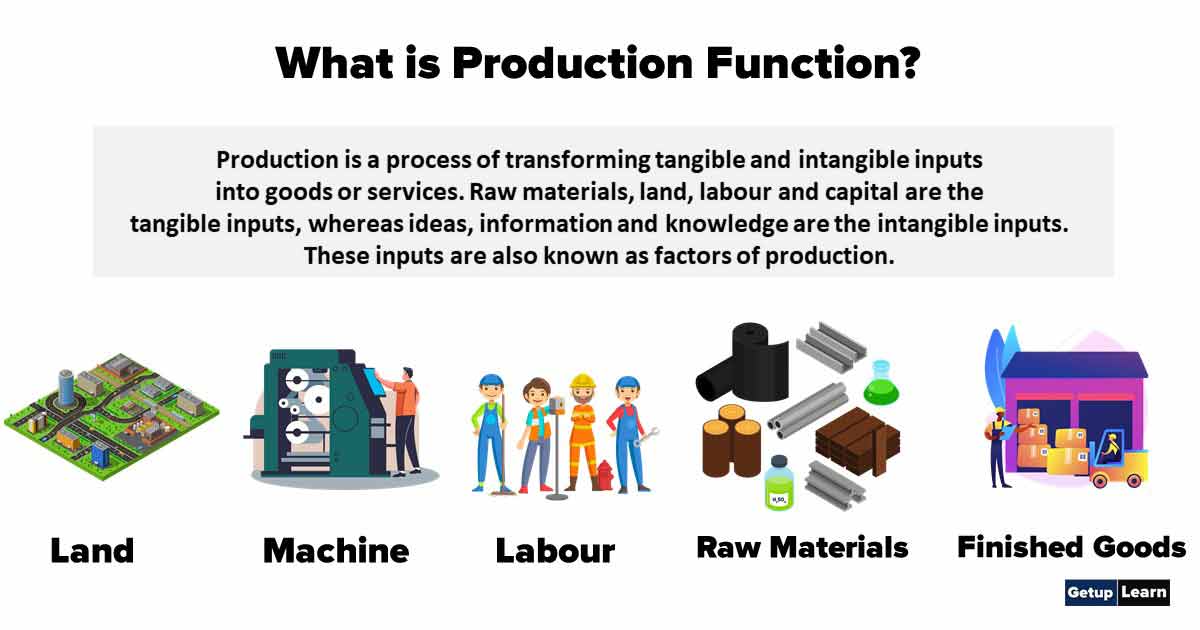
This concept is fundamental because a brand, however well-conceived in theory, only comes alive through its productions. These are the touchpoints that shape perception, build recognition, foster trust, and ultimately drive engagement and loyalty. From a high-budget commercial to a perfectly crafted social media post, each “production” is an opportunity to reinforce core brand values and connect with consumers on a deeper level.
The Essence of Brand Production: Beyond the Raw Idea
At its core, brand production is about manifesting an idea. A brand strategy might articulate a desire to be seen as innovative, trustworthy, or luxurious. The production phase is where these abstract qualities are translated into concrete forms: a sleek product design, a reassuring customer service script, a visually stunning advertisement, or an exclusive event experience. It’s the bridge between strategic intent and market impact.
This process is inherently creative and technical, demanding a blend of artistic vision, strategic foresight, and operational precision. It involves an ecosystem of talent, including designers, copywriters, filmmakers, event planners, digital artists, and project managers, all orchestrated to deliver a cohesive brand narrative. The quality of these productions directly correlates with the perceived quality and credibility of the brand itself. Poorly executed productions can undermine even the most brilliant brand strategy, whereas exceptional ones can elevate a nascent brand to prominence.
Key Arenas of Brand-Centric Productions
The scope of brand productions is vast, touching almost every point of interaction a consumer might have with a company. Understanding these distinct arenas is crucial for a holistic branding approach.
Content Production: Storytelling at Scale
Content production is arguably the most pervasive form of brand production today. It encompasses the creation of blog posts, articles, infographics, podcasts, e-books, whitepapers, social media updates, and more. The objective is to inform, entertain, educate, or inspire the target audience, all while subtly reinforcing brand messaging and expertise. Effective content production isn’t just about churning out material; it’s about strategic storytelling that resonates with the audience, addressing their needs and interests, and positioning the brand as a valuable resource or thought leader. This often involves extensive research, creative ideation, writing, editing, graphic design, and optimization for various platforms.
Event Production: Immersive Brand Experiences
Events, whether virtual or physical, offer brands a unique opportunity for immersive engagement. Event production involves meticulously planning, designing, and executing conferences, product launches, experiential marketing activations, trade shows, webinars, and workshops. This arena requires significant logistical prowess, creative flair for staging and ambience, and a deep understanding of how to craft an experience that embodies the brand’s essence. A successful event production can create memorable connections, generate buzz, facilitate networking, and solidify a brand’s presence within its industry or community. The sensory elements—visuals, sounds, tastes, and interactive opportunities—are all carefully curated to align with the brand’s identity and message.
Advertising Production: Crafting Persuasive Narratives
Advertising production is perhaps what many instinctively think of when they hear “productions” in a marketing context. This involves the creation of commercials (TV, radio, digital video), print ads, banner ads, out-of-home advertising, and sponsored content. It’s a highly specialized field demanding creative directors, copywriters, art directors, cinematographers, editors, and sound engineers, among others. The goal is to produce compelling narratives and visuals that capture attention, convey a persuasive message, and incite action. The execution quality—from casting and location scouting to post-production and special effects—is paramount, as these productions are often the most visible and widely distributed representations of a brand.
Digital Asset Production: The Online Brand Manifestation
In the digital age, the production of digital assets is non-negotiable for any brand. This includes website design and development, app interfaces, email templates, landing pages, digital banners, animated graphics, and interactive elements. Each digital asset must be functional, aesthetically pleasing, user-friendly, and consistently reflect the brand’s visual identity and tone of voice. This requires collaboration between UI/UX designers, web developers, graphic artists, and content strategists to ensure a seamless and engaging online brand experience across various devices and platforms. The efficiency, accessibility, and visual appeal of these productions significantly impact online brand perception and user engagement.
The Strategic Imperative of Quality Productions

Investing in high-quality productions is not merely an expense; it is a strategic imperative that directly influences a brand’s success and longevity.
Consistency and Cohesion: The Brand’s Visual Language
Every production is a building block in the overall brand edifice. Consistency across all productions—in terms of visual style, tone of voice, messaging, and quality—is crucial for establishing a cohesive and recognizable brand identity. Inconsistent productions can confuse consumers, dilute brand recall, and erode trust. Quality productions ensure that the brand’s visual language and core narrative are faithfully communicated, creating a unified and professional impression that reinforces brand values over time. This meticulous attention to detail forms the bedrock of a strong corporate identity.
Emotional Connection: The Power of Narrative and Experience
Exceptional productions go beyond mere information dissemination; they evoke emotions and create memorable experiences. A well-produced video commercial can make an audience laugh or cry. An expertly orchestrated event can foster a sense of belonging. Engaging content can inspire action or spark meaningful conversations. By tapping into emotions, productions can forge deeper connections with the target audience, transforming passive consumers into active advocates and loyal customers. This emotional resonance is a powerful differentiator in crowded markets.
Measuring Impact: Beyond the Creative Output
While the creative output is central, the success of brand productions is ultimately measured by their impact on business objectives. This includes metrics such as brand awareness, engagement rates, lead generation, website traffic, conversion rates, and ultimately, return on investment (ROI). Quality productions are designed with these measurable outcomes in mind, integrating analytics and feedback mechanisms to continually optimize future efforts. The ability to link production quality to tangible business results underscores its strategic importance.
Navigating the Production Process: From Concept to Consumer
The journey of a brand production from an initial concept to its final consumption is often complex, involving multiple stages and stakeholders.
Collaboration Across Disciplines
Successful brand productions are rarely the work of a single department. They demand seamless collaboration between marketing strategists, creative teams, designers, copywriters, legal advisors, IT specialists, and external agencies. Effective communication, clear project management, and a shared understanding of the brand’s vision are essential to align these diverse skill sets and ensure that the final output is cohesive and on-brand. Silos can lead to fragmented messaging and inconsistent brand experiences.
Budgeting and Resource Allocation
Producing high-quality brand assets and campaigns requires significant financial and human resources. Careful budgeting, resource allocation, and project scheduling are critical to ensure that productions are delivered on time, within budget, and to the desired quality standards. This involves understanding the costs associated with talent, technology, intellectual property, distribution, and contingency planning. Strategic decisions must be made about where to invest resources for maximum brand impact.
Adapting to Evolving Platforms and Technologies
The landscape of marketing and communication is constantly evolving, driven by new technologies and platforms. Brand productions must be adaptable, embracing innovations such as virtual reality, augmented reality, interactive content, AI-driven personalization, and new social media formats. Staying abreast of these trends and integrating them strategically into the production process allows brands to remain relevant, engage audiences in novel ways, and unlock new creative possibilities. This also includes optimizing productions for different devices and channels to ensure consistent experiences.
The Future of Brand Productions: Innovation and Authenticity
Looking ahead, the role of productions in branding will only intensify, driven by consumer demand for authenticity, personalization, and immersive experiences. The future will likely see even greater integration of technology, with AI assisting in content creation, data analytics guiding creative decisions, and interactive platforms enabling deeper user engagement.
Brands will increasingly focus on producing experiences that are co-created with their audience, fostering a sense of community and ownership. User-generated content, influencer collaborations, and live interactive events will become even more central. The emphasis will shift from simply broadcasting messages to facilitating genuine dialogues and creating participatory brand journeys. Ultimately, the meaning of “productions” in branding will continue to revolve around the art and science of bringing a brand to life in ways that are not only aesthetically compelling but also deeply resonant and strategically impactful.
aViewFromTheCave is a participant in the Amazon Services LLC Associates Program, an affiliate advertising program designed to provide a means for sites to earn advertising fees by advertising and linking to Amazon.com. Amazon, the Amazon logo, AmazonSupply, and the AmazonSupply logo are trademarks of Amazon.com, Inc. or its affiliates. As an Amazon Associate we earn affiliate commissions from qualifying purchases.