
While the term “open relationship” primarily refers to the relational structure and emotional agreements between partners, its implications extend significantly into the realm of personal finance. For individuals navigating or considering an open relationship, understanding these financial dimensions is crucial for stability, equity, and long-term security. It’s not merely about emotional boundaries, but also about how resources are managed, shared, and planned for within a non-traditional partnership framework.
Redefining Partnership: Financial Foundations in Non-Traditional Unions
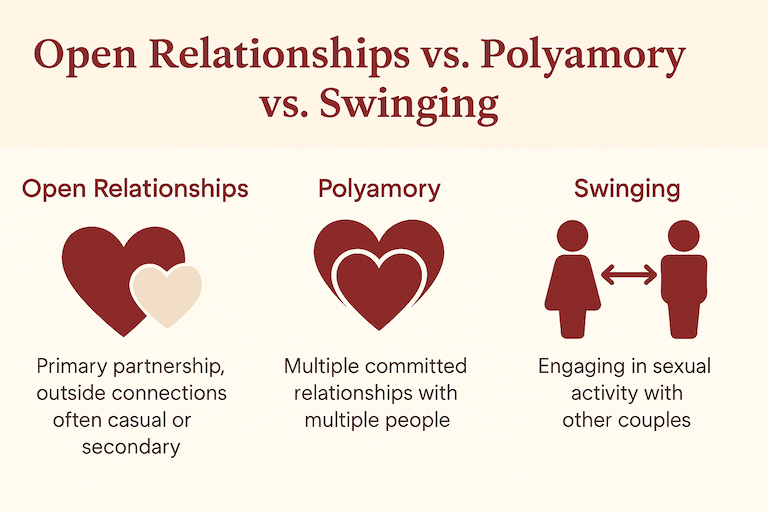
An open relationship, by definition, involves partners agreeing that they can have romantic or sexual connections with other people outside their primary relationship. This umbrella term encompasses various forms, including polyamory, swinging, and ethical non-monogamy, each with its own set of rules, boundaries, and, importantly, financial considerations.
Beyond Monogamy: Understanding Financial Structures
In a traditional monogamous relationship, financial planning often centers around a dyadic model: two partners merging or coordinating their finances towards shared goals. This can involve joint bank accounts, shared mortgages, pooled investments, and combined debt management. The legal framework surrounding marriage often provides defaults for asset division, spousal support, and inheritance.
However, in an open relationship, these assumptions are often challenged. The financial model can become more complex due to the presence of multiple emotional and potentially physical connections, which may or may not involve financial entanglement. Partners in open relationships may choose to maintain highly independent finances, pool resources with a primary partner, or even navigate shared financial responsibilities across multiple individuals. The lack of a uniform legal framework for non-monogamous relationships means that financial agreements, expectations, and protections must be explicitly established and clearly communicated.
The Spectrum of Open Relationships and Their Monetary Impact
The specific structure of an open relationship significantly influences its financial landscape:
- Hierarchical Polyamory: Often involves a “primary” relationship with more significant commitments (e.g., shared home, joint finances, children) and “secondary” or “tertiary” relationships with lesser degrees of entanglement. Financially, this often means the primary relationship maintains a more traditional joint financial structure, while other relationships might involve separate finances with individual budgeting for dates, gifts, or travel.
- Non-Hierarchical Polyamory: All significant relationships are treated with equal importance, though not necessarily equal entanglement. This model often leans towards greater financial independence for individuals, with contributions to shared expenses (like housing or utilities if cohabiting with multiple partners) being meticulously negotiated.
- Swinging/Casual Openness: Typically focuses on sexual encounters outside the primary relationship without deep emotional or romantic entanglement. Financially, this usually has the least direct impact, with individuals maintaining their primary relationship’s financial structure and individually budgeting for activities related to their external connections.
Regardless of the specific structure, the underlying principle is that financial arrangements need to be deliberate and transparent, moving away from assumptions often present in monogamous, legally recognized partnerships.
Navigating Shared and Separate Financial Realities
One of the core challenges and opportunities in open relationships lies in managing both shared and separate financial realities. This requires a proactive approach to budgeting, asset management, debt, and future planning.
Budgeting for Multiple Connections
In an open relationship, budgeting extends beyond the needs and desires of a single couple. Individuals must consider:
- Discretionary Spending: Dates, gifts, travel, and activities with multiple partners can significantly increase discretionary spending. It’s essential to establish clear personal budgets for these expenses to avoid overspending or creating financial strain on a primary partnership.
- Time and Resource Allocation: While not purely financial, the allocation of time and emotional energy can indirectly impact finances. If one partner consistently spends more on external relationships, it could lead to an imbalance in contributions to shared household expenses or mutual savings goals.
- Transparency with Primary Partner(s): While not all details of external relationships need to be shared, transparency regarding the financial impact of those relationships is vital. This prevents surprises, resentment, and ensures that shared financial goals are not inadvertently undermined. For instance, if one partner’s dating activities consistently drain their individual savings, impacting their ability to contribute to a shared down payment fund, it needs to be discussed.
Asset Division and Estate Planning Considerations
In traditional marriages, legal frameworks often dictate asset division upon separation or death. For open relationships, particularly those involving cohabitation without legal marriage or those with multiple long-term partners, these protections are absent.
- Asset Ownership: It’s critical to clearly define ownership of significant assets, such as homes, vehicles, or large investments, especially if multiple partners contribute financially. Joint tenancy agreements, deeds of trust, or clear partnership agreements are advisable.
- Estate Planning: Without legal recognition, partners in open relationships often lack automatic inheritance rights. Wills, trusts, and designated beneficiaries for life insurance and retirement accounts become indispensable tools. Each individual must explicitly state their wishes regarding assets and care for dependents, ensuring that all partners are considered according to the agreed-upon structure.
- Power of Attorney: Establishing medical and financial powers of attorney ensures that chosen partners can make decisions on behalf of an incapacitated individual, regardless of legal marriage status.
Debt Management in Complex Relationship Structures
Debt, whether individual or shared, can become a significant point of contention if not managed transparently.
- Individual Debt: Partners in open relationships generally maintain individual responsibility for their own debt. However, if one partner’s individual debt significantly impacts their ability to contribute to shared expenses or savings goals, it warrants open discussion.
- Shared Debt: For a primary partnership, managing shared debt (mortgages, car loans) operates similarly to monogamous relationships. The key is to ensure that the existence of external relationships does not create a financial burden that prevents effective debt reduction within the primary unit.
- Debt with Multiple Partners: In rarer cases, where multiple partners cohabitate and share significant financial responsibilities, establishing clear agreements for shared debt repayment and liability is paramount. This could involve formalizing agreements to protect all parties in case of separation or default.

Strategic Financial Planning for Open Relationships
Effective financial planning in open relationships moves beyond simple budgeting; it encompasses robust communication, legal foresight, and a clear vision for individual and collective futures.
Communication as Currency: Financial Transparency
Open relationships thrive on communication, and nowhere is this more critical than in finance. Regular, honest conversations about money are non-negotiable.
- Setting Expectations: From the outset, partners should discuss their financial philosophies, individual financial goals, and how they envision their shared financial future (if applicable). This includes conversations about saving, spending habits, debt, and the financial impact of external relationships.
- Regular Check-ins: Just as relationship boundaries evolve, so too do financial circumstances. Scheduled financial check-ins allow partners to review budgets, assess progress towards goals, and address any emerging financial concerns stemming from their lifestyle or external connections.
- Defining “Shared” vs. “Separate”: Explicitly defining which expenses are shared (e.g., household bills, major investments) and which remain separate (e.g., individual dating budgets, personal splurges) prevents ambiguity and potential conflict.
Legal and Pre-nuptial Style Agreements
Given the absence of standard legal protections for most open relationship structures, creating explicit agreements is a powerful tool for financial security.
- Cohabitation Agreements: For partners living together but not married, a cohabitation agreement (sometimes called a “living together agreement”) can outline financial responsibilities, property ownership, and how assets would be divided if the relationship ends. This is particularly important if more than two individuals are sharing a residence and contributing financially.
- Relationship Contracts/Agreements: Beyond cohabitation, partners can create comprehensive agreements that detail financial contributions to shared goals, management of joint accounts, expectations around gifts, and even provisions for financial support in certain scenarios, similar in spirit to a prenuptial agreement but tailored for non-traditional relationships. While not always legally binding in the same way as marriage contracts, they provide clear documentation of intent and can be persuasive in court.
- Consulting Legal Professionals: Engaging with an attorney specializing in family law or contract law is highly recommended. They can help draft agreements that are clear, comprehensive, and legally sound, offering protection for all parties involved.
Investing in Your Future, Independently and Collectively
Financial planning in an open relationship involves balancing individual financial autonomy with any shared goals.
- Individual Retirement and Savings: Each partner should prioritize their individual retirement savings (401k, IRA) and personal emergency funds. This ensures financial independence and security regardless of the evolution of any relationship.
- Shared Investment Goals: For primary partnerships, setting joint investment goals (e.g., for a home, children’s education, early retirement) should align with the agreed-upon financial structure. The impact of external relationships on the ability to contribute to these shared goals must be part of the ongoing financial dialogue.
- Future Planning for Unexpected Events: Discussing how unforeseen events (job loss, illness, disability) would impact all relationships and financial responsibilities is vital. This includes evaluating insurance needs (life, disability, health) and ensuring beneficiaries are correctly assigned to reflect current wishes.
The “Cost” of Lifestyle: Practical Financial Implications
Beyond the strategic planning, the day-to-day realities of an open relationship can have tangible financial implications that require mindful management.
Housing and Living Arrangements
The complexity of housing increases with open relationships, especially if multiple partners cohabitate or if individuals maintain separate residences while deeply connected.
- Shared Living Expenses: If multiple partners live together, clear agreements on rent/mortgage, utilities, groceries, and household maintenance are essential. This could involve proportional contributions based on income or agreed-upon equal shares.
- Maintaining Separate Households: For those who maintain individual residences while in an open relationship, the financial overhead is higher than for a cohabiting couple. Budgeting for two sets of housing costs needs to be a conscious decision.
- Future Housing Plans: Discussions about future housing – whether buying a home with a primary partner, or even considering a multi-partner household – need to incorporate complex financial modeling and legal considerations.
Travel, Dates, and Gifts: Managing Discretionary Spending
The social aspect of open relationships often involves increased discretionary spending.
- Individual Dating Budgets: Establishing a personal budget specifically for dates, entertainment, and gifts with external partners is crucial. This prevents overspending that could impact shared financial goals or create resentment within a primary partnership.
- Fairness and Equity: While not every financial transaction needs to be perfectly equal, partners should discuss and agree upon what feels fair regarding spending on internal versus external relationships. For instance, if one partner is consistently spending significantly more on external connections than on the primary relationship, it could create an imbalance.
- Travel Costs: Travel, whether for dates or shared vacations with multiple partners, can add up quickly. Planning and budgeting for these expenses well in advance are key.

Emergency Funds and Financial Safety Nets
In any relationship structure, robust emergency funds are vital. In open relationships, particularly where legal protections are less defined, having personal financial safety nets is even more critical. Each individual should strive for a strong personal emergency fund, regardless of shared financial arrangements, to provide security and autonomy. Furthermore, if a primary partnership pools resources for an emergency fund, all partners should understand the parameters for its use and replenishment.
Ultimately, entering or maintaining an open relationship means embracing a level of intentionality and communication that extends deeply into financial matters. By proactively addressing budgeting, asset management, debt, legal agreements, and future planning, individuals and their partners can build financially resilient and equitable relationships that support their chosen lifestyle.
aViewFromTheCave is a participant in the Amazon Services LLC Associates Program, an affiliate advertising program designed to provide a means for sites to earn advertising fees by advertising and linking to Amazon.com. Amazon, the Amazon logo, AmazonSupply, and the AmazonSupply logo are trademarks of Amazon.com, Inc. or its affiliates. As an Amazon Associate we earn affiliate commissions from qualifying purchases.