
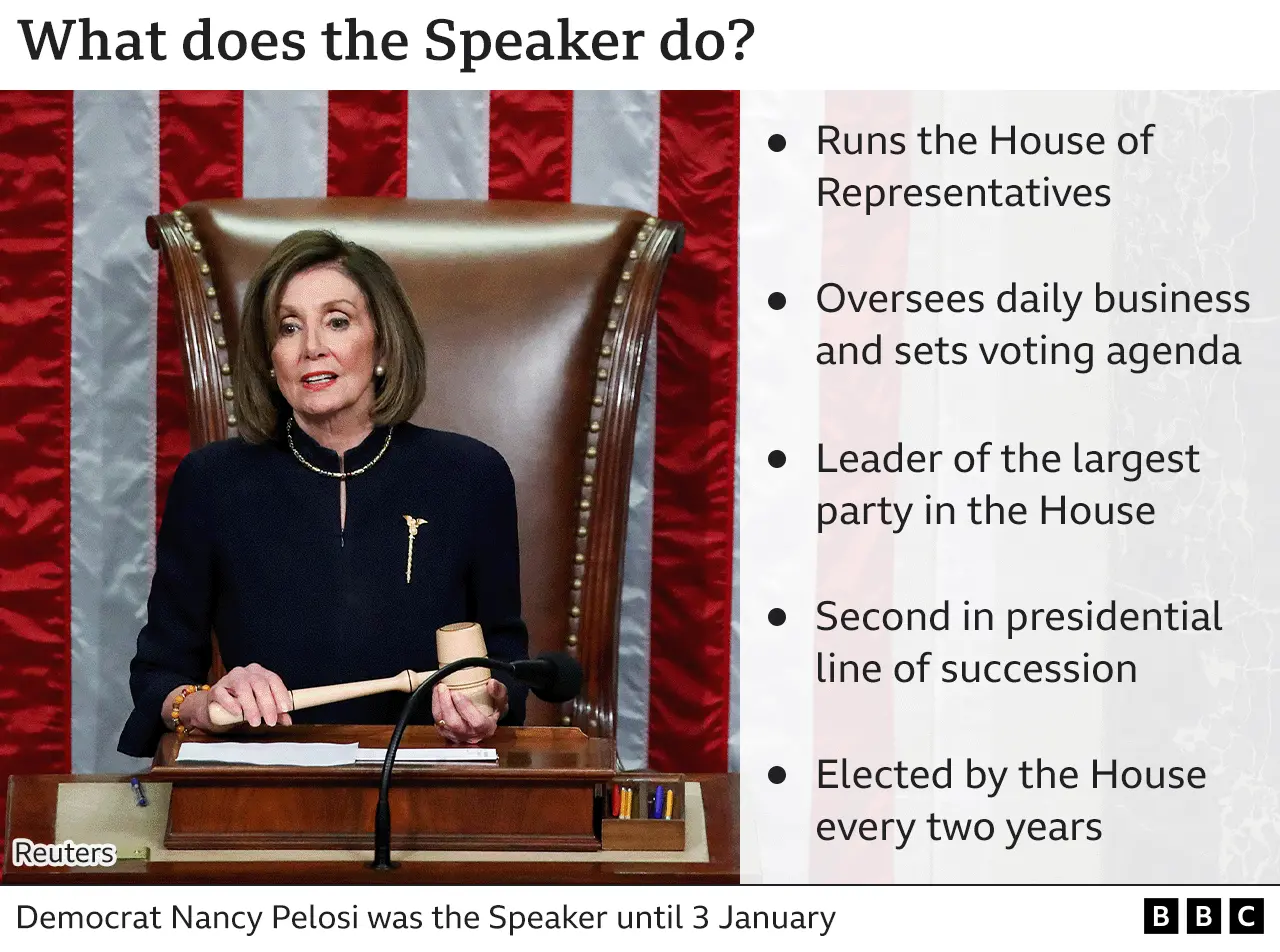
The Speaker of the House of Representatives holds a position of profound influence, often considered the second most powerful elected official in the United States, after the President. While the role is multifaceted, encompassing parliamentary leadership and political strategy, a critical, yet often underappreciated, dimension of the Speaker’s duties lies in their profound impact on the nation’s financial landscape. Far from being a mere procedural figurehead, the Speaker is a central architect of fiscal policy, a key influencer of economic trends, and a pivotal player in shaping the financial well-being of every American household and business. Their decisions directly guide the flow of trillions of dollars, impacting everything from individual tax burdens and investment opportunities to national debt and global economic stability.
Guiding the Nation’s Purse Strings: The Speaker’s Fiscal Power
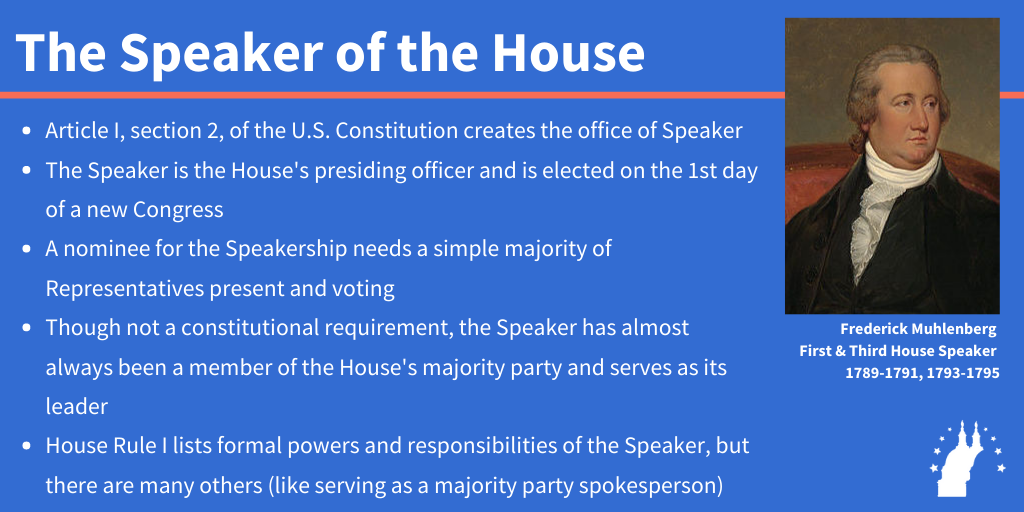
At the heart of the Speaker’s financial influence is their control over the legislative agenda and, by extension, the nation’s budget. The U.S. Constitution mandates that all revenue bills originate in the House, positioning the Speaker at the forefront of all financial legislation. This authority transforms the Speaker into a chief financial officer for the legislative branch, making critical decisions about how the nation earns and spends its money.
Setting the Legislative Agenda and Budget Priorities
The Speaker dictates which bills are brought to the House floor for debate and vote, a power that directly shapes the nation’s financial priorities. This includes critical appropriations bills, which allocate federal funds across myriad government agencies and programs. The Speaker, in collaboration with committee chairs, influences decisions on vast sums designated for healthcare initiatives, defense expenditures, infrastructure projects, scientific research, and social welfare programs. These choices are not abstract; they determine where taxpayer money is invested, which sectors of the economy receive direct or indirect stimulus, and what public services are funded.
For instance, prioritizing a large-scale infrastructure bill can funnel billions into construction, manufacturing, and related industries, creating jobs and stimulating local economies. Conversely, decisions to cut funding in certain areas can lead to reduced government services, job losses, and economic contraction in affected regions or sectors. The Speaker’s strategic vision for the federal budget effectively serves as the nation’s annual investment strategy, with long-term financial consequences for economic growth, innovation, and public welfare. The intense negotiations over budget resolutions and reconciliation processes, overseen by the Speaker, often lead to high-stakes political showdowns, including potential government shutdowns, which carry tangible financial costs in lost wages for federal workers, economic uncertainty for businesses, and negative impacts on financial markets.
Steering Taxation and Revenue Policies
Perhaps one of the most direct and impactful financial powers of the Speaker is their significant influence over tax policy. Given the constitutional requirement for revenue bills to originate in the House, the Speaker, working closely with the House Ways and Means Committee, guides the legislative process for all tax reforms, adjustments to tax rates, and new revenue generation strategies.
Changes in the corporate tax rate, for example, directly affect the profitability of businesses, their decisions on investment, expansion, and job creation. Reductions can free up capital for reinvestment or shareholder returns, while increases can lead to budget shortfalls or shifts in corporate strategy. Similarly, adjustments to individual income tax policies directly impact household disposable income, consumer spending patterns, and personal savings rates. Capital gains taxes influence investment behavior in the stock market and real estate. The Speaker’s philosophical approach to taxation—whether favoring broad tax cuts, progressive taxation, or targeted incentives—can fundamentally reshape wealth distribution, economic incentives, and the overall economic structure of the country. Their leadership is pivotal in debating and enacting laws that determine how much money the government collects and from whom, thereby influencing the financial landscape for every citizen and corporation.
Economic Stewardship and Financial Market Influence
Beyond direct control of the budget and tax code, the Speaker’s actions and public pronouncements resonate deeply within financial markets and contribute significantly to the overall economic sentiment. Their leadership during periods of economic debate can either instill confidence or trigger uncertainty among investors and consumers.
Impact on National Debt and Fiscal Health
The Speaker’s decisions regarding government spending and revenue collection directly influence the national debt. While the President proposes a budget, Congress, under the Speaker’s direction, ultimately authorizes the borrowing necessary to cover any deficits. This includes critical votes on raising the debt ceiling, a legislative limit on the amount of national debt the U.S. Treasury can incur.
Debates over the debt ceiling, often led by the Speaker and their party, can create considerable financial instability. Protracted negotiations and the risk of default can unnerve global investors, potentially leading to higher interest rates on U.S. Treasury bonds. This, in turn, can ripple through the economy, driving up interest rates for mortgages, credit cards, and business loans, thereby increasing the cost of borrowing for everyone. A higher national debt can also crowd out private investment, as government borrowing competes for available capital. The Speaker’s stance on fiscal discipline—advocating for spending cuts, tax increases, or strategic investments—sets the tone for the nation’s long-term financial health and the burden placed on future generations. Their leadership is instrumental in managing this critical aspect of national finance.
Shaping Business and Investment Environments
The legislative agenda championed by the Speaker encompasses a wide array of policies that directly create the operational framework for businesses and guide investment decisions. This includes bills related to trade, financial regulation, environmental policy, and industry-specific subsidies.
For instance, a Speaker’s push for deregulation in sectors like energy or finance might be seen as favorable to business, attracting investment through reduced compliance costs and increased profit margins, albeit sometimes with heightened risks. Conversely, the enactment of new regulations, perhaps driven by a Speaker focused on consumer protection or environmental sustainability, can increase operating costs for businesses but may also foster long-term stability, new market opportunities in green technologies, or improved public trust. Trade agreements, often vigorously championed or opposed by the Speaker, have a direct bearing on import and export businesses, global supply chains, and consumer prices for goods and services. The Speaker’s influence on these policy fronts directly defines the national “business climate,” determining how attractive the U.S. is for domestic and foreign investment, and shaping the competitive landscape for industries across the country.
Crisis Management and Economic Stability
In moments of national economic crisis, the Speaker of the House ascends to an even more critical role, becoming a central figure in crafting legislative responses designed to stabilize financial markets, protect livelihoods, and restore public and investor confidence.
Responding to Financial Shocks
When facing severe economic downturns or unforeseen financial crises—such as the 2008 financial crisis or the COVID-19 pandemic—the Speaker is instrumental in negotiating and guiding the passage of emergency economic relief packages. These legislative interventions often involve massive injections of federal funds.
Examples include the authorization of direct stimulus payments to households, expanded unemployment benefits, emergency loans for small businesses (like the Paycheck Protection Program), and targeted industry bailouts. These measures, championed and guided through Congress by the Speaker, are designed to prevent deeper economic collapse, mitigate job losses, and support household incomes and business viability during periods of extreme duress. The speed, scope, and strategic focus of these legislative actions have immediate and profound financial consequences, determining the trajectory of economic recovery and the resilience of the nation’s financial infrastructure. The Speaker’s ability to forge consensus and navigate complex legislative processes under pressure is vital for safeguarding the financial stability of the country during crises.
Overseeing Government Spending and Accountability
The House of Representatives, under the Speaker’s leadership, holds a crucial oversight function over federal agencies and programs to ensure that taxpayer money is spent efficiently, effectively, and ethically. This involves initiating committee investigations, conducting audits, and demanding accountability for financial stewardship across the executive branch.
This oversight function is critical for preventing waste, fraud, and abuse of federal funds. For instance, committees can investigate mismanagement of large government contracts, expose inefficiencies in extensive federal projects, or scrutinize the financial health and operational practices of federal entities. By holding agencies accountable for their financial decisions and expenditures, the Speaker’s influence helps to safeguard public funds and maintain financial integrity within government operations. This reinforces trust among taxpayers and investors that the nation’s financial resources are being managed responsibly, which is fundamental to long-term economic stability and public confidence in governmental institutions.
The Speaker as a Global Economic Diplomat
While primarily focused on domestic policy, the Speaker also plays a significant, albeit often indirect, role on the international stage, influencing global economic relations and affirming the U.S. position within the world financial order.
Shaping International Trade and Investment Policy
The Speaker’s influence extends to international trade agreements and foreign investment policies. Major trade deals, for example, require congressional approval, and the Speaker’s support or opposition can often be the decisive factor in their passage or failure. These policies have a direct impact on American businesses’ access to foreign markets, the competitiveness of domestic industries, and consumer prices for a wide range of goods.
Furthermore, policies concerning foreign investment can influence job creation, technological transfer, and capital flows into and out of the U.S. The Speaker’s engagement with foreign dignitaries, legislative counterparts, and international economic bodies can also impact strategic economic partnerships and geopolitical stability, all of which carry significant financial ramifications for American businesses and the national economy. A Speaker advocating for protectionist measures, for example, could trigger retaliatory tariffs that harm U.S. exporters, while one championing free trade could open new markets, benefiting specific industries.

Upholding U.S. Financial Credibility Abroad
The stability and predictability of U.S. fiscal policy, which is heavily influenced by the Speaker, are paramount for maintaining the dollar’s status as the world’s reserve currency and the U.S. as a reliable global economic partner. When the U.S. demonstrates fiscal discipline, effectively manages its national debt, and navigates economic challenges through well-considered legislative actions, it reinforces international confidence.
This confidence translates into stable bond yields, continued foreign direct investment, and a strong U.S. dollar, which benefits American consumers and businesses through lower import costs and stable capital markets. Conversely, political gridlock, fiscal brinkmanship (especially concerning the debt ceiling), or unpredictable policy shifts, often orchestrated or significantly influenced by the Speaker, can sow doubt among international investors and trading partners. Such instability can lead to increased borrowing costs for the U.S. government, a weakening of the dollar, and a potential erosion of America’s financial standing on the global stage, with worldwide financial ripple effects that impact economies far beyond its borders. The Speaker’s leadership is therefore critical not only for domestic financial health but also for upholding the U.S.’s pivotal role in the global financial system.
aViewFromTheCave is a participant in the Amazon Services LLC Associates Program, an affiliate advertising program designed to provide a means for sites to earn advertising fees by advertising and linking to Amazon.com. Amazon, the Amazon logo, AmazonSupply, and the AmazonSupply logo are trademarks of Amazon.com, Inc. or its affiliates. As an Amazon Associate we earn affiliate commissions from qualifying purchases.