
In the rapidly evolving landscape of modern healthcare, technology serves as an indispensable backbone, transforming everything from patient interactions to intricate clinical decision-making. Among the most pivotal technological advancements are Electronic Health Records, universally known by their acronym, EHR. Far more than just a digital replica of paper charts, an EHR represents a sophisticated, integrated system designed to manage all aspects of patient health information electronically. Understanding the technical underpinnings and comprehensive capabilities of EHRs is crucial for anyone navigating or working within contemporary healthcare.
Demystifying the Electronic Health Record
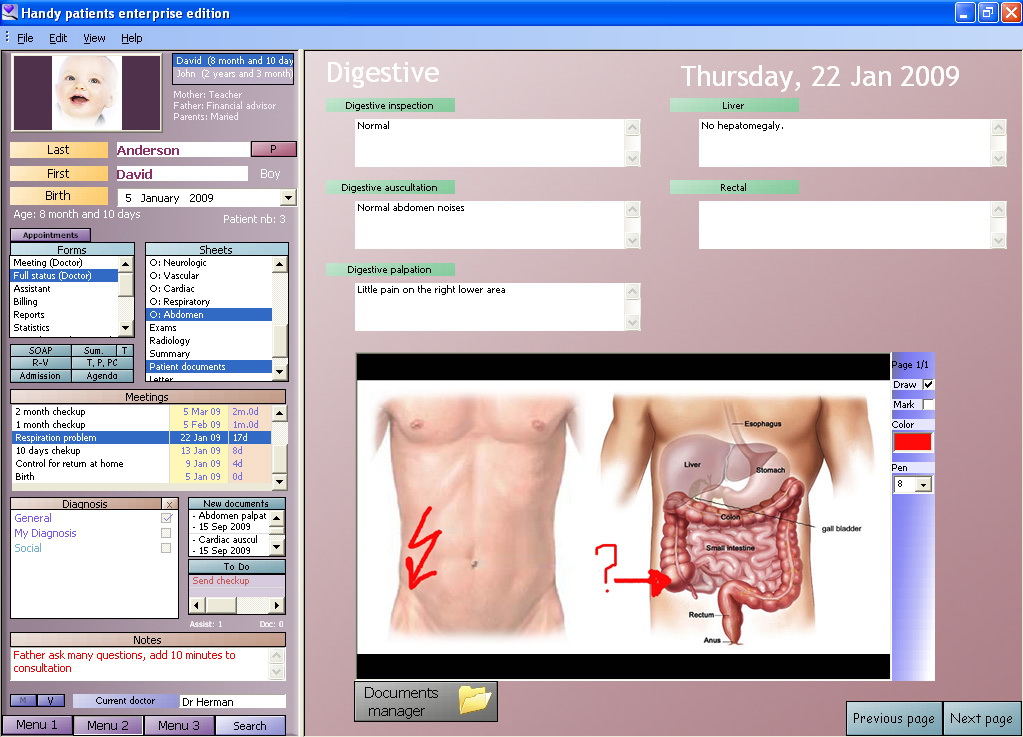
At its core, an EHR is a digital compilation of a patient’s health information that is accessible instantly and securely by authorized users. This goes beyond simple data entry; it’s a dynamic, longitudinal record that encompasses a patient’s medical history from birth to death.
Beyond Paper: The Core Definition of an EHR
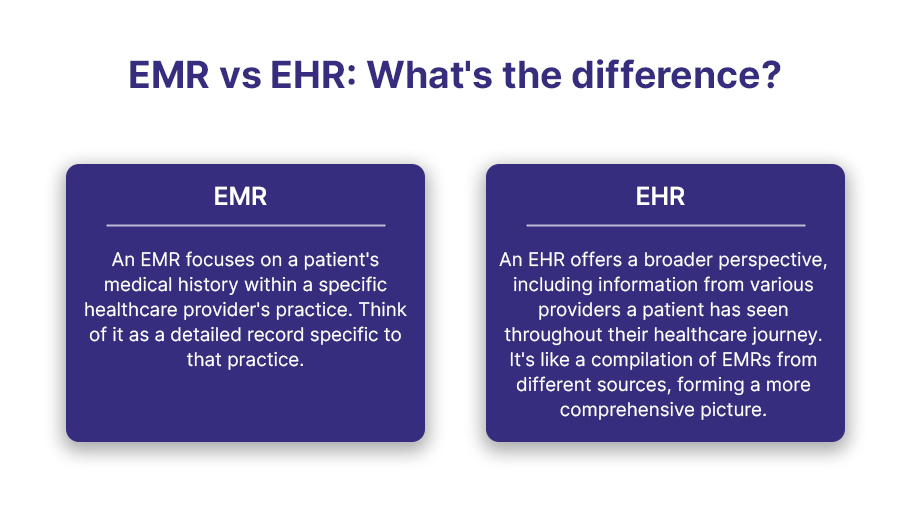
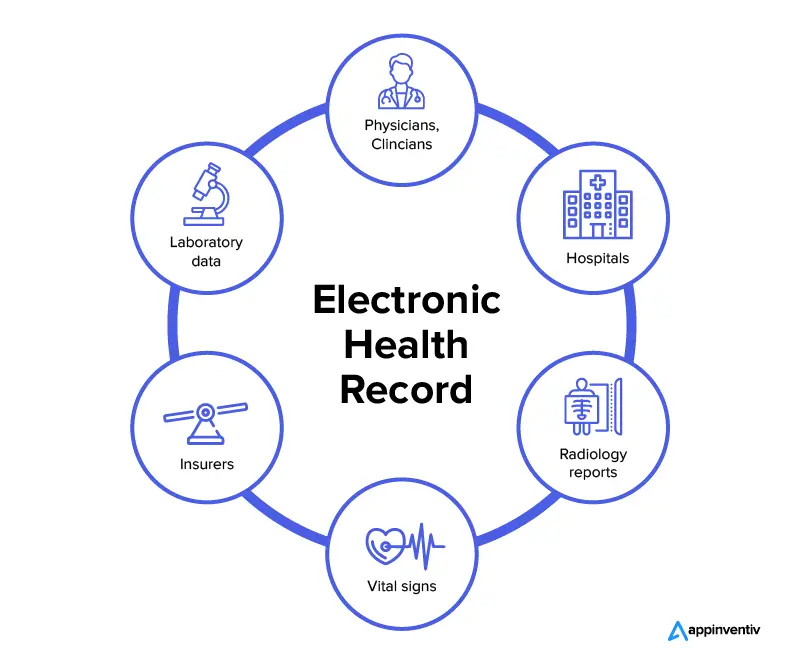
An Electronic Health Record is a real-time, patient-centered record that makes information available instantly and securely to authorized users. While often confused with Electronic Medical Records (EMR), a critical distinction lies in their scope. An EMR is a digital version of a patient’s chart from a single clinical practice and is generally not designed to be shared outside that practice. An EHR, however, is built to travel. It contains information from all clinicians involved in a patient’s care, extending beyond a single organization to create a comprehensive, interoperable health record. This includes demographics, progress notes, problems, medications, vital signs, past medical history, immunizations, laboratory data, and radiology reports. The emphasis is on sharing information across different healthcare settings, fostering a holistic view of the patient’s health.
The Evolution from Simple Digitization to Integrated Systems
The journey to the modern EHR began with the initial digitization of paper records, aiming primarily for storage efficiency and easier retrieval. Early systems, often proprietary and isolated, mimicked the filing cabinet model in a digital format. However, the true transformation occurred with the shift towards integrated systems, driven by advancements in database technologies, networking capabilities, and a growing recognition of the need for seamless data exchange. This evolution saw the transition from simple data repositories to complex platforms that could connect different departments within a hospital, then across various healthcare providers, and ultimately, facilitate a truly coordinated care experience. Today’s EHRs are not merely static records but active participants in the care process, integrating with diagnostic equipment, pharmacy systems, and even wearable health technologies.
Key Technological Components and Capabilities
The functionality of an EHR system is underpinned by a complex interplay of various cutting-edge technologies. These components work in concert to ensure data integrity, accessibility, security, and utility for both clinicians and patients.
Centralized Data Management and Databases
At the heart of every EHR is a robust data management system, typically relying on advanced relational databases or NoSQL databases, often hosted on cloud infrastructure. These databases are designed to handle vast quantities of diverse data types—from structured numerical lab results to unstructured clinical notes and medical images. Effective data warehousing strategies are crucial, allowing for efficient storage, retrieval, and analysis of patient data while maintaining rigorous data integrity and consistency. Cloud-based solutions are increasingly popular, offering scalability, enhanced accessibility, and often greater resilience through distributed architectures, moving away from traditional on-premise server farms.
Interoperability Standards and Data Exchange Protocols
One of the most significant technological challenges and achievements in EHR development is interoperability – the ability of different IT systems and software applications to communicate, exchange data, and use the information that has been exchanged. This is facilitated by industry-standard data exchange protocols such as Health Level Seven International (HL7) and Fast Healthcare Interoperability Resources (FHIR). FHIR, in particular, leverages modern web standards (like RESTful APIs, XML, and JSON) to provide a more accessible, flexible, and efficient way to share healthcare information across disparate systems and applications. These standards enable secure, bidirectional data flow between hospitals, clinics, pharmacies, laboratories, and even patient-facing applications, forming the digital glue that connects the entire healthcare ecosystem.
Clinical Decision Support Systems (CDSS) and AI Integration
Modern EHRs integrate sophisticated Clinical Decision Support Systems (CDSS) that leverage technology to assist clinicians at the point of care. These systems can range from simple rule-based alerts (e.g., drug-allergy interactions, dose warnings) to more advanced predictive analytics powered by artificial intelligence (AI) and machine learning (ML). AI algorithms analyze vast datasets within the EHR to identify patterns, predict disease progression, suggest optimal treatment pathways, and even aid in diagnostic processes. Natural Language Processing (NLP) is also being integrated to extract meaningful insights from unstructured clinical notes, transforming free text into actionable data, further enhancing the diagnostic and prognostic capabilities of the EHR.
Patient Portals and Telehealth Integration
EHRs have extended their reach directly to patients through secure online patient portals and integrated telehealth solutions. Patient portals, typically accessible via secure web browsers or dedicated mobile applications, empower individuals to view their medical records, schedule appointments, request prescription refills, communicate with their care team, and access educational resources. Telehealth integration, including secure video conferencing platforms and remote patient monitoring tools, allows clinicians to provide virtual consultations and continuously track vital signs or other health metrics. These integrations leverage robust encryption, secure network protocols, and intuitive user interfaces to facilitate convenient, accessible, and secure patient engagement and remote care delivery.
Impact on Healthcare Operations and Technology Landscape
The widespread adoption of EHRs has profoundly reshaped the operational landscape of healthcare organizations and driven significant advancements in related technologies.
Streamlining Workflow and Enhancing Efficiency
EHR systems are designed to automate and streamline numerous administrative and clinical workflows that were historically manual and time-consuming. Digital charting eliminates paper-based processes, reducing transcription errors and improving legibility. Electronic prescription management systems directly link physicians to pharmacies, decreasing prescription errors and improving efficiency. Automated scheduling, billing integration, and template-driven documentation further reduce administrative burdens, freeing up clinicians to focus more on patient care. The instant availability of patient information eliminates the need to track down physical charts, accelerating diagnosis and treatment decisions, particularly in emergency situations.
Driving Data Analytics and Population Health Management
The aggregated, structured data within EHRs represents a goldmine for data analytics. Healthcare organizations can leverage sophisticated business intelligence tools and data visualization techniques to analyze clinical outcomes, identify treatment effectiveness, monitor disease prevalence, and track key performance indicators. This extensive data allows for robust population health management, where patterns and trends across patient groups can be identified to proactively manage chronic diseases, implement preventative health initiatives, and tailor public health interventions. This data-driven approach is critical for value-based care models, enabling providers to demonstrate improved patient outcomes and optimize resource allocation.
Strengthening Digital Security and Patient Privacy
Given the sensitive nature of health information, digital security and patient privacy are paramount in EHR technology. Regulatory frameworks like the Health Insurance Portability and Accountability Act (HIPAA) in the U.S. and the General Data Protection Regulation (GDPR) in Europe mandate strict controls over how Protected Health Information (PHI) is handled. EHR systems employ multi-layered security measures, including advanced encryption for data at rest and in transit, multi-factor authentication, granular access controls based on roles and responsibilities, and comprehensive audit trails that log every access and modification to a patient record. Regular security audits, penetration testing, and adherence to cybersecurity best practices are integral to the ongoing maintenance and evolution of EHR security infrastructure.
Future Trends and Innovations in EHR Technology
The evolution of EHR technology is ongoing, driven by continuous innovation in digital infrastructure, artificial intelligence, and new data management paradigms.
Cloud-Native EHRs and Scalability
The shift from on-premise EHR deployments to cloud-native solutions is accelerating. Cloud-native architectures, built specifically for the cloud from the ground up, offer unparalleled scalability, flexibility, and cost-efficiency. They allow healthcare providers to rapidly adapt to changing demands, integrate new services seamlessly, and benefit from continuous software updates and enhanced disaster recovery capabilities. This trend is moving EHRs towards a Software-as-a-Service (SaaS) model, reducing the IT burden on healthcare organizations and ensuring access to the latest technological advancements.
Advanced AI for Predictive and Personalized Medicine
The integration of advanced AI and deep learning within EHRs is poised to revolutionize predictive and personalized medicine. Beyond current CDSS capabilities, future EHRs will leverage AI to analyze complex genomic data alongside clinical information to predict individual patient responses to specific treatments, identify individuals at high risk for certain conditions years in advance, and tailor preventative strategies. Natural Language Processing will become even more sophisticated, enabling EHRs to understand and synthesize information from diverse unstructured sources, including clinician notes, research papers, and even social determinants of health data, to create a more holistic and predictive patient profile.
Blockchain for Enhanced Security and Data Integrity
Blockchain technology, known for its decentralized and immutable ledger, holds significant promise for enhancing the security and integrity of health records. While still in nascent stages of application within healthcare, blockchain could offer a robust solution for managing patient consent for data sharing, ensuring the provenance of medical data, and creating an unalterable audit trail of all transactions and access events. This could lead to a more secure, transparent, and patient-centric model of health information exchange, giving patients greater control over their own medical data while ensuring its trustworthiness.
Wearable Integration and IoT in Healthcare
The proliferation of wearable health devices and the Internet of Medical Things (IoMT) offers a wealth of real-time physiological data that can be seamlessly integrated into EHRs. Continuous monitoring of vital signs, activity levels, sleep patterns, and other biometric data from smartwatches, smart sensors, and connected medical devices will provide clinicians with a more complete and dynamic view of a patient’s health outside the clinical setting. This integration will facilitate proactive interventions, enable more personalized care plans, and support remote monitoring programs, further extending the reach and utility of the EHR beyond traditional clinic walls.
aViewFromTheCave is a participant in the Amazon Services LLC Associates Program, an affiliate advertising program designed to provide a means for sites to earn advertising fees by advertising and linking to Amazon.com. Amazon, the Amazon logo, AmazonSupply, and the AmazonSupply logo are trademarks of Amazon.com, Inc. or its affiliates. As an Amazon Associate we earn affiliate commissions from qualifying purchases.