
Deception in branding extends far beyond mere falsehoods. It encompasses any communication or action that misleads consumers or stakeholders, intentionally or unintentionally, about a brand’s true nature, products, services, or values. In an increasingly transparent and interconnected marketplace, understanding what constitutes deceptive branding is crucial for maintaining trust, ensuring long-term viability, and upholding ethical standards. It represents a fundamental breach of the implied contract between a brand and its audience, eroding credibility and inviting severe repercussions.
The Anatomy of Deceptive Branding: Intent vs. Impact
At its core, deceptive branding involves creating a false perception or understanding. This can range from overt lies to subtle misdirections. A key distinction often lies between the intent behind the deception and its actual impact. While intentional deception—such as knowingly making fraudulent claims—is unequivocally unethical and illegal, unintentional deception can also occur due to poor communication, oversight, or even cultural misinterpretations. Regardless of intent, the moment a brand’s messaging creates a false impression that influences consumer behavior, it risks being labeled deceptive.
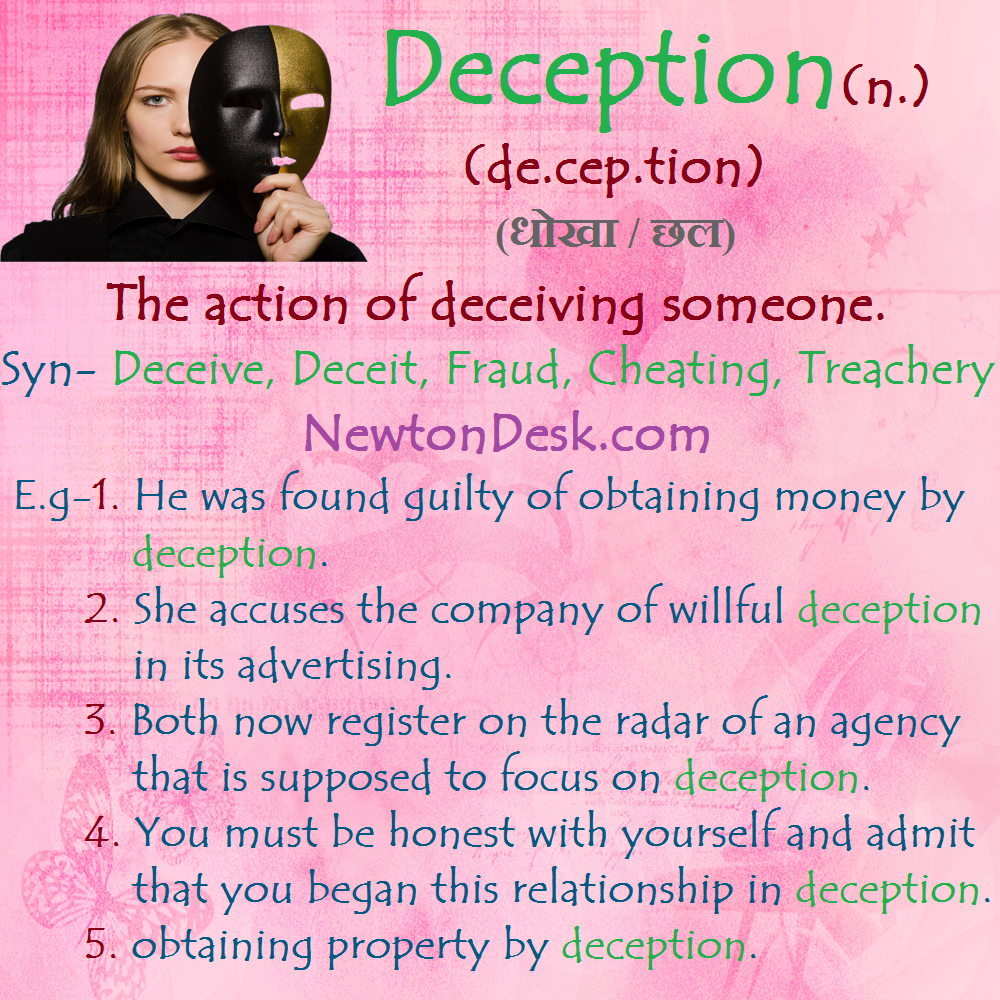
The “brand promise” serves as the bedrock of consumer expectation. When a brand’s actions, products, or services fail to align with the perceptions created by its marketing and identity, that promise is broken. This misalignment is where deception takes root. Whether through exaggerated claims, strategic omissions, or misleading visuals, the goal of deceptive branding is often to exploit consumer biases, lack of information, or emotional vulnerabilities for commercial gain, short-term or otherwise.
Manifestations of Deception in Brand Communication
Deception can surface in numerous forms across a brand’s communication channels, from advertising to product design. Recognizing these manifestations is the first step toward avoiding them.
Misleading Claims and Exaggeration
This is perhaps the most direct form of deception, involving explicit statements that are factually incorrect or cannot be substantiated. Brands might tout “revolutionary” features that offer only minor improvements, use “before and after” images that are heavily retouched, or claim “limited time offers” that run indefinitely. Phrases like “clinically proven” or “all-natural” are frequently used without adequate scientific backing or with ingredients that contradict the claim. The deliberate use of ambiguous language to imply benefits that don’t exist also falls under this category, leaving consumers with an inflated sense of a product’s capabilities or attributes.
Omissions and Half-Truths
Deception isn’t always about what a brand says, but what it doesn’t say. Omitting crucial information that would significantly alter a consumer’s purchasing decision can be profoundly misleading. This includes failing to disclose hidden fees, side effects of a product, or significant environmental impacts of manufacturing processes. In influencer marketing, failing to clearly label sponsored content as an advertisement can deceive audiences into believing an endorsement is organic and unbiased. Brands might highlight a single positive attribute while downplaying or ignoring significant negative aspects, creating a skewed perception of reality.
Visual and Experiential Deception
Visuals wield immense power in branding, and their manipulation can lead to significant deception. Product packaging designed to make contents appear larger than they are, or food styling in advertisements that makes dishes look substantially more appealing than their real-life counterparts, are common examples. Digital interfaces can also be designed deceptively using “dark patterns”—user experience elements crafted to trick users into making unintended actions, like signing up for subscriptions or providing more personal data than intended. These tactics exploit cognitive biases to steer consumers towards a desired outcome, often at their expense.
Greenwashing and Social Washing
As consumer awareness of environmental and social issues grows, so too does the temptation for brands to exaggerate their ethical credentials. “Greenwashing” involves making unsubstantiated or misleading claims about a product’s environmental benefits, such as labeling something “eco-friendly” without providing specific, verifiable details, or highlighting a minor green initiative to distract from larger unsustainable practices. Similarly, “social washing” occurs when brands present themselves as socially responsible without genuinely committing to ethical labor practices, diversity, or community engagement. These forms of deception capitalize on consumer values without delivering genuine impact, ultimately undermining trust in ethical branding efforts across industries.
The Tangible Costs of Deception: Eroding Trust and Value
The consequences of deceptive branding are far-reaching and can inflict severe damage on a brand’s reputation, financial standing, and ability to connect with its audience. The short-term gains from misleading tactics are invariably outweighed by the long-term detriments.
Reputational Damage and Loss of Consumer Trust
Perhaps the most devastating impact of deceptive branding is the erosion of consumer trust. Once consumers feel manipulated or lied to, rebuilding that trust is an arduous, often impossible task. Negative word-of-mouth spreads rapidly, amplified by social media, leading to boycotts, public outcry, and a lasting stain on the brand’s image. A tarnished reputation can deter new customers, alienate existing loyalists, and even make it difficult to attract top talent or secure partnerships, crippling future growth and innovation.

Legal and Regulatory Penalties
Regulatory bodies worldwide, such as the Federal Trade Commission (FTC) in the U.S., the Advertising Standards Authority (ASA) in the UK, and similar organizations globally, actively monitor and prosecute deceptive advertising and marketing practices. Brands found guilty of deception can face substantial fines, mandatory corrective advertising campaigns, product recalls, and even civil lawsuits from aggrieved consumers. Landmark cases, such as Volkswagen’s “Dieselgate” scandal, illustrate the immense financial and reputational penalties associated with intentional deception on a large scale. These legal battles are costly, protracted, and publicly damaging, further compounding the brand’s woes.
Financial Impact
Beyond fines and legal fees, deceptive branding directly impacts a brand’s bottom line. Decreased sales, reduced market share, and the expense of crisis management and rebranding efforts can lead to significant financial losses. Furthermore, the devaluation of the brand itself as an intangible asset can be immense. Investors and stakeholders become wary of brands associated with deception, potentially affecting stock prices, access to capital, and overall business valuation. The long-term costs often far exceed any short-term revenue boost gained through misleading practices.
Cultivating Authenticity: The Antidote to Deceptive Branding
In an era of heightened scrutiny and consumer empowerment, authenticity is not just a virtue but a strategic imperative. Brands that actively commit to transparency and ethical communication stand to build stronger, more resilient relationships with their audience.
Commitment to Transparency
Genuine transparency means openly sharing information about sourcing, manufacturing processes, ingredient lists, and even limitations or challenges. It involves clear disclosure of partnerships, sponsorships, and potential conflicts of interest, especially in digital and influencer marketing. Proactive communication during product issues or crises, rather than reactive damage control, signals integrity and builds goodwill. Transparency fosters an environment where consumers feel informed and respected, allowing them to make choices based on complete and accurate information.
Ethical Marketing and Communication
This involves adhering to robust industry standards and internal ethical guidelines for all marketing campaigns. It means focusing on factual, verifiable claims supported by evidence, rather than hyperbole or unsubstantiated promises. Emphasizing genuine value propositions, product benefits, and brand differentiators, without resorting to manipulative tactics, builds trust. Ethical marketing also requires training teams to recognize and avoid deceptive practices, fostering a culture where integrity is prioritized over short-term gains.
Consistency Between Brand Promise and Performance
Authenticity thrives on consistency. A brand must ensure that its external messaging accurately reflects its internal operations, product quality, and corporate values. If a brand promotes itself as “customer-centric,” its customer service must genuinely deliver exceptional support. If it claims “sustainability,” its entire supply chain and operations should reflect that commitment. This alignment between what a brand says it is and what it actually does is fundamental to earning and maintaining trust, preventing the perception of hypocrisy or insincerity.
Embracing Accountability
No brand is perfect, and mistakes can happen. What distinguishes an authentic brand is its willingness to take responsibility for its errors, address consumer concerns promptly and openly, and implement corrective actions. Establishing clear feedback channels, actively listening to criticism, and demonstrating a genuine commitment to continuous improvement based on ethical review are crucial. Accountability transforms potential crises into opportunities to reinforce trustworthiness and demonstrate a deep commitment to ethical practice.
Navigating the Digital Wild West: New Fronts for Deception
The digital landscape, with its speed, reach, and technological advancements, has introduced new and sophisticated avenues for deceptive practices, posing fresh challenges for both brands and consumers.
The Rise of AI and Deepfakes
Artificial intelligence, while offering immense potential, also presents tools for advanced deception. Deepfake technology can create hyper-realistic fake images, audio, and video, making it increasingly difficult to distinguish authentic content from fabricated media. This poses a threat for brands, as their identity, spokespeople, or products could be leveraged in deceptive advertising not created or authorized by them, or used to spread misinformation. Verifying digital content authenticity becomes a critical brand protection strategy.
Social Media and Influencer Marketing
The blurred lines on social media between genuine organic content and paid promotions create fertile ground for deception. The ease with which fake accounts, reviews, and testimonials can be generated can mislead consumers about product popularity or efficacy. Influencer marketing, if not transparently executed with clear disclosure of sponsored content, can deceive audiences into believing an endorsement is solely based on personal preference, ratheraking advantage of the perceived authenticity of peer recommendations.
Data Privacy and Personalized Deception
Brands gather vast amounts of personal data, which, if misused, can lead to highly personalized and potentially deceptive advertising. Tailoring messages to exploit individual vulnerabilities, fears, or aspirations based on their data profile can be a subtle yet powerful form of deception. The lack of transparent communication about data collection practices and how personal information is used in targeted ads can leave consumers feeling manipulated, leading to a significant backlash concerning privacy and trust.
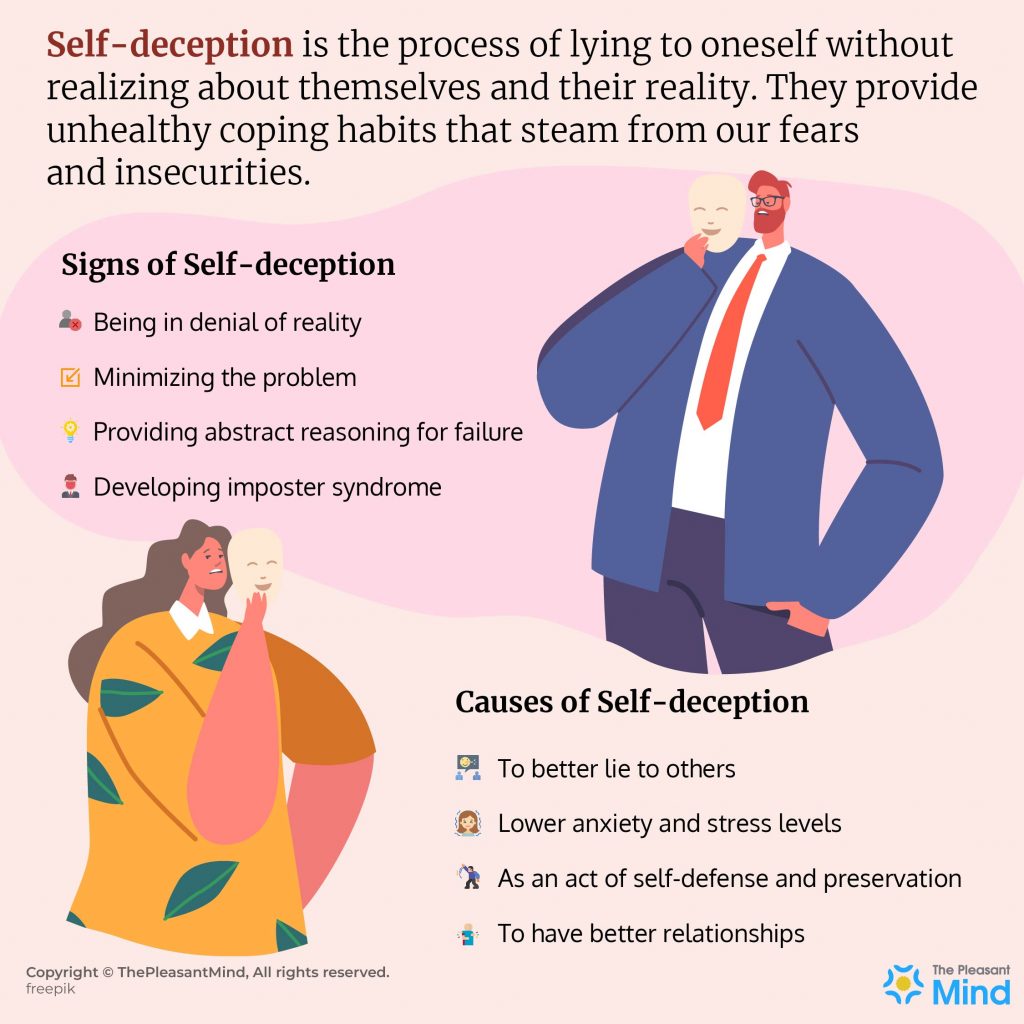
The Velocity of Misinformation
The rapid spread of information, and misinformation, on digital platforms means that false narratives or rumors about a brand can gain traction quickly, regardless of their origin. Even if a brand is not actively engaging in deceptive practices, it can become a victim of deceptive content created by malicious actors or even genuine misunderstandings that spread virally. Brands must develop robust digital monitoring capabilities and rapid response strategies to address and correct misinformation before it causes irreversible damage to their reputation.
In conclusion, “deceptive” in branding signifies a profound departure from integrity, impacting everything from consumer perception to financial stability. In an era where authenticity reigns supreme, understanding the multifaceted nature of deception and proactively building a brand founded on transparency, ethical communication, and accountability is not just good practice—it is the bedrock of enduring success and trust.
aViewFromTheCave is a participant in the Amazon Services LLC Associates Program, an affiliate advertising program designed to provide a means for sites to earn advertising fees by advertising and linking to Amazon.com. Amazon, the Amazon logo, AmazonSupply, and the AmazonSupply logo are trademarks of Amazon.com, Inc. or its affiliates. As an Amazon Associate we earn affiliate commissions from qualifying purchases.