
In the dynamic landscape of brand building, the concept of “core competencies” stands as a foundational pillar, distinguishing market leaders from mere participants. It’s more than just a buzzword; it’s a strategic imperative that underpins a brand’s unique identity, competitive advantage, and long-term sustainability. Understanding what core competencies truly mean is crucial for any organization or individual aiming to carve out a distinctive presence in a crowded market.
Defining Core Competencies in the Brand Landscape
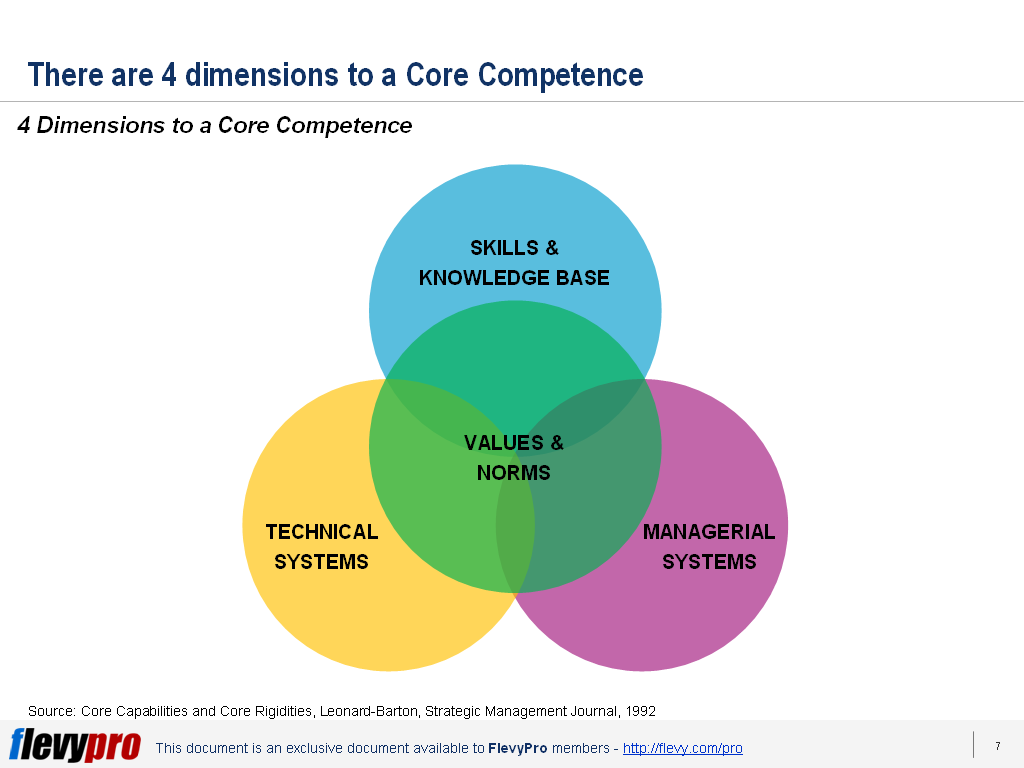
At its heart, a core competency refers to a unique capability or set of capabilities that a brand possesses, which allows it to deliver a particular benefit to customers in a way that rivals find difficult to imitate. It’s not merely a skill or a resource, but rather a deeply ingrained organizational knowledge, a harmonious integration of multiple individual technologies and production skills, that results in a distinct customer value. For brands, these competencies are the bedrock upon which their promises are built and their market positions secured.

Beyond Basic Capabilities: The Essence of Uniqueness
To truly grasp core competencies, it’s essential to differentiate them from basic capabilities or everyday functions. Every business needs to manage its finances, market its products, and service its customers. These are operational necessities. A core competency, however, represents a superior proficiency in one or more of these areas, or in an entirely unique domain, that sets a brand apart. For instance, while every airline needs to fly planes, an airline whose core competency lies in delivering an unparalleled luxury travel experience through meticulous service design and exclusive partnerships goes beyond basic operation. Their brand is defined by this distinct capability, creating customer loyalty and premium pricing power.
The essence of uniqueness in core competencies stems from several factors:
- Intangibility: Often, core competencies are not physical assets but rather knowledge, processes, and relationships that are difficult to replicate.
- Integration: They result from the synergistic combination of various skills, technologies, and resources across different functions of an organization.
- Evolutionary Nature: Core competencies are not static; they evolve through continuous learning, investment, and adaptation, ensuring a brand remains relevant and competitive.
The Link to Competitive Advantage
The direct link between core competencies and competitive advantage is undeniable. A brand’s core competencies enable it to:
- Offer unique value: By performing activities better or differently than competitors, a brand can provide superior products, services, or experiences that resonate deeply with its target audience.
- Differentiate itself: In a commoditized market, core competencies provide a clear reason for customers to choose one brand over another, fostering a strong brand identity and positioning.
- Command premium pricing: When a brand offers unique value stemming from its core competencies, it often gains the ability to charge more, improving profitability and brand perception.
- Enter new markets: A strong core competency can be leveraged to innovate and expand into adjacent markets or product categories, reinforcing the brand’s overall strength and influence.
Without clearly defined and strategically nurtured core competencies, a brand risks becoming just another option, struggling to articulate its purpose and justify its existence against a backdrop of myriad choices.
Identifying Your Brand’s Core Competencies
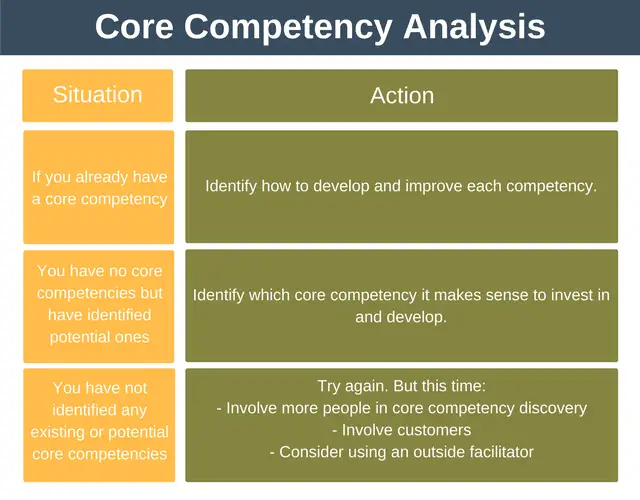
Unearthing a brand’s core competencies requires a systematic approach, looking both inward at internal strengths and outward at market dynamics. This process is not a one-time exercise but an ongoing strategic review vital for maintaining brand relevance and growth.
Internal Analysis: Uncovering Innate Strengths
The first step involves a deep dive into the brand’s internal workings. This means asking critical questions about what the organization does exceptionally well.
- What unique skills and expertise reside within our team? This could be a specific technological prowess, a proprietary creative methodology, or an unparalleled understanding of customer psychology.
- What proprietary processes or systems give us an edge? Perhaps it’s an unusually efficient supply chain, a patented design process, or a distinctive customer service protocol.
- What cultural attributes contribute to our success? A culture of relentless innovation, deep empathy for customers, or extraordinary attention to detail can be a powerful, inimitable competency.
- Where do we consistently outperform competitors? Identify areas where the brand delivers superior results in terms of quality, speed, cost-effectiveness, or innovation.
This internal scrutiny helps to move beyond superficial self-assessment to identify the true engines of brand value creation.
External Analysis: Market, Customer, and Competitor Insights
While internal strengths are crucial, they only become core competencies if they are valued by the market and are difficult for competitors to replicate.
- Customer perspective: What do customers truly value about our brand? What benefits do they associate primarily with us? Feedback, market research, and understanding customer pain points are essential here. A brand’s ability to consistently meet a particular customer need better than anyone else is a strong indicator of a core competency.
- Competitor analysis: What are our competitors doing? Where are their weaknesses? A core competency exploits these weaknesses or creates new areas of advantage that competitors cannot easily match. It’s about being truly distinct, not just incrementally better.
- Market trends: How do our capabilities align with emerging market needs and trends? A core competency should ideally position the brand to capitalize on future opportunities and mitigate threats.
The VRIO Framework: A Strategic Lens
A robust framework for evaluating potential core competencies is VRIO, which stands for:
- Valuable: Does the capability enable the brand to exploit opportunities or neutralize threats? Does it add economic value?
- Rare: Is the capability possessed by only a small number of competing brands? If everyone has it, it’s not a core competency.
- Inimitable: Is the capability costly for other brands to imitate? This often comes down to historical conditions, causal ambiguity (competitors don’t know exactly how to replicate it), or social complexity (it’s embedded in the brand’s culture or relationships).
- Organized: Is the brand organized to exploit the full potential of this resource or capability? Does it have the necessary processes, systems, and management support?
Only capabilities that satisfy all four VRIO criteria can be truly classified as core competencies, providing a sustainable competitive advantage and serving as the bedrock of a powerful brand.
Leveraging Core Competencies for Brand Building
Once identified, core competencies are not merely intellectual assets; they are active levers that must be strategically deployed to build, strengthen, and grow a brand. Their effective utilization permeates every aspect of brand management, from strategy to communication.
Crafting a Distinctive Brand Strategy
Core competencies provide the strategic foundation for a brand. They inform the brand’s mission, vision, and long-term objectives. A brand strategy rooted in its core competencies ensures that all efforts are aligned with what the brand does best and what makes it unique. This prevents strategic drift, where a brand tries to be everything to everyone, diluting its distinctiveness. Instead, it allows for focused investment in areas that reinforce and extend its core strengths, enabling strategic choices about target markets, product development, and geographic expansion that are consistent with its fundamental capabilities.
Driving Brand Messaging and Communication
The essence of a brand’s core competencies must be distilled into its messaging. This is how a brand articulates its unique value proposition to the market. When marketing and communication efforts clearly highlight what the brand does exceptionally well – its speed, its design innovation, its customer empathy, its sustainable practices – it creates a compelling narrative that resonates with consumers. This clarity helps to differentiate the brand in crowded markets, build trust by consistently delivering on promised value, and foster a strong emotional connection with its audience. Authentic communication about these core strengths builds credibility and brand equity.
Fostering Innovation and Market Leadership
Core competencies are fertile ground for innovation. By understanding its fundamental strengths, a brand can strategically invest in research and development that leverages these capabilities to create new products, services, or business models. This isn’t just about incremental improvements; it’s about pioneering new solutions that redefine market expectations and set new industry standards. A brand recognized for its core competency in, say, user-centric design will naturally lead in developing intuitive new interfaces, while one known for rapid prototyping will consistently be first to market with novel concepts. This continuous innovation cycle, powered by core competencies, is a hallmark of market leadership.
Enhancing Brand Reputation and Trust
A brand that consistently performs at a superior level due to its core competencies naturally builds a strong reputation. When customers repeatedly experience the unique value that a brand offers, their trust deepens. This trust is invaluable, leading to stronger customer loyalty, positive word-of-mouth referrals, and greater resilience during challenging times. A stellar reputation, built on consistent delivery through core competencies, becomes a powerful asset that attracts new customers and retains existing ones, contributing significantly to long-term brand equity.
Core Competencies in Personal Branding
The concept of core competencies isn’t exclusive to large corporations; it is equally vital for individuals building their personal brands. In today’s competitive professional landscape, distinguishing oneself requires a clear understanding and articulation of one’s unique strengths and value proposition.
Differentiating Your Professional Identity
For individuals, core competencies are the distinct blend of skills, knowledge, experiences, and personal attributes that enable them to perform particular tasks or roles exceptionally well. These are the traits that make you stand out from peers and deliver unique value to an employer, client, or audience. It could be an unparalleled ability to simplify complex data, a natural talent for inspiring teams, a deep expertise in a niche technological area, or an exceptional capacity for creative problem-solving. Identifying these core competencies allows you to craft a professional identity that is authentic, powerful, and memorable, rather than generic.
Communicating Your Unique Value Proposition
Just as corporate brands articulate their value, individuals must communicate their personal core competencies effectively through résumés, portfolios, interviews, networking, and online presence. This involves:
- Highlighting specific achievements: Demonstrate how your competencies have led to tangible results.
- Tailoring your message: Adapt your narrative to show how your unique strengths meet the specific needs of an opportunity.
- Developing a consistent narrative: Ensure your professional story consistently reinforces your core strengths across all platforms.
By clearly understanding and leveraging your core competencies, you can strategically position yourself as an indispensable asset, building a personal brand that commands respect, opens doors, and accelerates career growth. In both corporate and personal branding, core competencies are the strategic compass, guiding development, communication, and sustained success.
aViewFromTheCave is a participant in the Amazon Services LLC Associates Program, an affiliate advertising program designed to provide a means for sites to earn advertising fees by advertising and linking to Amazon.com. Amazon, the Amazon logo, AmazonSupply, and the AmazonSupply logo are trademarks of Amazon.com, Inc. or its affiliates. As an Amazon Associate we earn affiliate commissions from qualifying purchases.