
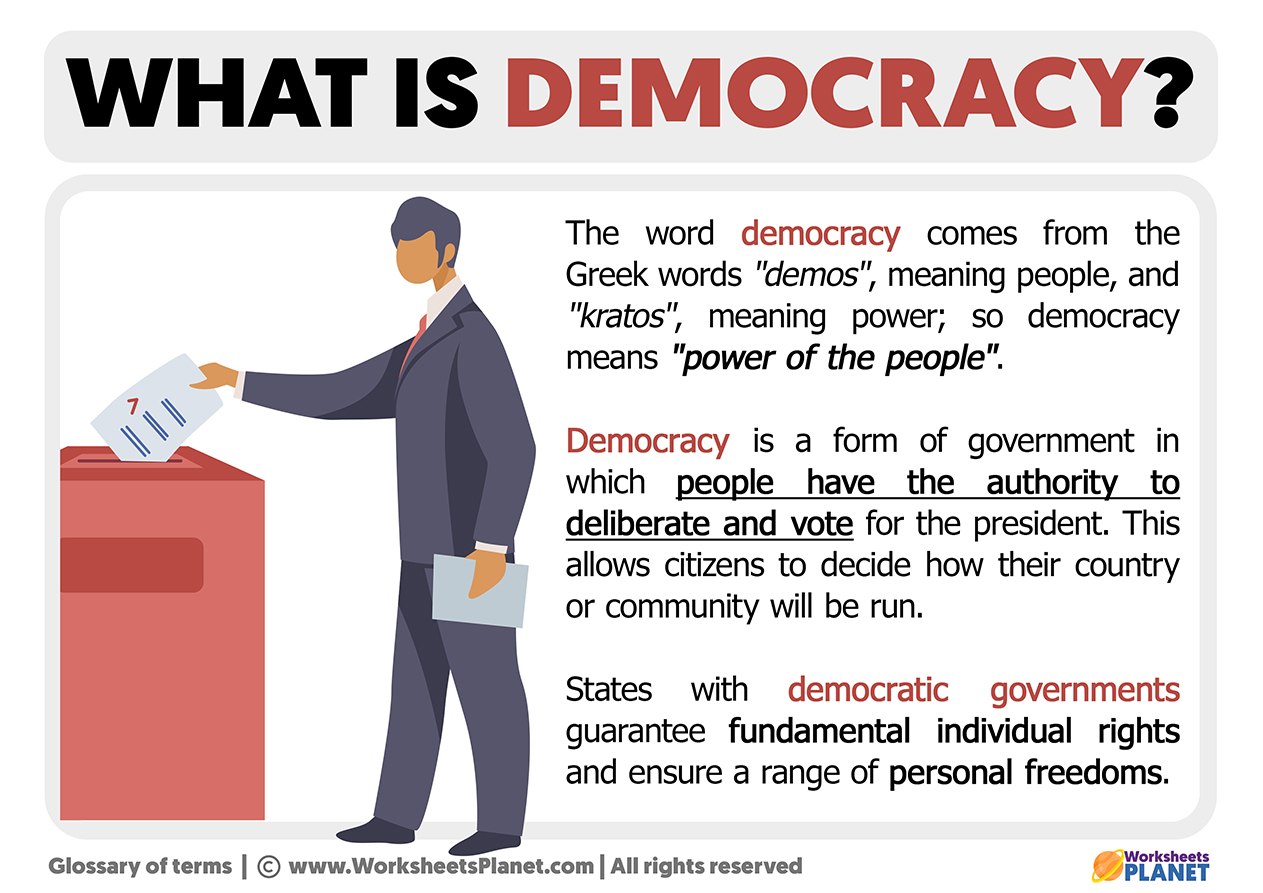
Democracy. The word itself conjures images of voting booths, impassioned speeches, and the collective voice of a nation. But in our increasingly digitized and interconnected world, and with the rapid advancements in technology, evolving brand landscapes, and the constant pursuit of financial stability, what does democracy truly signify for us today? It’s a question that transcends mere political theory and delves into the very fabric of our daily lives, shaping how we access information, how we build our identities, and how we manage our resources.
For many, the core of democracy remains the fundamental principle of self-governance, where power resides with the people. This translates into the right to participate, to have a say in decisions that affect our lives, and to hold those in power accountable. However, the mechanisms and expressions of this participation are no longer confined to the ballot box. In the digital age, our understanding of democratic engagement has expanded significantly, influenced by the pervasive presence of technology, the strategic construction of brands, and the complex ecosystem of finance.

This exploration will delve into how the modern landscape of Tech, Brand, and Money intertwines with our perception and practice of democracy, transforming its meaning and implications for each of us.
H2: Technology: The Double-Edged Sword of Democratic Access and Influence
Technology, in its myriad forms, has become an undeniable force shaping our understanding and experience of democracy. From the ubiquitous smartphone in our pockets to the intricate algorithms that curate our online experiences, technology offers unprecedented avenues for democratic participation, while simultaneously presenting new challenges to its integrity.
H3: Empowering the Citizenry: Information, Organization, and Voice
At its best, technology is a powerful democratizing agent. The internet, social media platforms, and readily accessible digital tools have dismantled traditional gatekeepers of information. Now, citizens can access news from diverse sources, engage in political discourse with people across the globe, and organize movements with remarkable speed and efficiency. The Arab Spring, for instance, demonstrated the potent role of social media in mobilizing citizens and amplifying their demands for change.
- Information Access and Transparency: Never before has information been so readily available. We can fact-check political claims in real-time, research the voting records of our representatives, and delve into policy debates with a few clicks. This accessibility fosters an informed electorate, a cornerstone of any healthy democracy. Websites dedicated to citizen journalism, open data initiatives, and government transparency portals further empower us to scrutinize power and hold institutions accountable.
- Amplifying Diverse Voices: Digital platforms have provided a voice to marginalized communities and individuals who might otherwise be unheard in traditional public forums. Blogs, podcasts, and social media campaigns allow for the expression of a vast spectrum of opinions and experiences, enriching the democratic discourse and pushing for greater inclusivity. This decentralization of voice is crucial for a representative democracy.
- Facilitating Civic Engagement: Online petition sites, digital town halls, and citizen-led advocacy groups demonstrate how technology can streamline and enhance civic engagement. These tools make it easier for individuals to participate in the political process beyond voting, allowing for continuous dialogue and collective action on issues that matter to them.
H3: The Digital Divide and the Erosion of Trust: New Forms of Exclusion
However, the democratizing potential of technology is not without its shadows. The very tools that empower can also be weaponized to undermine democratic principles, creating new forms of exclusion and exacerbating existing inequalities.
- The Digital Divide: Access to technology and digital literacy are not universal. A significant portion of the global population remains disconnected, creating a stark digital divide. This exclusion means that those without access are often left out of important conversations, denied access to vital information, and disenfranchised from online participation, creating a less equitable democratic landscape.
- Misinformation and Disinformation: The speed and reach of digital platforms make them fertile ground for the spread of false and misleading information. Sophisticated disinformation campaigns, often amplified by bots and algorithms, can manipulate public opinion, sow division, and undermine trust in democratic institutions and processes. Distinguishing truth from falsehood has become a critical challenge for the modern citizen.
- Algorithmic Bias and Echo Chambers: The algorithms that power our online experiences can inadvertently create echo chambers, reinforcing existing beliefs and limiting exposure to diverse perspectives. This can lead to increased polarization and a diminished capacity for empathy and understanding across different viewpoints, hindering the constructive dialogue essential for democratic progress.
- Surveillance and Privacy Concerns: The increased collection of personal data by governments and corporations raises significant concerns about surveillance and privacy. The potential for this data to be used to suppress dissent or manipulate behavior can chillingly impact the freedom of expression and association, which are fundamental to democratic societies.
In essence, technology offers us the tools for a more participatory and informed democracy, but it also demands vigilance. It compels us to be critical consumers of information, to advocate for digital inclusion, and to actively work towards a digital public sphere that upholds the values of fairness, transparency, and individual liberty.
H2: Brand: Identity, Influence, and the Democratic Consumer
In today’s hyper-marketed world, brands are no longer just names on products; they are powerful narratives, influencers of perception, and often, reflections of our own values. The concept of “Brand” in this context extends beyond corporate logos to encompass personal branding, the curated online personas we construct, and the collective identities we associate with. This realm significantly impacts what democracy means to us by influencing how we form opinions, make choices, and even how we perceive authority.
H3: The Power of Persuasion: Shaping Perceptions and Choices
Brands are masters of persuasion, adept at crafting narratives that resonate with consumers. In a democratic society, the ability of brands to shape perceptions can have profound implications for our decision-making, from what we buy to who we support.

- Influencing Consumer Behavior: Effective branding can tap into our desires, aspirations, and values. This influence extends beyond purchasing decisions to potentially shaping our views on social and political issues, especially when brands align themselves with certain causes or take public stances. The rise of “conscious consumerism” highlights how individuals use their purchasing power to support brands that reflect their democratic ideals.
- Building Trust and Credibility: A strong brand, built on transparency and consistent delivery, can foster trust and credibility. This trust can extend beyond the commercial realm, influencing how we perceive information disseminated by those brands or their associated figures. In a landscape often fraught with skepticism, the perceived integrity of a brand can significantly impact public opinion.
- The Rise of Personal Branding: In the digital age, individuals are increasingly encouraged to cultivate their own brands. This involves carefully curating online presence, sharing expertise, and building a reputation. While this can empower individuals and create new avenues for influence, it also blurs the lines between authentic expression and strategic self-promotion, raising questions about sincerity and the potential for manufactured influence within public discourse.
H3: Brands as Social Actors: Responsibility and the Democratic Contract
As brands wield increasing influence, their role in society is coming under greater scrutiny. The expectation for brands to act responsibly and align with democratic values is growing, shifting the perception of brands from purely commercial entities to significant social actors.
- Corporate Social Responsibility (CSR) and Ethical Marketing: Consumers are increasingly demanding that brands operate ethically and contribute positively to society. This includes fair labor practices, environmental sustainability, and a commitment to diversity and inclusion. Brands that fail to meet these expectations risk reputational damage, demonstrating that democratic values are becoming intertwined with commercial success.
- Advocacy and Political Alignment: Brands are increasingly taking stances on social and political issues. This can be a powerful tool for raising awareness and driving change, but it also carries the risk of alienating segments of their audience. The decision of a brand to engage in advocacy, or to remain silent, can be interpreted through a democratic lens, reflecting a perceived responsibility to the broader public good.
- The Democratization of Brand Creation: The internet and accessible design tools have democratized the ability to create and market brands. Small businesses, independent creators, and social enterprises can now compete with larger corporations, fostering a more diverse and competitive marketplace. This economic democratization can empower individuals and communities, fostering innovation and offering consumers more choices.
The meaning of democracy in relation to brands lies in the power of collective choice, the demand for ethical conduct, and the recognition that influence, whether corporate or personal, carries a responsibility. It is about discerning authentic values from manufactured narratives and using our power as consumers and individuals to support entities that uphold democratic principles.
H2: Money: Financial Empowerment, Inequality, and the Democratic Economy
Money, in its myriad forms and complexities, is inextricably linked to the functioning and perception of democracy. Our financial well-being, the distribution of wealth, and the accessibility of financial tools all play a crucial role in determining our ability to participate fully in society and to have our voices heard.
H3: Financial Empowerment and Participation: Bridging the Gap
Access to financial resources and tools can significantly enhance an individual’s capacity to engage in democratic processes and to advocate for their interests.
- Personal Finance and Decision-Making: A solid understanding of personal finance, budgeting, and investing empowers individuals to make informed decisions about their future. This financial literacy allows for greater autonomy, reducing reliance on others and enabling individuals to pursue opportunities that might otherwise be out of reach. In a democracy, economic independence is often a prerequisite for robust civic participation.
- Investing and Wealth Creation: The ability to invest and grow wealth can provide individuals with greater financial security and the resources to support causes they believe in. Online investment platforms and financial planning tools have made investing more accessible, potentially democratizing wealth creation and offering more individuals a stake in the economic landscape.
- Online Income and Side Hustles: The digital economy has opened up new avenues for generating income through online work and side hustles. This flexibility and potential for increased earnings can offer individuals greater control over their financial lives, allowing them to supplement their income, pursue entrepreneurial ventures, and achieve greater economic independence, which in turn can bolster their confidence and capacity for civic engagement.
H3: Financial Inequality and its Democratic Consequences: The Widening Chasm
Conversely, stark financial inequalities can pose a significant threat to democratic ideals, creating systemic disadvantages and undermining the principle of equal voice.
- The Influence of Wealth in Politics: In many democracies, financial resources play a significant role in political campaigns and lobbying efforts. This can lead to a situation where the voices of the wealthy are amplified, potentially drowning out the concerns of ordinary citizens and skewing policy decisions in favor of economic elites. This raises fundamental questions about fairness and representation.
- Access to Essential Services and Opportunities: Disparities in wealth often translate into unequal access to essential services such as education, healthcare, and legal representation. This creates a cycle of disadvantage, where those with fewer financial resources are less equipped to participate fully in the democratic process and to advocate for their rights.
- Financial Instability and Civic Disengagement: Individuals struggling with financial insecurity may be less able to dedicate time and energy to civic activities. The constant pressure of making ends meet can lead to disengagement from the political process, further marginalizing their voices and concerns.
- The Democratization of Financial Tools: While there are concerns about inequality, the proliferation of financial tools, from budgeting apps to peer-to-peer lending platforms, has also democratized access to financial management and services. This can empower individuals to take more control of their money, but it also necessitates a critical understanding of financial risks and regulations.
Ultimately, what democracy means in the context of money is about striving for an economic system that is fair, equitable, and provides all citizens with the opportunity to thrive. It involves addressing financial inequalities, ensuring access to essential resources, and fostering an environment where financial stability does not become a prerequisite for having a meaningful voice in society.
Conclusion: Democracy in the Digital, Branded, and Financial Age
The meaning of democracy today is a dynamic and evolving concept, deeply intertwined with the forces of technology, brand perception, and financial realities. It is no longer solely about the act of voting, but about our ability to access information freely and critically, to engage in meaningful discourse, to build authentic identities, and to achieve financial security.
Technology offers us unprecedented tools for participation and empowerment, but it also presents significant challenges in the form of misinformation, the digital divide, and surveillance. Our understanding of brands, both corporate and personal, has shifted to acknowledge their influence and the responsibility that comes with it, urging us to demand ethical practices and authentic representation. And in the realm of money, the pursuit of financial empowerment must be balanced with the urgent need to address inequality, ensuring that economic disparities do not erode the fundamental democratic principle of equal voice.
To truly embrace democracy in the 21st century, we must become informed citizens, critical consumers, and active participants in shaping our digital, branded, and financial landscapes. It requires a constant vigilance, a commitment to fairness, and a collective effort to ensure that these powerful forces serve to strengthen, rather than diminish, the democratic ideals that empower us all.
aViewFromTheCave is a participant in the Amazon Services LLC Associates Program, an affiliate advertising program designed to provide a means for sites to earn advertising fees by advertising and linking to Amazon.com. Amazon, the Amazon logo, AmazonSupply, and the AmazonSupply logo are trademarks of Amazon.com, Inc. or its affiliates. As an Amazon Associate we earn affiliate commissions from qualifying purchases.