
Beyond Geometry: The Symbolic Power of Shapes in Branding
In the intricate world of branding, every visual element, from color palettes to typography, serves as a deliberate communication tool. Among these, geometric shapes hold a profound, often subconscious, influence on how a brand is perceived. A shape is rarely just a shape; it’s a carrier of cultural meaning, psychological triggers, and inherent stability or dynamism. Understanding the semiotics of forms is crucial for crafting a compelling corporate identity that resonates deeply with its target audience. The pentagon, a five-sided polygon, carries a unique suite of associations that can be strategically harnessed in brand design and communication.
The Psychology of Geometric Forms
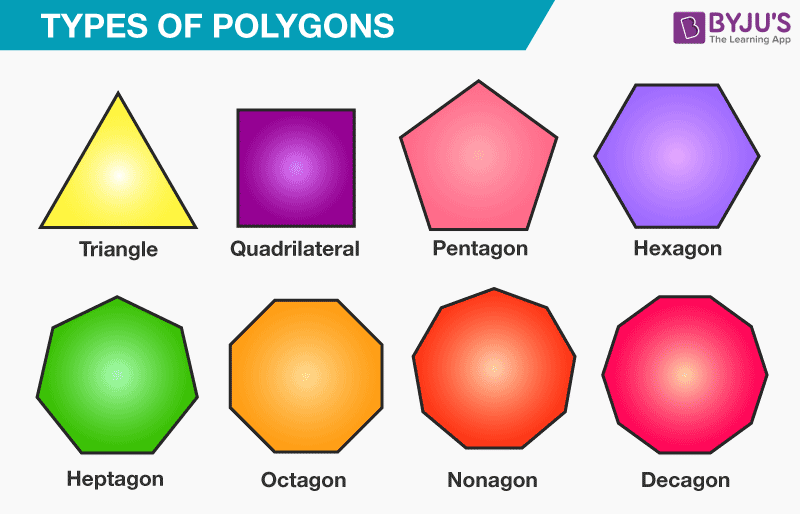
Basic geometric shapes—circles, squares, and triangles—each evoke distinct psychological responses. Circles often convey unity, wholeness, and softness; squares represent stability, professionalism, and structure; triangles suggest direction, power, and dynamism. These fundamental associations are not arbitrary; they are deeply ingrained in human perception, drawing from our experiences with the natural world and constructed environments. When a brand chooses a specific geometric motif, it is tapping into this rich reservoir of shared understanding, imbuing its identity with layers of non-verbal meaning. For instance, a tech company might favor angular, sharp lines to denote innovation and precision, while a wellness brand might opt for flowing, circular forms to suggest harmony and community.
From Basic Shapes to Brand Archetypes
As shapes become more complex, their meanings can diversify, yet they often retain a core essence. The pentagon, standing between the simple triangle and the more complex hexagon or octagon, embodies a unique balance. It is angular, suggesting structure and direction, but its five points also hint at completeness or a comprehensive framework. In branding, these symbolic qualities can be aligned with specific brand archetypes or desired perceptions. A brand aiming for a robust, secure, and authoritative image might find the pentagon an ideal visual metaphor. It’s a shape that, due to its symmetry and specific number of sides, often implies a well-thought-out system, an impenetrable shield, or a foundational principle.
The Pentagon’s Distinctive Resonance: Authority, Security, and Precision
The pentagon, beyond its mathematical definition, has accrued significant symbolic weight throughout history and across cultures. This accumulation of meaning makes it a potent emblem for brands seeking to convey specific attributes. When integrated into a corporate identity, the pentagon can communicate a strong message of reliability, strategic depth, and unwavering competence.
Historical and Cultural Contexts
Historically, the five-pointed star (a derivative of the pentagon) has been a powerful symbol in many cultures, representing anything from protection and perfection to spiritual enlightenment and human aspiration. The pentagram, specifically, has been used in various mystical and religious contexts. While modern branding tends to steer clear of overly esoteric connotations, the underlying sense of power, structure, and significance remains. In architectural and military contexts, the pentagon form has been utilized for fortresses and headquarters, inherently linking it with defense, security, and organized power. These historical associations contribute to the subliminal messages the shape conveys in contemporary branding.
Communicating Stability and Strength
Visually, the pentagon is inherently stable. With its equal sides and angles, it presents a balanced and grounded form. This geometric equilibrium translates directly into a perception of stability and strength for a brand. Unlike a triangle which suggests upwards momentum, or a circle which implies endless flow, a pentagon feels complete, self-contained, and solid. Brands that prioritize durability, trustworthiness, and unwavering service often find this shape aligns perfectly with their core values. Financial institutions, security firms, or long-standing corporations might leverage the pentagon to reinforce their image as steadfast and secure entities. It’s a subtle cue that signals reliability in an often volatile market.
Precision in Visual Identity
The angularity of the pentagon also suggests precision and meticulousness. Each of its five corners is sharply defined, conveying a sense of exactness and intentional design. This characteristic is particularly valuable for brands that pride themselves on accuracy, advanced engineering, or detailed methodologies. Technology companies developing cutting-edge solutions, high-performance automotive brands, or luxury watchmakers might utilize the pentagon to subtly underscore their commitment to perfection and sophisticated craftsmanship. The shape indicates that nothing is left to chance, and every aspect of the product or service is carefully considered and expertly executed.
Strategic Branding: Leveraging Five-Point Frameworks
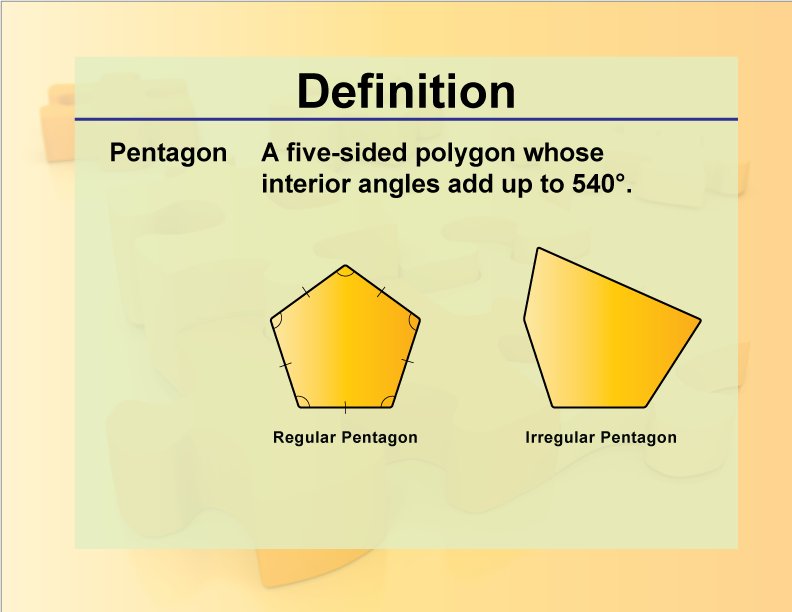
Beyond its visual application, the “pentagon” concept can also serve as a powerful metaphor for strategic frameworks in branding. Just as a pentagon has five distinct sides that form a cohesive whole, a brand strategy can be built upon five core pillars, principles, or components that collectively define its strength and direction. This five-point approach offers a robust and comprehensive model for developing and managing a brand’s identity and market presence.
The “Pentagon” Approach to Brand Strategy
A “pentagon” approach to brand strategy involves identifying five fundamental elements that are critical to a brand’s success and ensuring they are harmoniously integrated. These five points might represent:
- Purpose: The core reason for the brand’s existence, its mission, and values.
- Positioning: How the brand differentiates itself in the market and its unique value proposition.
- Personality: The brand’s tone of voice, character, and how it connects emotionally with its audience.
- Promise: The consistent benefit or experience the brand guarantees to its customers.
- Perception: How the brand is actually seen and understood by its audience, and strategies to manage this.
By defining and continually refining these five interconnected areas, a brand can achieve a consistent and impactful presence. Each “side” of this strategic pentagon supports the others, creating a resilient and well-rounded brand identity that is less susceptible to market shifts or competitive pressures. This framework provides a clear roadmap for decision-making across all brand touchpoints.
Building Comprehensive Brand Ecosystems
The five-point framework is also invaluable for building comprehensive brand ecosystems. In today’s multi-channel environment, a brand must maintain consistency across digital platforms, physical spaces, customer service interactions, and product design. The pentagon model can help ensure that every component of this ecosystem reinforces the brand’s core message. For example, a brand might use the five points to guide:
- Customer Journey Mapping: Identifying five key stages where brand consistency is paramount.
- Product Development: Ensuring five core brand attributes are present in every new offering.
- Marketing Campaigns: Crafting five interconnected messaging pillars that resonate across different media.
- Internal Culture: Defining five values that employees embody to deliver the brand promise.
This structured approach ensures that the brand’s essence is not diluted or fragmented but rather strengthened through a holistic and integrated application across all operational facets. It’s about creating a unified front where every element, like the sides of a pentagon, contributes to the overall strength and integrity of the brand.
Designing with Purpose: Incorporating the Pentagon in Visual Identity
When it comes to the tangible expression of a brand, the pentagon can be a potent visual asset. Its distinct form can be integrated into various aspects of visual identity, from a primary logo to recurring design elements, to reinforce a brand’s desired attributes.
Logo Design and Brand Marks
The most direct application of the pentagon is in logo design. A stylized pentagon or a five-pointed star can instantly communicate the qualities of strength, security, and strategic thinking. Brands seeking a modern yet established look often gravitate towards this shape. It offers a balance between the simplicity of basic forms and the uniqueness that makes a logo memorable. Designers can manipulate the pentagon’s angles, fill, and outlines to convey different nuances—a solid, bold pentagon for unwavering authority, or an open, outlined one for transparency and structure. The key is to ensure the design remains clean, scalable, and adaptable across all media.
Architecture of Brand Experience
Beyond the logo, the pentagon can inform the broader architecture of a brand’s visual experience. This might manifest in the layout of physical spaces, such as retail stores or corporate offices, where five distinct zones or design principles are consistently applied. In digital interfaces, the pentagon’s angularity and symmetry can inspire navigation menus, icon sets, or data visualization elements that feel robust and intuitive. Using recurring five-sided motifs or patterns can create a cohesive visual language that subtly reinforces the brand’s core values, guiding user perception and interaction.
Digital Presence and User Interface
In the digital realm, where first impressions are often instantaneous, the visual impact of shapes is paramount. A pentagon can be integrated into website layouts, app icons, and social media graphics to create a distinctive and memorable digital footprint. Its strong geometric presence can anchor elements on a page, providing a sense of order and hierarchy. Furthermore, when animated, the pentagon can represent transformation, growth, or a multi-faceted process, adding dynamism to a brand’s online storytelling. Its structure can also be used in infographics or data dashboards, where five key metrics or insights are presented in a clear, impactful ‘pentagon’ arrangement.
The Unseen Impact: How Angularity Shapes Perception
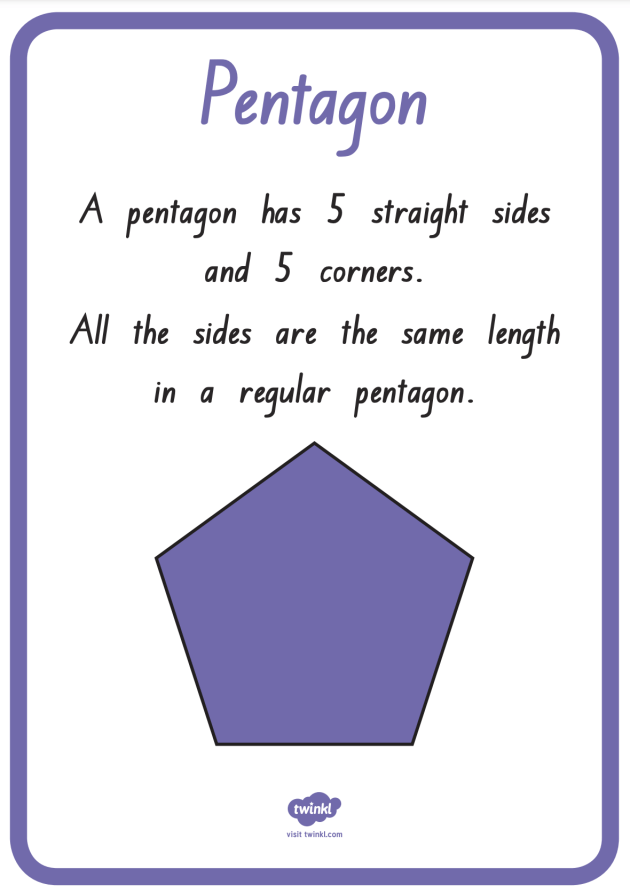
Ultimately, the meaning of a pentagon in branding extends beyond its literal shape or strategic framework. It delves into the subconscious impact of angularity and structured forms on human perception. In a world saturated with visual information, shapes like the pentagon offer a sense of clarity, reliability, and considered design. They speak to a brand’s commitment to precision, its foundation in solid principles, and its authoritative stance. By understanding and deliberately employing such fundamental geometric meanings, brands can sculpt not just their visual identity, but the very way they are understood and trusted by their audience. The pentagon, in its essence, represents a thoughtfully constructed entity, designed to endure and inspire confidence.
aViewFromTheCave is a participant in the Amazon Services LLC Associates Program, an affiliate advertising program designed to provide a means for sites to earn advertising fees by advertising and linking to Amazon.com. Amazon, the Amazon logo, AmazonSupply, and the AmazonSupply logo are trademarks of Amazon.com, Inc. or its affiliates. As an Amazon Associate we earn affiliate commissions from qualifying purchases.