
The Strategic Branding of an Archetypal Adversary
The enduring presence of Satan as a concept, a character, and a profound influence in Western thought owes much to the strategic and consistent narrative deployed within the Bible. Far from a random compilation of ideas, the biblical texts meticulously construct a “brand identity” for this archetypal adversary, establishing his attributes, motivations, and impact with remarkable coherence across millennia. This process can be viewed as an intricate exercise in narrative branding, where a complex figure is introduced, developed, and positioned within a grand cosmic drama, ensuring his recognition and resonance across diverse audiences and historical periods.

The “branding” of Satan in the Bible commences with his introduction not merely as a force of evil, but as a distinct entity with a specific, multifaceted role. His presence is woven into critical junctures of biblical history, from the initial temptation in the Garden of Eden to his ultimate defeat foretold in Revelation. This consistent thread of appearance and action helps to solidify his identity. Like any effective brand, Satan’s biblical portrayal is characterized by clarity and repetition of core messages, ensuring that his role as antagonist is unmistakable. His brand is built on opposition, cunning, and a consistent challenge to divine authority, making him a compelling and memorable figure within the overarching narrative.
Defining Satan’s Brand Identity: Key Attributes and Messaging
At the heart of Satan’s biblical brand are his defining attributes, which serve as consistent “brand pillars.” He is consistently identified as:
- The Tempter: From the serpent in Eden (Genesis 3) enticing Eve, to directly challenging Jesus in the wilderness (Matthew 4, Luke 4), Satan’s primary modus operandi is temptation. This positioning highlights his role in human moral failings and the struggle against sin.
- The Accuser: In the book of Job, Satan is portrayed as one who “goes to and fro on the earth, and from walking up and down on it,” specifically to accuse humanity before God (Job 1:7, 2:2). Revelation 12:10 further identifies him as “the accuser of our brothers, who accuses them before our God day and night.” This attribute frames him as a legalistic adversary, constantly seeking fault and condemnation.
- The Deceiver: He is described as the one “who deceives the whole world” (Revelation 12:9). His methods involve subtle manipulation, half-truths, and obfuscation, undermining trust and leading astray. This messaging warns against hidden dangers and the distortion of truth.
- The Adversary: The very name “Satan” (Hebrew: śāṭān) means “adversary” or “accuser.” This foundational aspect of his identity establishes him as the primary opposition to God and humanity. This “competitive branding” positions him squarely against the divine agenda of creation, redemption, and human flourishing.
These attributes are not merely listed but are actively demonstrated through narratives, reinforcing the brand’s message. The stories illustrate his consistent motivations: pride, rebellion against divine sovereignty, and a desire to thwart God’s plans. This strategic deployment of character development ensures that his “messaging”—doubt, pride, rebellion, corruption—is not only articulated but also vividly depicted through consequential actions and events. The Bible’s careful crafting of these characteristics ensures that, despite varying interpretations over time, the core brand identity of Satan remains remarkably intact.
Narrative Design: Crafting a Formidable Antagonist
The biblical approach to presenting Satan is a masterclass in narrative design, creating an antagonist whose presence profoundly impacts the overarching plot and thematic depth. The Bible doesn’t offer a single, exhaustive biography of Satan, but rather strategically reveals aspects of his origin, nature, and activities through different literary genres—from historical narratives and prophetic visions to poetic laments and epistolary warnings. This fragmented yet consistent revelation builds an aura of mystery and ancient power, enhancing his efficacy as a narrative device.
A key element of this design is the strategic suggestion of his origin. While direct references are sometimes debated, passages like Isaiah 14:12-15 and Ezekiel 28:12-19 are often interpreted as alluding to Satan’s fall from a position of heavenly glory (often identified as “Lucifer,” “son of the morning”). This backstory, whether allegorical or literal, provides a compelling narrative arc for his character: a powerful, beautiful, and wise being corrupted by pride and rebellion. This “origin story” lends significant weight to his brand, explaining his animosity towards God and his subsequent mission to deceive humanity. It establishes him not as a primal force of chaos, but as a deliberate agent, a former insider who chose opposition—a far more compelling and insidious foe.
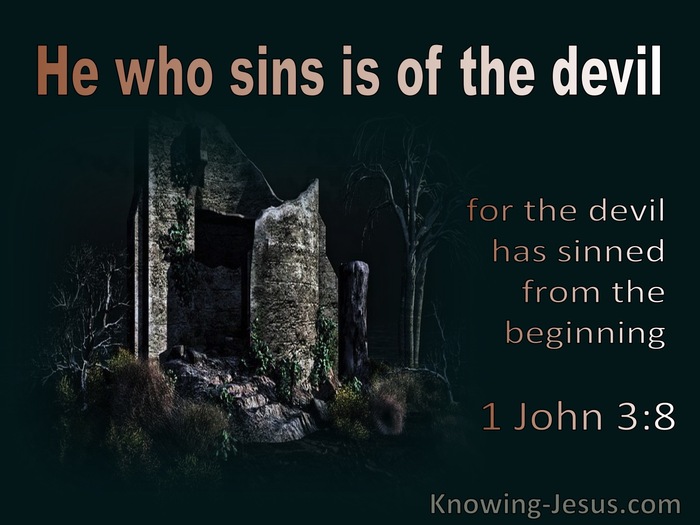
Furthermore, Satan’s appearances within key biblical narratives are not arbitrary but are carefully designed to advance the plot and underscore core theological themes. His role in the fall of humanity in Genesis 3 establishes the origin of sin and suffering, framing the entire biblical narrative as a saga of redemption. His temptation of Jesus in the wilderness is a pivotal moment, showcasing a direct confrontation between the Kingdom of God and the dominion of darkness, affirming Jesus’s identity and power. In Revelation, he is presented as the ultimate adversary in the cosmic war, leading forces against God’s people before his final defeat. These strategic placements ensure that Satan is not a peripheral character but a central figure whose actions drive critical developments in the biblical story.
Crucially, the Bible’s narrative design refrains from providing a fixed physical description of Satan. Instead, it focuses on his nature, his actions, and his influence. This deliberate ambiguity allows for broad interpretation and imaginative engagement across cultures, while simultaneously ensuring that his core identity—as an invisible, insidious, and powerful spiritual entity—remains consistent. This abstract “design” proves more potent than any fixed visual, making him adaptable to different cultural contexts and ensuring his symbolic power endures.
The Bible as a Case Study in Brand Resilience
The “brand” of Satan, as crafted by the Bible, stands as an extraordinary case study in brand resilience. For thousands of years, across vast geographical and cultural divides, the core attributes and messaging associated with Satan have persisted, influencing theological understanding, ethical frameworks, and countless cultural narratives. This longevity is not accidental but a testament to the strategic clarity and emotional resonance embedded within his biblical portrayal.
The consistency of the core message—Satan as the ultimate adversary, tempter, and deceiver—has been instrumental in his brand’s enduring power. Despite shifts in language, social norms, and scientific understanding, the fundamental concept of an opposing spiritual force, representing the inclination towards evil and rebellion, remains deeply embedded in the human psyche. The Bible’s narrative effectively “marketed” this concept by tying it to universal human experiences: temptation, suffering, choice, and the struggle between good and evil.
Moreover, the brand of Satan demonstrates remarkable adaptability. While his biblical foundations remain constant, the figure has been reinterpreted and symbolized in various forms throughout history—from the horned demon of medieval art to a metaphor for societal evils or psychological struggles in modern discourse. Yet, even in these adaptations, echoes of his biblical identity often remain, a testament to the strong foundational branding. This ability to resonate across different contexts without losing its core identity is a hallmark of a robust and well-established brand.
Influencing Perception: The Impact of Satan’s Biblical Brand
The biblical branding of Satan has profoundly shaped perception, not just within religious circles, but across the broader landscape of human culture, ethics, and philosophy. By meticulously delineating his character, motivations, and methods, the Bible effectively established a universal archetype for malevolence and opposition, influencing how societies conceptualize evil, temptation, and moral struggle.
The “brand” of Satan serves as a critical counterpoint to the “brand” of God within the biblical narrative, establishing a clear framework for cosmic conflict. This dualistic portrayal—though not positing two equal powers—clarifies the stakes involved in human existence. Satan’s consistent opposition highlights the gravity of moral choices and the profound consequences of aligning with either divine will or rebellious temptation. This strategic positioning reinforces the themes of personal responsibility, spiritual warfare, and the ultimate victory of good over evil, which are central to the biblical meta-narrative.
Beyond theological and ethical frameworks, the influence of Satan’s biblical brand extends significantly into literature, art, music, and philosophy. From Milton’s Paradise Lost to contemporary films and novels, the figure of Satan continues to inspire narratives that explore themes of rebellion, free will, corruption, and redemption. Artists across centuries have drawn upon the biblical descriptions and implications to create powerful visual representations that resonate with the collective imagination. Philosophers have grappled with the problem of evil, often using the biblical concept of Satan as a starting point for discussions on human nature and the origins of suffering. This pervasive cultural impact underscores the effectiveness of the Bible’s “marketing strategy” in embedding such a powerful and recognizable figure into the fabric of human thought.
In essence, “what the Bible says about Satan” is more than just a theological exposition; it is a masterclass in character branding. Through consistent narrative, clear attribute definition, strategic plot placement, and a resilient, adaptable identity, the biblical texts have created an antagonist whose “brand” has not only endured for millennia but continues to exert a significant influence on humanity’s understanding of good, evil, and the epic struggle that defines both personal and cosmic existence. This profound impact serves as a testament to the enduring power of strategically crafted narratives in shaping collective consciousness.
aViewFromTheCave is a participant in the Amazon Services LLC Associates Program, an affiliate advertising program designed to provide a means for sites to earn advertising fees by advertising and linking to Amazon.com. Amazon, the Amazon logo, AmazonSupply, and the AmazonSupply logo are trademarks of Amazon.com, Inc. or its affiliates. As an Amazon Associate we earn affiliate commissions from qualifying purchases.