
The dreaded pen ink stain on clothing is more than just an aesthetic blight; it represents a tangible financial threat to your wardrobe investment. From the immediate cost of a ruined garment to the long-term implications of rushed replacement purchases or expensive professional cleaning, understanding how to effectively remove ink stains is a critical component of savvy personal finance management. This article delves into the most effective strategies for ink removal, framed entirely through the lens of maximizing savings and preserving your assets.
The Hidden Cost of a Common Misstep
An ink stain isn’t merely a smudge; it’s a potential financial write-off. The immediate impulse might be to discard the item or send it to a professional cleaner, both of which carry significant monetary implications. Savvy personal finance requires a proactive approach to mitigating these costs.
Beyond the Stain: Replacement Value and Emotional Depreciation
Consider the actual replacement cost of a stained garment. A favorite work shirt, an expensive pair of designer jeans, or a beloved cashmere sweater carries a high financial burden if ruined. Even a less costly item, if part of a specific outfit or a rarely found piece, can incur a “search cost” beyond its purchase price. Furthermore, the psychological impact of losing a cherished item can lead to impulsive, financially suboptimal replacement purchases. Successfully removing a stain means preserving that initial investment and avoiding the additional expenditure of replacing the item, often under pressure. This directly translates to money saved and a more robust personal budget.
The Dry Cleaning Dilemma: Professional Help or DIY Savings?
Professional dry cleaning and specialized stain removal services offer expertise, but they come at a premium. While invaluable for delicate fabrics or stubborn stains after home attempts have failed, relying on them as a first resort can significantly inflate your household expenses. A single professional cleaning for a stained item can range from $10 to $50 or more, depending on the garment and the complexity of the stain. Over time, these costs accumulate. Developing an effective DIY stain removal arsenal and understanding the correct techniques can save hundreds, if not thousands, of dollars annually, redirecting those funds towards savings, investments, or other financial goals. The decision to attempt DIY removal versus professional service is, at its core, a cost-benefit analysis.
Cost-Effective Home Remedies: Your First Line of Defense
Before considering expensive commercial products or professional services, many common household items can serve as surprisingly effective and budget-friendly ink removers. Mastering these techniques can significantly reduce your outflow.
Alcohol-Based Solutions: From Rubbing Alcohol to Hand Sanitizer
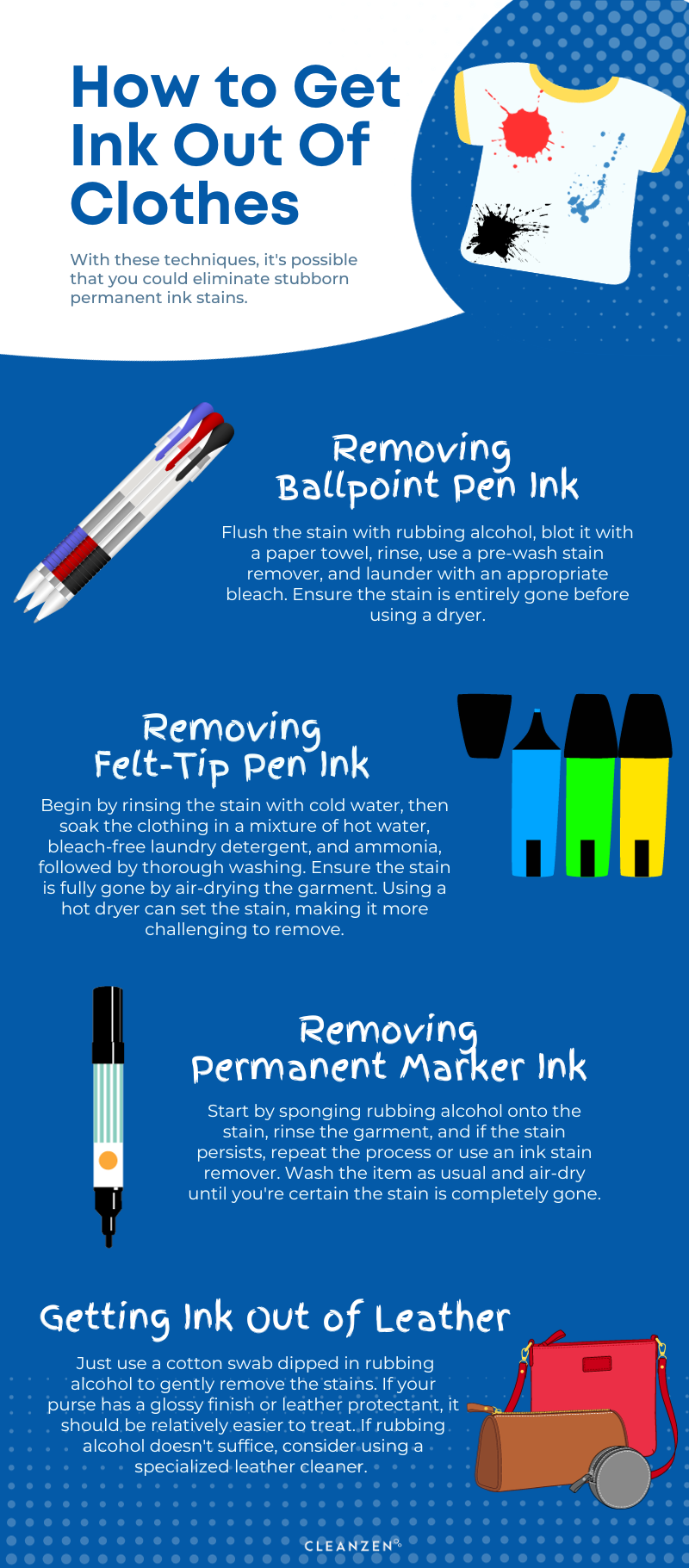
The most widely recommended and cost-effective remedy for many types of ink stains, particularly ballpoint pen ink, involves alcohol. Isopropyl rubbing alcohol (available for a few dollars a bottle) acts as a solvent, breaking down the ink pigments.
To apply:
- Preparation is Key: Place a clean, absorbent white cloth or paper towel under the stained area. This acts as a blotter, drawing the ink out of the fabric and preventing it from spreading to other parts of the garment. This step is critical for minimizing further damage and ensuring a successful, one-time removal process, thus saving on repeated attempts or additional products.
- Dab, Don’t Rub: Apply a small amount of rubbing alcohol to a separate clean cloth or cotton swab. Gently dab at the ink stain from the outside in. Rubbing can spread the ink and embed it deeper into the fibers, making removal harder and potentially necessitating more product or even professional help.
- Blot and Repeat: As the ink transfers to the clean cloth beneath, shift the garment to a fresh section of the absorbent material. Continue dabbing and blotting with fresh alcohol and clean parts of your application cloth until no more ink transfers.
- Rinse and Wash: Once the visible ink is gone, thoroughly rinse the area with cold water. Then, wash the garment as usual according to its care label, preferably with a high-quality laundry detergent. Crucially, do not put the garment in a dryer until you are certain the stain is completely gone, as heat can permanently set any remaining ink, leading to irreversible damage and necessitating replacement.
Other alcohol-based products like hand sanitizer (ensure it has a high alcohol content, ideally 60% or more), hairspray (check for alcohol as an active ingredient), or even clear distilled spirits (like vodka) can act in a similar fashion in a pinch, though rubbing alcohol remains the most potent and economical choice. Utilizing these items efficiently leverages existing household resources, demonstrating smart financial stewardship.
Dairy and Detergent: Old Wives’ Tales with Modern Relevance
While alcohol is often the go-to, other household items have earned their place in the stain removal lexicon, especially for certain ink types or when alcohol isn’t readily available.
- Milk (especially for fountain pen ink): For certain water-based inks, soaking the stained area in milk overnight can sometimes help lift the stain. While this might seem unconventional, the fats and proteins in milk can interact with the ink. This is a very low-cost method if you have milk on hand and are dealing with a compatible ink type.
- Dish Soap and Water: A strong solution of dish soap and water can be surprisingly effective for fresh ink stains. Dish soap is designed to cut through grease and grime, and some inks have oil-based components. This is a universal, very inexpensive cleaner that most households already possess. Apply a small amount of dish soap directly to the stain, work it gently into the fabric, let it sit for a few minutes, then rinse and wash.
- White Vinegar: For some ink types, especially those with a slight acidity, a solution of white vinegar and water can be beneficial. White vinegar is another versatile, budget-friendly household staple with cleaning properties.
The beauty of these methods lies in their low cost and accessibility. By experimenting with these readily available solutions, you can often save the expense of specialized products while achieving satisfactory results.
The Importance of Immediate Action and Proper Technique
Timing is everything in stain removal, particularly for ink. Fresh ink is significantly easier and cheaper to remove than set-in ink. The longer an ink stain sits, the more it bonds with the fabric fibers, increasing the likelihood of permanent damage and the need for more aggressive, potentially costly, treatments or even replacement.
Proper technique is equally important. Gentle blotting, always from the outside of the stain inwards, and placing an absorbent material underneath are fundamental to preventing the stain from spreading or embedding deeper. Rushing the process or using abrasive methods can damage the fabric, devaluing the garment even if the stain is partially removed. A systematic and patient approach, while requiring a small investment of time, yields significant financial returns by preserving your clothing’s value.

Smart Spending on Specialized Stain Removers
While home remedies are excellent first steps, some ink types or stubborn stains may necessitate the purchase of specialized commercial products. Even here, a financially astute approach involves understanding product efficacy, reading labels, and making informed purchasing decisions.
When to Invest: Understanding Product Chemistry and Efficacy
Commercial ink removers are formulated with specific solvents or enzymes designed to break down ink pigments more aggressively than general household cleaners. Products containing ingredients like amyl acetate, acetone, or enzyme blends are often more effective for particularly tough oil-based or permanent inks.
- Acetone-based removers: Effective for many inks, but must be used with extreme caution on synthetic fabrics like acetate or rayon, as acetone can dissolve them. Always patch-test in an inconspicuous area.
- Enzyme-based cleaners: Good for protein-based stains but less common for ink.
- Specific ink removers: Some brands offer products specifically marketed for ink. These often contain a cocktail of solvents tailored for various ink types.
Investing in a specialized product is justified when:
- Home remedies have failed after multiple, careful attempts.
- The garment is high-value and its replacement cost far exceeds the cost of the remover.
- The ink is a known “tough” type (e.g., permanent marker, certain gel inks).
Always calculate the potential savings from preserving the garment against the cost of the specialized product. A $10-15 stain remover is a wise investment if it saves a $100 shirt.
Reading Labels: Maximizing Value and Avoiding Damage
Before purchasing any specialized remover, diligently read the product label and your garment’s care tag.
- Fabric Compatibility: Ensure the product is safe for your fabric type. Ignoring this can lead to bleaching, discoloration, or fabric damage, rendering the garment unusable and negating any potential savings.
- Ink Type: Some removers specify the types of ink they are most effective against (e.g., ballpoint, permanent marker).
- Instructions: Follow the instructions precisely. Using too much product or leaving it on for too long can be counterproductive and costly.
A careful reading of labels prevents costly mistakes, ensures you’re buying the most effective product for your specific need, and maximizes the return on your cleaning product investment.
Bulk Buying and DIY Concoctions: Weighing the Savings
For frequently used products like rubbing alcohol or a favorite commercial stain stick, consider buying in bulk when sales occur. Unit pricing often significantly favors larger containers, leading to long-term savings. Similarly, for those inclined towards sustainable and ultra-economical practices, exploring DIY cleaning solutions using common ingredients like baking soda, hydrogen peroxide, or borax for other stain types can further reduce reliance on expensive store-bought products. While specific for ink, understanding the principles of ingredient economy applies broadly to household management. The upfront cost of these base ingredients is negligible compared to repeated purchases of specialized cleaners.
Long-Term Savings: Protecting Your Wardrobe Investment
Effective ink stain removal is not just about saving a single item; it’s a critical component of a broader financial strategy for wardrobe maintenance and personal asset protection.
Stain Prevention as a Financial Strategy
The most financially prudent approach to ink stains is prevention. Simple habits can dramatically reduce the likelihood of costly incidents:
- Cap Your Pens: Always recap pens when not in use.
- Check Pockets: Before laundry, always check pockets for pens, markers, and other items that could bleed or cause damage.
- Mindful Writing: Be cautious when writing near clothing or wearing expensive garments.
- Pen Choice: Consider using pens with less prone-to-leak ink for daily carry, or those with retractable mechanisms.
These seemingly minor habits require no monetary investment but yield immense financial dividends by eliminating the problem before it starts, saving not only the cost of potential damage but also the time and effort required for removal.
Extending Garment Lifespan: A Sustainable Approach to Personal Finance
Every successful stain removal extends the life of a garment. This directly translates to cost savings by delaying replacement purchases. In an era where “fast fashion” often encourages rapid consumption, learning to care for and repair clothing promotes a more sustainable and financially responsible approach to personal style. By preserving the items you already own, you reduce your overall spending on clothing and contribute to a more environmentally conscious lifestyle, aligning personal finance with broader sustainability goals.

Educating for Economy: Sharing Best Practices
Finally, sharing knowledge about effective, cost-saving stain removal techniques empowers others to make smarter financial decisions regarding their clothing. Whether it’s teaching children how to handle ink accidents or advising friends on economical cleaning methods, this collective knowledge reduces unnecessary spending across households. Investing time in learning and applying these techniques pays dividends not just for your wallet, but also for fostering a culture of mindful consumption and financial prudence in everyday life.
aViewFromTheCave is a participant in the Amazon Services LLC Associates Program, an affiliate advertising program designed to provide a means for sites to earn advertising fees by advertising and linking to Amazon.com. Amazon, the Amazon logo, AmazonSupply, and the AmazonSupply logo are trademarks of Amazon.com, Inc. or its affiliates. As an Amazon Associate we earn affiliate commissions from qualifying purchases.