
The landscape of indoor smoking regulations across the United States is a complex, ever-shifting mosaic, directly influencing the financial health and operational strategies of numerous businesses, particularly within the hospitality and gaming sectors. While the national trend has overwhelmingly leaned towards stricter bans on indoor smoking in public places, a critical examination reveals a nuanced picture with significant economic implications for the states and establishments that maintain more permissive policies. Understanding these varying regulations is not merely a matter of public health but a deep dive into the business finance, investment decisions, and revenue streams impacted by consumer habits and legislative frameworks.
The Evolving Landscape of Indoor Smoking Regulations and Economic Impact
The journey from widespread indoor smoking to today’s restrictive environment has been marked by scientific advancements, public health advocacy, and legislative action. However, this evolution has not been uniform, creating a patchwork of policies that present both challenges and unique opportunities for businesses operating within different state jurisdictions.
A Patchwork of Policies Across the Nation
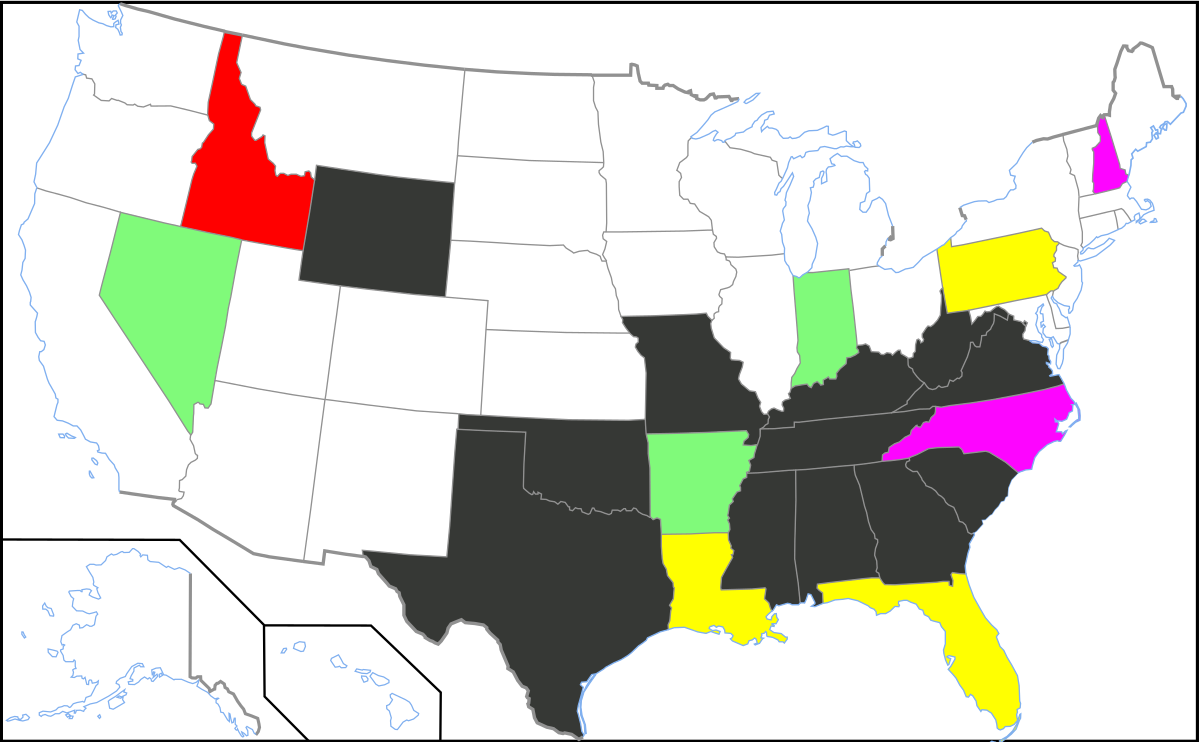
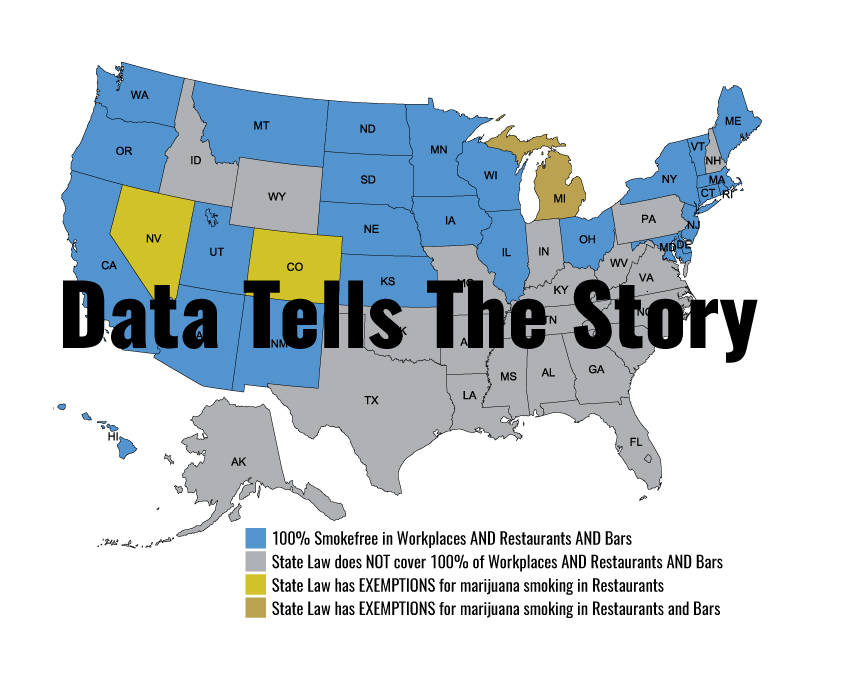
While 28 states and the District of Columbia have enacted comprehensive bans on smoking in all enclosed workplaces, restaurants, and bars, a significant number of states retain carve-outs or more limited restrictions. For instance, some states allow smoking in designated areas within bars or restaurants, while others specifically exempt casinos, private clubs, or cigar/vape lounges. States like Pennsylvania, Mississippi, and Florida, for example, have substantial exemptions for casinos or specific types of establishments. Nevada, a major gaming hub, notoriously has a more lenient approach, allowing smoking on casino floors, albeit with increasing pressure for voluntary restrictions or designated non-smoking areas from individual operators.
These policy differences create distinct competitive environments. Businesses in states with more permissive laws might attract a specific demographic of customers—smokers who are willing to travel or frequent establishments where they can smoke indoors. This potential market segment can translate into higher foot traffic and associated revenue for these specific venues. Conversely, businesses in states with comprehensive bans often report increased patronage from non-smokers and families, potentially broadening their customer base and improving their long-term financial viability by appealing to a wider demographic. The challenge for businesses and policymakers, then, is to quantify these trade-offs in terms of direct revenue, operational costs, and the broader economic health of the hospitality industry.
Historical Context and the Shift Towards Restriction
The initial wave of indoor smoking bans in the late 1990s and early 2000s was often met with dire predictions of economic collapse for bars, restaurants, and casinos. Critics argued that such bans would drive away customers, reduce sales, and ultimately lead to business closures and job losses. However, numerous independent studies conducted over the past two decades have largely debunked these fears. Research published by organizations such as the Centers for Disease Control and Prevention (CDC) and various university studies have consistently shown that, in the aggregate, comprehensive indoor smoking bans have had either a neutral or positive financial impact on the hospitality industry.
These studies often point to factors like increased patronage from non-smokers, reduced cleaning and maintenance costs (e.g., less damage to furniture, fewer lingering odors requiring extensive ventilation), and potentially lower insurance premiums over time due to a healthier working environment. The long-term financial benefits of a healthier workforce, including reduced absenteeism and healthcare costs, also become a silent but significant asset. For states and municipalities, the shift towards restriction has been framed not only as a public health imperative but also as a fiscally responsible decision, reducing societal healthcare burdens associated with secondhand smoke exposure.
Financial Implications for Businesses: Hospitality and Gaming
The varied regulatory landscape directly impacts the financial models, revenue streams, and investment strategies of businesses, particularly within the hospitality and gaming industries. These sectors are highly sensitive to customer experience and local regulations.
Bars, Restaurants, and Private Clubs: Revenue and Operational Shifts
For bars, restaurants, and private clubs, the ability to permit indoor smoking can be a double-edged sword. In states or localities where it’s allowed, these establishments may see a concentrated market of smoking patrons who prefer a venue where they can smoke without having to go outside. This can lead to increased dwell time and higher average checks, especially for establishments catering to a mature, social clientele. However, the operational costs can also be higher. Enhanced ventilation systems are often necessary to manage smoke, leading to higher utility bills and maintenance expenses. Increased cleaning efforts are also required to mitigate smoke residue and odors, adding to labor costs. Furthermore, attracting non-smoking patrons can be challenging, potentially limiting the overall market reach and future growth prospects.
Conversely, establishments in ban-compliant areas often reallocate resources. Money saved on advanced ventilation and intensive cleaning can be reinvested in enhancing the non-smoking atmosphere, improving décor, or expanding food and beverage offerings. Many businesses report a significant increase in family patronage and a broader customer base, leading to more stable, diversified revenue streams. The decision to allow or ban indoor smoking, therefore, isn’t just a regulatory compliance issue; it’s a strategic business choice with profound implications for customer acquisition, operational expenditures, and ultimately, profitability.
The Casino Conundrum: Balancing Revenue with Health Concerns
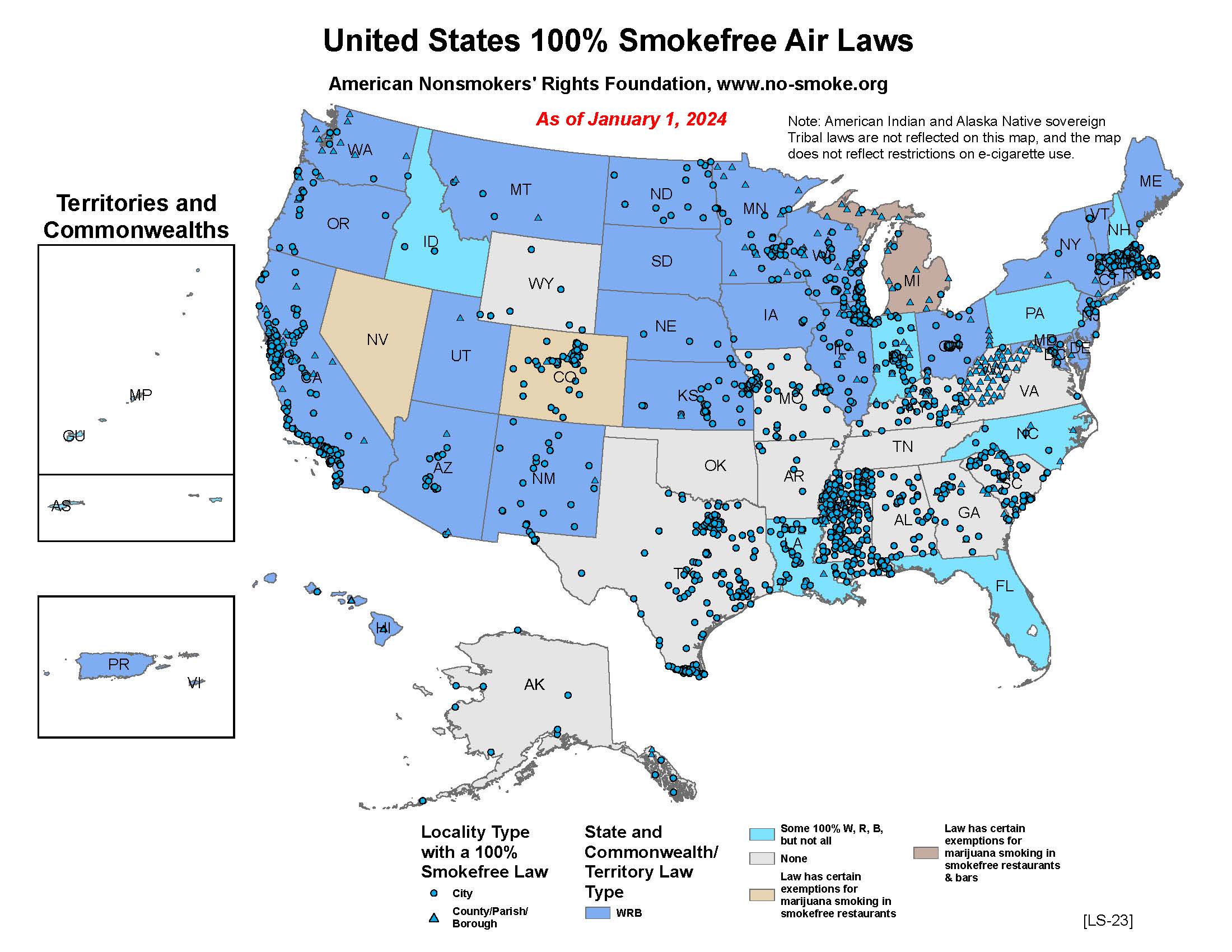
Casinos represent a particularly thorny issue in the indoor smoking debate due to their unique business model and substantial economic impact on many states. Historically, many casinos have fought fiercely to retain indoor smoking, arguing that a ban would lead to a significant drop in gaming revenue, as a substantial portion of their high-value clientele are smokers. States like Nevada, New Jersey (with specific exemptions for casino gaming floors), Pennsylvania, and Mississippi are notable examples where casinos still permit smoking in designated areas or across the gaming floor.
The financial data regarding casino smoking bans is mixed and hotly debated. While some studies have shown short-term revenue dips immediately following a ban, others demonstrate a recovery and even growth in the long run. The argument often made by casino operators is that gaming is an intensely competitive industry, and even a slight disadvantage could send patrons to neighboring states or tribal casinos where smoking is permitted. This perceived risk directly influences investment decisions in new facilities, expansions, and marketing strategies.
However, a growing number of casinos are voluntarily implementing 100% smoke-free policies, even where not mandated by law, driven by shifting consumer preferences, employee welfare, and a desire to attract a broader, often younger, demographic of non-smoking gamblers. These operators are betting on the long-term financial benefits of a cleaner, healthier environment outweighing any potential short-term loss from smoking patrons, seeing it as an investment in future market share and brand reputation.
Hotel Policies and Guest Experience
For hotels, indoor smoking policies primarily affect guest rooms and common areas. While almost all major hotel chains have shifted to 100% smoke-free policies for guest rooms, some boutique hotels or smaller independent establishments, particularly in more permissive states, might still offer smoking rooms. The financial trade-off here is stark: the potential revenue from a smoking guest vs. the significant cleaning and refurbishment costs associated with turning over a smoking room (which can be several times higher than a non-smoking room) and the potential negative impact on future non-smoking guests due to lingering odors. The prevailing financial wisdom among major hotel groups favors comprehensive bans, citing reduced operational costs, enhanced guest satisfaction, and protection of asset value.
State Budgets and Tax Revenue: A Complex Equation
For state governments, indoor smoking regulations are not just about public health; they are intricately linked to fiscal policy, tax revenue, and economic development strategies.
Weighing Public Health Costs Against Tax Receipts
States derive significant tax revenue from tobacco sales, gaming, and hospitality. A widespread ban on indoor smoking could theoretically reduce tobacco consumption, impacting excise tax revenue, and, as some argue, dampen the profitability of casinos and bars, thus affecting sales and property taxes. However, this perspective often overlooks the substantial public health costs associated with treating smoking-related illnesses and secondhand smoke exposure. A healthier population, fostered by smoke-free environments, can lead to lower state healthcare expenditures in the long term, potentially offsetting any perceived short-term revenue loss. Moreover, a healthier workforce is generally more productive, contributing to overall economic growth and a stronger tax base from other sectors.
Tourism and Economic Development Considerations
States vying for tourism dollars often weigh the appeal of their hospitality infrastructure. A smoke-free environment can be a significant draw for families and health-conscious travelers, potentially increasing tourism revenue over time. Conversely, a state that maintains permissive smoking laws in key tourism sectors like casinos might attract a specific niche of travelers but risk alienating a larger segment. Economic development strategies increasingly prioritize quality of life and public health metrics as indicators of a desirable business and living environment. Thus, indoor smoking policies are subtly integrated into a state’s overall brand and economic competitiveness.
Investment Decisions and Future Business Models
The ongoing evolution of indoor smoking laws profoundly influences where businesses choose to invest and how they structure their operations for future growth.
Adapting to Change: Innovation in Hospitality
Businesses in states that have embraced smoke-free policies have often been forced to innovate. This has led to the creation of appealing outdoor patios, designated smoking areas away from main entrances, and enhanced non-smoking amenities. These innovations represent investment decisions aimed at diversifying revenue streams and adapting to changing consumer preferences. For example, bars might invest in elaborate outdoor heating and seating to accommodate smokers, while simultaneously enhancing their indoor entertainment to attract non-smokers. This strategic adaptation is key to maintaining financial viability in a dynamic regulatory environment.
The Long-Term Financial Outlook for Affected Industries
The overarching trend suggests that businesses and states that proactively embrace smoke-free environments are positioning themselves for long-term financial stability and growth. While some niche markets may continue to cater to smokers, the broader economic forces favor policies that prioritize public health and a wider consumer base. Investors in the hospitality and gaming sectors are increasingly scrutinizing environmental, social, and governance (ESG) factors, and a strong commitment to public health, including smoke-free policies, can enhance a company’s appeal and valuation. The states that still allow indoor smoking are increasingly outliers, facing ongoing pressure to align with the national trend, and their long-term financial strategies must account for this inevitable shift.
aViewFromTheCave is a participant in the Amazon Services LLC Associates Program, an affiliate advertising program designed to provide a means for sites to earn advertising fees by advertising and linking to Amazon.com. Amazon, the Amazon logo, AmazonSupply, and the AmazonSupply logo are trademarks of Amazon.com, Inc. or its affiliates. As an Amazon Associate we earn affiliate commissions from qualifying purchases.