
In an increasingly digital world, the tangible elements of brand interaction often stand out with amplified significance. Among these, the humble sheet of paper, particularly when thoughtfully chosen and presented, can become a powerful ambassador for a brand’s identity and values. The “executive size” paper, while not as ubiquitous as Letter or A4, carries with it a distinct connotation of purpose, prestige, and a meticulous attention to detail that can strategically enhance a brand’s corporate identity and messaging.
Beyond Dimensions: The Strategic Role of Paper in Corporate Identity
Paper is rarely just paper. In the realm of corporate identity and brand strategy, every touchpoint a customer or stakeholder encounters contributes to the overall perception of an organization. From the digital interface of a website to the physical texture of a business card, these elements are carefully curated to tell a brand’s story. Paper, especially in professional contexts, serves as a silent yet potent communicator, often conveying more than the words printed upon it.
The Tangible Touchpoint of Your Brand
Physical documents – proposals, contracts, reports, personalized correspondence, and presentations – are tangible extensions of a brand. They represent a direct, physical interaction with the company’s ethos. The quality, format, and even the subtle feel of the paper can instantly signal professionalism, reliability, and value. A flimsy, poorly printed document on standard stock might inadvertently suggest a lack of attention or investment, potentially undermining the brand’s perceived quality or seriousness. Conversely, a well-designed document on premium, appropriately sized paper can create an immediate impression of importance and sophistication.
First impressions are paramount, and in many high-stakes business scenarios, a physical document may be the initial or most significant tangible encounter. Consistency across all brand touchpoints, both digital and physical, is a cornerstone of strong brand building. When a brand’s digital presence exudes sophistication, but its physical output feels generic or anachronistic, it creates a dissonance that can erode trust and diminish impact. Choosing a distinctive paper size like executive, therefore, isn’t merely a practical decision; it’s a strategic branding choice designed to reinforce a particular image and message.
Demystifying Executive Size: The Specifics
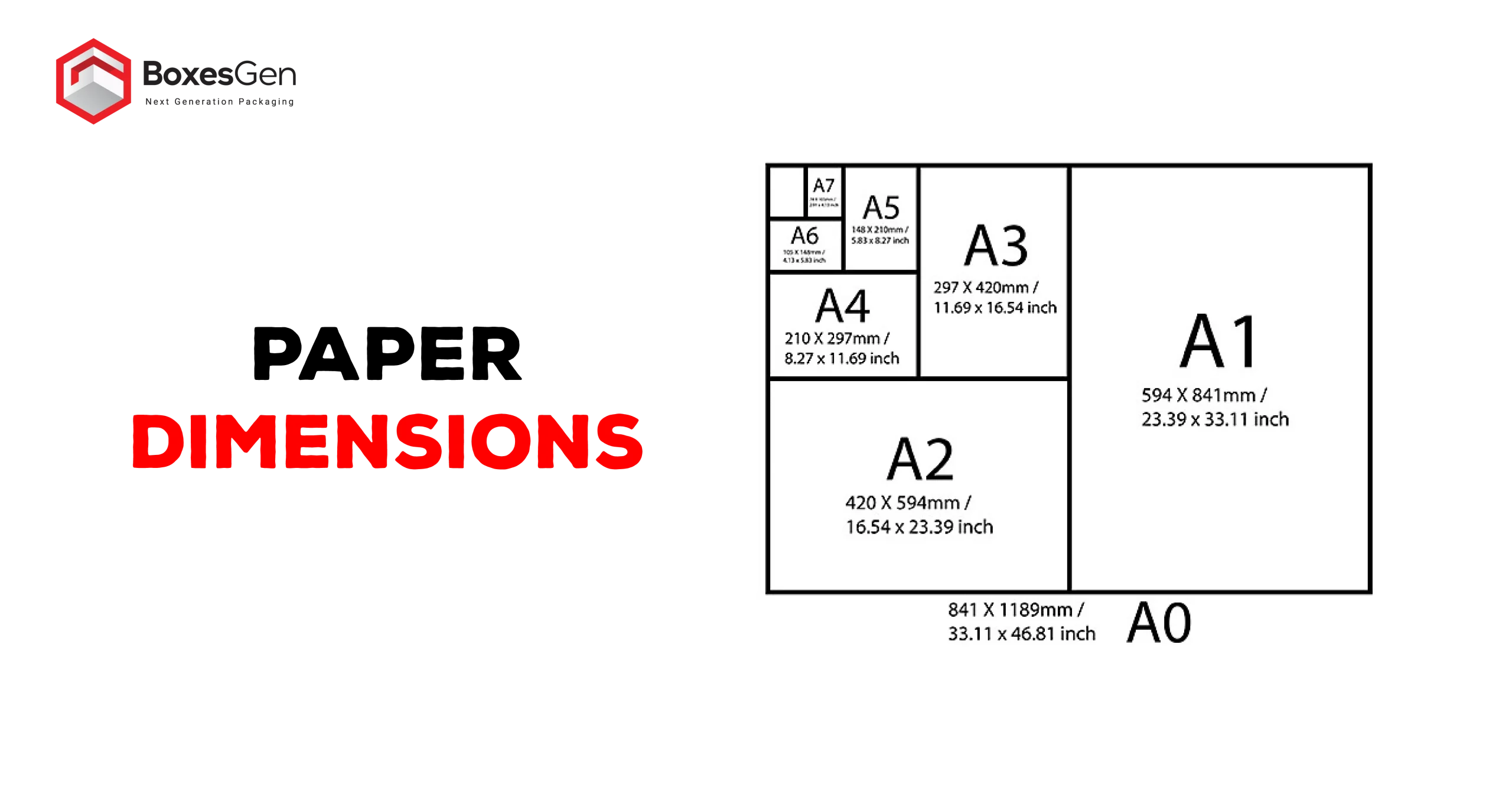
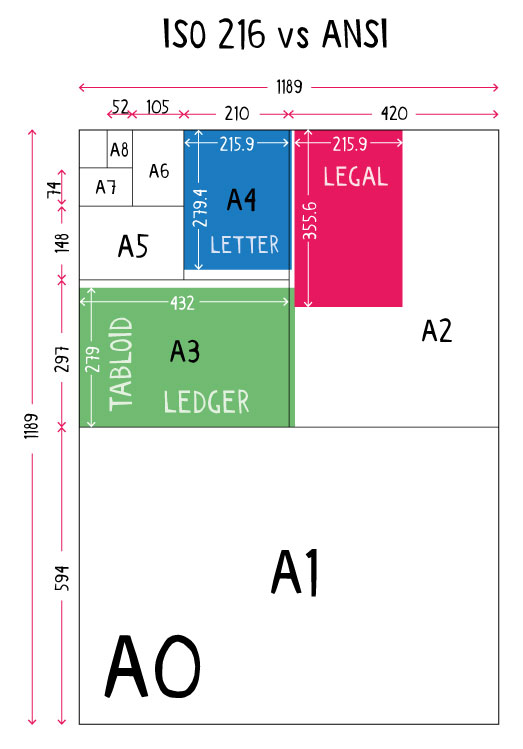
To harness its strategic potential, it’s crucial to first understand what “executive size” paper actually is. Executive paper measures 7 x 10 inches (or approximately 178 x 254 mm). This dimension places it squarely between a standard Letter size (8.5 x 11 inches) and a Half Letter size (5.5 x 8.5 inches), or between A4 (210 x 297 mm) and A5 (148 x 210 mm) in the ISO standard.
The choice of “executive” as its descriptor is not accidental. Historically, and still today, this size has been favored for internal memoranda among senior leadership, specialized reports, and highly personalized correspondence where the content’s importance is matched by the format’s understated elegance. It’s a size that is notably smaller than the everyday document, making it feel more focused, deliberate, and perhaps, more confidential or exclusive. This distinctiveness is precisely what lends it power in a brand context, offering a subtle differentiation from the mainstream. Unlike the utilitarian nature often associated with standard sizes, executive paper speaks to a refined aesthetic and a purpose-driven approach to communication.
Crafting Perception: How Executive Size Elevates Your Brand Messaging
The deliberate selection of executive size paper is a nuanced yet powerful branding strategy that transcends mere functionality. It’s about shaping perception, conveying an unspoken message, and aligning the physical presentation with the brand’s overarching values and aspirations.
The Psychology of Formats
Why opt for a size that deviates from the common Letter or A4? The answer lies in the subtle psychological impact of visual and tactile cues. In a world saturated with standard formats, something different immediately catches the eye and registers as unique. Executive size paper, by virtue of its less common dimensions, inherently suggests exclusivity, importance, and a bespoke quality. It implies that the content within is significant enough to warrant a specialized format, distinct from the bulk of everyday documentation. This subtle deviation from the norm creates an impression of custom care and thoughtful consideration.
Brands often seek to communicate an attention to detail that permeates every aspect of their operations. The choice of executive size paper powerfully reinforces this message. It suggests a meticulousness that extends beyond the content itself, implying a deeper commitment to excellence and a refusal to settle for generic solutions. For brands operating in luxury markets, high-stakes consulting, legal services, or premium finance, this psychological underpinning is invaluable. It helps position the brand as one that understands nuance, values precision, and invests in creating a distinguished experience for its clients and partners.
Ideal Applications for Executive Presence
The distinctive nature of executive size paper makes it particularly well-suited for specific applications where the brand intends to convey a heightened sense of professionalism, exclusivity, or personalized attention. These applications often involve critical communications where impact and perception are paramount:
- High-Value Proposals and Contracts: For pitches to key clients or formal contractual agreements, presenting documents on executive size paper can elevate their perceived importance and seriousness. It suggests a customized approach rather than a mass-produced offering.
- Personalized Correspondence to VIPs: When communicating with top-tier clients, high-net-worth individuals, or influential stakeholders, a letter on executive stationery feels more intimate and significant than one on standard paper. It underscores the personalized nature of the message and the respect afforded to the recipient.
- Invitations to Exclusive Events: For corporate galas, private product launches, or executive retreats, invitations printed on executive size paper can immediately set a tone of exclusivity and sophistication, signaling that the event itself is of a premium caliber.
- Executive Summaries and Board Reports: Internally, for documents destined for senior leadership or board members, this size can underscore the strategic importance of the content, making it feel more concise, focused, and executive-level.
- Luxury Brand Documentation: Brands dealing in luxury goods, high-end services, or bespoke experiences can leverage executive paper for their brochures, product inserts, or personalized thank-you notes, reinforcing their premium market positioning.
In each of these scenarios, the deliberate choice of executive size paper is a strategic move to differentiate the communication, elevate its perceived value, and align it seamlessly with a brand’s overarching narrative of quality, exclusivity, and meticulous professionalism.

Integrating Executive Paper into Your Brand’s Design Ecosystem
Adopting executive size paper isn’t just about selecting a dimension; it’s about thoughtfully integrating this choice into the broader visual and experiential identity of your brand. This requires careful consideration of design principles, printing logistics, and consistency across all mediums.
Design Considerations for a Distinct Format
The smaller, more elongated aspect ratio of executive paper presents unique design challenges and opportunities. Existing brand templates and layouts designed for Letter or A4 will likely need significant adaptation to ensure legibility, visual hierarchy, and aesthetic appeal.
- Layout and Typography: Designers must optimize content placement, column structures, and font sizes to prevent a cramped or sparse appearance. White space becomes even more crucial; effectively utilized, it enhances readability and conveys sophistication. Too little white space can make the document feel overwhelming, while too much might make it seem incomplete.
- Visual Hierarchy: The inherent focus of executive size lends itself well to concise, impactful messaging. Design should guide the reader’s eye efficiently through key points, leveraging typography, bolding, and subtle graphic elements to create a clear visual hierarchy.
- Adapting Branding Guidelines: Core brand elements—logos, color palettes, imagery—must be seamlessly integrated into the new format. This might involve scaling logos appropriately, ensuring brand colors print accurately on potentially different paper stocks, and selecting imagery that maintains impact despite the smaller canvas.
- Custom Stationery Design: For a truly cohesive brand experience, custom stationery, including letterheads and envelopes specifically designed for executive paper, is essential. This reinforces the brand’s commitment to detail and provides a consistent, professional presentation from the moment a document is received.
Printing and Production: Maintaining Brand Quality
Once the design is perfected, the production phase is equally critical in maintaining brand quality and ensuring the executive paper truly delivers on its promise.
- Specialty Printing Partners: While many modern printers can accommodate custom sizes, working with a print partner experienced in specialty papers and non-standard dimensions is advisable. They can offer insights into optimal paper stocks, finishing options, and ensure precise cutting and alignment.
- Paper Stock Selection: The tactile experience of executive paper is a significant part of its brand appeal. Choosing the right paper stock—considering its weight, texture, finish (e.g., smooth, linen, laid), and opacity—is paramount. A heavier, higher-quality stock will reinforce the sense of luxury and importance that the executive size aims to convey.
- Color Consistency: Brand colors must be faithfully reproduced. This often involves working with Pantone Matching System (PMS) colors to ensure consistency across all printed materials, regardless of paper type or printer.
- Cost Implications (Quality Assurance): While the per-sheet cost of specialty paper and custom printing may be higher than standard options, this is an investment in brand perception. From a branding perspective, the incremental cost is justified by the enhanced impression of quality, exclusivity, and attention to detail that the executive format delivers. It’s about ensuring the physical output aligns with the premium value the brand seeks to represent.
Digital Consistency: Bridging Physical and Virtual
In a hybrid world, the physical impact of executive paper must be mirrored in its digital counterparts. When a beautifully designed executive document is converted to a PDF for email or online viewing, it should retain its distinctive aesthetic and professional layout.
- PDF Optimization: Ensure that digital versions maintain crisp typography, correct scaling, and accurate color representation. The digital document should still feel “executive” in its presentation, even without the tactile element.
- Brand Asset Management: Develop a robust system for managing brand assets that includes templates and guidelines for executive size documents, ensuring that all internal and external creators adhere to the established standards. This guarantees consistency whether a document is printed or shared digitally.
The Executive Edge: Strategic Advantages for Brand Differentiation
Ultimately, the choice to utilize executive size paper is a strategic maneuver aimed at achieving greater brand differentiation and reinforcing a desired market position. It’s a subtle yet potent tool in the brand manager’s arsenal.
Standing Out in a Sea of Standard
In today’s competitive landscape, differentiation is key to capturing attention and market share. Most businesses rely on standard Letter or A4 formats for their printed communications. By consciously choosing executive size, a brand immediately sets itself apart. This unique physical format contributes to memorability; recipients are more likely to notice and remember a document that deviates from the expected. It breaks through the visual clutter, signaling that what they are holding is not just another piece of paper, but something of particular significance. This subtle distinction can translate into a perceived higher value and a more profound impact on the recipient.
Reinforcing Premium Positioning
For brands that position themselves at the higher end of the market – be it in luxury goods, bespoke services, or exclusive consulting – every detail must align with this premium narrative. Executive size paper inherently communicates a sense of refined taste and superior quality. It’s a statement that the brand invests not only in the substance of its offerings but also in the meticulous presentation of every interaction. This choice demonstrates an unwavering commitment to excellence, which resonates deeply with clientele who value exclusivity, craftsmanship, and a discerning eye for detail. It aligns the physical manifestation of the brand with its aspirational identity, creating a cohesive and compelling premium experience.
A Tool for Personal Branding within Corporate Structures
Beyond corporate identity, executive size paper can also serve as an effective tool for personal branding within larger organizational structures. Senior executives, thought leaders, or key decision-makers often need to convey authority, precision, and a personalized touch in their individual communications. Using executive stationery for personal notes, internal directives, or specific reports can subtly enhance their personal professional brand, reinforcing their status and attention to detail. This empowers individuals to project a refined image that aligns with, and further strengthens, the overarching corporate identity, demonstrating that professionalism and meticulousness are values upheld at every level of the organization.
In conclusion, executive size paper is far more than a measurement; it is a strategic branding instrument. Its deliberate selection, meticulous design, and thoughtful integration into a brand’s communication ecosystem can significantly enhance corporate identity, differentiate messaging, and consistently reinforce a desired perception of quality, exclusivity, and unparalleled professionalism.
aViewFromTheCave is a participant in the Amazon Services LLC Associates Program, an affiliate advertising program designed to provide a means for sites to earn advertising fees by advertising and linking to Amazon.com. Amazon, the Amazon logo, AmazonSupply, and the AmazonSupply logo are trademarks of Amazon.com, Inc. or its affiliates. As an Amazon Associate we earn affiliate commissions from qualifying purchases.