
The humble license plate screw often goes unnoticed, yet it plays a pivotal role in more than just securing a piece of metal to your vehicle. In an increasingly connected automotive world, these fasteners are critical for the stable and secure installation of a wide array of tech accessories, from advanced backup cameras to sophisticated smart license plate frames. Understanding the precise dimensions and types of license plate screws is not just about compliance; it’s about ensuring the longevity, functionality, and security of your valuable automotive gadgets.
The Unsung Hero of Automotive Tech: Understanding License Plate Fasteners
While seemingly trivial, the selection and installation of license plate screws are fundamental to the successful integration of many modern vehicle technologies. A loose screw can lead to vibrations that degrade camera performance, detach smart devices, or even cause damage to the vehicle’s finish. Precision in this area elevates a simple attachment to a robust component of your vehicle’s tech ecosystem.
Standard Dimensions and Common Varieties
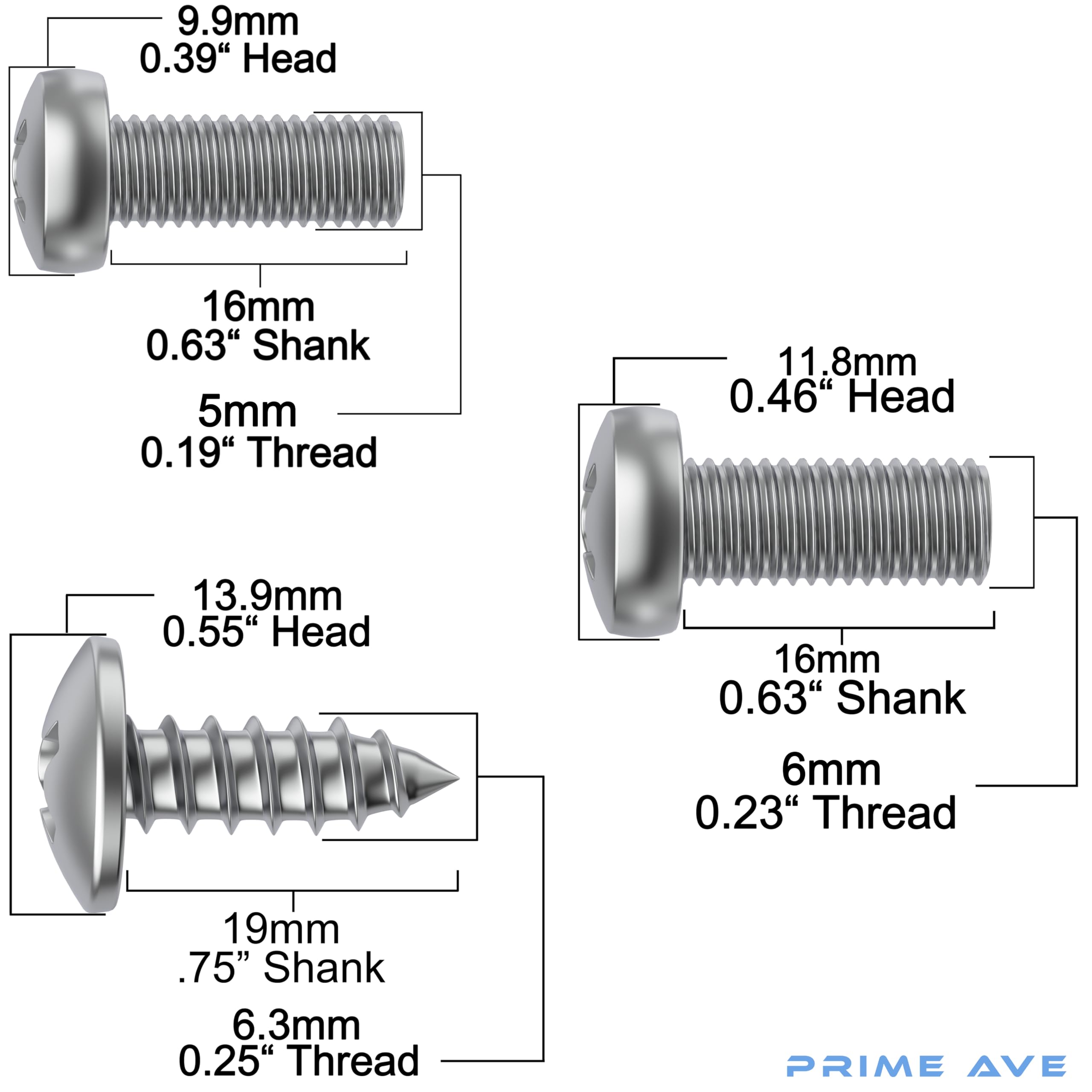
Globally, license plate screw sizes are not universally standardized, but a few common dimensions dominate the automotive market, particularly in North America. The most prevalent sizes you’ll encounter are:
- Metric M6 (6mm diameter): This is arguably the most common size, especially for newer vehicles and many foreign-manufactured cars. The “M6” refers to a 6-millimeter diameter thread. These screws are typically found with various lengths, often ranging from 16mm to 25mm, depending on the thickness of the license plate frame, accessory, and vehicle mounting point.
- Standard 1/4-20 (1/4 inch diameter, 20 threads per inch): Predominantly found on older American-made vehicles, this standard (SAE) size denotes a 1/4-inch diameter screw with 20 threads per inch. Like their metric counterparts, lengths vary, often from 3/4 inch to 1 inch.
- Smaller Metric M5 (5mm diameter): Less common for primary license plate mounting, M5 screws might be used for certain aftermarket frames or specific mounting points on some vehicles.
- Smaller Standard #14: Occasionally seen, though less frequent than 1/4-20.
The choice of screw head type is also significant for tech installations. Phillips head screws are common, but hex head (often requiring a socket wrench) or Torx head screws are increasingly popular for their improved torque application and sometimes for security reasons. For tech installations, a robust head that can be properly torqued without stripping is paramount.
Material Matters: Durability for Digital Integration
The material of the license plate screw directly impacts its resistance to corrosion, which is a major concern given their exposure to elements, road salt, and harsh weather. For securing sensitive electronic components, corrosion can lead to structural failure, loosening, and even galvanic corrosion with surrounding metal components of a tech accessory or the vehicle itself.
- Stainless Steel (304 or 316 grade): This is the gold standard for license plate screws, especially when integrating tech. Stainless steel offers excellent corrosion resistance, preventing rust stains on your paintwork and ensuring a long-lasting, secure fit for your digital investments. The 316 grade offers even superior resistance, particularly in coastal or heavily salted environments.
- Chrome-Plated Brass or Zinc: These options provide a polished aesthetic but may not offer the same long-term corrosion resistance as stainless steel. Over time, the chrome plating can chip or wear, exposing the base metal to oxidation. While visually appealing, they might require more frequent inspection for tech-critical applications.
- Nylon or Plastic Screws: Rarely used for primary mounting due to lower strength, these might be found in specific lightweight accessory kits. They offer excellent corrosion resistance but are generally unsuitable for securing heavy tech components or in situations where high torque is required. For certain sensor housings or cosmetic additions, they might be acceptable.
When installing a new backup camera system or a multi-functional smart frame, always prioritize stainless steel fasteners to safeguard your investment from environmental degradation.
Precision for Peripherals: Why Screw Size Impacts Gadget Mounting
The correct license plate screw size is more than a minor detail; it’s a foundational element for the secure and reliable operation of many modern vehicle tech peripherals. From preventing image blur in rear-view cameras to ensuring uninterrupted power to smart frames, the proper fastener maintains the integrity of the tech.
Backup Cameras and Parking Sensors: Secure Fit is Key
Many aftermarket backup camera systems integrate directly into the license plate frame or mount using the existing license plate screw holes. A screw that is too small will not provide adequate grip, leading to a vibrating camera, blurry images, or eventual detachment. Conversely, a screw that is too large can strip the vehicle’s mounting threads, cause damage to the camera housing, or even crack the license plate or frame.
- Vibration Mitigation: Cameras are highly sensitive to vibration. A precisely sized and snugly fitted screw minimizes movement, ensuring a stable image feed to your display. This is critical for accurate parking assistance and overall driving safety.
- Structural Integrity: Parking sensors often come embedded in frames or brackets that utilize license plate mounts. Proper screw size ensures these sensors maintain their intended angle and orientation, crucial for accurate distance measurement and collision avoidance.
- Water and Debris Seal: A well-seated screw can help maintain the integrity of seals around camera housing or sensor units, preventing moisture and debris ingress that can damage sensitive electronics.
Smart License Plate Frames: Powering and Protecting Your Investment
Smart license plate frames, which can incorporate features like built-in cameras, digital displays, security features, or even solar charging panels, represent a significant tech investment. These devices often require a stable, flush mount to function correctly and protect their internal components.
- Power Connectivity: Some smart frames draw power directly from the vehicle’s electrical system, often with wires routed through or near the license plate mounting area. A secure, non-wobbling frame is essential to prevent strain on these connections and ensure consistent power delivery.
- Component Protection: The internal electronics of a smart frame are vulnerable to impact and environmental exposure. Correctly sized and tightened screws hold the frame firmly against the vehicle, reducing the risk of accidental damage from bumps or rapid air currents while driving.
- Anti-Theft Features: Many smart frames integrate GPS trackers or specialized security alerts. The physical security of the frame, largely dependent on the robustness of its mounting screws, is the first line of defense against theft.
Dash Cam Rears and License Plate Light Upgrades
Even smaller tech integrations, such as rear dash cam modules designed to attach to the license plate area or LED license plate light upgrades, rely on appropriate screw sizes. An ill-fitting screw can lead to:
- Inconsistent Lighting: For LED upgrades, a loose mount can cause intermittent electrical contact or an uneven light projection.
- Camera Instability: A rear dash cam needs a solid base to record clear footage, especially when the vehicle is in motion.
Beyond the Basics: Advanced Fastening Solutions for Enhanced Vehicle Security
In the realm of automotive tech, security extends beyond digital firewalls to the physical protection of components. License plate screws, therefore, have evolved to offer enhanced security features, safeguarding not just the plate but also any attached tech.
Anti-Theft Screws and Tamper-Resistant Designs
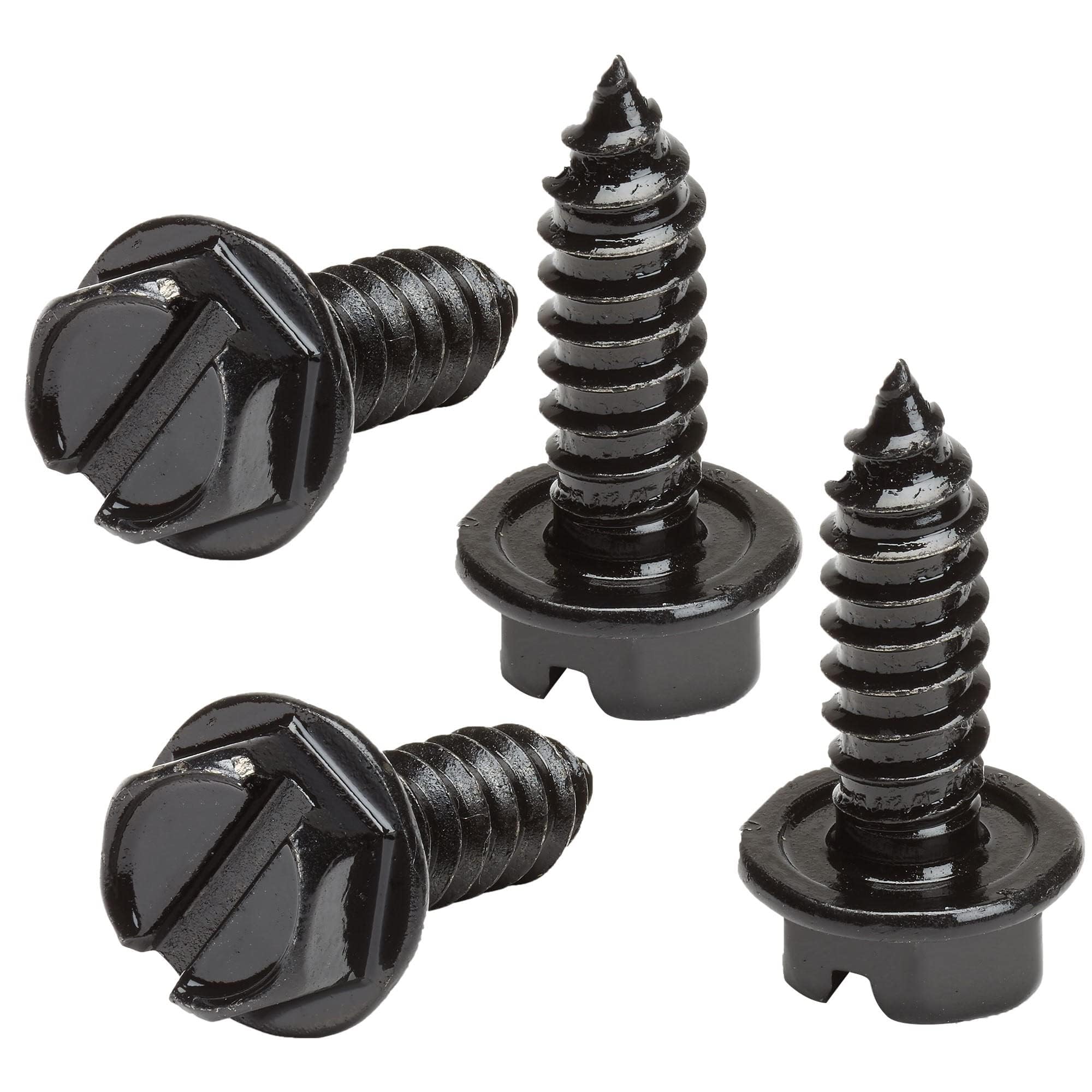
For high-value tech accessories mounted to the license plate, standard Phillips or slotted screws pose a security risk, as they can be easily removed. Anti-theft screws are designed to deter casual theft and unauthorized tampering:
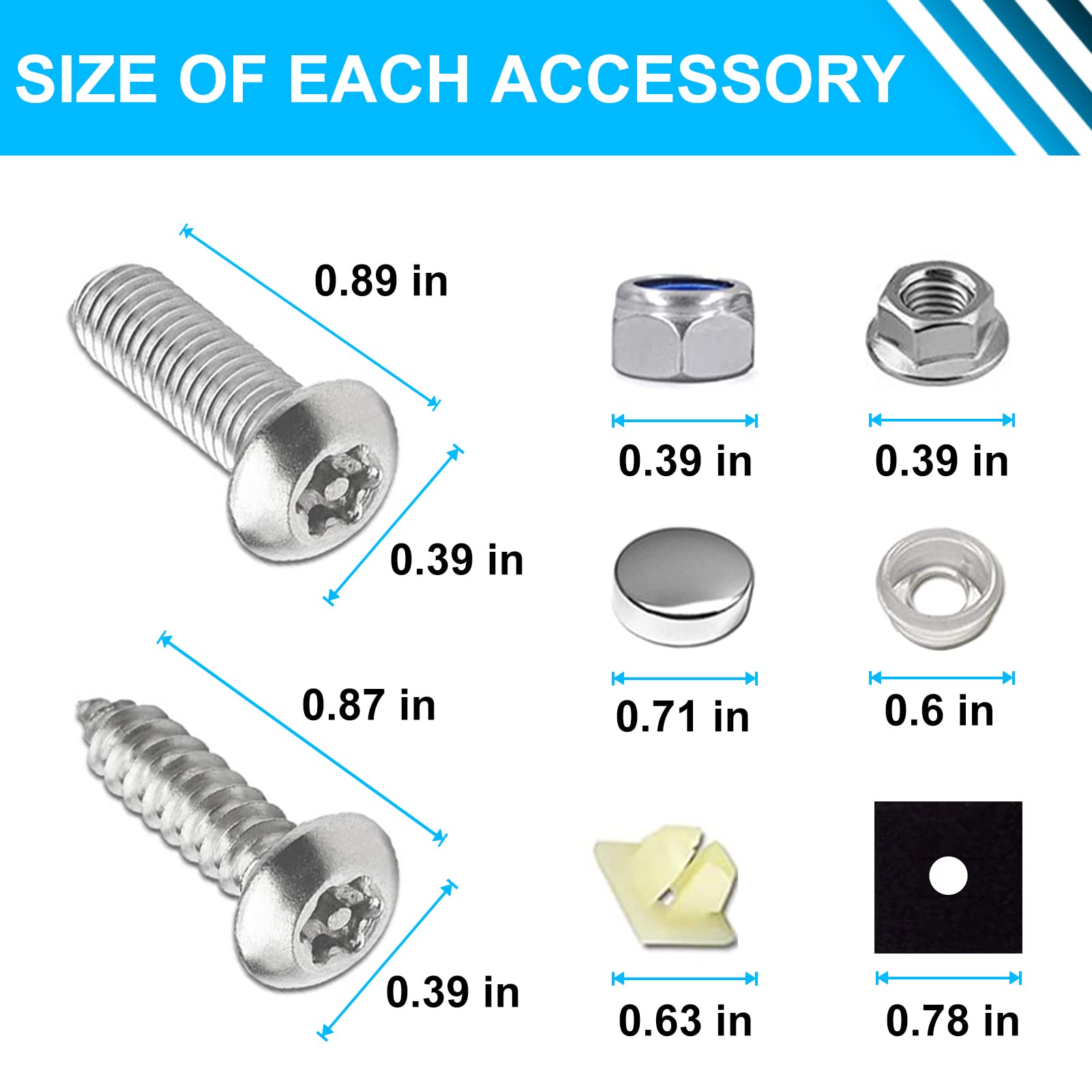
- Unique Head Designs: These screws require specialized tools for removal (e.g., five-lobe pin Torx, one-way screws, snake-eye/spanner heads). This dramatically increases the time and effort required for removal, often deterring opportunist thieves.
- Security for Valuables: If your license plate holds a smart frame with integrated GPS, a high-definition backup camera, or other costly tech, investing in anti-theft screws is a prudent measure to protect your assets. These screws act as a physical barrier, complementing any digital security features your tech may possess.
- Corrosion Resistance: Just like standard screws, anti-theft variants are best chosen in stainless steel to ensure their long-term effectiveness, as a corroded security screw can be just as problematic as a standard one.
Digital Plate Security and Connectivity Considerations
The advent of digital license plates in some regions introduces a new layer of physical and digital security. These plates are essentially display devices that require very specific, often proprietary, mounting hardware to ensure their security and connectivity. While not “screws” in the traditional sense, the fastening mechanisms are designed to be tamper-proof and integrated into the vehicle’s network for real-time monitoring and security alerts. Understanding these advanced systems requires adherence to manufacturer specifications for both physical installation and digital activation.
DIY Tech Installation Guide: Selecting the Right Fasteners
For the DIY enthusiast eager to upgrade their vehicle with the latest tech, knowing how to select and install the correct license plate screws is crucial for a successful, secure, and lasting modification.
Measuring Existing Screws and Plate Holes
Before purchasing new fasteners for your tech installation, it’s essential to ascertain the dimensions of your vehicle’s existing license plate screws and mounting holes:
- Remove an existing screw: Carefully unscrew one of the current license plate screws.
- Measure diameter: Use a caliper or a screw pitch gauge to determine the thread diameter. For metric screws, this will be 5mm or 6mm. For standard screws, it will be 1/4 inch.
- Measure pitch (optional but recommended): For standard screws, count the threads per inch. For metric, a pitch gauge will identify the spacing (e.g., 1.0mm for M6). If you don’t have a pitch gauge, try to match the new screw to the old one or consult your vehicle’s manual.
- Measure length: Determine the length from the underside of the screw head to the tip of the threads. Consider the added thickness of your new tech accessory and frame when selecting the new screw length; it needs to be long enough to secure everything without bottoming out.
- Check mounting hole depth: Gently probe the mounting hole with a thin rod to estimate its depth. Ensure your chosen screw length will not exceed this depth, which could cause damage to the vehicle’s body or electrical components behind the panel.
Compatibility with Aftermarket Brackets and Mounts
Many tech accessories come with their own mounting brackets or frames. Always check the specifications of these aftermarket components:
- Pre-drilled holes: Verify the size of the holes in the accessory’s bracket. They should ideally match your vehicle’s screw size.
- Mounting clearance: Ensure the accessory, once mounted, doesn’t obstruct any part of the license plate or cover critical vehicle features (e.g., trunk release buttons, backup sensors not part of the accessory).
- Hardware included: If the tech accessory includes its own mounting hardware, inspect its quality and dimensions. If it’s not stainless steel or the wrong size, source appropriate replacements before installation.
Tools for a Seamless Tech Upgrade
Having the right tools is just as important as having the right screws:
- Appropriate Screwdriver or Wrench: Match the head type of your chosen screws (Phillips, flathead, Torx, hex).
- Torque Wrench (optional but recommended): For precise tightening, especially with delicate tech components, a low-range torque wrench can prevent overtightening, which can strip threads or crack plastic housings.
- Dielectric Grease: Apply a small amount to screw threads to prevent corrosion and facilitate easier removal in the future, particularly for screws that might need to be accessed for maintenance of your tech.
- Thread Locker (non-permanent): For screws prone to vibration loosening (e.g., in high-vibration environments), a non-permanent thread locker can add an extra layer of security.
- Rubber Washers: Placing rubber washers between the screw head and the license plate/tech frame can absorb vibrations, protect finishes, and create a better seal against moisture.
Future-Proofing Your Fasteners: Trends in Automotive Accessory Attachment
As vehicle technology continues its rapid evolution, so too will the methods and materials used for securing external components. The trend is towards smarter, more integrated, and more durable attachment solutions.
Smart Materials and Corrosion Resistance for Longevity
The future of fasteners for tech accessories will likely see an increased adoption of advanced materials:
- Self-healing coatings: Screws with coatings that can repair minor scratches and chips will offer unprecedented corrosion resistance.
- Lightweight alloys: Aerospace-grade alloys could offer high strength-to-weight ratios, crucial for reducing overall vehicle weight while maintaining security.
- Polymer composites: For certain applications, advanced polymer composites may offer excellent insulation properties, critical for electrical components, alongside corrosion resistance.
Integrated Fastening Systems for Connected Cars
The push towards connected and autonomous vehicles will undoubtedly influence how accessories are attached. We might see:
- Smart fasteners: Screws embedded with sensors that can detect loosening or tampering, sending alerts to the vehicle’s central system or owner’s smartphone.
- Tool-less attachment systems: Designs that allow for quick, secure, and tool-free attachment and removal of tech modules, facilitating upgrades and servicing.
- Standardized modular interfaces: A move towards universal mounting points and fastener standards, simplifying the integration of aftermarket tech regardless of vehicle manufacturer.
The humble license plate screw, therefore, is not a static component but an evolving one, adapting to the demands of an increasingly tech-laden automotive landscape. By understanding its current specifications and anticipating future trends, vehicle owners and tech installers can ensure their gadgets remain securely fastened and optimally functional.
aViewFromTheCave is a participant in the Amazon Services LLC Associates Program, an affiliate advertising program designed to provide a means for sites to earn advertising fees by advertising and linking to Amazon.com. Amazon, the Amazon logo, AmazonSupply, and the AmazonSupply logo are trademarks of Amazon.com, Inc. or its affiliates. As an Amazon Associate we earn affiliate commissions from qualifying purchases.