
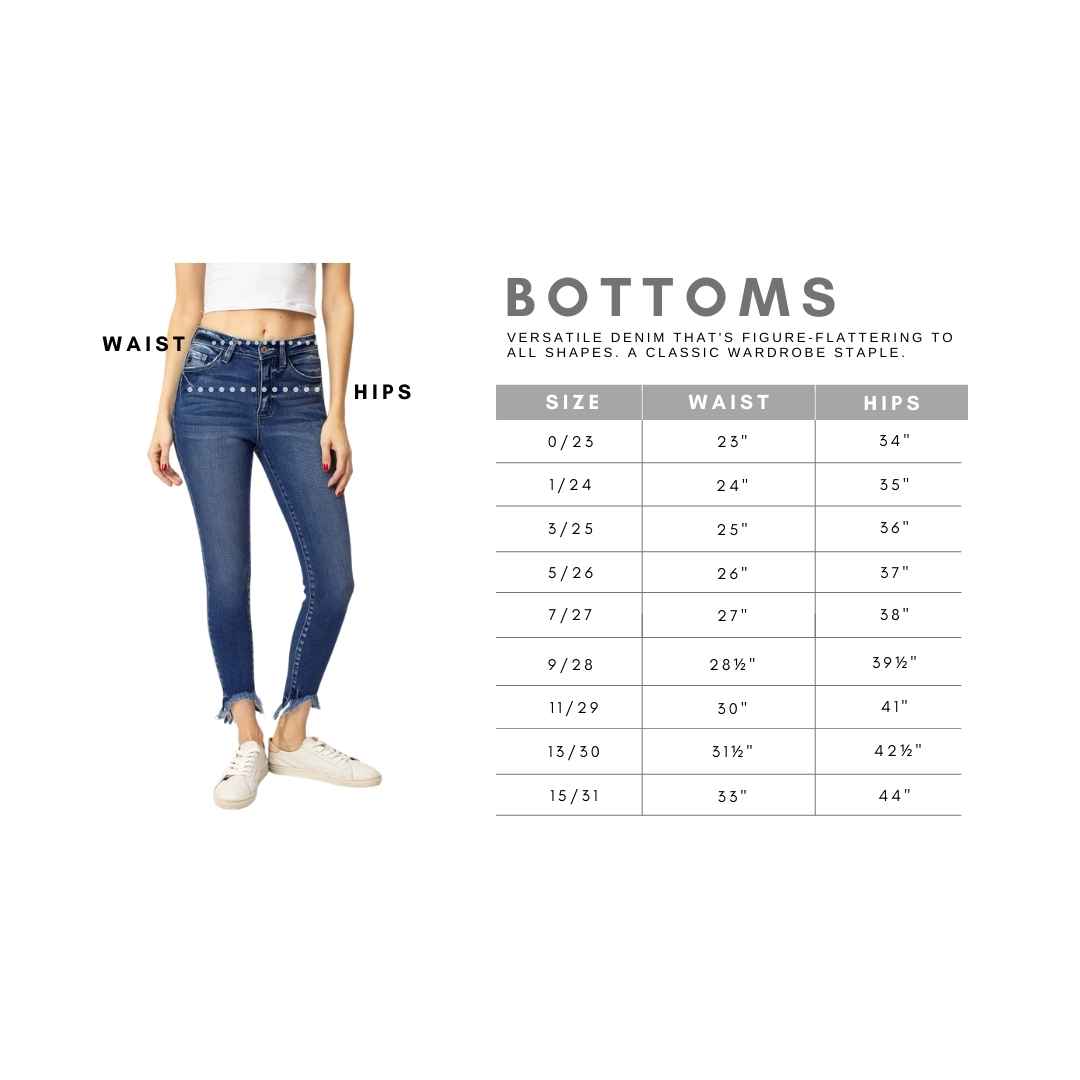
The question “what size is a 0 in jeans?” might seem like a simple query about a measurement, but for brands, it opens a complex discussion about strategy, identity, marketing, and consumer perception. In the competitive fashion industry, denim brands grapple with the inconsistencies of sizing, the psychological impact of numbers, and the critical role that fit plays in shaping their brand image and fostering customer loyalty. A “size 0” is not merely a standardized dimension; it is a dynamic indicator influenced by design philosophy, target demographics, and the pervasive trend of vanity sizing, all of which demand careful consideration from a brand strategy perspective.

The Elusive “Size 0”: A Marketing Conundrum
The concept of a “size 0” in jeans is perhaps one of the most misunderstood and inconsistently applied measurements in the apparel industry. What one brand labels a “0” can significantly differ from another, leading to consumer confusion and a critical challenge for brand consistency and trust. This discrepancy is often rooted in deliberate marketing strategies, particularly the phenomenon of vanity sizing.
Vanity Sizing and Brand Perception
Vanity sizing refers to the practice where apparel manufacturers label clothes with smaller sizes than they actually measure. A size 0 today might correspond to what was a size 4 or 6 several decades ago. From a brand perspective, the motivation behind this is often psychological: customers tend to feel better about themselves when they fit into a smaller size, which can positively influence purchasing decisions and perceptions of the brand. A brand that offers a “flattering” fit, even if achieved through size manipulation, can gain a competitive edge.
However, vanity sizing presents a double-edged sword. While it might initially boost sales by making consumers feel good, it simultaneously erodes trust and creates significant friction in the shopping experience, especially for online retailers. When a customer orders a size 0 from a brand based on their experience with another, only to find it doesn’t fit, it leads to returns, frustration, and a damaged brand reputation. Brands must weigh the short-term psychological benefit against the long-term impact on consumer confidence and their brand’s promise of consistency and reliability. The marketing message often emphasizes inclusivity and confidence, but the reality of inconsistent sizing can contradict these brand values.
The Psychology of “Small” Sizes
The existence and prominence of sizes like “0” and “00” also tap into deeper psychological and societal narratives around body image. For many brands, offering these smaller sizes is a response to perceived market demand and cultural aesthetics. The marketing of denim often associates a particular look or silhouette with health, youth, or desirability, and fitting into a “0” can reinforce these perceptions for some consumers.
Brands must navigate this delicate territory with strategic intent. How a brand talks about its sizing, whether it emphasizes precise measurements or focuses on aspirational fit, contributes significantly to its identity. For brands aiming for an exclusive, high-fashion appeal, offering very small sizes might align with their desired image. Conversely, brands striving for broader accessibility and body positivity must carefully consider how their sizing strategy, including the presence and marketing of extreme sizes, impacts their inclusive message. The goal is to avoid alienating segments of their target audience while still catering to varied body types and preferences.
Standardization vs. Brand Identity: A Sizing Dilemma
The absence of a universal sizing standard presents both a challenge and an opportunity for denim brands. While it leads to consumer confusion, it also allows brands to carve out a unique fit identity, a crucial component of their overall brand strategy.
Inconsistent Measurements Across Brands
A “size 0” from a high-end designer brand might be cut significantly differently from a fast-fashion chain or a heritage denim label. These variations stem from several factors:
- Target Demographics: Brands design for specific body types that represent their core customer base. A brand targeting a younger, more petite demographic might have a smaller “size 0” than one catering to a broader adult market.
- Design Philosophy: The intended silhouette and drape of the jeans play a role. A “skinny” fit size 0 will have different waist and hip measurements than a “relaxed” or “boyfriend” fit size 0, even within the same brand.
- Country of Origin: International sizing standards (e.g., US, UK, European) further complicate matters, as a “size 0” typically refers to a US standard, which doesn’t directly translate globally. Brands with an international presence must decide whether to standardize their fit globally or adapt to local market expectations.
For consumers, this inconsistency is a major pain point, resulting in guesswork and a high rate of returns. For brands, it means investing heavily in clear communication channels to help customers find their correct fit, or risk losing them to competitors who offer a more predictable experience.
Crafting a Unique Fit as a Brand Differentiator
Despite the challenges, the lack of standardization allows brands to differentiate themselves through their unique “fit signature.” Some brands are renowned for their consistent rise, innovative stretch denim, or specific tailoring that flatters certain body shapes. This distinctive fit becomes a core aspect of their brand identity and a powerful selling proposition.
For example, a brand might build its reputation on creating jeans that provide exceptional lift and shaping, even if their “size 0” measurements deviate from industry averages. They focus on the experience of wearing their jeans – how they feel, how they look – rather than just the numerical label. This strategy requires meticulous pattern making, material selection, and quality control to ensure that the promised fit is consistently delivered across all products and sizes. By investing in proprietary cutting techniques and fabric blends, brands can create a loyal following for their specific interpretation of a “size 0” and beyond. The fit itself becomes a form of intellectual property and a powerful driver of repeat business.
Communicating Fit: Brand Strategies for Clarity
In an era of increasing online retail, effective communication of fit is paramount for denim brands. Consumers can’t try on jeans virtually, so brands must employ robust strategies to bridge the gap between their design intent and the customer’s expectation of a “size 0.”
Detailed Size Charts and Measurement Guides
Beyond a simple waist and inseam, leading brands provide comprehensive size charts that include hip, thigh, and even rise measurements. These are often accompanied by clear instructions on how to take one’s own measurements. Some brands go a step further by offering specific product measurements, recognizing that a “size 0” in one style might have slightly different dimensions than a “size 0” in another due to fabric stretch or design variations.
The presentation of these guides is key. They need to be easily accessible, visually intuitive, and clearly distinguishable for different styles or collections. Brands that invest in high-quality, user-friendly sizing tools demonstrate a commitment to customer satisfaction and reduce the cognitive load for shoppers trying to decipher their ideal fit. This transparency builds trust and empowers consumers to make informed purchasing decisions.
Digital Tools and Virtual Try-On Innovations
Technology is playing an increasingly vital role in helping brands communicate fit. Virtual try-on tools, powered by augmented reality (AR) or AI, allow customers to visualize how jeans might look on their body shape. While still evolving, these technologies offer a glimpse into a future where the uncertainty of online sizing is significantly reduced.
Additionally, AI-driven recommendation engines can analyze customer purchase history, returns data, and even body scan information (where available and consented) to suggest the most appropriate size. Some brands collaborate with fit technology companies to integrate “find your size” widgets that ask for the customer’s height, weight, and preferred fit in other brands, then recommend a size for their specific product. These innovations, while requiring significant investment, position brands as forward-thinking and customer-centric, enhancing the overall brand experience.
Influencer Marketing and Real-World Fit
Brands are also leveraging influencer marketing to showcase their products on diverse body types, offering a more realistic perspective on how a “size 0” (or any size) truly fits. By partnering with influencers of various shapes and sizes, brands can demonstrate the versatility and actual drape of their denim, rather than relying solely on aspirational editorial photography.
User-generated content (UGC), such as customer reviews with photos and videos, also serves as an invaluable resource. Brands that actively encourage and feature UGC are providing social proof and helping potential customers visualize the fit on someone with a similar body type. This authentic representation is crucial in building a relatable and trustworthy brand image, especially when the numerical size itself offers little consistent information.
Beyond the Number: Fostering Inclusivity and Brand Loyalty
The conversation around “size 0” extends beyond measurements to the broader discourse of body positivity and inclusivity. How brands address these themes through their sizing strategy has a profound impact on their relevance and connection with modern consumers.
The Movement Towards Size Inclusivity
While the demand for a “size 0” exists, there is a growing and powerful consumer movement advocating for broader size inclusivity. Brands are increasingly challenged to offer a wider range of sizes, from 00 to plus sizes, ensuring that their brand message and product offering cater to all body types. A brand that only offers a limited range of smaller sizes risks being perceived as exclusive or out of touch.
For brands, this means rethinking their entire design and production process. It’s not just about scaling up or down existing patterns; it requires specific design expertise to ensure that a “size 0” looks and fits as well as a size 20. Investing in diverse fit models, collaborating with experts in inclusive design, and actively listening to customer feedback are critical steps for brands aiming to resonate with a diverse consumer base. Brands that genuinely embrace inclusivity, from their product development to their marketing campaigns, stand to gain significant brand loyalty and positive sentiment.
Building Trust Through Consistent Sizing and Feedback
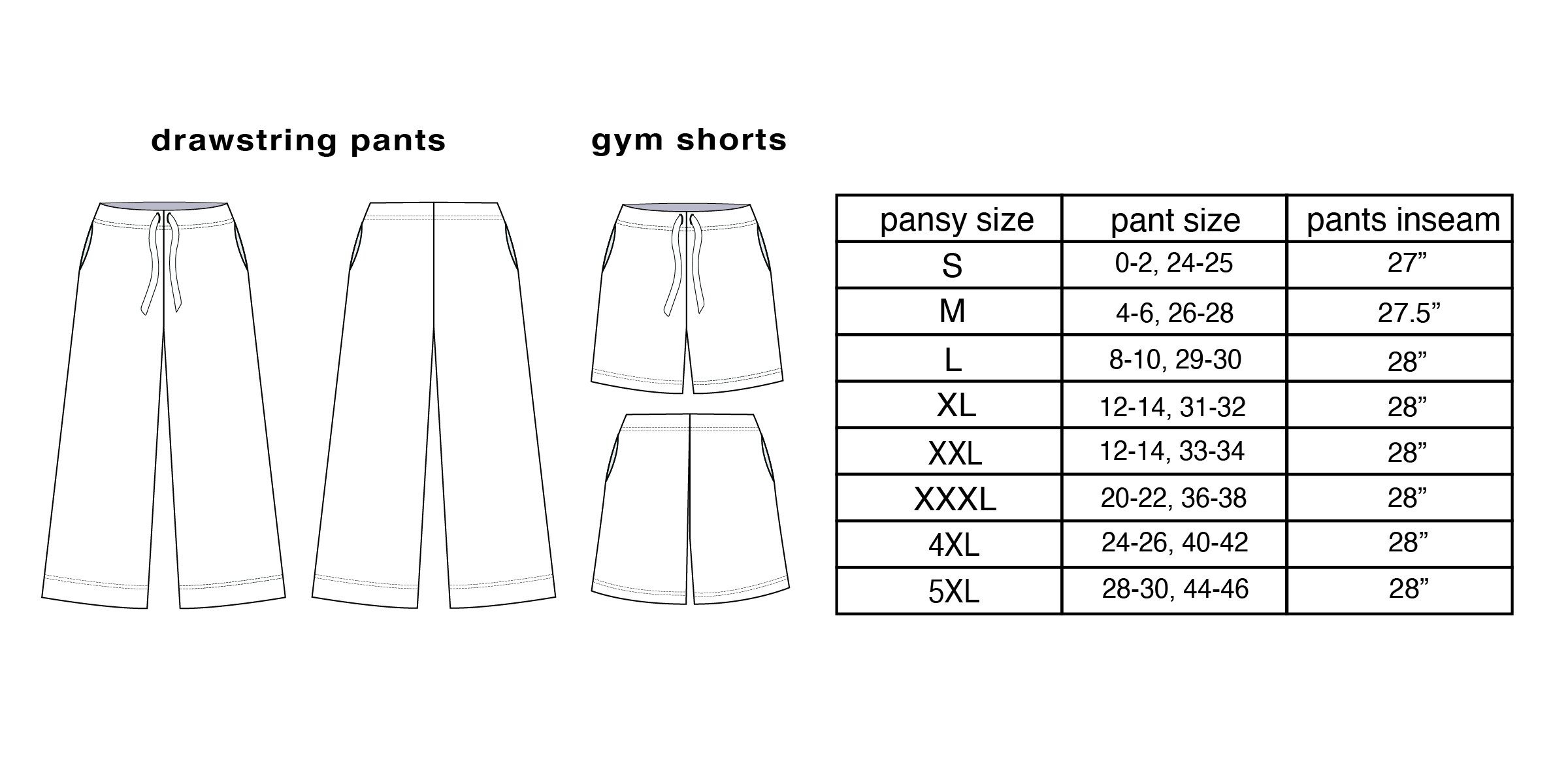
Ultimately, the goal for any denim brand is to build a relationship of trust with its customers. This trust is fundamentally tied to the consistency and predictability of their sizing. While a “size 0” might vary across brands, a customer should be able to confidently purchase a “size 0” from the same brand repeatedly, expecting a similar fit each time.
Brands that actively solicit and integrate customer feedback on sizing into their design and quality control processes demonstrate a commitment to continuous improvement. Offering easy exchanges and returns for sizing issues, and using that data to refine their fit models, can transform a potential negative experience into an opportunity to strengthen customer relationships. By prioritizing consistency, clarity, and inclusivity in their approach to sizing, brands can turn the seemingly simple query of “what size is a 0 in jeans?” into a cornerstone of their brand’s success and lasting appeal.
aViewFromTheCave is a participant in the Amazon Services LLC Associates Program, an affiliate advertising program designed to provide a means for sites to earn advertising fees by advertising and linking to Amazon.com. Amazon, the Amazon logo, AmazonSupply, and the AmazonSupply logo are trademarks of Amazon.com, Inc. or its affiliates. As an Amazon Associate we earn affiliate commissions from qualifying purchases.