
The seemingly simple question “what size in men’s is a women’s 8?” opens a complex dialogue for brands operating in the apparel and footwear industries. It underscores fundamental challenges in product design, marketing, and customer experience, revealing the intricate dance between historical sizing conventions, anatomical differences, and evolving consumer expectations. For brands striving for clarity, inclusivity, and loyalty, understanding and strategically addressing gendered sizing is paramount. It’s not merely a conversion chart; it’s a critical component of brand identity, customer trust, and operational efficiency.
The Labyrinth of Apparel Sizing: A Brand’s Strategic Challenge
Apparel and footwear sizing, particularly across gender lines, is far from a universal science. For brands, this inconsistency represents a significant strategic challenge, impacting everything from product development to customer satisfaction and ultimately, brand perception.

Historical Roots and Gendered Segregation
Historically, men’s and women’s clothing and footwear sizing developed along separate trajectories, reflecting distinct social roles and presumed anatomical differences. Women’s sizing often evolved from a more “vanity” basis, with numbers that didn’t directly correlate to body measurements, while men’s sizing typically adhered more closely to objective measurements (e.g., waist and inseam for pants, chest for shirts). Footwear followed a similar path, with men’s shoe lasts (the forms around which shoes are built) traditionally designed for wider feet and different instep heights compared to women’s. This segregation, deeply embedded in manufacturing processes and retail presentation, created two parallel sizing universes that rarely intersected, leading to confusion when consumers try to cross-shop. For a brand, this legacy means confronting decades of established norms that complicate efforts toward standardization or gender-neutral offerings.
Inconsistent Standards Across Brands
Compounding the issue is the lack of a global, industry-wide standard for sizing, even within the same gender. A “medium” from one brand might be a “small” or “large” from another. This “vanity sizing” phenomenon, where brands subtly adjust their measurements to make customers feel better about buying a smaller size, further erodes consumer trust and creates frustration. When a consumer asks about converting a women’s size to a men’s, they are already navigating a fragmented landscape, making the brand’s responsibility to provide clear, reliable information even more critical. Inconsistent sizing directly impacts purchasing decisions, increases return rates, and can foster a negative brand image if the customer’s experience is one of repeated disappointment in fit.
The Impact on Customer Experience and Brand Loyalty
For a brand, the ultimate measure of success often lies in customer satisfaction and loyalty. Sizing discrepancies directly impede this. A customer struggling to find their size, or consistently receiving ill-fitting products, is less likely to return. Conversely, brands that offer transparent, accurate, and easily understandable sizing, especially for cross-gender comparisons, build trust and reduce friction in the purchasing journey. This clarity can be a powerful differentiator, transforming a potentially confusing transaction into a seamless and positive brand interaction, thereby fostering long-term loyalty.
Decoding the Women’s to Men’s Shoe Size Conversion
Addressing the core question, “what size in men’s is a women’s 8?” requires delving into the specifics of footwear sizing conventions and the factors that influence conversions. For brands, accurately communicating this information is a cornerstone of customer service and product satisfaction.
The Standard Delta: A General Rule of Thumb
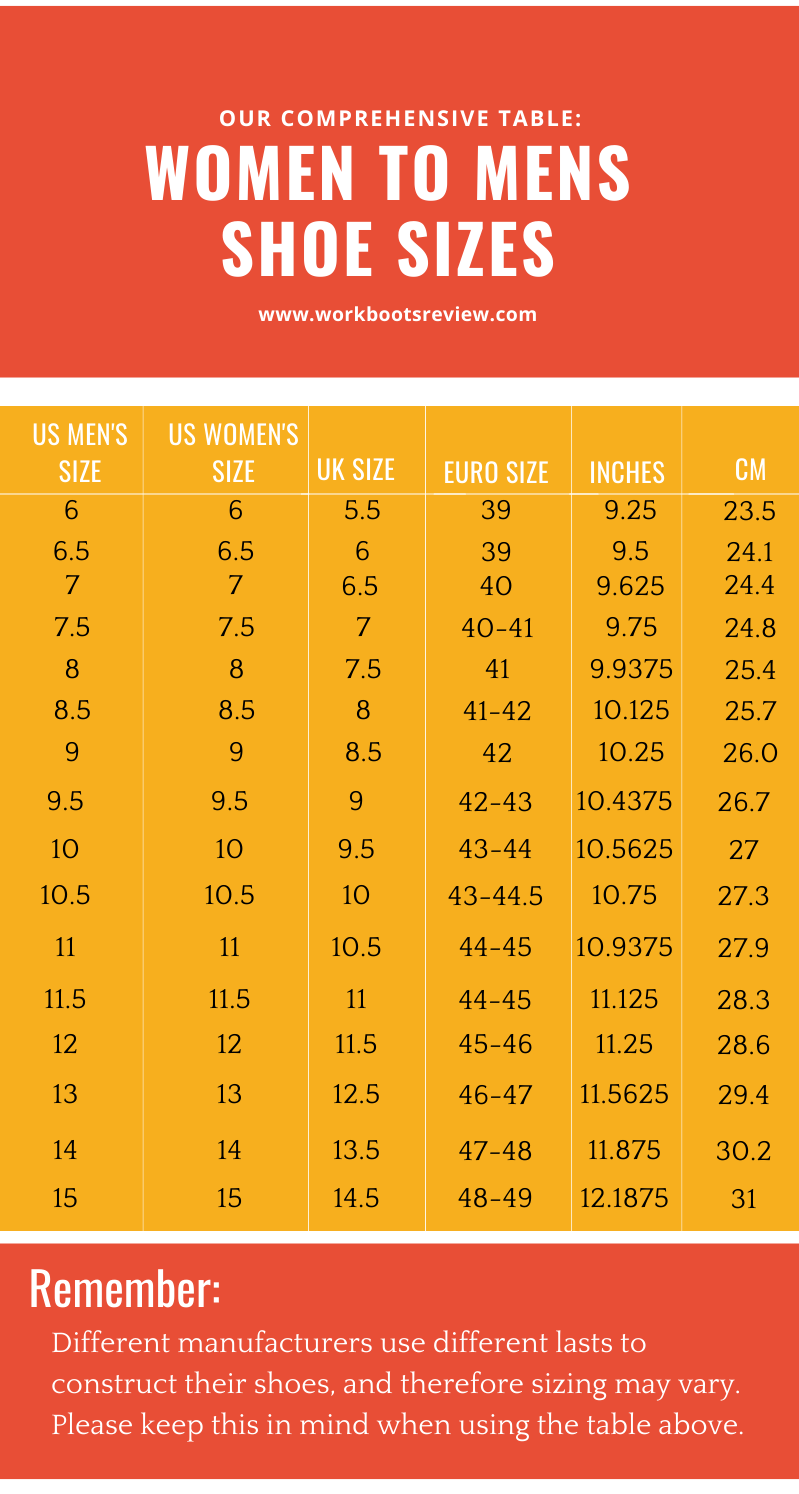
In the United States, the most common conversion rule for shoes is that women’s sizes are approximately 1.5 to 2 sizes larger than men’s. Therefore, a women’s size 8 typically corresponds to a men’s size 6.5 or 7. This general rule serves as a starting point for consumers and a baseline for brands developing cross-gender fit guides. However, it is crucial for brands to emphasize that this is an approximation, as variations exist. For European and UK sizing, the conversions are different and often less straightforward, requiring a more detailed chart from the brand.
Factors Influencing Discrepancy: Width, Last, and Foot Anatomy
The difference isn’t purely numerical; it’s rooted in design assumptions. Men’s shoes are generally constructed on wider lasts (the molds used to shape the shoe) to accommodate typically broader feet, higher insteps, and larger heel-to-toe measurements compared to women’s feet of the same length. Even if the length appears similar after conversion, the width and volume of a men’s shoe at a size 6.5-7 will likely be greater than a women’s size 8. Brands must account for these anatomical differences in their product design. When a woman wears a “men’s” size 6.5, she might find the shoe too wide or voluminous, even if the length is correct. Conversely, men trying on women’s shoes often encounter issues with width and overall snugness. Recognizing these nuances allows brands to design products that genuinely fit their target demographic or to inform customers effectively when they are considering cross-gender purchases.
Beyond the Number: The Role of Fit Guides and Brand Specifics
For brands, simply stating “women’s 8 equals men’s 6.5-7” is insufficient. A comprehensive approach involves:
- Detailed Sizing Charts: Providing clear, visual charts that include conversions for different regions (US, UK, EU, JP) and critical measurements like foot length and width.
- Brand-Specific Recommendations: Acknowledging that sizing can vary even within a brand’s different product lines (e.g., athletic shoes versus dress shoes). Brands should offer specific guidance for each product.
- Customer Reviews and Q&A: Leveraging user-generated content where customers can share their experiences with sizing, especially when crossing gender lines.
- Virtual Fit Tools: Employing technology such as virtual try-on, augmented reality, or AI-powered recommendation engines that consider individual foot measurements and past purchases.
These tools go beyond the basic conversion, empowering consumers to make informed decisions and enhancing the overall brand experience.

Brand Strategies for Sizing Inclusivity and Clarity
In an increasingly diverse and digital marketplace, brands are recognizing that a proactive and inclusive approach to sizing is not just good customer service but a strategic imperative.
Universal Sizing and Gender-Neutral Collections
A growing number of brands are moving towards universal or gender-neutral sizing, particularly in categories like streetwear, loungewear, and some athletic apparel and footwear. This strategy involves designing products that are not inherently “male” or “female” in fit, but rather focus on comfort and style that transcends traditional gender boundaries. For footwear, this might mean designing a last that caters to a wider range of foot shapes or offering styles that are simply sized numerically without a gender prefix. For apparel, it involves creating fits that are less tailored to specific gendered body shapes, often leaning towards more relaxed or adaptable silhouettes. Brands that successfully implement universal sizing demonstrate a commitment to inclusivity, broadening their market appeal and aligning with contemporary consumer values.
Enhancing Digital Fit Tools and Virtual Try-On
The e-commerce landscape demands innovative solutions to the perennial problem of fit. Brands are investing heavily in digital tools to bridge the gap between online browsing and physical product experience.
- AI-Powered Sizing Recommendations: Algorithms that analyze customer data (e.g., past purchases, preferred brands, body measurements) to suggest the most appropriate size.
- Virtual Try-On (VTO): Augmented reality applications that allow customers to “try on” shoes or apparel virtually, seeing how they look and, in some advanced cases, how they might fit.
- Detailed Product Photography and Videos: Showcasing products on a range of body types and providing comprehensive measurements for each size.
These tools not only reduce return rates but also instill confidence in online shoppers, significantly improving the digital brand experience and reducing customer service inquiries related to sizing.
Transparent Sizing Charts and Customer Education
Clarity is king. Brands must provide comprehensive, easy-to-understand sizing charts that include conversions across various global standards (US, UK, EU, JP) and, critically, actual body or foot measurements. Educating customers on how to accurately measure themselves and interpret these charts is key. This might involve instructional videos, interactive guides, or clear diagrams. For cross-gender purchases, explicit conversion guidance and explanations of potential fit differences (e.g., width) are vital. This transparency builds trust and empowers customers to make informed decisions, reducing the likelihood of purchasing the wrong size and subsequently returning it, which is costly for both the customer and the brand.
Leveraging Data for Improved Product Design
Every return due to poor fit is a data point. Brands that collect and analyze this data can gain invaluable insights into common sizing issues, product design flaws, and customer preferences.
- Fit Analytics: Tracking return reasons related to size (too big, too small, too narrow, etc.) provides actionable intelligence for design teams.
- Customer Feedback Loops: Actively soliciting feedback on fit during the purchase and post-purchase phases.
- Body Scan Technology: Utilizing advanced body scanning data (where ethically collected and consented) to develop more anatomically accurate and inclusive sizing ranges.
By integrating these data-driven insights into the product development cycle, brands can continuously refine their sizing, leading to better-fitting products, fewer returns, and a stronger reputation for quality and customer understanding.
The Marketing and Design Imperatives of Sizing Accuracy
For brands, sizing is not merely a technical specification; it’s a strategic marketing and design imperative that directly influences profitability, brand perception, and long-term customer relationships.
Reducing Returns and Enhancing Profitability
Incorrect sizing is a leading cause of product returns, particularly in e-commerce. Each return incurs significant costs for brands—shipping, handling, repackaging, and potential devaluation of returned goods. By implementing robust sizing strategies and providing accurate conversion information, brands can drastically reduce return rates. This directly translates to improved profitability, less logistical overhead, and a healthier bottom line. Furthermore, a customer who consistently receives products that fit well is a loyal customer, contributing to higher lifetime value.
Building Trust and Personal Branding Through Fit
In an era where personal branding extends to every aspect of consumption, a brand’s commitment to fit becomes a powerful statement. For individual consumers, wearing clothes or shoes that fit well boosts confidence and comfort. For brands, consistently delivering on the promise of good fit cultivates trust. When a brand provides clear guidance, such as how a women’s 8 translates to a men’s size, it demonstrates an understanding of customer needs and a commitment to their satisfaction. This transparency and reliability become integral to the brand’s corporate identity and marketing narrative, fostering a perception of expertise and customer-centricity.
Designing for Diverse Body Types and Gender Identities
The modern consumer market is incredibly diverse, encompassing a wide spectrum of body types and gender identities. Brands that continue to rely on antiquated, binary sizing models risk alienating significant portions of the market. Inclusive design, which considers a broader range of shapes and sizes from the outset, is no longer a niche concern but a mainstream expectation. This includes thoughtfully designing for cross-gender appeal and providing sizing information that empowers all individuals to find products that fit and flatter them, regardless of the traditionally assigned gender category of the garment. This approach aligns with progressive brand values and expands market reach.
The Future of Sizing: Personalization and Predictive Analytics
The trajectory for sizing in the brand landscape points towards increasing personalization and the sophisticated use of data. Imagine a future where, upon landing on a brand’s website, your specific measurements (perhaps uploaded from a body scan or inferred from past purchases) automatically populate a “my size” recommendation across all products. Predictive analytics, leveraging AI and machine learning, will further refine these recommendations, anticipating individual preferences and fit nuances. For brands, investing in these advanced solutions isn’t just about technology; it’s about staying competitive, future-proofing their brand strategy, and delivering an unparalleled customer experience that transcends the traditional limitations of gendered sizing. The question “what size in men’s is a women’s 8?” will evolve from a confusing query into an automatically resolved detail, seamlessly handled by intelligent brand platforms.
aViewFromTheCave is a participant in the Amazon Services LLC Associates Program, an affiliate advertising program designed to provide a means for sites to earn advertising fees by advertising and linking to Amazon.com. Amazon, the Amazon logo, AmazonSupply, and the AmazonSupply logo are trademarks of Amazon.com, Inc. or its affiliates. As an Amazon Associate we earn affiliate commissions from qualifying purchases.