
The foundational years of a child’s education are crucial, shaping their cognitive abilities, social skills, and their approach to learning. In an increasingly digital world, the question of “what should a kindergartener learn” naturally expands to encompass essential technological literacy and digital fluency. It is no longer sufficient to solely focus on traditional reading, writing, and arithmetic; early exposure to the fundamentals of technology, within a balanced and thoughtful framework, is paramount for preparing children for a future deeply intertwined with digital innovation. This exploration delves into the core tech competencies and digital wisdom a kindergartener should acquire, ensuring they are not just consumers of technology, but informed, safe, and creative participants.
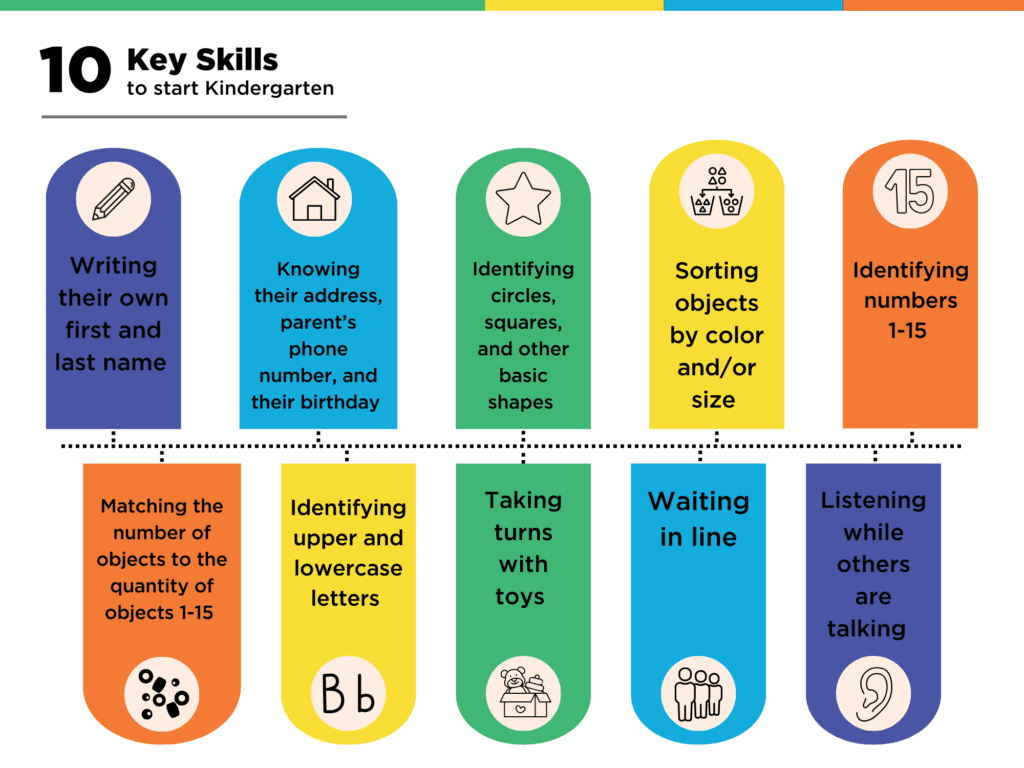
Navigating the Digital Landscape: Foundational Digital Literacy
Introducing kindergarteners to technology isn’t about making them coding prodigies overnight, but rather about laying a sensible groundwork for understanding and interacting with digital tools. Foundational digital literacy at this age means developing a comfort level with basic interfaces and understanding that technology is a tool, not a mystery.
Understanding Basic Device Interaction
At its most fundamental, learning about technology for a kindergartener begins with basic device interaction. This includes understanding how to turn devices on and off, navigate simple touch screens or mouse-and-keyboard interfaces, and open or close age-appropriate applications. The goal is to demystify the hardware and software, making them accessible and understandable rather than intimidating. For instance, a kindergartener should learn that pressing a power button initiates a sequence, or that swiping a finger moves content on a screen. These are not just motor skills; they are the initial steps in understanding cause and effect within a digital environment. Engaging with educational tablets or interactive whiteboards in the classroom provides controlled environments for these initial explorations, allowing children to experiment with minimal frustration and immediate feedback. The focus here is on tactile engagement and developing simple input/output relationships, crucial for building confidence in handling digital tools.
Introduction to Digital Etiquette and Safety
Even at a nascent stage, introducing concepts of digital etiquette and safety is crucial. This doesn’t involve complex cybersecurity lectures but rather simple, actionable rules. Kindergartners can learn that certain information (like their full name, address, or photos) should not be shared without a trusted adult’s permission. They can grasp the idea of asking before touching someone else’s device and understanding that content found online isn’t always real or appropriate. Digital citizenship, in its simplest form, means being kind and respectful when interacting with digital content and understanding personal boundaries online. Teachers and parents can emphasize that digital actions have real-world consequences, even if simplified for their understanding. This early exposure to responsible digital behavior fosters a mindset of caution and respect, fundamental for future online interactions. Establishing these boundaries early helps create a framework for safe online exploration as they grow.
Cultivating Cognitive Growth with Educational Technology
Beyond basic interaction, technology offers powerful avenues for enhancing cognitive development. When integrated thoughtfully, educational technology can make learning more engaging, personalized, and effective for young children.
Interactive Learning Platforms and Apps
High-quality educational apps and interactive platforms are invaluable resources for kindergarteners. These tools can transform abstract concepts into tangible, interactive experiences. For instance, apps designed to teach letter recognition might allow children to trace letters with their fingers, hear their phonics sounds, and see related images, engaging multiple senses simultaneously. Similarly, mathematical concepts like counting, shape identification, and simple addition can become playful games rather than rote memorization tasks. The key is to select apps that are genuinely educational, aligned with developmental goals, and provide constructive feedback. Such platforms often adapt to a child’s pace, offering challenges that are neither too easy nor too difficult, thus maintaining engagement and fostering a sense of accomplishment. This personalized learning pathway, often difficult to achieve in a traditional classroom setting, is one of technology’s most significant contributions to early education.
Fostering Problem-Solving and Computational Thinking
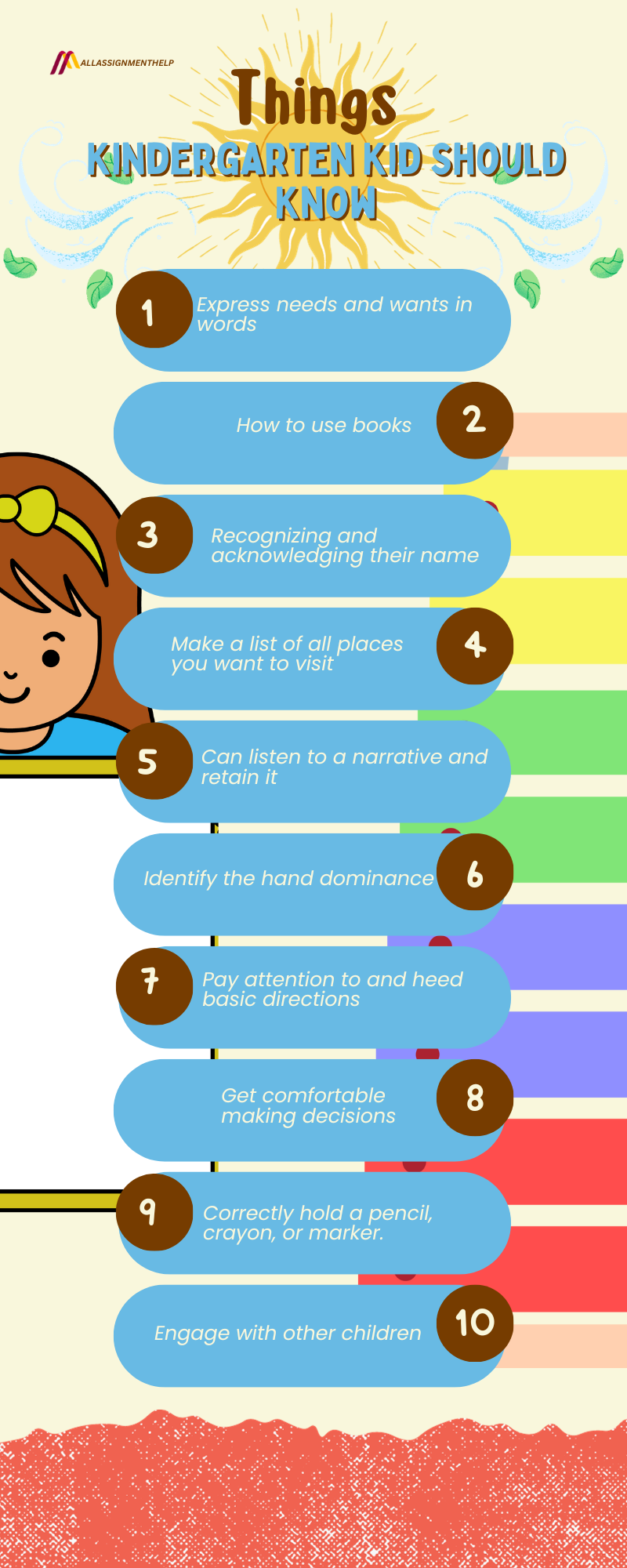
Computational thinking, a set of problem-solving skills rooted in computer science, is increasingly recognized as a vital competency. For kindergarteners, this manifests as simple logical reasoning, pattern recognition, sequencing, and decomposition. Engaging with block-based coding apps, for example, allows children to visually arrange commands to make a character move, solve a puzzle, or create a simple animation. This isn’t about learning a programming language, but about understanding that problems can be broken down into smaller steps, that instructions must be precise, and that trial and error are part of the process. Such activities enhance critical thinking, logical sequencing, and persistence. By guiding a virtual character through a maze, children unconsciously practice algorithmic thinking and debugging, skills that are transferable across many disciplines and lay the groundwork for more advanced problem-solving in the future.
Screen Time Management and Digital Wellness
While embracing technology’s benefits, it is equally important to address the challenges, particularly regarding screen time and overall digital wellness. A kindergartener must learn balance and develop healthy habits regarding digital device usage.
Balancing Digital and Real-World Engagement
A crucial lesson for kindergarteners is the importance of balancing digital engagement with real-world activities. This means understanding that there’s a time for screens and a time for outdoor play, imaginative games, reading physical books, and social interaction. Educators and parents must model and reinforce this balance, establishing clear boundaries around screen usage. The goal is not to demonize technology but to frame it as one of many valuable activities. Discussions can revolve around how technology can enhance certain experiences (e.g., watching a nature documentary) but cannot replace others (e.g., feeling the grass, building a fort, or having a face-to-face conversation). This early understanding of moderation is vital for developing a healthy relationship with technology and preventing potential pitfalls like excessive screen time or social isolation.
Parental Controls and Safe Online Environments
For kindergarteners, the internet is a vast and largely unfiltered space. Therefore, a critical component of their digital education involves understanding that trusted adults establish safe online environments. This implicitly teaches children about the concept of digital boundaries and protection. While they won’t manage parental controls themselves, they should understand that these measures exist to keep them safe, akin to holding a grown-up’s hand when crossing a busy street. It introduces the idea that the digital world has dangers and that safeguards are necessary. Discussions around only visiting approved websites or playing pre-selected games reinforce the concept of a curated, secure digital space. This not only protects the child but also subtly educates them about the importance of digital security and the role of responsible gatekeepers in their online experiences.
Preparing for Tomorrow: Tech Skills as Future Foundations
The ultimate goal of early technology education is to equip children with the adaptable skills needed to thrive in an ever-evolving technological landscape. It’s about more than just current tools; it’s about fostering a mindset.
Building Curiosity for STEM Concepts
Early exposure to technology naturally intertwines with Science, Technology, Engineering, and Mathematics (STEM) concepts. Through interactive digital tools, kindergarteners can engage with basic scientific principles (e.g., virtual experiments), engineering challenges (e.g., designing simple structures in a digital environment), and mathematical concepts in engaging ways. This hands-on, playful approach helps demystify STEM fields, making them approachable and exciting. When children interact with educational robots or explore virtual simulations, they are not just playing; they are building curiosity, developing observational skills, and beginning to understand fundamental principles of how the world works, both physically and digitally. This early spark of interest is crucial for nurturing future innovators and problem-solvers.
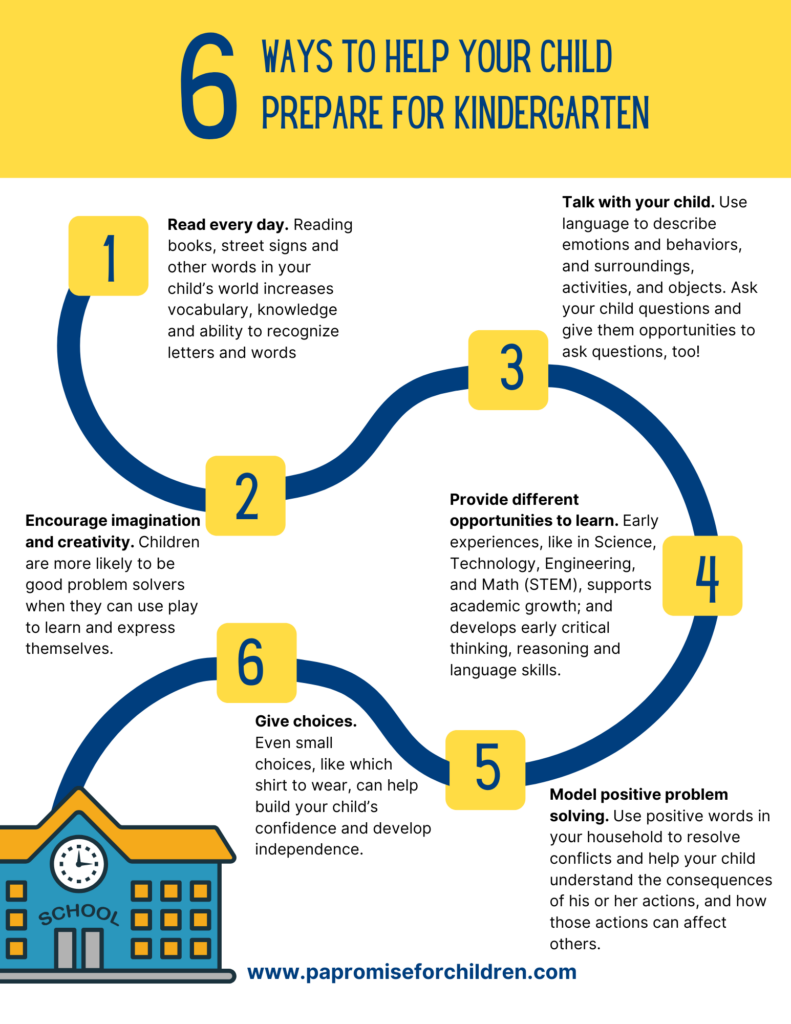
The Role of Technology in Creative Expression
Technology is not solely about logic and utility; it is also a powerful medium for creative expression. Kindergarteners should learn that digital tools can be used to create, not just consume. Simple drawing applications, digital storytelling tools, or music creation apps empower children to translate their imaginations into digital formats. They can draw pictures, record their voices narrating a story, or arrange sounds to compose a simple tune. This fosters creativity, builds confidence in self-expression, and introduces them to the concept of digital content creation. Understanding technology as a creative outlet encourages children to be proactive participants in the digital world, moving beyond passive viewership and towards active contribution. This creative dimension ensures a holistic understanding of technology’s potential and prepares them to be creators and innovators in their own right.
aViewFromTheCave is a participant in the Amazon Services LLC Associates Program, an affiliate advertising program designed to provide a means for sites to earn advertising fees by advertising and linking to Amazon.com. Amazon, the Amazon logo, AmazonSupply, and the AmazonSupply logo are trademarks of Amazon.com, Inc. or its affiliates. As an Amazon Associate we earn affiliate commissions from qualifying purchases.