
Ashwagandha, a prominent herb in Ayurvedic medicine, has garnered significant attention for its purported health benefits. While its therapeutic properties are widely discussed, a fundamental question often lingers: What does ashwagandha actually look like? This seemingly simple query unlocks a deeper understanding of the plant, its cultivation, and how its potent compounds are brought to us in various forms. This exploration will delve into the visual identity of ashwagandha, tracing its journey from a humble plant to the supplements and remedies we encounter. We’ll consider how its appearance plays a role in its identity, and how understanding its visual cues can even connect to broader concepts of brand perception and authenticity in the wellness market.
Unveiling the Plant: From Root to Leaf
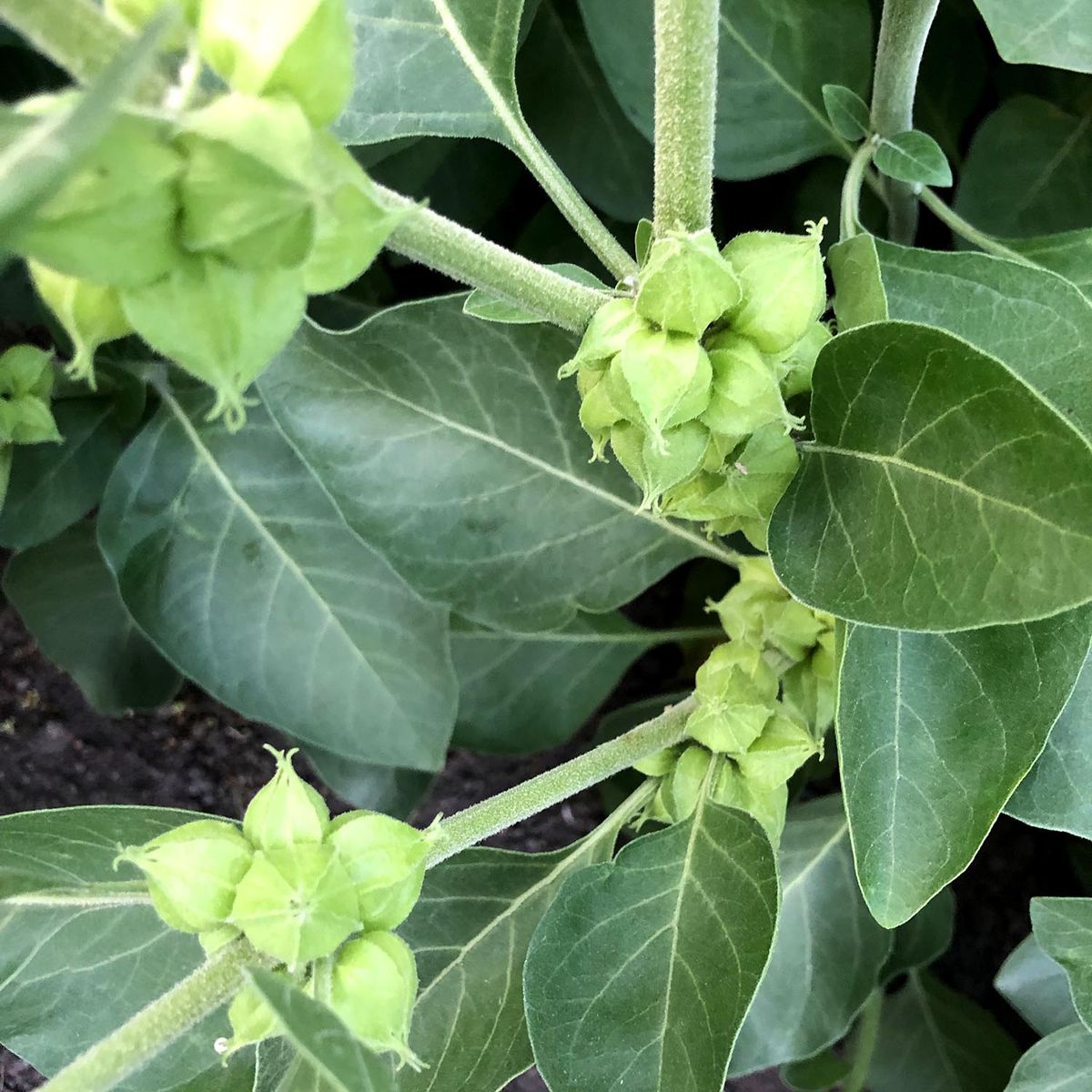
Ashwagandha, scientifically known as Withania somnifera, is a perennial evergreen shrub native to the drier regions of India, the Middle East, and parts of Africa. Its common name, “ashwagandha,” is derived from Sanskrit, meaning “smell of the horse,” a reference to its earthy scent and perceived ability to enhance stamina. Visually, the plant itself is unassuming, yet it holds immense potential within its very structure.
The Root: The Heart of the Matter
The most valued part of the ashwagandha plant, and the source of its most potent compounds, is its root. When harvested, the roots are typically thick, fleshy, and tuberous. Their color can range from a pale cream to a light brown, often with a slightly gnarled or irregular shape. The surface of the root can be somewhat rough, bearing the marks of its subterranean journey. It’s the intricate network of secondary roots that branch off from the main taproot that contribute to its substantial volume.
The texture of the fresh root is firm and somewhat woody. When dried, it becomes harder and more brittle, making it easier to grind into a powder. The root system is where the plant concentrates its active constituents, particularly the withanolides, the primary group of bioactive compounds responsible for ashwagandha’s adaptogenic and therapeutic effects. Therefore, understanding what the root looks like is crucial for recognizing authentic, high-quality ashwagandha.
The Stems and Leaves: A supporting cast
While the roots are the star of the show in terms of medicinal value, the rest of the ashwagandha plant also contributes to its visual identity. The stems are typically woody and erect, branching out to support the leaves. They can be greenish to purplish in color.
The leaves of ashwagandha are ovate to elliptical in shape, with smooth or slightly wavy margins. They are typically dark green on the upper surface and paler and often covered with a fine, downy fuzz on the underside. These leaves are sessile or very short-stalked, meaning they attach directly to the stem. The fuzzy texture is a characteristic feature, contributing to the plant’s overall tactile impression.
The Flowers and Fruits: A Glimpse of Reproduction
Ashwagandha also produces small, greenish-yellow, star-shaped flowers. These solitary flowers are usually borne in small clusters in the leaf axils (the angle between the upper side of the stem and a leaf growing from the stem). They are inconspicuous and often overlooked amidst the foliage.
Following pollination, the plant develops small, berry-like fruits. These fruits are typically oval or round and turn a vibrant orange-red to scarlet color when ripe. They are about the size of a pea and are often enclosed in a persistent calyx (the outer whorl of floral leaves). The bright coloration of the ripe berries serves as a visual cue for the plant’s maturity and readiness for seed dispersal.
From Plant to Powder: The Visual Transformation
The journey of ashwagandha from a living plant to the consumable forms we recognize involves several processing stages, each influencing its visual appearance. Understanding these transformations is vital for consumers to discern quality and authenticity.
Dried Roots: The Foundation of Supplements

Once harvested, the ashwagandha roots are thoroughly cleaned to remove any soil or debris. They are then typically dried. This drying process can be done naturally in the sun or using mechanical dryers. During drying, the moisture content is significantly reduced, which helps in preservation and concentrates the active compounds.
Visually, dried ashwagandha roots can appear as whole, dried root pieces, or they are often broken into smaller fragments. The color deepens slightly, and the texture becomes more brittle. It is this dried root that forms the basis for most ashwagandha powders and extracts.
Ashwagandha Powder: The Ubiquitous Form
The most common form in which ashwagandha is encountered is as a powder. This powder is produced by grinding the dried ashwagandha roots. The fineness of the grind can vary, from a coarse powder to a very fine, almost flour-like consistency.
The color of high-quality ashwagandha powder is typically a light to medium brown, sometimes with a slight yellowish or reddish undertone. It should have a characteristic earthy or slightly bitter smell. The texture should be relatively uniform, without large chunks or an excessive amount of fine dust. The visual appeal of the powder can sometimes be an indicator of the quality of the raw material and the processing methods employed. For instance, a very dark or unnaturally bright powder might suggest adulteration or over-processing.
Extracts and Capsules: Concentrated Potency
Ashwagandha is also frequently processed into extracts, which are concentrated forms of the herb’s active compounds. These extracts are often standardized to contain a specific percentage of withanolides, ensuring a consistent dosage of the beneficial compounds.
Visually, ashwagandha extracts can vary depending on the solvent used in the extraction process. They can appear as dark, viscous liquids, or they might be further processed and dried into a fine powder that is then encapsulated. Capsules are perhaps the most convenient and popular way to consume ashwagandha for many. The capsules themselves are typically made of gelatin or vegetarian alternatives and contain the ashwagandha powder or extract. The visual appearance here is standard for capsule supplements, with the focus being on the integrity of the capsule and the brand’s labeling.
Beyond the Visual: Authenticity and Quality Assurance
While understanding what ashwagandha looks like is important, it’s equally crucial to recognize that visual cues alone aren’t always definitive. The wellness industry, like many others, can be susceptible to misleading marketing and even adulteration. This is where the concept of brand and its associated trust becomes paramount.
The Brand as a Guarantee of Appearance and Potency
When purchasing ashwagandha products, consumers often rely on the reputation and branding of the company. A well-established brand with a history of producing high-quality supplements is more likely to ensure that their ashwagandha products visually align with what is expected of authentic, potent herb. This includes:
- Consistent Color and Texture: Reputable brands will strive for a consistent visual appearance in their powders and extracts, reflecting a controlled sourcing and processing methodology.
- Clear Labeling: Brands that are transparent about their sourcing, extraction methods, and the standardization of their products provide consumers with confidence. This often includes information about the part of the plant used (e.g., root extract) and the percentage of active compounds.
- Third-Party Testing: Leading brands often submit their products to independent third-party laboratories for testing. This verification process ensures that the product contains what it claims to contain and is free from contaminants. While this isn’t a visual inspection of the ashwagandha itself, it underpins the visual representation on the packaging.
Recognizing Potential Red Flags
While visual inspection can offer initial clues, it’s also important to be aware of potential red flags that might suggest a deviation from what ashwagandha should look like:
- Unnatural Colors: Powders that are excessively bright or unnaturally colored might indicate the presence of artificial dyes or other adulterants.
- Unpleasant Odors (Beyond Earthy): While ashwagandha has a distinct earthy aroma, overpowering or chemical smells could be a warning sign.
- Inconsistent Particle Size: A powder with a highly uneven particle size, containing large clumps or excessive fine dust, might suggest poor milling or processing.
- Lack of Transparency: Brands that are evasive about their sourcing, processing, or testing protocols should be approached with caution.
In essence, the visual characteristics of ashwagandha – from its root structure to the fine powder in a supplement – are integral to its identity. However, the true value and authenticity are often underpinned by the brand’s commitment to quality, transparency, and scientific verification. By understanding what ashwagandha looks like, and by pairing that knowledge with informed consumer choices and a reliance on trusted brands, individuals can better navigate the market and ensure they are receiving the genuine benefits of this remarkable adaptogenic herb. The visual aspect serves as a starting point, but it’s the trust and integrity built by a brand that ultimately provides a comprehensive guarantee.
aViewFromTheCave is a participant in the Amazon Services LLC Associates Program, an affiliate advertising program designed to provide a means for sites to earn advertising fees by advertising and linking to Amazon.com. Amazon, the Amazon logo, AmazonSupply, and the AmazonSupply logo are trademarks of Amazon.com, Inc. or its affiliates. As an Amazon Associate we earn affiliate commissions from qualifying purchases.