
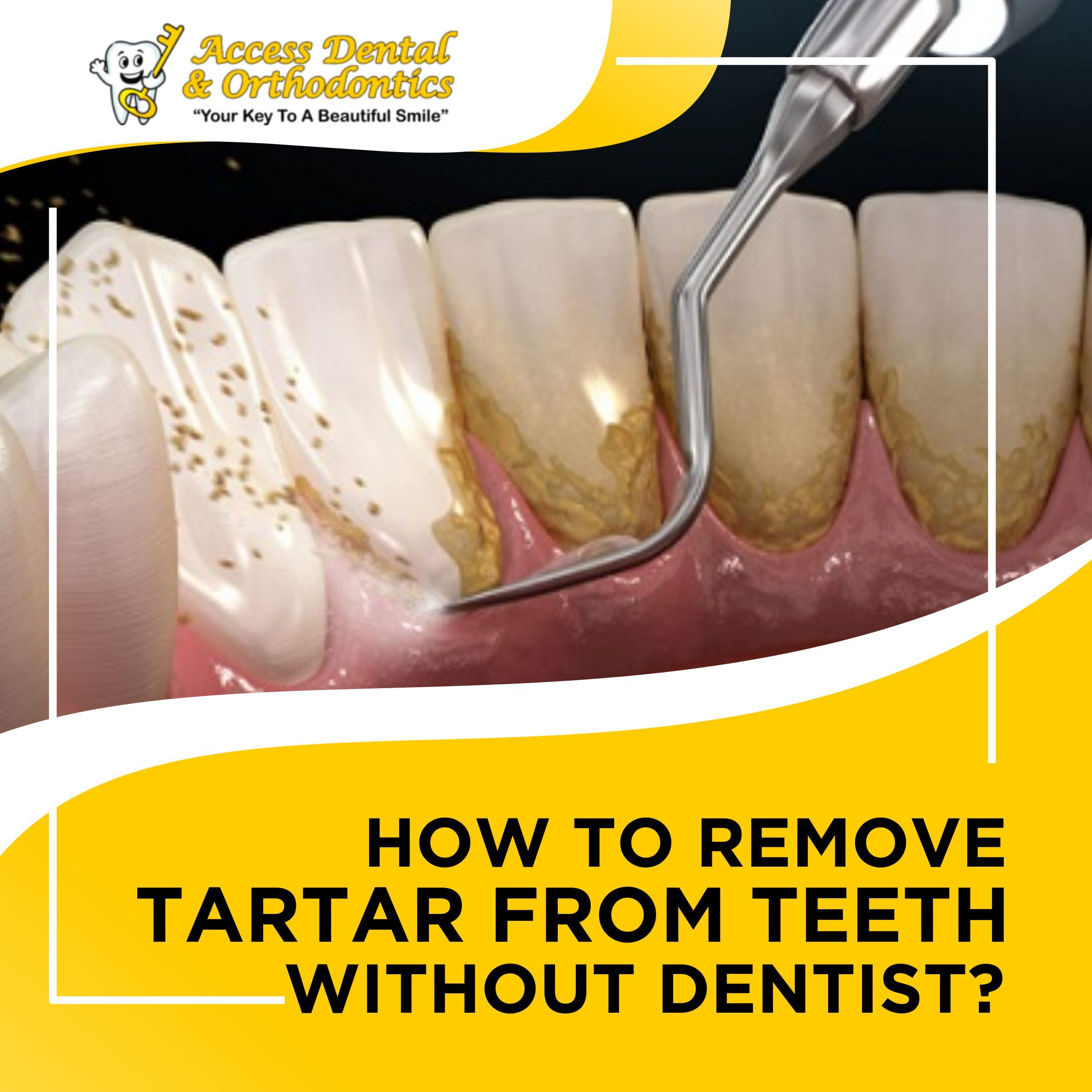
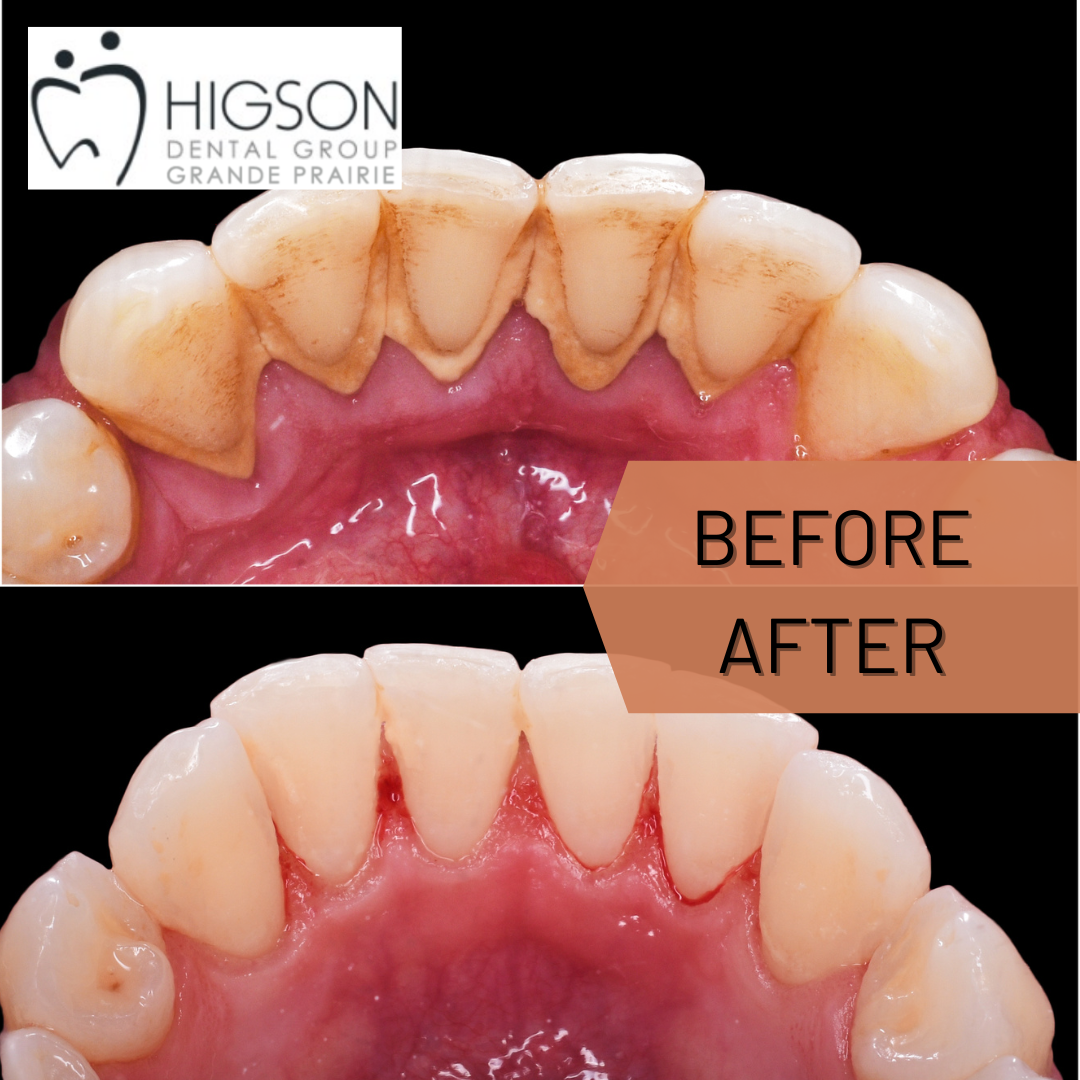
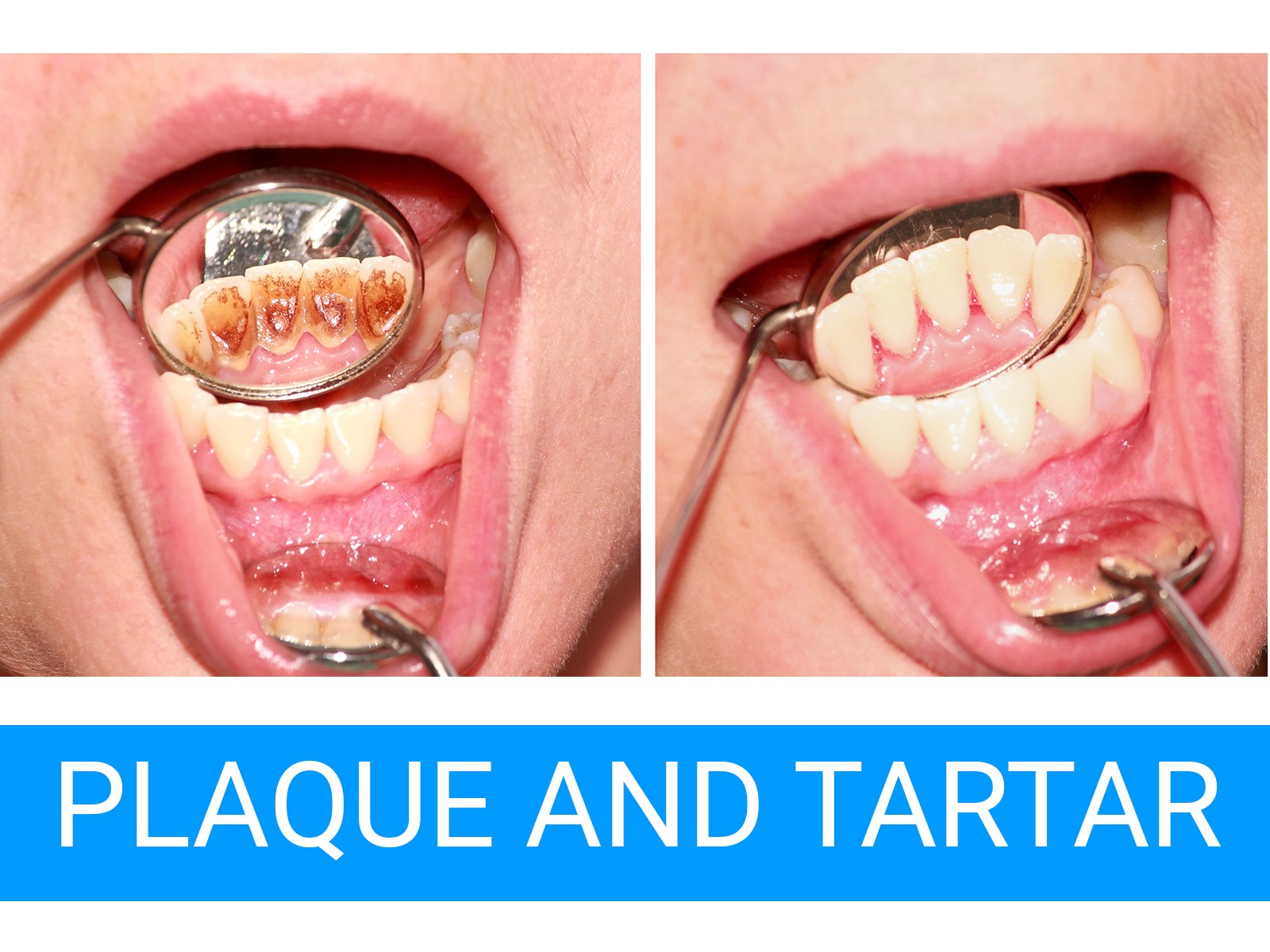
Tartar, or dental calculus, is a hardened form of plaque that adheres firmly to teeth and below the gum line. It cannot be removed by brushing or flossing alone once formed, posing significant risks to oral health, including gum disease and tooth decay. While traditional dental tools and techniques have long been the staple for its removal, the landscape of oral hygiene and professional dentistry is increasingly shaped by innovative technology. From smart toothbrushes to advanced professional scaling devices and diagnostic tools, technology is revolutionizing how tartar is prevented, detected, and ultimately removed. Understanding these technological advancements is key for both dental professionals and individuals seeking optimal oral health.
The Evolution of At-Home Tartar Prevention Technology
Preventing tartar formation begins with meticulous daily oral hygiene. Modern technology has significantly enhanced the efficacy of at-home care, moving beyond manual brushing to offer sophisticated tools that minimize plaque buildup and, consequently, tartar.
Sonic and Ultrasonic Toothbrushes
The advent of electric toothbrushes marked a significant leap in personal dental care. Among these, sonic and ultrasonic toothbrushes stand out for their advanced cleaning capabilities. Sonic toothbrushes operate by vibrating at high speeds, typically generating tens of thousands of brush strokes per minute. This high-frequency motion creates dynamic fluid forces that extend beyond the bristles to dislodge plaque and food debris from tooth surfaces and even slightly below the gum line, areas manual brushes often miss.
Ultrasonic toothbrushes push this technology further, vibrating at frequencies beyond the range of human hearing, usually around 2.4 million movements per minute. These vibrations generate acoustic energy that disrupts bacterial chains, even in areas not directly touched by the bristles. While they don’t remove existing hardened tartar, their superior plaque removal capabilities are instrumental in preventing its formation, making them a crucial technological asset in preventive oral care. Many models now incorporate pressure sensors, timers, and multiple brushing modes, further optimizing the brushing experience and ensuring consistent, effective cleaning.
Advanced Water Flossers and Oral Irrigators
Flossing is critical for removing interdental plaque, a primary precursor to tartar. Traditional string floss, while effective, can be challenging for some to use consistently. Water flossers, or oral irrigators, offer a technological alternative, utilizing a stream of pulsating water to remove food particles and plaque from between teeth and below the gum line. Modern water flossers feature adjustable pressure settings, various tips for different needs (e.g., orthodontic, periodontal pockets), and even smart connectivity. The pulsating action can dislodge loosely attached plaque, and some models even allow for the addition of antimicrobial rinses, enhancing their effectiveness against bacteria. While they don’t replace brushing, water flossers are a powerful technological aid in maintaining clean interdental spaces, thereby reducing tartar accumulation.
Smart Toothbrushes and AI-Driven Oral Care Apps
The integration of artificial intelligence (AI) and connectivity into oral hygiene products represents the forefront of at-home tartar prevention technology. Smart toothbrushes connect via Bluetooth to smartphone apps, providing real-time feedback on brushing technique, coverage, and duration. Sensors within the brush handle map the mouth, identifying missed spots and areas requiring more attention. AI algorithms then analyze this data to offer personalized recommendations, track progress over time, and even predict potential problem areas. Some apps can integrate with augmented reality (AR) to guide users through their brushing routine, making the process more engaging and effective. By transforming brushing from a routine chore into a data-driven, personalized experience, smart toothbrushes empower individuals to optimize their plaque removal efforts and significantly reduce the risk of tartar buildup.
Professional Dental Technologies for Tartar Removal
Once tartar has formed, professional intervention is necessary. Modern dentistry relies on a suite of advanced technological tools to safely and effectively remove even the most stubborn calculus deposits.
Ultrasonic Scalers and Cavitron Devices
The most commonly used technological instruments for professional tartar removal are ultrasonic scalers, often referred to by brand names like Cavitron. These devices utilize high-frequency sound waves to vibrate a thin tip, which then shatters and dislodges tartar from tooth surfaces. The ultrasonic vibrations also create cavitation, forming tiny bubbles that collapse and release energy, further aiding in the disruption of bacterial biofilms and calculus. Water is simultaneously delivered through the scaler tip, cooling the instrument, flushing away debris, and providing a lavage effect that cleanses the periodontal pockets. Ultrasonic scaling is highly efficient, less invasive than traditional manual scaling, and can often provide a more comfortable experience for patients due to its rapid and gentle action.
Air-Polishing Systems
While not directly removing hardened tartar, air-polishing systems are an invaluable technological adjunct to professional cleaning. These devices use a focused stream of air, water, and a fine powder (typically sodium bicarbonate or erythritol) to remove plaque, stains, and very fine, loosely adherent calculus from tooth surfaces, particularly in hard-to-reach areas. Air polishing is highly effective for cleaning around orthodontic brackets, implants, and in deep fissures, preparing the tooth surface for better visibility during scaling and enhancing the final smoothness after tartar removal. It complements ultrasonic scaling by removing the soft deposits and stains that often obscure calculus, allowing for more precise and thorough cleaning.
Laser Dentistry in Tartar Management
Laser technology is an emerging and highly promising area in professional tartar management. Specific types of dental lasers, such as Nd:YAG and Er:YAG lasers, are being explored and used for their ability to ablate (vaporize) calculus deposits with high precision. Lasers can effectively remove tartar without direct mechanical contact with the tooth surface, potentially leading to less discomfort and reduced risk of damage to the surrounding soft tissues. Furthermore, certain lasers possess bactericidal properties, helping to disinfect periodontal pockets during the scaling process. While not yet universally adopted as the primary method for calculus removal, laser dentistry represents a cutting-edge technological advancement that could offer a more targeted, efficient, and patient-friendly approach to professional cleanings in the future.
Diagnostic Innovations: Leveraging Tech to Detect Tartar Earlier
Early detection is paramount in preventing the progression of oral diseases linked to tartar. Technological advancements in dental diagnostics allow for more precise and earlier identification of plaque accumulation and calculus, enabling timely intervention.
Digital X-rays and 3D Imaging
Traditional film X-rays are rapidly being replaced by digital radiography, which offers numerous advantages. Digital X-rays use significantly less radiation exposure, provide instant image capture, and allow for digital enhancement and storage. They are crucial for detecting subgingival calculus (tartar below the gum line) and interproximal calculus (between teeth) that is not visible during a clinical examination. Beyond standard digital X-rays, 3D imaging technologies like Cone Beam Computed Tomography (CBCT) provide highly detailed three-dimensional views of the oral cavity. While primarily used for complex cases like implant planning, CBCT can offer an unparalleled view of bone loss patterns associated with periodontitis caused by chronic tartar buildup, allowing for a comprehensive assessment of the disease extent.
Intraoral Cameras and AI-Enhanced Diagnostics
Intraoral cameras are small, high-definition cameras that allow dentists to capture magnified images and videos of the patient’s teeth and gums. This technology provides an excellent visual aid for both the practitioner and the patient, enabling a clearer understanding of plaque and tartar accumulation, as well as areas of concern. By displaying these images on a screen, patients can actively participate in their oral health management. Furthermore, AI is increasingly being integrated into diagnostic software used with intraoral cameras and other imaging tools. AI algorithms can analyze images to identify subtle signs of early plaque buildup, quantify calculus deposits, and even detect incipient caries or gum inflammation with a precision that might surpass the human eye, thereby facilitating earlier and more targeted preventive strategies.
The Future of Tartar Management: Emerging Technologies
The horizon of dental technology promises even more sophisticated solutions for preventing and removing tartar, pushing towards more personalized, predictive, and minimally invasive approaches.
Robotics and Automation in Dental Hygiene
The field of robotics is slowly making inroads into dentistry. While fully autonomous tartar removal robots are still in the realm of science fiction, robotic assistance in dental procedures could soon become a reality. This might include robotic arms guiding instruments with unparalleled precision during scaling procedures, or even automated systems for applying preventive coatings or sealants. Such advancements could enhance consistency, reduce procedural time, and potentially lower the physical strain on dental professionals.
Biotechnology and Novel Antimicrobial Agents
Beyond mechanical removal, biotechnology is exploring new ways to combat the bacterial biofilms that form plaque and tartar. Research is ongoing into novel antimicrobial agents that can specifically target plaque-forming bacteria without harming beneficial oral flora. This could include targeted gene therapies, bacteriophages, or engineered probiotics designed to maintain a healthy oral microbiome. The development of vaccines against specific periodontal pathogens also holds promise. These biotechnological approaches aim to prevent plaque from forming in the first place, offering a truly preventive solution to tartar buildup.
Personalized Digital Dental Care Plans
The convergence of AI, big data, and wearable technology will likely lead to hyper-personalized dental care plans. Imagine smart sensors embedded in everyday items or even in a temporary oral device that continuously monitors plaque levels, pH, and bacterial markers. This data, combined with genetic predispositions and lifestyle factors, could feed into AI-driven platforms that provide real-time, tailored advice for diet, brushing habits, and product recommendations. Such a system could predict an individual’s risk for tartar buildup and recommend precise preventive actions or schedule professional cleanings exactly when needed, optimizing both oral health outcomes and resource utilization.
In conclusion, technology plays an indispensable role in the ongoing battle against tartar. From advanced at-home devices that empower individuals to maintain superior oral hygiene, to sophisticated professional tools that enable precise and efficient calculus removal, and cutting-edge diagnostic innovations that facilitate early detection, technology is continuously elevating the standard of dental care. As research and development continue, the future promises even more innovative solutions, moving towards an era of highly personalized and predictive oral health management, ensuring healthier smiles for all.
aViewFromTheCave is a participant in the Amazon Services LLC Associates Program, an affiliate advertising program designed to provide a means for sites to earn advertising fees by advertising and linking to Amazon.com. Amazon, the Amazon logo, AmazonSupply, and the AmazonSupply logo are trademarks of Amazon.com, Inc. or its affiliates. As an Amazon Associate we earn affiliate commissions from qualifying purchases.