
Rust stains, those persistent reddish-brown blemishes, are more than just an unsightly nuisance; they represent a tangible financial drain. From diminishing property value to prematurely aging valuable assets, ignoring these corrosive marks can lead to significant expenses down the line. Understanding how to effectively remove and prevent rust stains is not just about aesthetics; it’s a shrewd financial strategy for asset preservation and smart home economics. This article delves into the monetary implications of rust stains and outlines cost-effective approaches to address them, ensuring your investments remain pristine and their value intact.
The Financial Impact of Rust Stains
The presence of rust stains often signifies a deeper issue than mere surface discoloration, impacting both immediate finances and long-term asset value. Ignoring them is akin to letting money leak from your wallet.

Property Value Depreciation: For homeowners, curb appeal is paramount to property value. Rust stains on concrete driveways, stucco siding, patios, or fences can drastically diminish the aesthetic appeal of a home. Prospective buyers might interpret these stains as a sign of neglect, leading to lower offers or an extended period on the market. Studies suggest that well-maintained exteriors can add significant percentage points to a home’s selling price, while visible flaws like pervasive rust stains can shave off thousands of dollars from its potential value. This isn’t just a hypothetical scenario; appraisers often factor in the condition of exterior surfaces when assessing market value, making rust removal an investment in your home’s equity.
Asset Degradation and Replacement Costs: Beyond the home’s exterior, rust actively degrades valuable personal and business assets. Garden tools left exposed, outdoor furniture, vehicles, machinery, and even certain indoor fixtures are susceptible. As rust progresses, it weakens materials, compromises structural integrity, and impairs functionality. A rusted wrench might slip and damage components, while a rusted patio chair could collapse. The cost of replacing these items, often prematurely, far outweighs the expense and effort of early rust removal and prevention. For businesses, machinery rust can lead to costly downtime, repairs, or even complete replacement, directly impacting operational budgets and profitability.
Escalating Maintenance Expenses: What starts as a minor rust spot can, if left unaddressed, evolve into a more severe problem. Rust on metal structures like fences, railings, or support beams can compromise their structural integrity, necessitating expensive repairs or full replacements. Similarly, rust bleeding from metal components onto porous surfaces like concrete or stone can penetrate deeply, making removal exponentially harder and more costly, often requiring specialized equipment or professional intervention. Procrastination in addressing rust is a direct pathway to higher future expenses.
Reduced Resale Value of Vehicles and Equipment: The automotive sector provides a clear example of rust’s financial toll. Rust on a vehicle’s bodywork, undercarriage, or components significantly detracts from its resale value. Buyers are wary of rust, understanding that it can indicate deeper structural or mechanical issues. Similarly, used industrial equipment or even consumer electronics with visible rust will fetch a considerably lower price than their rust-free counterparts, representing a direct loss on your initial investment.
In essence, rust stains are not just an eyesore; they are a financial liability that, if not managed proactively, can erode the value of your assets and property, leading to avoidable expenses and diminished returns.
DIY Rust Removal: Saving Money Through Smart Solutions
Tackling rust stains yourself can be a highly effective way to save money, sidestepping the costs associated with professional cleaning services. However, success hinges on choosing the right method for the specific stain and surface, leveraging common household items and affordable specialized products.
Leveraging Household Staples for Cost-Effective Solutions:
Many effective rust removers are likely already in your pantry, offering an exceptionally low-cost approach:
- Vinegar and Salt: White vinegar, rich in acetic acid, reacts with rust to break it down. When combined with salt, which acts as a mild abrasive, it forms a potent yet gentle paste. This mixture is excellent for light rust stains on concrete, ceramics, or small metal items. The cost is minimal, often just a few dollars for a large bottle of vinegar and a container of salt.
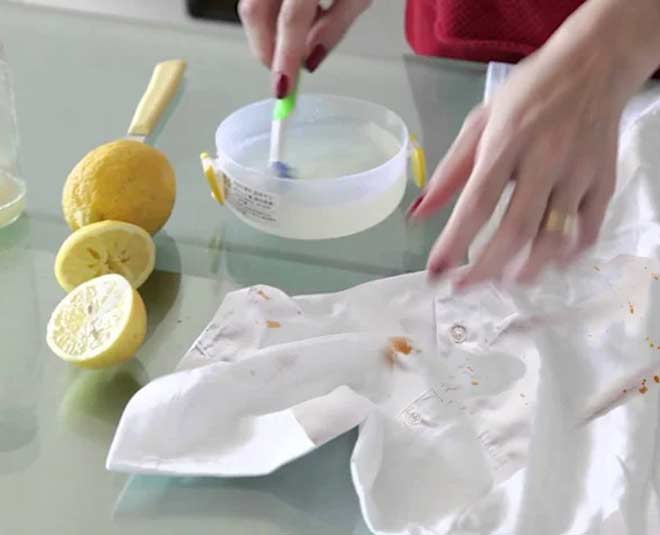
- Lemon Juice and Salt: Similar to vinegar, the citric acid in lemon juice is an effective rust dissolver. Its mild acidity makes it suitable for various surfaces. A lemon and a pinch of salt can tackle small, fresh rust spots efficiently and cheaply.
- Baking Soda and Water: For lighter stains, a paste made from baking soda and water offers a gentle abrasive action. It’s particularly useful on delicate surfaces where stronger acids might cause damage. Baking soda is inexpensive and widely available.
- Potatoes and Dish Soap/Baking Soda: Surprisingly, potatoes contain oxalic acid, a powerful rust remover. Cutting a potato in half, sprinkling the cut surface with dish soap or baking soda, and rubbing it on the stain can be very effective for small, stubborn spots, especially on metals. This method utilizes readily available items, keeping costs virtually zero.
Affordable Specialized Products for Tougher Stains:
When household items aren’t quite enough, several specialized products offer powerful rust removal without breaking the bank:
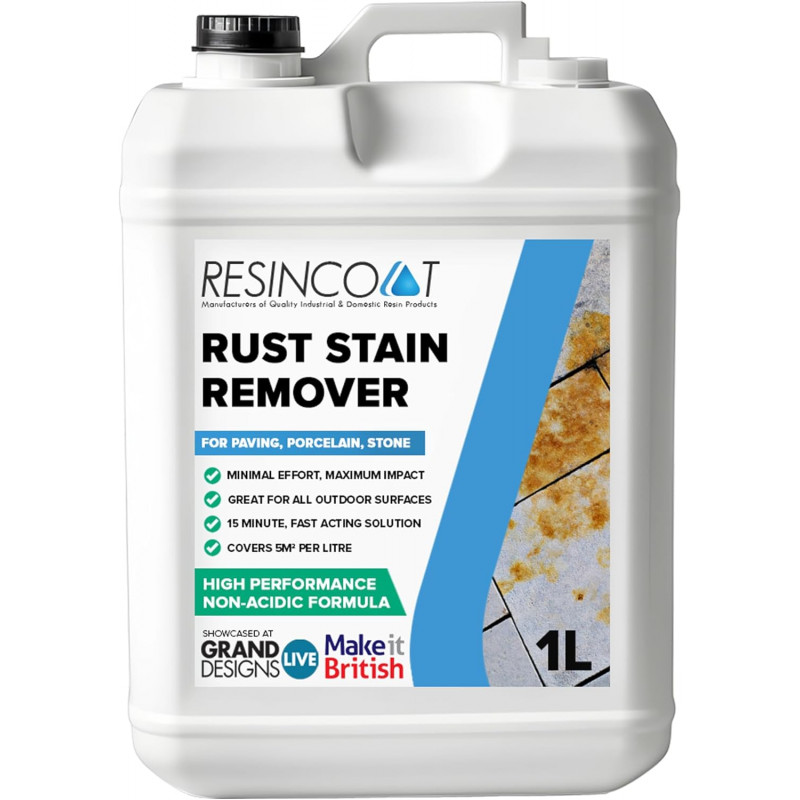
- Oxalic Acid-Based Cleaners: Products containing oxalic acid are widely available at hardware stores and are highly effective on rust stains, particularly on concrete, brick, and stone. While a bottle might cost more than vinegar, it’s often a concentrate that can be diluted, providing many applications for a single purchase. Always follow safety instructions when using these stronger acids.
- Rust Converters/Encapsulators: For rusted metal items, rust converters transform existing rust into a stable, black, paintable surface, stopping further corrosion and eliminating the need for extensive sanding. This saves money by extending the life of metal assets, preventing premature replacement, and preparing them for a protective coating.
- Gels and Pastes: Many brands offer rust-removing gels or pastes that cling to vertical surfaces, allowing longer contact time with the stain. While slightly more expensive than liquid solutions, their targeted application can reduce waste and improve efficacy on specific areas.
Tools for DIY: Minimal Investment, Significant Savings:
The necessary tools for DIY rust removal are generally inexpensive and long-lasting: stiff-bristled brushes (nylon for general cleaning, wire for tough metal rust), scrub pads, spray bottles for even application, and crucially, safety gear like gloves and eye protection. These items represent a small upfront investment that protects your health and enables countless future money-saving DIY projects.
Calculating Your DIY Savings
Consider a scenario where professional rust removal for a stained driveway costs an average of $500-$1000. By choosing the DIY route, you might spend $20-$50 on materials like oxalic acid cleaner, brushes, and safety gear. Even factoring in your time at a reasonable hourly wage, the net savings are substantial. For example, if it takes you 4 hours, and you value your time at $25/hour ($100), your total DIY “cost” is $120-$150. This represents savings of $350-$850 compared to professional services, a clear win for your personal finance.
When to Hire a Professional: A Cost-Benefit Analysis
While DIY rust removal offers significant savings, there are scenarios where professional intervention is not just advisable but economically prudent. Recognizing these situations can prevent costly mistakes and ensure effective, long-lasting results.
Scale and Severity of the Problem: For extensive rust stains covering large areas like an entire commercial driveway, multiple concrete patios, or complex architectural elements, the sheer volume of work might overwhelm a DIYer. Professionals possess industrial-grade equipment, such as powerful pressure washers, specialized chemical applicators, and advanced cleaning agents that are far more effective and efficient for large-scale jobs. Attempting to tackle such tasks yourself could lead to partial results, wasted money on ineffective products, and significant time expenditure without the desired outcome. The cost of renting professional-grade equipment might also approach or exceed the cost of hiring a service.
Delicate or Specialized Surfaces: Some surfaces are highly sensitive to improper cleaning methods. Natural stone (marble, limestone), certain types of tile, delicate fabrics, or historically significant structures can be permanently damaged by the wrong chemicals or abrasive techniques. Professionals have the expertise and experience to identify the material, understand its properties, and apply the most appropriate, least damaging rust removal solution. The cost of repairing or replacing a damaged delicate surface far outweighs the fee for a professional cleaner.
Time Constraints and Opportunity Cost: For individuals with demanding careers or tight schedules, the time required for extensive DIY rust removal might be better spent on income-generating activities or personal pursuits. In such cases, the “opportunity cost” of your time might make hiring a professional more financially advantageous. If dedicating 8 hours to rust removal means losing 8 hours of billable work at a high hourly rate, outsourcing the task becomes a wise economic decision.
Safety Concerns and Expertise: Dealing with strong rust-removing chemicals, operating heavy machinery like industrial pressure washers, or working at heights can pose significant safety risks. Professionals are trained in safe handling procedures, possess the necessary personal protective equipment (PPE), and are often insured, protecting you from liability in case of accidents. Their expertise also ensures that the chemicals are disposed of responsibly, adhering to environmental regulations.
Guaranteed Results and Long-Term Value: Reputable professional cleaning services often guarantee their work. This means if the rust reappears prematurely or the initial cleaning isn’t satisfactory, they will rectify it at no additional cost. This assurance provides peace of mind and prevents the need for costly re-do efforts, ensuring your investment in the cleaning service yields lasting results. They also have the knowledge to apply preventative measures that might extend the stain-free period.
Beyond Just the Stain: Structural Integrity and Hidden Costs
Professionals can offer an invaluable perspective beyond just surface cleaning. They can often identify if the rust stain is merely superficial or if it indicates a deeper issue, such as rebar corrosion within concrete, a leaky pipe, or compromised metal flashing. Addressing these underlying problems is crucial for preventing future, more significant structural damage and much higher repair costs. Their assessment can save you from a small problem escalating into a major financial burden. When choosing a professional, always solicit multiple quotes, verify their credentials and insurance, and thoroughly understand their process and pricing structure.
Preventative Measures: Long-Term Savings and Asset Protection
The most financially savvy approach to rust stains isn’t just about removing them, but preventing their occurrence in the first place. Proactive measures represent an upfront investment that yields substantial long-term savings by preserving asset value, reducing maintenance costs, and avoiding costly repairs or replacements.
Understanding the Root Cause and Mitigating Factors:
Rust forms when iron or its alloys (like steel) are exposed to oxygen and moisture. Identifying and addressing the sources of this exposure is the first step in prevention.
- Water Management: Leaky outdoor faucets, misdirected sprinkler heads spraying onto metal objects or concrete, and poor drainage can all create consistent moisture. Fixing leaks, adjusting irrigation systems, and ensuring proper runoff away from foundations and driveways are fundamental steps that save money by preventing water damage and rust.
- Fertilizers and Chemicals: Many lawn fertilizers contain iron, which can leave rust-like stains on concrete if granules are left to dissolve on the surface. Sweeping or blowing off excess fertilizer immediately after application is a simple, no-cost preventative measure. Similarly, some de-icing salts can accelerate corrosion on metal surfaces.
Regular Cleaning and Maintenance: The Budget-Friendly Shield:
Routine cleaning is often overlooked but incredibly effective. A simple wash with soap and water can remove iron particles or nascent rust spots before they have a chance to deeply stain surfaces. This minimal effort and cost dramatically reduces the likelihood of needing expensive specialized rust removers or professional services later. For metal tools, wiping them clean and dry after each use is a quick habit that prolongs their life.
Protective Coatings: An Investment Against Corrosion:
- Sealants for Porous Surfaces: Concrete, pavers, natural stone, and stucco are highly porous. Applying a quality sealant creates a barrier that prevents moisture and rust-causing iron particles from penetrating the surface. While there’s an upfront cost for the sealant and application (either DIY or professional), it pays off by making surfaces easier to clean, preventing deep stains, and extending the lifespan of the material, thus avoiding costly restoration or replacement.
- Rust-Inhibiting Paints and Primers: For metal fences, outdoor furniture, gates, and tools, applying rust-inhibiting primers followed by weather-resistant paint is crucial. These coatings create a physical barrier against oxygen and moisture, effectively stopping rust in its tracks. This investment extends the life and maintains the aesthetic appeal of these items, saving on frequent replacements.
- Waxing and Oiling: For frequently used metal tools and machinery, a light coat of wax or oil provides a sacrificial layer that repels moisture and prevents rust. This is a very low-cost and quick maintenance step that significantly extends tool longevity.
Proper Storage Practices:
Storing metal items correctly can dramatically reduce rust formation. Keep tools, outdoor furniture cushions, and any metal components in dry environments. Using tool chests with desiccant packs, covering outdoor furniture, and ensuring good ventilation in storage areas are simple, low-cost strategies that prevent moisture accumulation and, consequently, rust.
Investing in Quality, Rust-Resistant Materials:
When undertaking renovations or making new purchases, consider the long-term cost. While stainless steel, aluminum, or galvanized metals might have a higher upfront cost than standard steel, their inherent rust resistance significantly reduces future maintenance, repair, or replacement expenses. Choosing materials suited for the environment they’ll inhabit is a smart financial decision that prevents a cascade of rust-related costs.
By integrating these preventative measures into your routine and decision-making, you shift from a reactive, costly cycle of rust removal to a proactive, money-saving approach that safeguards your assets and enhances their longevity and value.
Investing in the Right Tools and Products
While the allure of cost-saving DIY projects is strong, investing wisely in the right tools and products can significantly enhance efficacy, efficiency, and long-term savings in rust removal and prevention. This isn’t about spending more, but spending smarter to achieve better, more lasting results.
Essential Rust Removal Toolkit: Strategic Acquisitions:
- Safety Gear: This is a non-negotiable investment in your personal health and safety. High-quality chemical-resistant gloves, eye protection (goggles), and appropriate respiratory masks for ventilation are paramount when handling rust-removing chemicals. The cost of these items is minimal compared to potential medical expenses or health complications from chemical exposure.
- Quality Scrub Brushes and Applicators: Different surfaces require different brushes. A set of stiff nylon brushes is excellent for general concrete and outdoor surfaces. For tougher, embedded rust on metals, a wire brush might be necessary, but care must be taken not to scratch surrounding areas. Invest in durable brushes that won’t fall apart after a few uses, providing better value over time. Sprayers or dedicated applicators ensure even distribution of liquid rust removers, reducing waste and improving contact time.
- Pressure Washer (Rental vs. Purchase): For large areas with pervasive rust stains, a pressure washer can be a game-changer. It significantly reduces manual labor and can penetrate deeper into porous surfaces. For occasional use, renting a commercial-grade pressure washer might be more cost-effective than purchasing. However, if you have frequent large-scale cleaning needs (driveways, siding, decks), investing in your own durable unit offers a multifaceted return on investment, usable for many other cleaning tasks beyond rust.
Product Selection Strategy: Optimizing Your Investment:
- Research and Reviews: Don’t just grab the cheapest rust remover. Invest time in reading reviews and comparing product efficacy for your specific stain and surface type. A product that costs slightly more but delivers superior results and requires fewer applications ultimately saves you money by preventing wasted product, wasted effort, and the need for re-dos. Look for solutions specifically formulated for concrete, metal, fabric, etc.
- Concentrates for Better Value: Many professional-grade rust removers come in concentrated formulas. While the initial purchase price might seem higher, these concentrates are diluted with water, yielding many gallons of solution from a single bottle. This provides significantly better value per application compared to pre-mixed, ready-to-use products, especially for larger or recurring rust issues.
- Environmentally Friendly Options: Consider products that are biodegradable or less harsh on the environment. While sometimes marginally more expensive, they can avoid the complexities and potential costs associated with the disposal of hazardous chemicals, aligning with a broader responsible consumption strategy.
- Test Small, Inconspicuous Areas: Before applying any rust remover broadly, always test it on a small, hidden area of the surface. This prevents potential damage or discoloration, protecting your investment in the surface itself and avoiding costly repairs.
Long-Term Value and Multi-Purpose Tools:
The philosophy behind smart investment in rust removal tools and products extends to their overall utility. A high-quality pressure washer, durable brushes, and versatile cleaning agents aren’t just for rust. They become part of a broader home maintenance toolkit, enhancing your ability to keep your property in top condition, protecting its value, and saving money across various cleaning and preservation tasks. This strategic spending ensures that every dollar invested in cleaning supplies contributes to the long-term financial health and aesthetic appeal of your assets.