
Catholicism’s Enduring Corporate Identity and Market Dominance
Italy, a nation deeply intertwined with its historical and cultural heritage, presents a unique landscape for religious practices, profoundly shaped by the enduring presence and sophisticated corporate identity of the Catholic Church. As the seat of the Vatican City State, Catholicism functions as Italy’s foundational “legacy brand,” boasting an unparalleled market share and deeply embedded “brand loyalty” among the populace. The Church’s “corporate identity” is not merely an institutional construct but an integral part of the national fabric, expressed through its pervasive architecture, art, rituals, and extensive social infrastructure.

From a branding perspective, the Catholic Church in Italy exemplifies a masterclass in maintaining a consistent identity across centuries. Its visual branding—iconic cathedrals, basilicas, and countless parish churches—serves as constant physical reminders of its presence. The “user experience” offered by its liturgical practices, from daily mass to elaborate ceremonies, provides a familiar and often comforting engagement point for adherents. Its “brand messaging,” disseminated through doctrine, papal encyclicals, and pastoral letters, is remarkably consistent, adapting to modern challenges while maintaining core tenets. This extensive “distribution channel” of parishes, schools, hospitals, and charitable organizations ensures deep penetration into every aspect of Italian society, reinforcing its market leadership. The Church’s ability to adapt its “brand strategy” over time, incorporating elements of social justice and community outreach while preserving tradition, is key to its sustained influence. This blend allows it to resonate with diverse demographics, from the elderly who value tradition to younger generations seeking social engagement.
Niche Brands and Strategic Differentiation: Protestantism and Orthodox Christianity
While Catholicism holds a dominant position, Italy’s religious landscape is far from monolithic. Several “niche brands” of faith have historically carved out their presence, demonstrating strategic differentiation and community-focused branding. Protestant denominations, though a smaller percentage of the population, represent a significant historical and contemporary force. The Waldensian Evangelical Church, for instance, is one of Italy’s oldest Protestant communities, a testament to resilient “brand survival” and distinct “brand proposition” over centuries of adversity. Their emphasis on social justice, community engagement, and a more direct interpretation of scripture offers a clear “alternative brand identity” to traditional Catholicism. Their “brand messaging” often focuses on personal faith and ethical living, appealing to a specific segment of the population seeking a different spiritual path.
Similarly, Orthodox Christian churches have seen a notable increase in their “market presence,” primarily driven by immigration from Eastern Europe. These communities represent a fascinating case study in “brand expansion” and “cultural integration.” Orthodox churches cater to a specific “target audience”—immigrants seeking to maintain their cultural and religious identity in a new land. Their “corporate identity” is often tied to their national origins (e.g., Romanian Orthodox, Ukrainian Orthodox), providing a sense of familiarity and belonging. The challenge for these “emerging brands” lies in achieving broader “brand recognition” and “market penetration” beyond their immediate ethnic communities, often requiring “marketing” efforts that bridge cultural divides while preserving their unique traditions. Their strategies often involve community centers, language schools, and cultural events that subtly introduce their “brand values” to the wider Italian society. These niche players highlight the importance of understanding specific market segments and tailoring “brand communications” to meet their distinct needs.
Expanding Portfolio: Islam and Global Faith Brands in the Italian Market
The ongoing diversification of Italy’s religious “market portfolio” is perhaps most evident in the growth of Islam and other global faith traditions, largely propelled by recent immigration waves. Islam, now the second-largest religion in Italy, faces unique challenges in “brand integration” and “public perception management” within a predominantly Catholic cultural context. For Muslim communities, establishing a coherent “corporate identity” involves more than just building mosques; it requires navigating complex socio-political landscapes and addressing common misconceptions to foster “brand acceptance.”
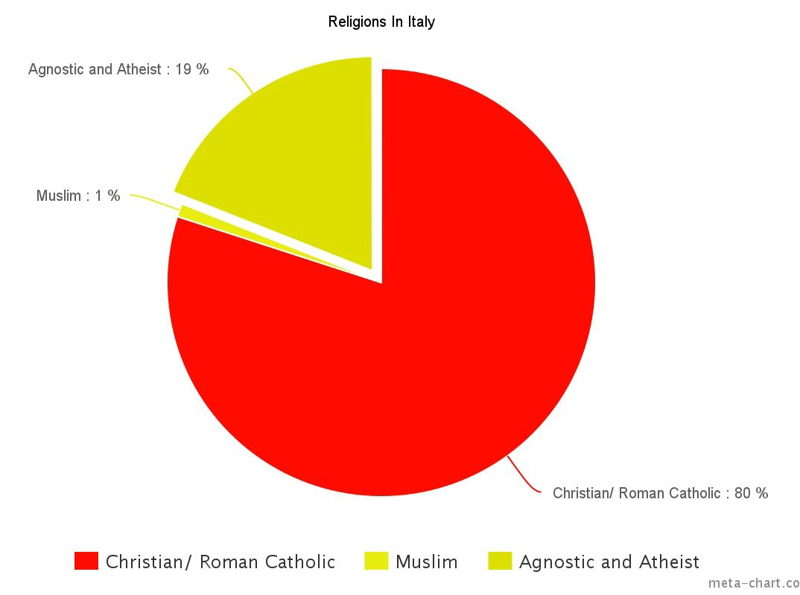
The “brand communication” strategies employed by Muslim communities often focus on interfaith dialogue, charitable initiatives, and cultural events to present a multifaceted and positive image. They strive to communicate their “brand values”—peace, community, charity—in a way that resonates with Italian societal norms while maintaining fidelity to their religious principles. This process involves a delicate balance of “cultural adaptation” and “brand authenticity.” Other global faith brands, such as Hinduism, Buddhism, and various smaller spiritual movements, also contribute to this expanding portfolio. Each seeks to establish its distinct “brand presence” through cultural centers, meditation groups, and educational initiatives. Their “marketing efforts” are often grassroots, relying on word-of-mouth and community building to attract followers and build their “brand equity.” The success of these faiths in Italy depends heavily on their ability to clearly articulate their unique “brand proposition” and effectively manage their public image amidst a changing demographic and media landscape.
Marketing Faith: Strategies for Engagement and Influence
Regardless of their size or historical presence, religious organizations in Italy actively engage in various forms of “marketing” and “brand building” to foster engagement and maintain influence. This isn’t about commercial advertising in the traditional sense, but about communicating core values, attracting new adherents, and retaining existing ones. “Evangelization,” for example, can be understood as a form of “brand advocacy” and “customer acquisition strategy,” where the “brand story” of faith is shared to inspire conversion or deeper commitment.
The role of “design” is paramount in this context. Religious architecture, symbols, and artifacts are powerful tools for “brand recall” and emotional connection. The soaring frescoes of a Renaissance cathedral, the intricate mosaics of an Orthodox church, or the minimalist beauty of a modern mosque all serve to reinforce a particular “corporate identity” and evoke a specific spiritual experience. These visual elements are crucial for “brand differentiation” and creating a memorable “user experience.” Beyond physical spaces, the “personal branding” of religious leaders plays a significant role. Popes, bishops, imams, and other spiritual guides act as key “brand ambassadors,” whose public persona, teachings, and actions deeply influence the perception and reach of their respective faiths.
In the digital age, religious organizations are increasingly leveraging social media and online platforms as new “marketing channels.” Websites, social media pages, and streaming services are used to disseminate “brand messaging,” engage with communities, and reach a global audience. This digital presence is vital for “reputation management” and addressing potential “brand crises” or misinformation. From live-streamed services to interactive Q&A sessions, these tools enable faiths to maintain relevance and accessibility, demonstrating a dynamic approach to evolving “market conditions.”
The Italian Market: Navigating Religious Pluralism and Brand Coexistence
Italy, as a “market” for religious practice, is increasingly defined by its management of religious pluralism and the coexistence of diverse “faith brands.” The legal and social frameworks governing religious freedom significantly impact the ability of various faiths to establish their “brand” and operate effectively. While Catholicism holds a privileged status, Italy recognizes and regulates other religious denominations through agreements (Intese), which grant certain rights and facilitate their operations. This institutional framework influences how different “brands” can compete, collaborate, or coexist within the national landscape.
The concept of “brand loyalty” within religious communities remains strong in Italy, often passed down through generations. However, societal changes, secularization, and increasing exposure to diverse “brand propositions” are leading to shifts. Some individuals may opt for a “brand switch,” exploring different faiths or spiritual paths, while others may choose a more individualized, less institutionalized “brand engagement.” This evolving consumer behavior presents both challenges and opportunities for religious organizations.
Looking ahead, the “religious market” in Italy is expected to continue its trajectory towards greater diversity. The ongoing dialogue between established “legacy brands” and “emerging brands” will shape the future landscape. This involves fostering understanding, managing potential “brand conflicts,” and exploring avenues for interfaith cooperation. The ability of Italy’s religious institutions to adapt their “brand strategies” to a more pluralistic and digitally connected society will be crucial for maintaining their relevance and influence in the years to come. Understanding these dynamics through a branding lens offers unique insights into the complex interplay of faith, culture, and identity in a nation renowned for its deep spiritual heritage.
aViewFromTheCave is a participant in the Amazon Services LLC Associates Program, an affiliate advertising program designed to provide a means for sites to earn advertising fees by advertising and linking to Amazon.com. Amazon, the Amazon logo, AmazonSupply, and the AmazonSupply logo are trademarks of Amazon.com, Inc. or its affiliates. As an Amazon Associate we earn affiliate commissions from qualifying purchases.