
The oral hygiene market has become an increasingly crowded landscape, transforming from a simple choice between mint or cinnamon into a complex field of niche branding and specialized chemical formulations. For consumers navigating the personal care aisle, the question of which mouthwash is “best” is rarely about universal superiority; rather, it is a strategic exercise in identifying which brand aligns with a specific health objective and long-term maintenance goal. From a marketing and brand strategy perspective, the mouthwash category serves as a masterclass in how established corporations leverage clinical research, sensory experience, and perceived efficacy to dominate consumer trust.

The Psychology of the “Clinical” Brand Promise
When consumers evaluate mouthwash, they are rarely buying a liquid; they are buying a promise of health, protection, and social confidence. Leading brands have successfully positioned their products not as discretionary cosmetic additions, but as essential components of a preventative medical regimen. This is achieved through a specific brand architecture that emphasizes “clinical” results.
The Power of Authority and Endorsement
Brand dominance in the mouthwash space is heavily reliant on the “seal of acceptance” model. By securing endorsements from dental associations and showcasing clinical study results on packaging, companies bridge the gap between a retail product and a pharmaceutical solution. This strategy lowers the consumer’s perceived risk. When a brand positions itself as the “dentist-recommended” option, it effectively outsources the validation process to a trusted third party. For the consumer, the brand is no longer just a soap for the mouth; it is a specialized tool engineered by experts.
Sensory Cues as Quality Indicators
In the personal care industry, “sensory feedback” is a critical component of perceived value. For many, the intense “burn” or cooling sensation associated with alcohol-based mouthwashes is subconsciously interpreted as an indicator of effectiveness. Despite modern advancements in alcohol-free formulas that are equally effective, many legacy brands struggle to shift consumer perception. This creates a fascinating brand paradox: the more aggressive the sensory experience, the more “active” the consumer believes the ingredients to be. Savvy brands must navigate this by balancing the physical sensation of cleanliness with the growing consumer demand for non-irritating, gentle formulations.
Competitive Positioning: The Segmented Market
The “best” mouthwash is often dictated by the specific segment a brand targets. Companies no longer try to be everything to everyone; instead, they fracture the market into distinct niches to maximize brand loyalty.
Therapeutic vs. Cosmetic Positioning
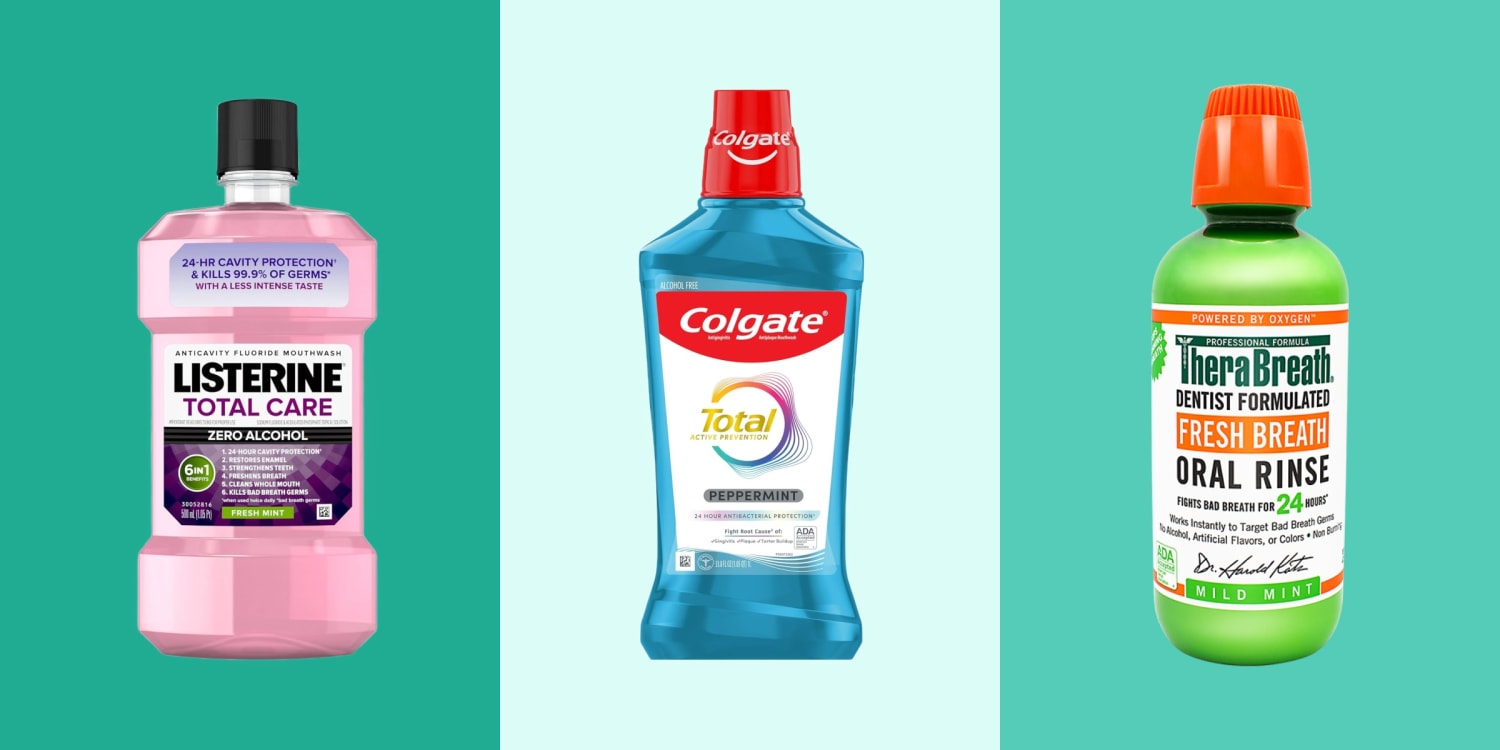
The primary divide in the mouthwash industry is between therapeutic and cosmetic offerings. Therapeutic brands focus on biochemical outcomes—reducing gingivitis, plaque control, and enamel remineralization. These brands lean into scientific terminology, focusing on ingredient lists like cetylpyridinium chloride (CPC) or essential oils. Their marketing strategy is rooted in “fear of loss”—the fear of decay or periodontal disease.
Conversely, cosmetic brands focus on sensory pleasure and immediate gratification, such as breath freshening and whitening. These products utilize vibrant packaging, aspirational lifestyle imagery, and scent-based marketing. Understanding whether a brand is positioning itself as a medical necessity or a social accessory is the most effective way for a consumer to filter through the noise.
The Rise of the “Clean Label” Challenger
A significant shift in the market is the emergence of challenger brands that prioritize transparency and ingredient safety. These brands are disrupting the industry by highlighting what is not in their product—no artificial colors, no alcohol, no parabens. By creating a brand narrative around “conscious oral care,” they appeal to a demographic that is increasingly skeptical of legacy industrial chemicals. These challenger brands often use direct-to-consumer (DTC) channels, allowing them to educate the consumer through content marketing and subscription models that traditional retail giants cannot easily replicate.
Assessing Brand Credibility and Efficacy
When a consumer asks what mouthwash is best, they are ultimately asking which brand deserves their trust. Evaluating this requires looking beyond the marketing copy to the underlying brand strategy that informs the product’s development.
The Role of Transparency in Brand Trust
In an era of information accessibility, the “best” brands are those that prioritize radical transparency. Companies that provide clear, easy-to-read explanations of why specific ingredients are included—and how they function within the oral microbiome—cultivate a deeper level of brand equity. When a brand moves away from proprietary “secret formulas” toward ingredient education, it empowers the consumer. This educational approach transforms the relationship from a transactional purchase to a partnership in health.
Consistency as a Branding Tool
The most successful mouthwash brands maintain extreme consistency across all touchpoints. From the visual language on the bottle to the user experience of the cap, the scent profile, and the digital advertising, every interaction must reinforce the same core value proposition. If a brand markets itself as “natural,” but uses aggressive, synthetic-smelling flavor profiles, the cognitive dissonance weakens the brand. The “best” brands are those that achieve a seamless alignment between their marketing claims and the physical reality of the product usage.
Future Trends in the Oral Care Category
The mouthwash market is undergoing a transition driven by personalization and digital integration. Brand strategists are looking toward the future, where the “one-size-fits-all” approach to oral hygiene will likely be replaced by hyper-personalized solutions.
Customization and Personalization
We are seeing the early stages of personalized oral care, where digital diagnostic tools and subscription services allow consumers to receive mouthwash formulations tailored to their specific oral microbiome or dental history. This represents a significant shift from retail-based sales to data-driven service models. Brands that can successfully transition to this model will capture significant market share by offering something that generic store-shelf products cannot: a product designed specifically for the individual.
Sustainability as a Brand Differentiator
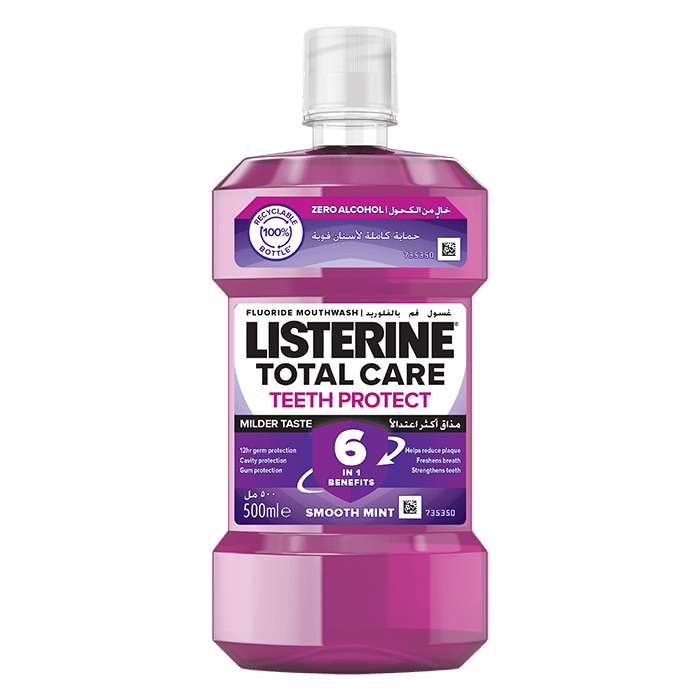
Sustainability has moved from a “nice-to-have” feature to a core component of brand strategy. As plastic waste becomes a primary concern for the modern consumer, brands that offer tablet-based mouthwash, refillable glass packaging, or concentrated formulas are gaining significant traction. This shift is not merely about environmental ethics; it is a competitive maneuver. Brands that ignore the move toward sustainable packaging risk becoming obsolete in the eyes of a generation that views corporate environmental responsibility as a prerequisite for purchase.
The Evolution of the Purchase Path
Finally, the “best” mouthwash is increasingly being defined by accessibility and purchase friction. The brands that win are those that make the replenishment process invisible. Through automated subscription models, mouthwash is transitioning from a high-effort “re-stocking” mission to an effortless, background utility. This strategy moves the product closer to becoming a commodity while simultaneously deepening brand lock-in.
Ultimately, the quest for the best mouthwash is an interplay between individual health needs and the highly effective strategies employed by brands to address those needs. Whether a consumer prioritizes the scientific pedigree of a therapeutic wash, the sensory satisfaction of a cosmetic rinse, or the ethical alignment of a challenger brand, the decision is rarely accidental. It is the result of carefully orchestrated branding, strategic market segmentation, and the successful communication of value in an industry where trust is the most valuable currency. By understanding the forces driving these brand strategies, consumers can navigate the market not just as buyers, but as informed participants in their own health journey.
aViewFromTheCave is a participant in the Amazon Services LLC Associates Program, an affiliate advertising program designed to provide a means for sites to earn advertising fees by advertising and linking to Amazon.com. Amazon, the Amazon logo, AmazonSupply, and the AmazonSupply logo are trademarks of Amazon.com, Inc. or its affiliates. As an Amazon Associate we earn affiliate commissions from qualifying purchases.