
For the modern homeowner or real estate investor, a whole house generator is no longer viewed as a luxury “prepper” tool, but rather as a sophisticated piece of insurance for one’s primary asset. When asking, “What does a whole house generator cost?” the answer extends far beyond the initial sticker price at a hardware retailer. From a financial perspective, this purchase represents a significant capital expenditure that requires a detailed cost-benefit analysis, an understanding of long-term operational liabilities, and an appreciation for the asset’s impact on property valuation.

In an era of increasing grid instability and extreme weather events, the financial risk of a prolonged power outage—ranging from property damage to lost business productivity—is substantial. This guide breaks down the total cost of ownership into actionable financial categories: initial capital outlay, operational maintenance, and return on investment (ROI).
Initial Capital Outlay: Understanding the Upfront Investment
The first hurdle for any investor is the “all-in” price of acquisition and installation. Unlike portable generators, which are commodity goods, a standby whole-house system is a permanent utility upgrade. Generally, homeowners should prepare for a total investment ranging from $6,000 to $15,000, though high-capacity units for luxury estates can easily exceed $20,000.
Unit Pricing vs. Capacity Requirements
The primary driver of the hardware cost is the kilowatt (kW) output. A financial “sweet spot” for many medium-sized homes is the 14kW to 22kW range. A 14kW unit might cost between $3,500 and $5,000 for the machine alone, while a 26kW unit—capable of powering multiple HVAC systems and high-draw appliances simultaneously—can cost upwards of $7,000.
From a money management perspective, it is critical not to “under-buy.” Purchasing a unit that is too small for the home’s electrical load leads to premature engine wear and potential system failure, effectively destroying the asset’s value. Conversely, over-specifying the unit leads to unnecessary fuel consumption and higher upfront costs that may never be recouped through utility.
Professional Installation and Permitting Costs
The “hidden” cost of a whole house generator is the professional labor required to integrate it into the home’s existing infrastructure. This is not a DIY project; it involves high-voltage electrical work and high-pressure gas plumbing.
Installation labor typically accounts for 50% to 100% of the unit’s price. Expect to pay an electrician and a plumber between $3,000 and $5,000 for a standard installation. This includes the mounting of a concrete pad, the installation of an Automatic Transfer Switch (ATS), and the plumbing required to tap into a natural gas line or an on-site propane tank. Furthermore, municipal permits and inspections often add $200 to $500 to the budget, ensuring the installation meets local building codes and maintains the home’s insurability.
Operational Expenses and Long-Term Maintenance
A whole house generator is a mechanical asset with a finite lifespan, typically 20 to 30 years or 3,000 operating hours. To protect the capital invested, one must account for the ongoing “burn rate” of the unit, which includes fuel costs and preventative maintenance.
Fuel Selection and Ongoing Consumption Rates
The choice of fuel—Natural Gas (NG) or Liquid Propane (LP)—drastically changes the long-term financial profile of the generator. Natural gas is generally the most cost-effective option, as it is delivered via utility lines and billed monthly. However, during a major outage, a large 22kW generator running at full load can consume roughly 250 to 300 cubic feet of gas per hour. At current average utility rates, a week-long outage could add several hundred dollars to your monthly energy bill.
Propane is often more expensive and requires an on-site storage tank. If your home does not already use propane, the cost of leasing or purchasing a 500-gallon tank adds another $1,000 to $3,000 to the initial setup. From a liquidity standpoint, propane requires a “pay-ahead” model where you must fund the fuel supply before you ever use the power.
Routine Maintenance Contracts and Part Replacements
To ensure the generator functions when the grid fails, it must perform a weekly “exercise” cycle. This 10-to-20-minute run keeps the engine lubricated and the battery charged. Beyond this, professional annual maintenance is non-negotiable.

A standard maintenance contract usually costs between $200 and $500 per year. This covers oil changes, spark plug replacements, and air filter upgrades. Neglecting this maintenance can void the manufacturer’s warranty—a significant financial risk. Investors should also budget for a battery replacement every 3 to 4 years, which typically costs $150 to $250. When amortized over 20 years, the total cost of maintenance can equal the original purchase price of the unit.
Investment ROI: Impact on Property Value and Insurance
While the costs are high, the whole house generator is one of the few home improvements that offers a tangible, quantifiable return on investment. It acts as a hedge against both physical property damage and market volatility.
Resale Value and Real Estate Marketability
In the real estate market, a whole house generator is a powerful “value-add” feature. According to various home value surveys and reports from the National Association of Realtors, a standby generator can provide an ROI of roughly 60% to 80% of its installation cost upon the sale of the home.
In regions prone to hurricanes, ice storms, or wildfires, this ROI can sometimes exceed 100% in terms of “days on market.” A home with a generator is seen as a “turnkey” secure asset, attracting a premium from risk-averse buyers. For an investor, the generator increases the property’s “cap rate” by making it more attractive to high-end renters who demand uninterrupted power for home offices or medical equipment.
Mitigating Financial Risk and Insurance Premiums
The financial “cost” of not having a generator can be catastrophic. A week-long power outage in winter can lead to frozen and burst pipes, resulting in tens of thousands of dollars in water damage. In summer, a basement sump pump failure during a storm can lead to mold and foundation issues.
While insurance may cover some of these events, the deductible and the subsequent premium hikes often outweigh the cost of a generator. Furthermore, some insurance providers offer discounts on homeowners’ insurance premiums for properties equipped with automatic standby generators, recognizing the reduced risk of “preventable” damage. By installing a generator, you are effectively self-insuring against the most common causes of significant residential property loss.
Financing Strategies and Tax Incentives
Given that a whole house generator is a five-figure investment, many homeowners look toward creative financing to preserve their liquid cash for other investments. Treating this as a strategic debt move can optimize your personal balance sheet.
Loan Options and Home Equity Lines of Credit (HELOC)
Since a generator is a permanent fixture that increases home value, it is an ideal candidate for a Home Equity Line of Credit (HELOC) or a home equity loan. The interest rates on these products are typically much lower than personal loans or credit cards. In some cases, if the generator is part of a larger home renovation, the interest on the loan may even be tax-deductible, though you must consult a tax professional to verify current IRS regulations.
Manufacturer financing is another common route. Companies like Generac or Kohler often offer 0% APR promotional periods for 12 to 18 months. For a disciplined investor, this allows for the “cost” of the generator to be spread out without incurring interest, allowing the principal capital to remain invested in the market where it can continue to earn a yield.
Navigating Rebates and Federal/State Tax Credits
While there is currently no broad federal tax credit specifically for backup generators (unlike solar panels or heat pumps), there are exceptions. If a generator is deemed a medical necessity—to power oxygen concentrators, home dialysis machines, or temperature-sensitive medication—the cost of the unit and its installation may be deductible as a medical expense.
Additionally, some local utility companies offer “demand response” incentives or rebates for homeowners who install backup systems that take pressure off the grid during peak times. Always check with your local municipality and utility provider for any “green energy” or “resiliency” grants that might offset the initial capital requirement.
Final Economic Summary
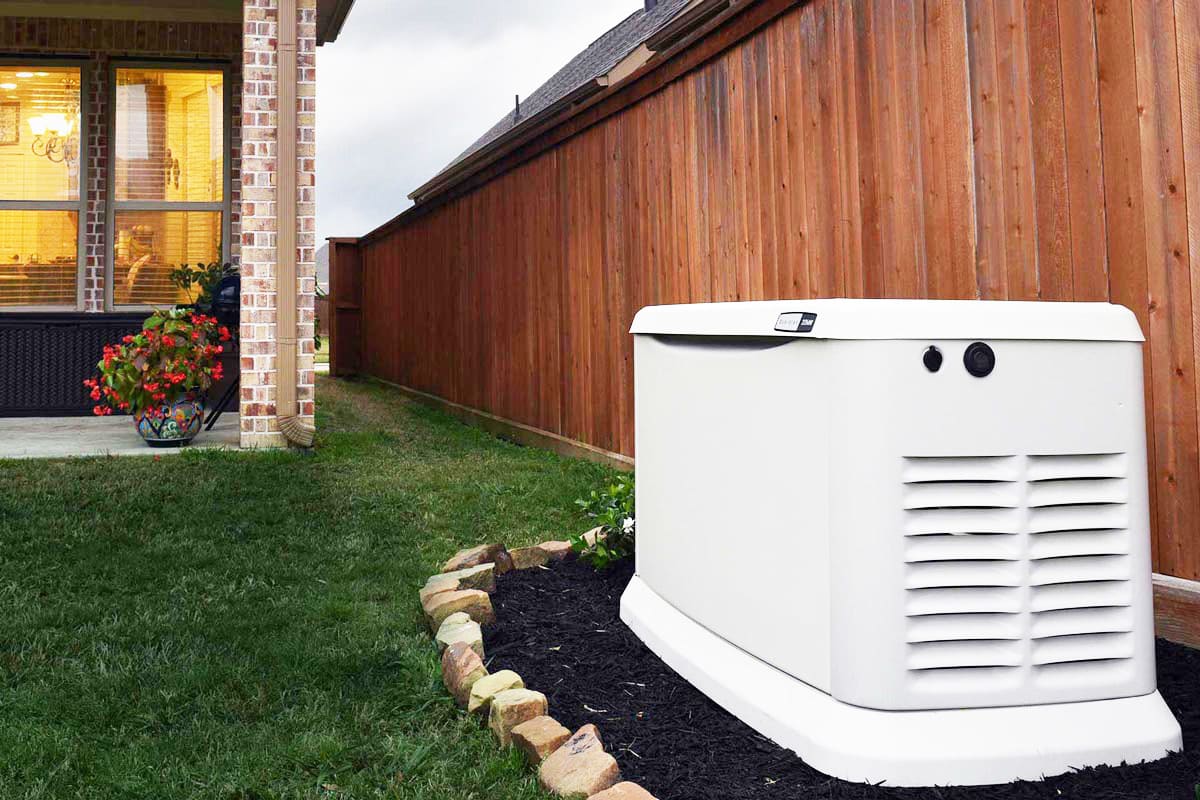
A whole house generator is a significant financial commitment, but when viewed through the lens of asset protection and property appreciation, the “cost” becomes a manageable investment. By budgeting for the $10,000 average entry price, accounting for $300-$500 in annual maintenance, and leveraging the 70% average resale value, homeowners can secure their lifestyle against the rising costs of grid failure. In the world of personal finance, the most expensive equipment is often the piece that fails when you need it most; a whole house generator ensures that your largest investment—your home—remains functional, liquid, and safe regardless of external conditions.
aViewFromTheCave is a participant in the Amazon Services LLC Associates Program, an affiliate advertising program designed to provide a means for sites to earn advertising fees by advertising and linking to Amazon.com. Amazon, the Amazon logo, AmazonSupply, and the AmazonSupply logo are trademarks of Amazon.com, Inc. or its affiliates. As an Amazon Associate we earn affiliate commissions from qualifying purchases.