
The Strategic Anatomy of an Iconic Personal Brand
In the realm of personal branding, every visual element serves as a communication tool. For Martin Luther King Jr., his appearance was never an afterthought; it was a deliberate extension of his identity, his mission, and his role as a leader of the Civil Rights Movement. While history focuses on his rhetoric, the precision of his grooming—specifically the haircut he maintained—played a silent but significant role in his perceived authority and credibility.
When analyzing iconic figures through the lens of personal branding, one must look at how they manage the intersection of self-presentation and public expectation. King’s haircut was a testament to “The Respectability Aesthetic,” a strategy that remains a cornerstone of effective personal branding today.
The Aesthetic of Professionalism: A Study in Consistency
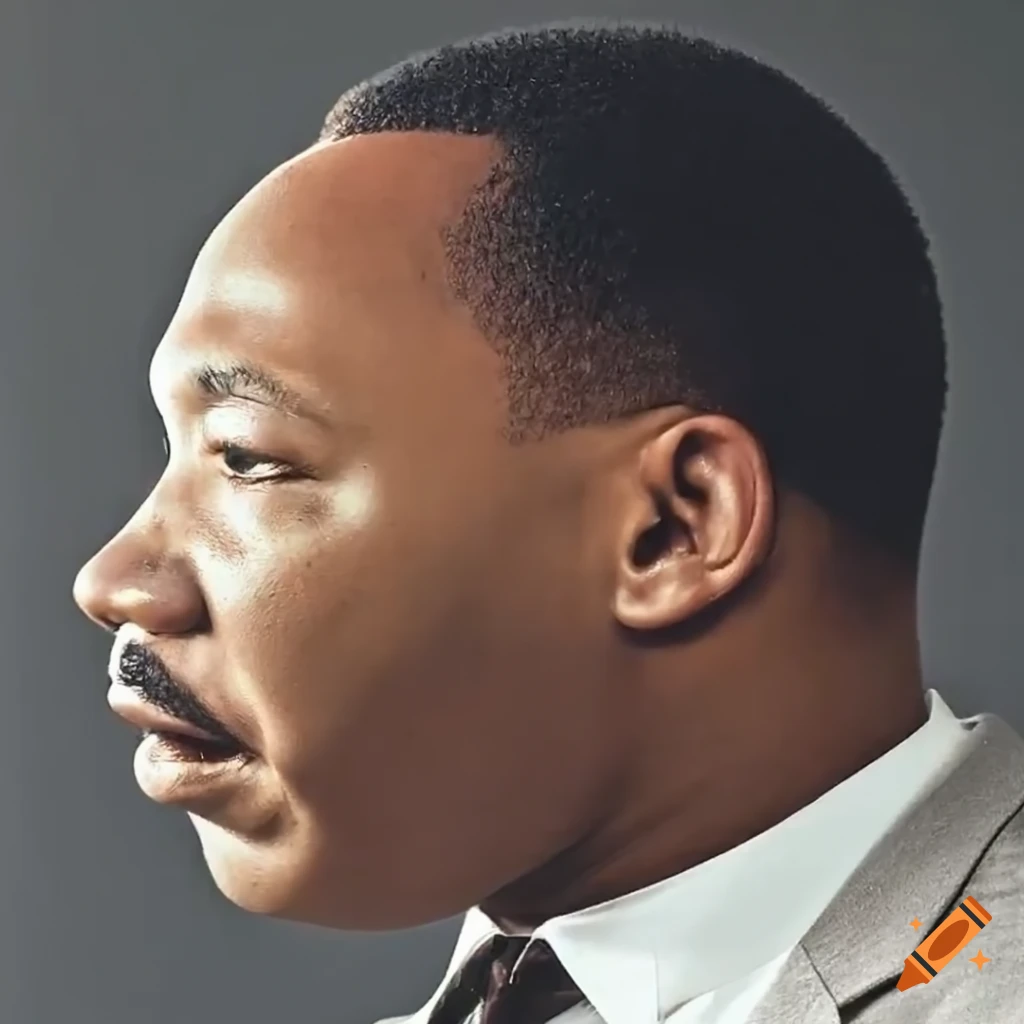
Martin Luther King Jr. consistently sported a high-and-tight, clean-cut, tapered fade. This style was more than a matter of convenience; it was a strategic choice that aligned his image with the highest standards of professional decorum required to engage with, and eventually dismantle, systemic prejudice.
The Power of the Clean Taper
The tapered haircut, characterized by shorter hair near the neckline that gradually increases in length toward the top, provided King with a crisp, structured silhouette. In branding, structure equals stability. By maintaining a clean taper, King communicated discipline, self-respect, and a commitment to order—qualities that were essential for a man leading a movement that sought to fundamentally restructure the social order of the United States.
Aligning Visual Identity with Cultural Expectations
In the mid-20th century, the cultural landscape demanded that leaders within marginalized communities adhere to strict standards of presentation to be taken seriously by the establishment. King’s choice of a professional, impeccably kept haircut removed one potential barrier—the superficial judgment of appearance—allowing his message to penetrate spaces that might otherwise have been hostile to his presence. This is a foundational lesson in personal branding: know your audience, identify the visual markers of authority they respect, and curate your image to bridge the gap between who you are and how you need to be perceived to achieve your objectives.
Grooming as a Component of Institutional Identity
Personal branding for public figures often overlaps with the branding of the institutions they represent. For King, his grooming was intrinsically linked to the identity of the Southern Christian Leadership Conference (SCLC) and the broader Civil Rights Movement.
The Uniform of Leadership
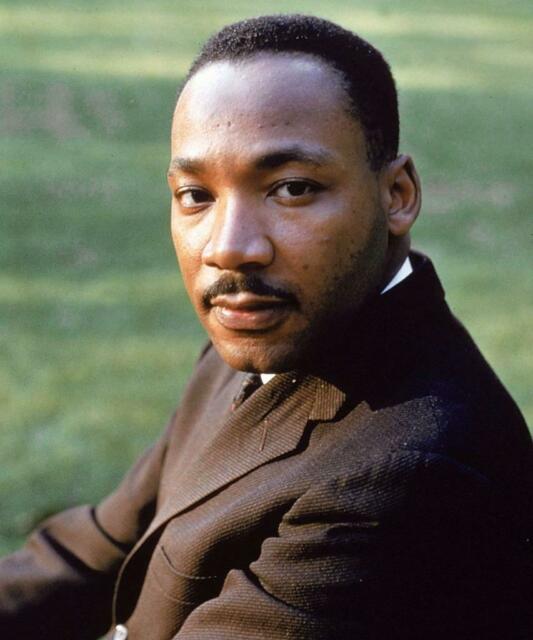
Much like a corporate executive wears a suit, or a revolutionary wears a uniform, King wore the grooming habits of a man who was ready to be taken seriously at the highest levels of government and media. His haircut, paired with his signature suit and tie, created a visual brand that was non-threatening yet unmistakably assertive. This “uniform” fostered a sense of unity among his followers, projecting an image of a professional, organized, and sophisticated movement that was antithetical to the chaotic caricatures often painted by his detractors.
Consistency as a Trust Builder
In any marketing strategy, brand equity is built through consistency. Whether King was speaking in a pulpit in Atlanta, marching in Alabama, or addressing a congressional committee in Washington, his appearance never fluctuated. This level of consistency subconsciously signaled reliability. If a leader cannot maintain their own standards of self-presentation, how can they maintain a vision for a nation? By keeping his hair in that signature, meticulous taper, King reinforced the idea that he was a steady, immovable force—a hallmark of enduring personal brands.
The Evolution of the “Respectability” Brand
The concept of respectability politics is often debated, but from a strategic branding perspective, it is a tool for navigating environments where bias is prevalent. King’s haircut was a central node in this brand strategy.
Visual Signaling in Contentious Spaces
When you are a brand operating in a space where your legitimacy is constantly under siege, your physical presentation must be unimpeachable. The high-and-tight fade was a visual signal that said, “I am disciplined, I am educated, and I am prepared.” By eliminating any room for criticism regarding his appearance, King forced the discourse to remain centered on his character and his cause. This is a vital takeaway for any modern brand builder: minimize external distractions by perfecting your baseline presentation.
The Psychology of the Fade
The taper fade, even in its most classic form, implies a level of care and maintenance that suggests a keen attention to detail. In the world of branding, details are not just details—they are the brand. When King appeared in public, his hair was perfectly groomed, which suggested a mind that was equally sharp and organized. This created a cohesive brand narrative where the physical reflected the intellectual. As a personal brand, your grooming—or the way you present your company’s aesthetic—serves as a proxy for your internal processes. If the outside is precise, the audience assumes the inside is equally calculated and reliable.
Modern Applications of King’s Visual Strategy
While the historical context of Martin Luther King Jr.’s life is profound, the strategic application of his visual branding remains highly relevant for modern professionals, entrepreneurs, and thought leaders. Building a brand in the digital age requires the same level of intentionality that King applied to his own image.
Defining Your Visual Baseline
Every professional, whether an influencer, a CEO, or a consultant, must define their visual baseline. What is the look that communicates your expertise and matches the expectations of your target demographic? It is not about conforming to outdated standards, but about understanding the semiotics of your industry. If you are in the tech sector, your visual brand might lean toward minimalist, high-end casual. If you are in finance or law, it remains more structured. King’s haircut demonstrates that once you identify the “uniform” that facilitates your mission, you should own it, refine it, and make it your signature.
The ROI of Intentionality
King’s branding success proves that intentionality yields high returns. By investing the time to manage his image, he cleared the path for his message to reach the masses. In personal branding, every choice—from your haircut to your logo design, to your choice of social media aesthetic—should be designed to reduce friction for the audience. The more professional and coherent your image, the less resistance your message encounters.
Martin Luther King Jr.’s haircut was never just hair; it was a strategic asset. It represented a commitment to the cause, a respect for the seriousness of his leadership, and a mastery of the visual language of influence. For those looking to build an enduring personal brand today, the lesson is clear: your aesthetic is the first piece of data your audience processes. Ensure that the data points toward the authority, trust, and professional caliber you wish to embody. By aligning your physical and digital identity with the core values of your personal brand, you establish a standard of excellence that distinguishes you in a crowded, noisy marketplace. Just as King’s structured, reliable aesthetic supported a transformative message, your commitment to your personal brand’s visual integrity will support the longevity and resonance of your own influence.
aViewFromTheCave is a participant in the Amazon Services LLC Associates Program, an affiliate advertising program designed to provide a means for sites to earn advertising fees by advertising and linking to Amazon.com. Amazon, the Amazon logo, AmazonSupply, and the AmazonSupply logo are trademarks of Amazon.com, Inc. or its affiliates. As an Amazon Associate we earn affiliate commissions from qualifying purchases.