
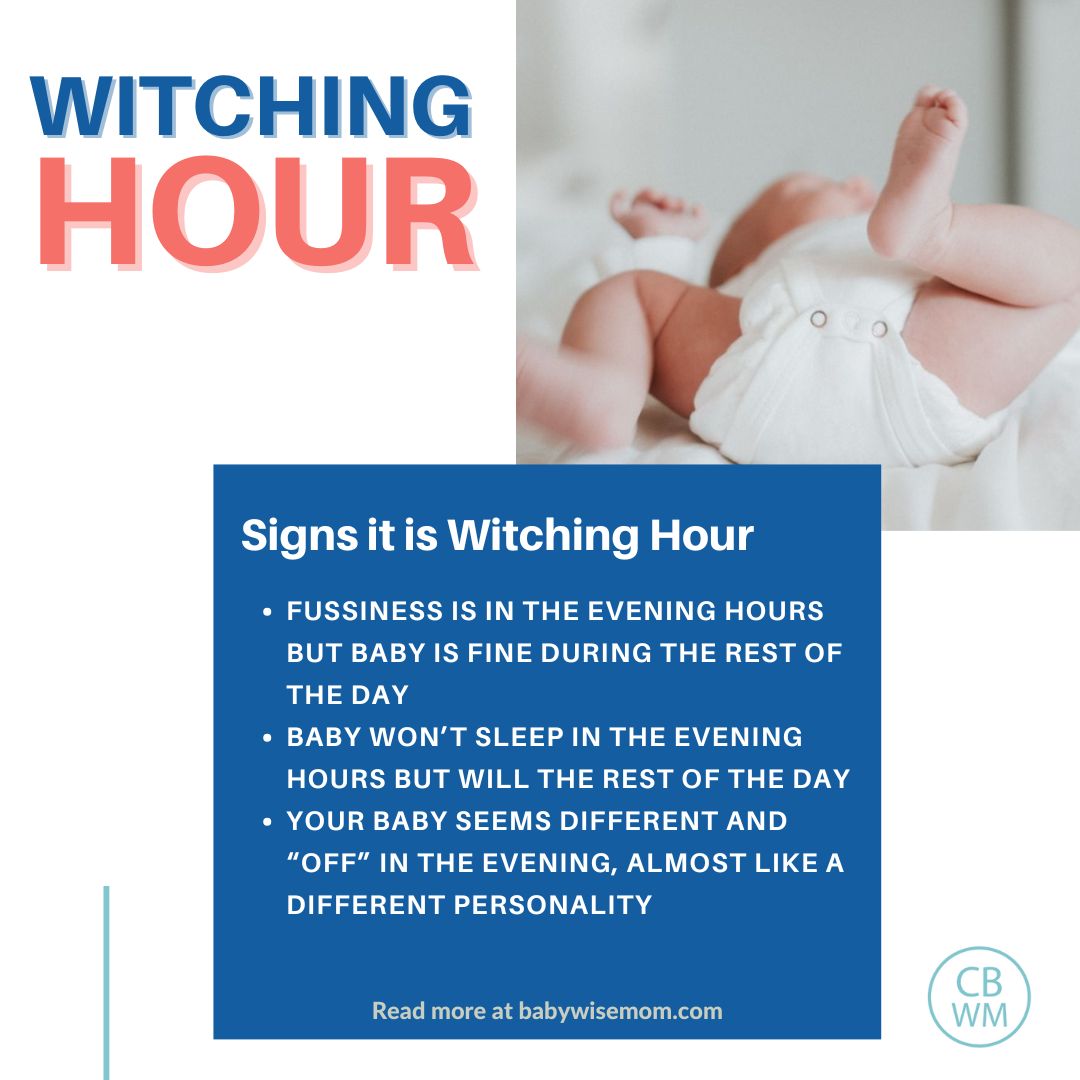
The concept of the “witching hour” in newborns is a phenomenon familiar to almost every parent, yet it remains one of the most challenging aspects of early infant care. While it sounds mystical, the term is a colloquialism used to describe a period of intense fussiness, crying, and apparent discomfort that occurs with clockwork regularity, typically during the late afternoon or early evening hours. Understanding the mechanics of this phase is essential for parents, not only for their sanity but for the healthy development of their infant’s regulatory systems.
The Physiological and Developmental Drivers
To navigate the witching hour effectively, it is necessary to move past the myth that these outbursts are purely behavioral or temperamental. Instead, we must look at the intersection of biological development, sensory input, and hormonal cycles.
Sensory Overload and Cognitive Processing
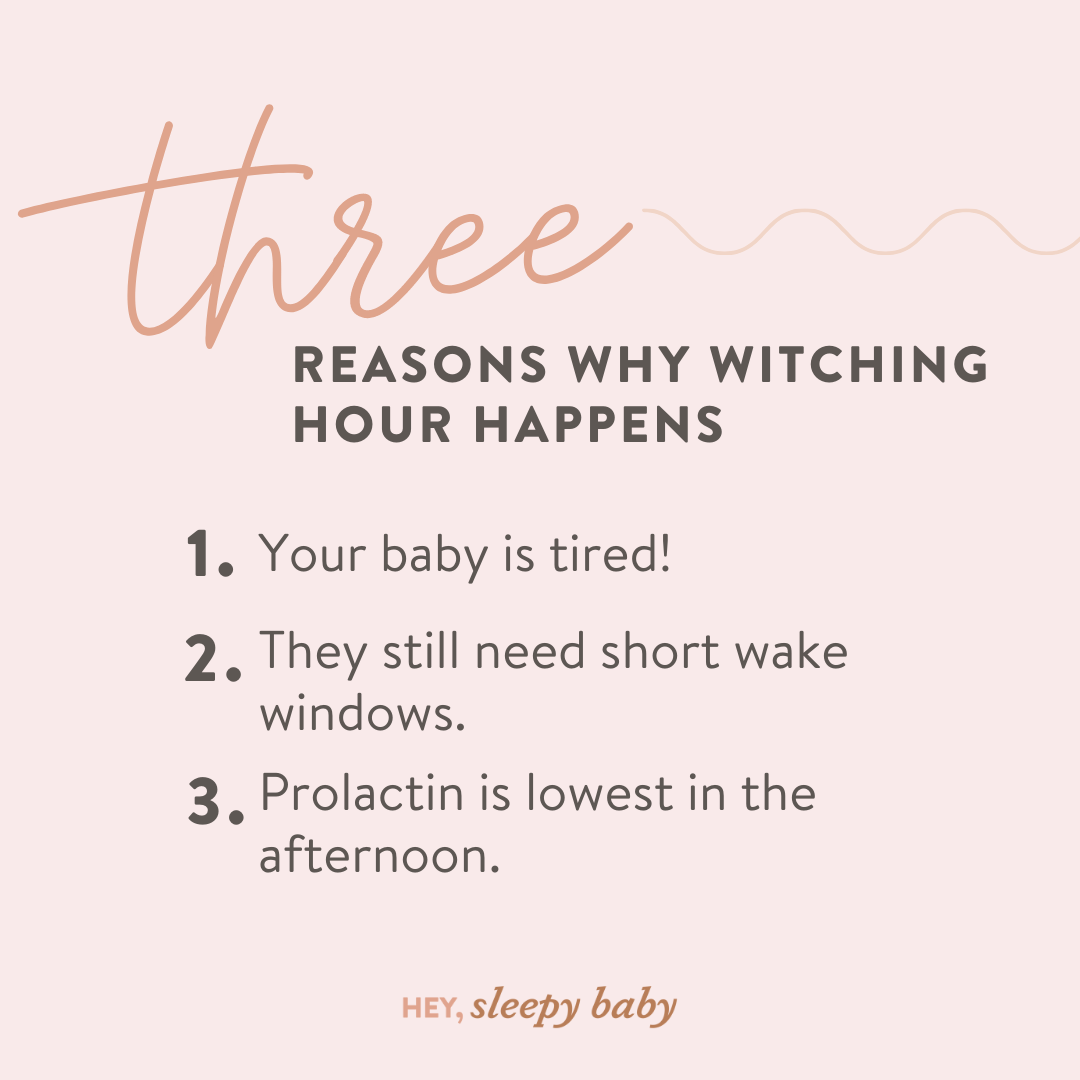
Newborns exist in a constant state of neurological processing. Throughout the day, they are bombarded with stimuli: light, sound, physical touch, and changing temperatures. By the time late afternoon arrives, the newborn’s underdeveloped nervous system often reaches a saturation point. Unlike an adult, who can verbally express exhaustion or consciously seek a quiet space, a newborn only has one primary communication tool: crying. This “meltdown” is often a physiological manifestation of a brain that has been forced to process more input than it can comfortably handle, resulting in a state of hyper-arousal that manifests as frantic, inconsolable crying.
The Circadian Rhythm and Melatonin Production
The witching hour often aligns with the transition period between the final nap of the day and nighttime sleep. During this window, the body’s internal clock begins to signal the shift toward melatonin production. However, because a newborn’s circadian rhythm is still in its infancy, this transition can be physically jarring. The biological urge to sleep conflicts with the lingering stimulation of the day, creating a “tired but wired” state. This physiological tension is a primary driver of the agitation seen between the hours of 5:00 PM and 9:00 PM.
Developmental Milestones and Cluster Feeding
It is a common observation that the witching hour is most pronounced during the first three months of life, peaking around the six-week mark. This timeframe is not coincidental; it aligns with significant developmental leaps and increased caloric demands.
The Role of Cluster Feeding
Parents often notice that their baby seems perpetually hungry during the witching hour. This behavior, known as “cluster feeding,” is an evolutionary adaptation. By nursing or bottle-feeding more frequently in the hours leading up to the night, the infant is effectively “tanking up” on calories. This increased intake serves two purposes: it helps the baby settle for a longer stretch of nighttime sleep, and it satisfies the rapid growth spurts that characterize the first trimester of life. While the frequency of feedings can be exhausting for the caregiver, recognizing this as a proactive strategy by the infant—rather than an indication of low milk supply or dissatisfaction—is vital for maintaining parental composure.
Growth Spurts and Physical Discomfort
During periods of rapid growth, infants may experience generalized physical discomfort. The combination of an expanding digestive system and the strain on muscles can make the evening hours feel particularly taxing. Digestion itself is an active process that takes energy; when a baby is tired, sensory-overloaded, and actively working to digest a large volume of milk, the threshold for irritability drops significantly.
Strategies for Managing the Evening Agitation
While the witching hour is a normal developmental phase that must run its course, there are evidence-based approaches to mitigate the intensity of the crying and provide comfort to the infant.
Creating a Transition Ritual
A consistent “wind-down” routine is one of the most effective tools in a parent’s arsenal. Approximately 30 to 60 minutes before the anticipated start of the witching hour, focus on reducing environmental stimulation. Lower the lighting, silence the television, and engage in low-intensity activities. Dimming the lights helps trigger the natural production of melatonin, which can ease the infant into a more relaxed state. A warm bath, gentle massage, or soft humming can serve as tactile cues that the pace of the day is slowing down, helping the infant transition from the chaos of the afternoon to the stillness of the night.
Utilizing Calming Motion and Physical Proximity
Evolutionarily, human infants are designed to be held. The witching hour often sees babies who refuse to be placed in a crib or bassinet. Utilizing a baby carrier or wrap allows the infant to remain in close physical contact with the caregiver’s heartbeat and warmth, which are powerful regulators for a nervous system in distress. Movement—such as rhythmic rocking, bouncing on a yoga ball, or taking a walk outside—can act as a sensory distraction, interrupting the cycle of crying. The gentle, repetitive motion often mimics the environment of the womb, providing the infant with a sense of security and containment.
The “Five S’s” Methodology
Many pediatric experts advocate for the “Five S’s” as a framework for soothing fussy infants:
- Swaddle: Providing a snug environment mimics the restriction of the womb and prevents the startle reflex from waking or distressing the baby.
- Side/Stomach Position: Holding the baby on their side or stomach (only while supervised and awake) can alleviate gas pressure.
- Shush: Use white noise or rhythmic “shushing” to replicate the loud, consistent sounds of blood flow and digestion heard in the womb.
- Swing: Rhythmic motion helps soothe the vestibular system.
- Suck: Providing a pacifier or breast/bottle allows the baby to use the soothing mechanism of non-nutritive or nutritive sucking to self-regulate.
Setting Expectations and Protecting Caregiver Wellbeing
The most overlooked aspect of the witching hour is the impact it has on the parents. It is a time of day when caregivers are often at their own lowest energy levels, having navigated a full day of responsibilities.
Managing Parental Stress
The sound of a crying infant triggers a biological stress response in the caregiver, increasing cortisol levels and heart rate. When this happens consistently every evening, it can lead to feelings of helplessness, anxiety, or resentment. It is essential for parents to recognize that the baby’s crying is not a reflection of their parenting skill. It is a biological event. If a parent feels their frustration hitting a critical point, it is imperative to implement a safety plan: put the baby in a safe space (the crib), step out of the room, take several deep breaths, or trade shifts with a partner or support person.

Seeking Balance and Perspective
The witching hour is temporary. As the infant’s nervous system matures—typically around the three-to-four-month mark—the intensity and duration of these episodes will wane. By viewing this time not as a “problem to be fixed” but as a developmental milestone to be managed, parents can shift their perspective from frustration to stewardship. Recognizing that this period is a transient phase in the grand scheme of childhood development allows for greater emotional resilience.
In conclusion, the witching hour is a complex convergence of physiological development, circadian biology, and sensory processing. While it remains one of the most testing periods of newborn care, it is a normal biological response to the monumental task of adjusting to life outside the womb. Through informed caregiving, consistent routines, and an understanding of the underlying causes, parents can navigate these challenging evenings with greater confidence and calm, ensuring that both they and their infant emerge from this phase equipped for the next stage of growth.
aViewFromTheCave is a participant in the Amazon Services LLC Associates Program, an affiliate advertising program designed to provide a means for sites to earn advertising fees by advertising and linking to Amazon.com. Amazon, the Amazon logo, AmazonSupply, and the AmazonSupply logo are trademarks of Amazon.com, Inc. or its affiliates. As an Amazon Associate we earn affiliate commissions from qualifying purchases.