
In the specialized world of industrial engineering and manufacturing, the integrity of a seal or gasket often dictates the success—or catastrophic failure—of an entire system. When temperatures soar, chemicals become aggressive, and durability is non-negotiable, engineers do not turn to standard rubber. Instead, they specify Viton. As a high-performance synthetic rubber elastomer, Viton has become the gold standard in industries ranging from aerospace and automotive to chemical processing. Understanding what Viton is, why it holds such high market value, and how it is integrated into complex mechanical architectures provides essential insight into the material science that keeps modern technology running.
The Chemistry and Composition of Viton
Viton is not merely a brand name; it is a trademarked family of synthetic rubbers known scientifically as fluoroelastomers (FKM). Developed by DuPont in the late 1950s, Viton was engineered to solve a specific problem: the tendency of standard hydrocarbon rubbers, such as nitrile or neoprene, to degrade rapidly when exposed to the increasingly volatile environments created by high-performance engines and chemical processing equipment.
The Role of Fluorine Atoms
The secret to Viton’s unparalleled performance lies in its chemical structure. At the molecular level, Viton is composed of long chains of carbon atoms surrounded by fluorine atoms. In standard rubber, the carbon-hydrogen bonds are susceptible to thermal and chemical breakdown. However, the carbon-fluorine bond is one of the strongest in organic chemistry. Because fluorine atoms are large, they create a protective shield around the carbon backbone, rendering the material essentially immune to the oxidative degradation that destroys inferior polymers.
Variations in Polymer Grades
Not all Viton is identical. The material is categorized into different “types” based on the fluorine content, which typically ranges from 66% to 70%. Higher fluorine content generally translates to superior chemical resistance, particularly when dealing with aggressive fuels and polar solvents. Furthermore, different cure systems—such as bisphenol, peroxide, or triazine—are utilized during the manufacturing process to tailor the material for specific mechanical properties, such as compression set resistance or steam tolerance. This molecular versatility is precisely why Viton is the preferred choice for mission-critical engineering applications.
Key Properties and Industrial Advantages
The decision to utilize Viton over other elastomers is rarely based on cost; rather, it is a calculated choice driven by the material’s specific performance profile. When integrated into high-tech machinery or complex fluid handling systems, Viton offers a set of advantages that minimize downtime and maintenance costs.
Exceptional Thermal Stability
One of Viton’s most significant attributes is its ability to operate reliably at elevated temperatures. While standard elastomers begin to soften or harden (become brittle) above 100°C, Viton retains its physical properties even after prolonged exposure to temperatures as high as 200°C (392°F). In intermittent scenarios, it can withstand even higher heat. This makes it an indispensable component in the automotive industry, particularly in modern, turbocharged engines where under-the-hood temperatures have reached record highs due to more compact and efficient designs.
Chemical Inertness
Beyond heat, Viton’s resistance to chemical aggression is its defining feature. It exhibits excellent compatibility with a wide array of chemicals, including:
- Fuels and Lubricants: It resists swelling and degradation even when immersed in high-octane fuels, including those blended with ethanol or methanol.
- Oils: It remains stable in the presence of aliphatic, aromatic, and chlorinated hydrocarbons.
- Acids and Solvents: It is highly resilient against mineral acids and many common industrial solvents that would cause other rubber materials to lose their structural integrity.
This chemical inertness ensures that seals do not leach or swell, maintaining the tight tolerances required for precision engineering.

Applications in Modern Tech and Engineering
The ubiquity of Viton in high-tech sectors is a testament to its reliability. It is rarely the most visible component, but it is often the most critical. When a component fails, the cost of the seal is negligible compared to the cost of the system it protects.
Automotive and Aerospace Propulsion
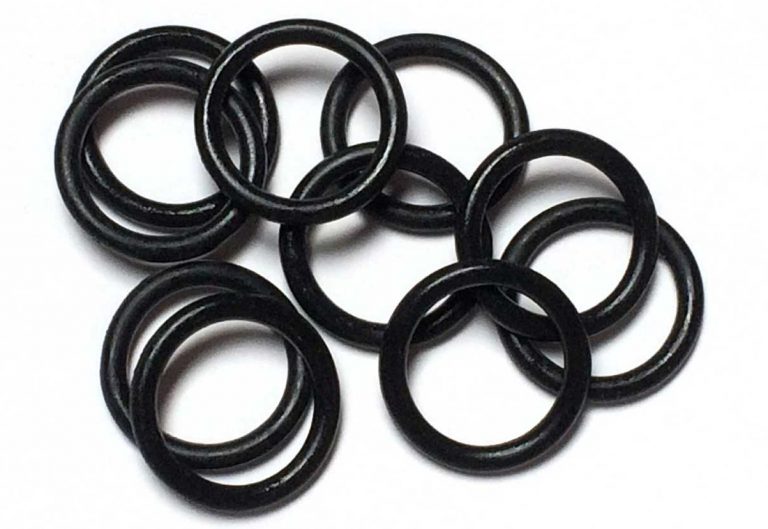
In the automotive sector, Viton is found in fuel hoses, O-rings, shaft seals, and valve stem seals. As governments tighten emissions regulations, engines have been forced to run hotter and utilize more aggressive biofuel blends. Viton has evolved to meet these demands, ensuring that fuel delivery systems remain leak-proof and compliant with stringent environmental standards.
In aerospace, the requirements are even more rigorous. Components must perform perfectly in environments ranging from the sub-zero temperatures of high-altitude flight to the extreme heat of turbine exhaust areas. Viton’s stability ensures that hydraulic systems remain pressurized and fuel lines remain secure, directly contributing to the safety and longevity of aircraft.
Chemical Processing and Fluid Handling
Chemical plants rely on complex piping, pumps, and valves to transport dangerous substances. Using the wrong gasket material could lead to a leak that causes environmental harm, loss of inventory, or injury to personnel. Viton gaskets provide a reliable seal that stands up to the reactive nature of the chemicals moving through these pipes. By preventing leaks and minimizing the frequency of maintenance shutdowns, Viton plays a fundamental role in the operational efficiency of the global chemical supply chain.
Considerations for Design and Procurement
For engineers and product designers, selecting Viton is not as simple as choosing a product off the shelf. To maximize performance and manage costs, specific technical considerations must be addressed.
Cost vs. Performance Trade-off
It is important to recognize that Viton is a premium material. It is significantly more expensive than alternative rubbers like Nitrile (Buna-N). Therefore, the “Tech” approach to utilizing Viton involves value engineering. It should be used in applications where the harsh environment necessitates its properties. Applying Viton to low-stress, benign environments is an inefficient use of resources. Engineers must weigh the cost of the seal against the potential cost of system failure to justify the premium price point.
Avoiding Counterfeits
The term “Viton” is a registered trademark of The Chemours Company (formerly part of DuPont). However, because of its status as the industry standard, many manufacturers use the term loosely to describe any generic fluoroelastomer. To ensure the performance expected of genuine Viton, procurement professionals must verify that the materials meet the required technical specifications (such as ASTM D2000 standards). Using non-genuine materials that lack the proper cure systems can lead to “early-life failure” of seals, often with disastrous consequences for the underlying technology.
Compatibility with New Fluids
As technology progresses, so do the fluids that materials must interact with. The transition toward electric vehicle (EV) battery cooling systems, for example, requires seals that can handle new types of synthetic dielectric coolants. The material science behind Viton continues to evolve to accommodate these shifts. When designing for the next generation of tech, it is essential to consult compatibility charts to ensure that the specific grade of FKM selected remains stable when interacting with the unique chemistry of modern fluids and coolants.
Conclusion
Viton stands as a cornerstone of modern industrial capability. By bridging the gap between the flexibility of rubber and the durability of high-performance plastics, it enables technologies that would otherwise be physically impossible or prohibitively expensive to maintain. Whether it is ensuring the clean combustion of an engine or the safe containment of a volatile chemical, Viton provides the security that high-stakes engineering demands. For those involved in design, manufacturing, or system maintenance, a deep understanding of Viton is not just a scientific curiosity—it is a competitive necessity. By selecting the right grade for the right application, businesses ensure that their hardware remains resilient, efficient, and technologically superior.
aViewFromTheCave is a participant in the Amazon Services LLC Associates Program, an affiliate advertising program designed to provide a means for sites to earn advertising fees by advertising and linking to Amazon.com. Amazon, the Amazon logo, AmazonSupply, and the AmazonSupply logo are trademarks of Amazon.com, Inc. or its affiliates. As an Amazon Associate we earn affiliate commissions from qualifying purchases.