
The undercut—a hairstyle defined by the stark contrast between long hair on the top of the head and significantly shorter, shaven, or faded hair on the sides and back—has evolved from a utilitarian military cut into a cornerstone of contemporary brand identity. While commonly discussed in the context of fashion, the undercut serves as a fascinating case study in personal branding and corporate aesthetic strategy. When an individual chooses a hairstyle that demands attention through sharp lines and deliberate grooming, they are engaging in a deliberate act of visual communication.
The Undercut as a Tool for Personal Branding
Personal branding is the intentional effort to influence public perception of an individual by positioning them as an authority within their industry. In the creative and professional sectors, where differentiation is the primary currency, physical appearance serves as the most immediate “packaging” for one’s personal brand.
Visual Distinctiveness and Recognition
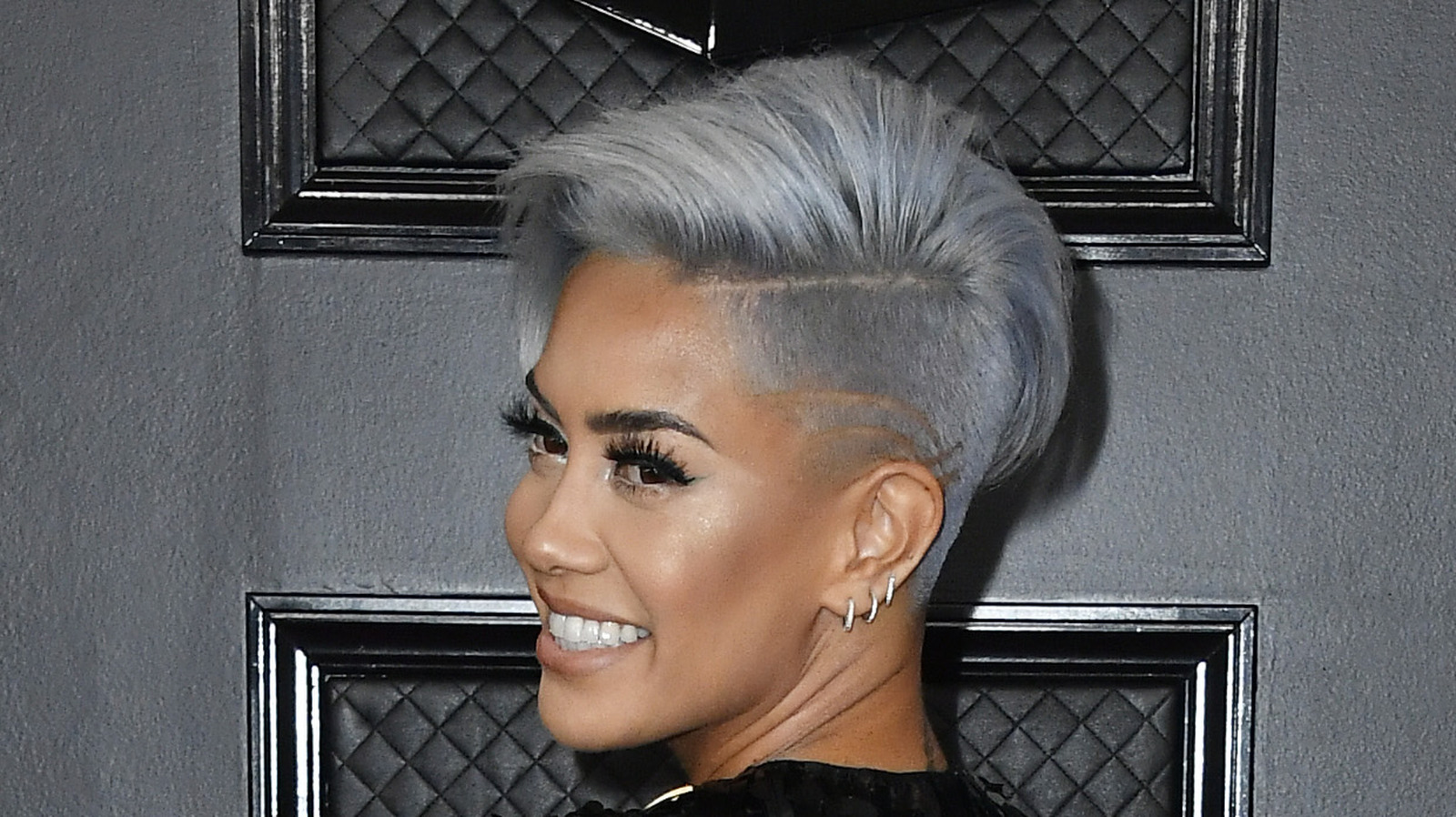
The undercut is inherently memorable. Because it creates a bold, geometric frame around the face, it forces the viewer to focus on the facial structure and the hair’s texture. For entrepreneurs, designers, and consultants, this choice creates an immediate visual anchor. When a professional maintains a consistent, signature look like the undercut, it aids in name recognition and brand recall. It signals that the individual is detail-oriented, bold, and comfortable with challenging traditional professional norms.
Aligning Aesthetics with Professional Identity
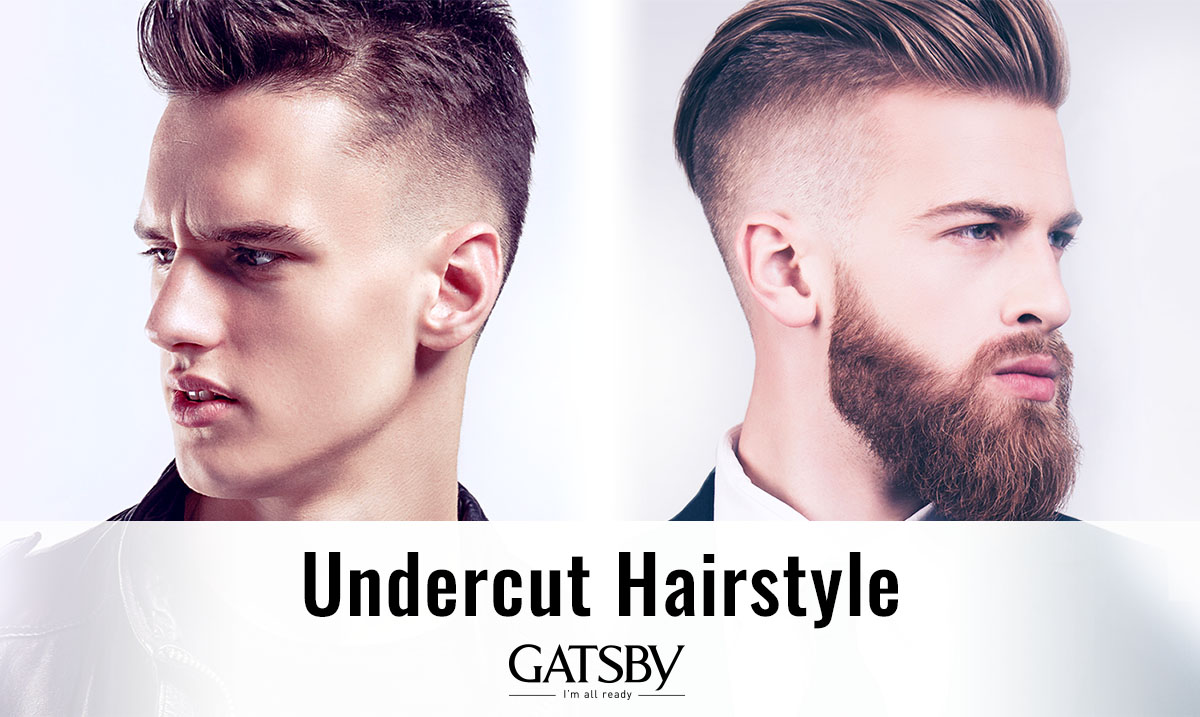
A hairstyle is a non-verbal cue that signals a person’s values. An undercut can be styled in various ways—slicked back for a sleek, corporate look; textured and messy for a rebellious, creative vibe; or integrated into a fade for a polished, modern appearance. Choosing the style that best aligns with one’s industry is critical. A graphic designer might lean toward an extreme, edgy undercut to signal creative fearlessness, while a tech executive might opt for a subtle, high-fade undercut to convey a marriage of efficiency and contemporary awareness. This alignment ensures that the physical brand matches the professional value proposition.
Corporate Identity and the Evolution of Workplace Grooming
The corporate world has shifted away from the rigid homogeneity of the 20th-century suit-and-tie aesthetic. Today, companies recognize that the “uniform” of their employees reflects the company’s internal culture and external brand promise. The rise of the undercut in professional environments is a reflection of a broader trend: the de-formalization of business culture to favor authenticity and creative agility.
The Shift Toward Individualism
Modern companies—especially those in Silicon Valley, creative agencies, and startups—often encourage employees to present themselves as individuals rather than corporate drones. When a company adopts a permissive policy toward bold hairstyles, it inherently communicates a brand strategy that values innovation and diversity of thought. An undercut, once seen as “unprofessional” or too “subcultural,” is now frequently spotted in high-level boardrooms and design studios alike. It acts as a symbol of a company that is not afraid to break conventions.
Consistency Across Brand Touchpoints
For a personal brand, the undercut is just one touchpoint. To be effective, the hair must be maintained with the same discipline that one would apply to a company’s logo or website design. A “brand” that is neglected looks sloppy, not edgy. The maintenance required to keep an undercut sharp—frequent barber visits, consistent product application, and grooming discipline—mirrors the effort required to maintain a high-quality brand identity. The undercut serves as a metaphor for a brand that is curated, intentional, and constantly refined.
Strategic Marketing of the Self
In marketing, we talk about the “Unique Selling Proposition” (USP). If you were to map yourself as a service or a product, what makes you different from your competitors? While skills and experience form the core of your service offering, your visual brand creates the initial attraction.
The Psychology of First Impressions
Research in social psychology suggests that first impressions are formed in milliseconds. When a potential client or employer sees an individual with an undercut, the brain immediately assigns a set of attributes to that person, often including terms like “confident,” “modern,” and “decisive.” By intentionally choosing a style that commands visual authority, you are controlling the initial narrative before you have even spoken a word.
The Undercut as a Competitive Advantage
In hyper-competitive industries, being “too safe” can be a liability. The undercut acts as a differentiator. When everyone else is blending into a background of generic business haircuts, the person with a well-executed undercut stands out. This doesn’t necessarily mean the undercut is the “best” haircut; it means it is a “marketable” choice. It proves you understand the power of aesthetic impact. Strategic branding is about being seen, and the undercut is an aggressive, effective tool to ensure that your visual presence is impossible to overlook.
The Lifecycle of the Brand Aesthetic
Like any design trend, the undercut has a lifecycle. It emerged as a counter-culture statement, moved into the mainstream fashion cycle, and is now firmly established as a “classic-modern” option. Understanding where a brand element sits in its lifecycle is crucial for any strategist.
Adaptation and Reinvention
A brand must remain relevant, yet consistent. The undercut has managed to remain relevant because of its versatility. It can be adapted to fit almost any demographic or professional context. A brand strategist might note that the undercut is a “platform” style—a foundational look that can be modified over time. You might start with a disconnected undercut in your early career to signal ambition, and transition to a softer, tapered fade as your personal brand matures into a more authoritative, executive space. This adaptability is the hallmark of a strong, enduring personal brand.
The Risk of Overexposure
One risk in branding is becoming a parody of oneself. If the undercut becomes too associated with a specific, declining trend or a caricature, its power as a differentiator decreases. A strategic individual must be aware of when the style is peaking and when it is becoming a “commodity” look. If everyone in your office adopts an undercut, it ceases to be a tool for differentiation and becomes a uniform. At that point, a brand strategist would advise a pivot—perhaps not abandoning the style entirely, but altering the silhouette to maintain the edge that keeps the brand feeling fresh and intentional.
Conclusion: Crafting the Professional Persona
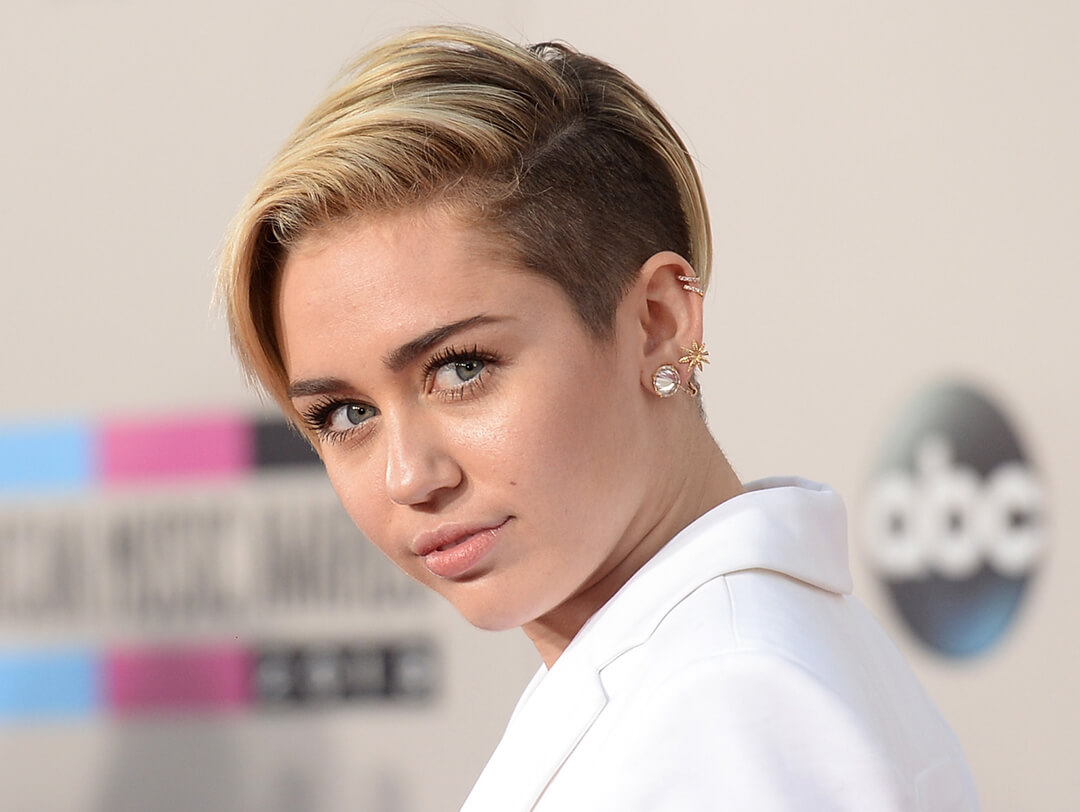
The decision to adopt an undercut is rarely just about hair; it is a branding decision. It is an acknowledgment that your physical presence is an integral component of your professional persona. By investing in a look that requires intentional maintenance and conveys a specific visual message, you are engaging in the foundational work of personal branding.
Whether you are building a corporate identity or refining your personal brand, the principles remain the same: intent, consistency, and differentiation. The undercut, when executed with precision, functions as an extension of your professional strategy. It signals that you are not just a passive participant in your industry, but an active, curated, and conscious builder of your own image. In a world where digital and physical presence are increasingly linked, how you present yourself—down to the very taper of your hair—is a critical element of your competitive advantage. Treat your image with the same rigor you apply to your business metrics, and the result will be a brand that is as sharp, clean, and modern as the cut itself.
aViewFromTheCave is a participant in the Amazon Services LLC Associates Program, an affiliate advertising program designed to provide a means for sites to earn advertising fees by advertising and linking to Amazon.com. Amazon, the Amazon logo, AmazonSupply, and the AmazonSupply logo are trademarks of Amazon.com, Inc. or its affiliates. As an Amazon Associate we earn affiliate commissions from qualifying purchases.