
When navigating the complex landscape of personal finance, few decisions carry as much weight as selecting the right health insurance coverage. Among the most common options presented to employees and individual purchasers is the PPO plan. But what does a PPO plan mean for your wallet, your savings, and your long-term financial stability?
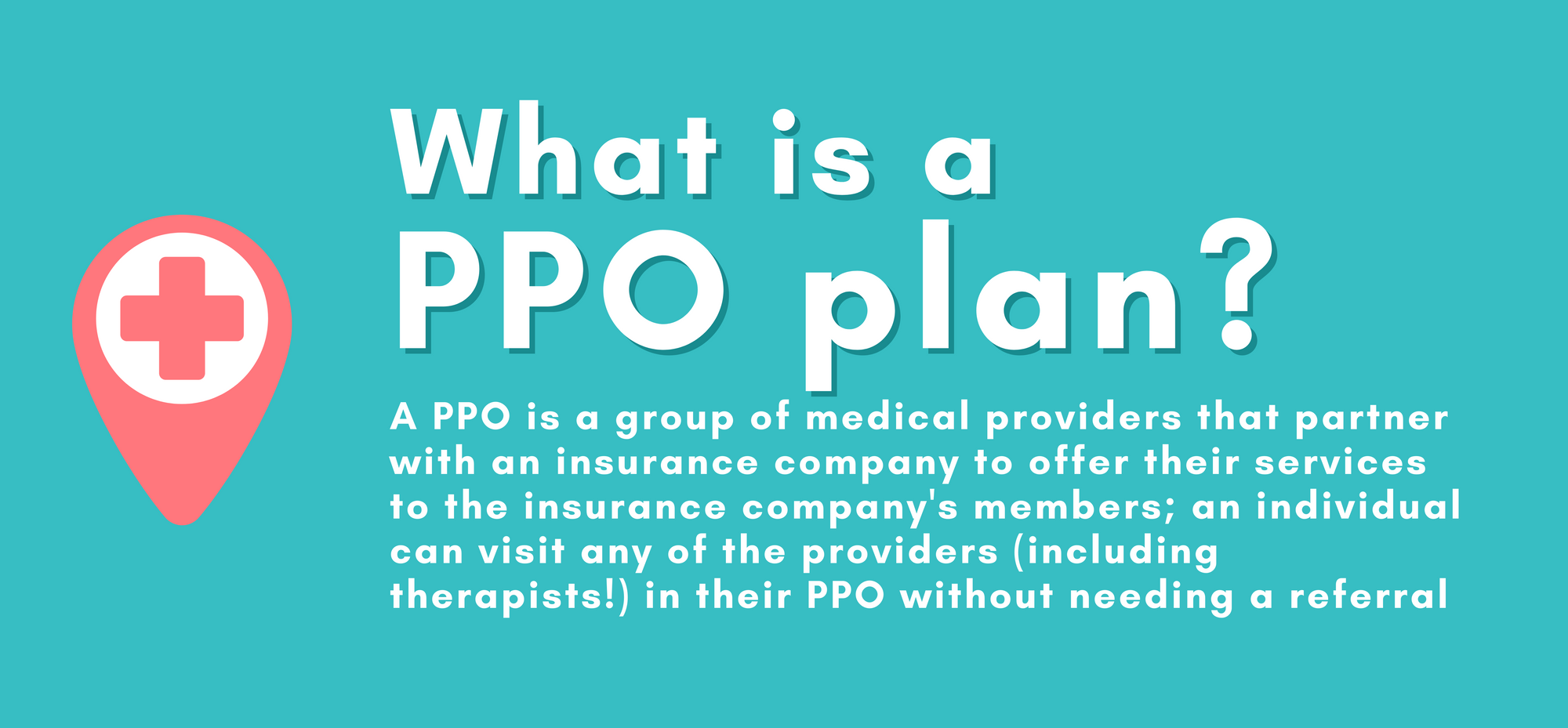
PPO stands for Preferred Provider Organization. In the context of the “Money” niche, a PPO is more than just a healthcare delivery system; it is a financial product that offers a specific trade-off between higher monthly fixed costs and greater flexibility in capital allocation for medical services. Understanding the nuances of a PPO plan is essential for anyone looking to optimize their personal budget while mitigating the risks of unforeseen medical expenses.
The Financial Mechanics of a PPO Plan
At its core, a PPO plan is a type of managed care health insurance arrangement. To understand its financial implications, one must look at how it structures the flow of money between the insurer, the policyholder, and the healthcare provider.
Defining the Preferred Provider Organization
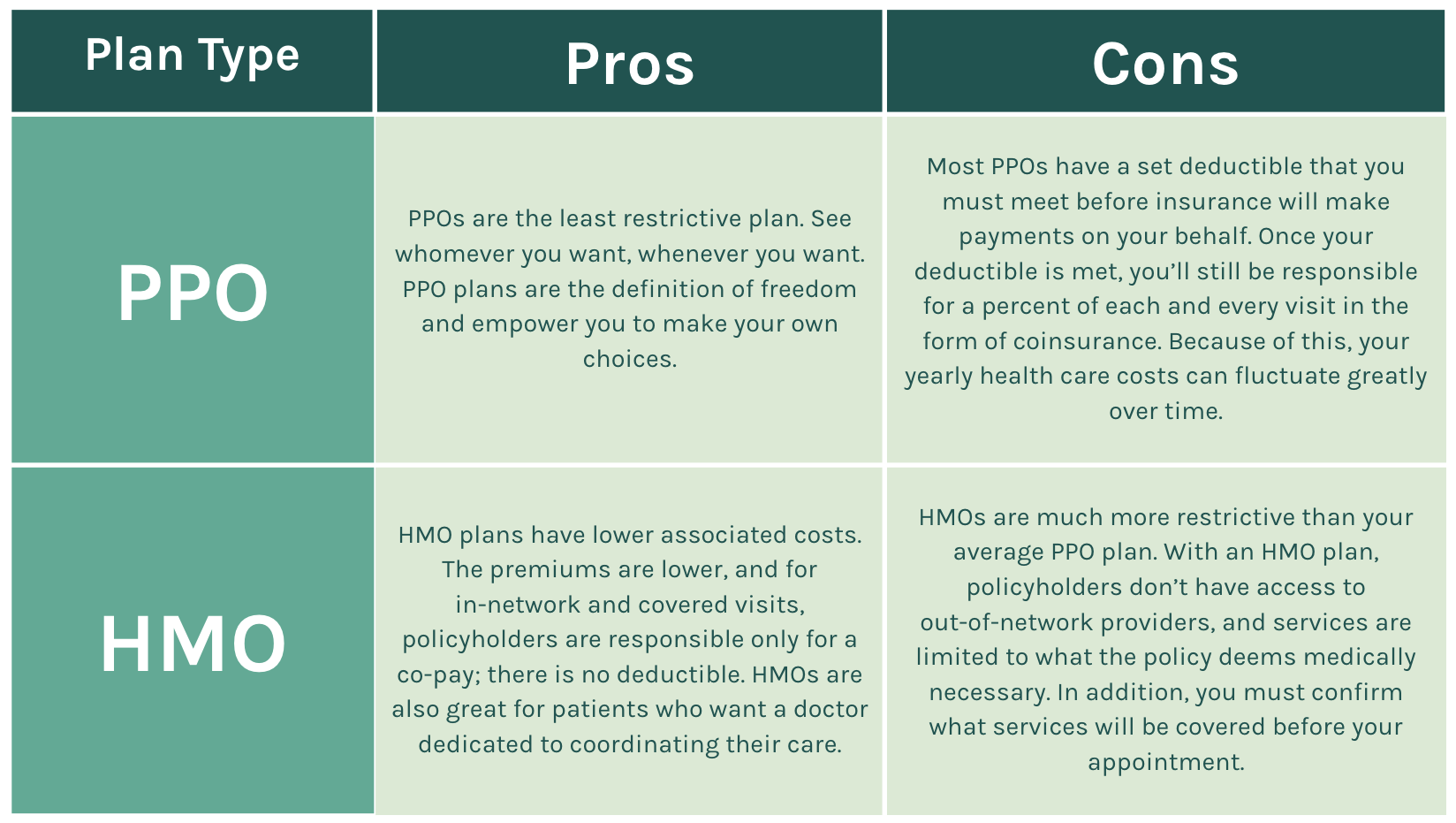
A PPO plan is built around a network of “preferred” healthcare providers. These doctors, hospitals, and specialists have entered into a contract with the insurance company to provide services at a pre-negotiated, discounted rate. For the consumer, this means that staying “in-network” results in significantly lower costs. However, the defining characteristic of a PPO—and its primary financial differentiator—is the ability to seek care outside of this network. While out-of-network care is more expensive, the PPO plan still provides some level of coverage, a feature rarely found in HMO (Health Maintenance Organization) plans.
The “Flexibility Premium”
In financial terms, a PPO plan often carries a higher monthly premium compared to other plan types. This is effectively a “flexibility premium.” You are paying more upfront each month for the right to see any specialist you choose without a referral from a primary care physician (PCP). For individuals with complex health needs or those who travel frequently, this upfront cost acts as an insurance policy against the administrative hurdles and time-costs associated with more restrictive plans.
Negotiated Rates and Cost Transparency
One of the most significant financial benefits of a PPO is the access to negotiated rates. Even before you hit your deductible, you benefit from the “allowed amount” set by the insurer. For example, if a provider typically charges $300 for a visit but the PPO negotiated rate is $150, you only pay $150. Understanding these rates is a key component of financial literacy in healthcare, allowing you to estimate your annual out-of-pocket expenses more accurately.
Breaking Down the Costs: Premiums, Deductibles, and Coinsurance
To truly understand what a PPO plan means, you must dissect the three primary layers of cost that impact your personal cash flow: the fixed monthly cost, the threshold cost, and the shared cost.
Monthly Premiums: The Fixed Expense
The premium is the amount you pay every month to keep the insurance active, regardless of whether you use medical services or not. In a PPO, this is usually the highest fixed cost in your healthcare budget. From a financial planning perspective, this is a predictable expense that should be factored into your monthly overhead, similar to a mortgage or car payment.
Deductibles and the Threshold of Coverage
The deductible is the amount you must pay out-of-pocket for covered services before your insurance plan begins to pay. PPO plans vary widely in their deductible amounts. A “High-Deductible PPO” might offer lower monthly premiums but requires you to have a robust emergency fund to cover the initial $2,000 to $5,000 of medical expenses. Conversely, a low-deductible plan provides quicker access to insurance subsidies but comes with a higher monthly premium burden.
Coinsurance and the Shared Financial Burden
Once you meet your deductible, the PPO transitions into a “coinsurance” model. Typically, this is an 80/20 split, where the insurance company pays 80% of the bill and you pay 20%. This stage is where the financial benefits of the PPO become most apparent. However, it is vital to remember that the 20% is based on the negotiated rate, not the provider’s original sticker price. Managing this stage of the plan requires keeping a close eye on your “Explanation of Benefits” (EOB) statements to ensure you aren’t being overcharged.
The Economic Trade-offs: PPO vs. Other Plan Types
Choosing a PPO is a strategic financial decision. It involves weighing the certainty of higher premiums against the potential risk of high out-of-network costs and the value of time saved.
PPO vs. HMO: Choosing Between Flexibility and Cost
HMO plans are generally the “budget” option in the insurance world. They require you to stay strictly within a network and often require a “gatekeeper” (a Primary Care Physician) to authorize any specialist visits. From a money-management perspective, an HMO is lower cost but higher friction. A PPO, while more expensive, reduces that friction. If your time is worth a high hourly rate, the “cost” of spending hours getting referrals in an HMO may actually make the PPO the more economically sound choice.
Out-of-Network Costs and Financial Risks
Perhaps the most dangerous financial trap in a PPO plan is “balance billing” from out-of-network providers. While a PPO allows you to go out-of-network, the insurer may only pay a percentage of what they consider the “usual, customary, and reasonable” (UCR) fee. If the out-of-network doctor charges $500 and the insurer’s UCR is $300, the insurer might pay 60% of $300 ($180), leaving you to pay the remaining $320. Understanding this risk is crucial for protecting your net worth from sudden medical debt.
Out-of-Pocket Maximums: Your Financial Safety Net
The most important figure for your long-term financial security is the “Out-of-Pocket Maximum.” This is the absolute limit on what you will pay in a calendar year for covered, in-network services. Once you hit this cap, the insurance company pays 100% of the costs. When calculating your “worst-case scenario” for a financial plan, you should always look at the sum of your annual premiums plus the out-of-pocket maximum.
Strategic Financial Management of Your PPO
A PPO plan is not just an expense; it is a tool that can be integrated into your broader financial and tax strategy.
Integrating FSAs and HSAs with Your Healthcare Strategy
Depending on the structure of your PPO, you may be eligible for a Flexible Spending Account (FSA) or, if the deductible is high enough, a Health Savings Account (HSA). These are powerful financial vehicles. An HSA, in particular, offers a triple tax advantage: contributions are tax-deductible, growth is tax-free, and withdrawals for medical expenses are tax-free. If you are in a high tax bracket, using a PPO with an HSA can be a primary component of your investment and retirement strategy.
Leveraging Preventive Care for Long-Term Savings
Under the Affordable Care Act, most PPO plans must cover preventive services—such as annual check-ups, screenings, and immunizations—at 100%, even before you meet your deductible. From a money-management standpoint, utilizing these “free” services is a high-ROI activity. Early detection of health issues can prevent catastrophic medical expenses down the road, protecting your long-term investment portfolio and earning potential.
Reviewing and Auditing Medical Bills
To manage your PPO effectively, you must treat your medical bills like any other business invoice. Errors in medical billing are common. By cross-referencing your provider’s bill with your PPO’s EOB, you can often identify “upcoding” or duplicate charges. This proactive management can save you hundreds or even thousands of dollars annually, directly impacting your bottom line.

Conclusion: Making the Right Financial Decision for Your Future
What does a PPO plan mean? Ultimately, it means having a high-access, high-flexibility financial tool that allows you to manage your health on your own terms. While it often requires a higher monthly capital outlay, the freedom from referrals and the inclusion of out-of-network coverage provide a level of financial protection and convenience that many find worth the price.
When selecting a plan, look beyond the “Preferred Provider Organization” label. Analyze the premiums, calculate the potential out-of-pocket maximums, and evaluate how the plan fits into your tax and savings strategy. By treating your healthcare choice as a significant financial investment, you can ensure that your PPO plan supports not just your physical well-being, but your financial health as well. Whether you are an entrepreneur, a corporate employee, or a retiree, the right PPO plan, managed with a focus on cost-efficiency and tax optimization, is a cornerstone of a robust personal finance strategy.
aViewFromTheCave is a participant in the Amazon Services LLC Associates Program, an affiliate advertising program designed to provide a means for sites to earn advertising fees by advertising and linking to Amazon.com. Amazon, the Amazon logo, AmazonSupply, and the AmazonSupply logo are trademarks of Amazon.com, Inc. or its affiliates. As an Amazon Associate we earn affiliate commissions from qualifying purchases.