
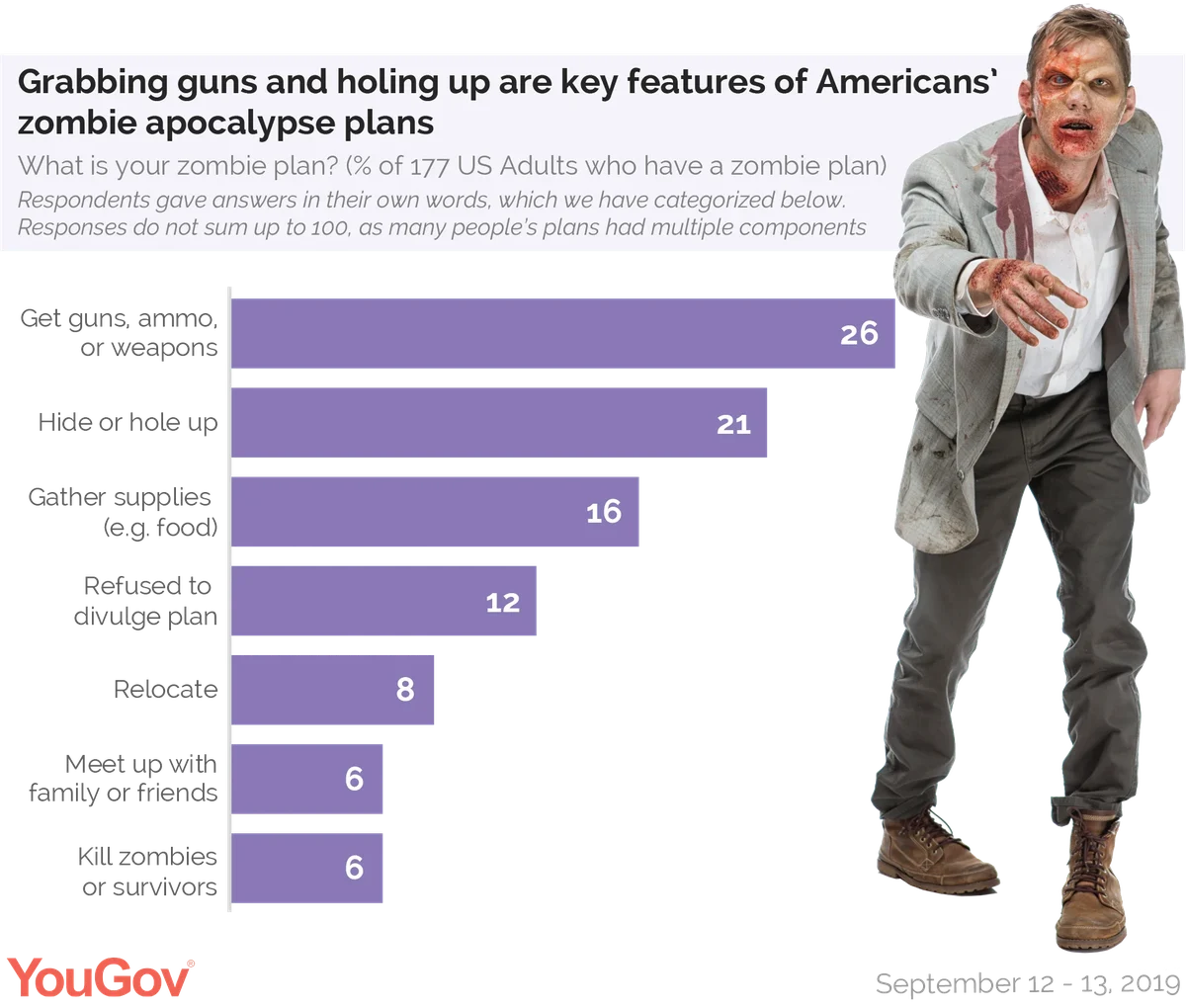
While the concept of a zombie apocalypse is primarily relegated to the realm of speculative fiction and cinema, from a strategic corporate risk and business continuity perspective, it serves as an excellent case study for analyzing “Black Swan” events—unpredictable, high-impact occurrences that fundamentally threaten the survival of a brand. In an era where digital ecosystems, supply chains, and consumer behaviors are more interconnected than ever, the survival of a company in a hypothetical catastrophic scenario relies not on combat, but on brand resilience, reputation management, and the adaptability of one’s identity in the face of total market disruption.
The Brand Equity of Survival: Protecting Identity Under Duress
In the event of a societal collapse, traditional marketing metrics like “reach” and “engagement” become obsolete overnight. When a business faces an existential crisis—whether it be a global pandemic, a technological collapse, or a supply chain failure—the only asset that maintains value is brand equity. A brand’s reputation during a crisis is the singular factor that dictates whether the enterprise will be remembered as a trusted ally or a failed entity.
Establishing the “Human” Face of the Brand
During times of extreme instability, consumers revert to primitive decision-making processes. They look for signals of stability, reliability, and human values. Brands that have invested in a transparent, human-centric corporate identity are far more likely to maintain customer loyalty than those that rely on cold, transactional interactions. In a theoretical apocalypse, a brand’s survival is linked to how much social capital it has stored in its “bank” of consumer goodwill. If a company has positioned itself as an integral part of its customers’ daily lives—not just as a vendor, but as a facilitator of utility—it gains a survival advantage.
Crisis Communication as Brand Strategy
Effective crisis communication is the cornerstone of brand continuity. When information becomes scarce or unreliable, the entity that provides the most accurate and calming narrative becomes a beacon. Brands that master the art of calm, authoritative communication during a systemic shock ensure that their identity survives even if their revenue streams have temporarily dried up. The goal of crisis-ready branding is to transition the company from a “provider of goods” to a “provider of stability,” ensuring that once the chaos subsides, the brand is the first choice for reconstruction.
Resilience Through Decentralized Brand Strategy
The vulnerability of modern brands often lies in their over-centralization. Many companies rely on a singular, brittle strategy that collapses if the global infrastructure fails. To mitigate the possibility of a total “apocalypse” for one’s business, companies must pivot toward a decentralized identity model.
Distributed Operational Assets
A resilient brand identity is not housed in a single headquarters or a solitary digital platform. Instead, it is distributed across various channels and sub-brands. If a major platform goes dark, or a physical hub becomes inaccessible, a decentralized brand strategy ensures that the company’s core values and operational capabilities can persist through secondary hubs. This is not merely about physical survival; it is about keeping the brand “alive” in the minds of the audience by maintaining multiple points of contact.
The Power of Lean Branding
Excessive, complex corporate structures are fragile. They are susceptible to cascading failures because a breakdown in one department can infect the entire organization. A lean brand strategy focuses on the core value proposition. By stripping away non-essential services and over-extended marketing campaigns, a company can survive a period of extreme austerity. In a world where the market has shifted from luxury consumption to survivalism, the brands that can adapt their identity to serve functional, immediate needs are the ones that maintain relevance.
Maintaining Trust in a Post-Truth Market
If we view the “zombie apocalypse” metaphorically as a period of absolute market chaos, the greatest threat to a brand is the breakdown of trust. Misinformation, panic-driven consumer behavior, and the disappearance of established regulatory frameworks create an environment where institutional trust vanishes.
Protecting the Brand Legacy
A brand’s reputation is its most significant long-term asset. When societal structures crumble, the values that a brand has championed for decades become its only shield. Companies that have built a legacy of ethical conduct and consistent delivery find that their brand becomes a trusted commodity. When everything else is uncertain, consumers cling to brands that have demonstrated a pattern of reliability. This is why investing in corporate social responsibility (CSR) and ethical branding is not just a marketing exercise; it is an insurance policy against total irrelevance during catastrophic shifts.
Adapting to Changing Consumer Needs
The most resilient brands are those that can pivot their entire identity without losing their core mission. If the market shifts from convenience to necessity, a luxury brand that refuses to adapt will perish. Conversely, a brand that can pivot its messaging to address the new reality—offering solutions for current struggles while maintaining its internal ethos—will thrive. The ability to pivot is the ultimate test of strategic branding. It requires an intimate understanding of the audience, the agility to shed legacy processes, and the courage to redefine what the brand stands for in a changed world.
The Future-Proofing of Corporate Identity
While we may not be preparing for a literal outbreak of undead monsters, the concept forces leadership to consider the “What If” scenarios. By stress-testing a brand against extreme, improbable futures, companies can uncover vulnerabilities that are otherwise hidden in plain sight.
Designing for Longevity and Sustainability
A brand that relies on the status quo is fundamentally fragile. True corporate identity, in the context of long-term risk management, must be built on sustainability. This includes the sustainability of its supply chain, its digital footprint, and its consumer base. By preparing for the worst-case scenario, businesses inadvertently optimize their operations for the “best-case” scenario, creating a more efficient, agile, and robust brand in the process.
Conclusion: The Indestructible Brand
Ultimately, the possibility of a total systemic collapse serves as a rigorous exercise in brand health. A brand is more than a logo or a product; it is a promise of value. If that promise holds up when the world is in chaos, it is truly built to last. By prioritizing trust, decentralizing operations, and maintaining an agile, human-centric identity, businesses do not just prepare for a fictional apocalypse—they build an enterprise that is resilient enough to handle any real-world disruption, market shift, or competitive threat. The apocalypse, in business terms, is merely a metaphor for the absolute limit of risk. The brands that survive are those that understand that identity is the only thing that cannot be liquidated, and when the dust settles, those who have maintained their brand integrity will be the ones leading the recovery.
aViewFromTheCave is a participant in the Amazon Services LLC Associates Program, an affiliate advertising program designed to provide a means for sites to earn advertising fees by advertising and linking to Amazon.com. Amazon, the Amazon logo, AmazonSupply, and the AmazonSupply logo are trademarks of Amazon.com, Inc. or its affiliates. As an Amazon Associate we earn affiliate commissions from qualifying purchases.