
The global beverage market is a masterclass in brand strategy, and few products illustrate this better than the category of carbonated soft drinks. While taste profiles vary by region, the quest for the most popular soda in the world reveals a fascinating narrative about market penetration, emotional branding, and the power of consistent corporate identity. When we analyze which soda sits atop the global throne, we are not merely looking at flavor preferences; we are observing the success of a century-long marketing campaign that has cemented a single brand into the collective consciousness of humanity.
The Supremacy of Coca-Cola: A Case Study in Global Dominance
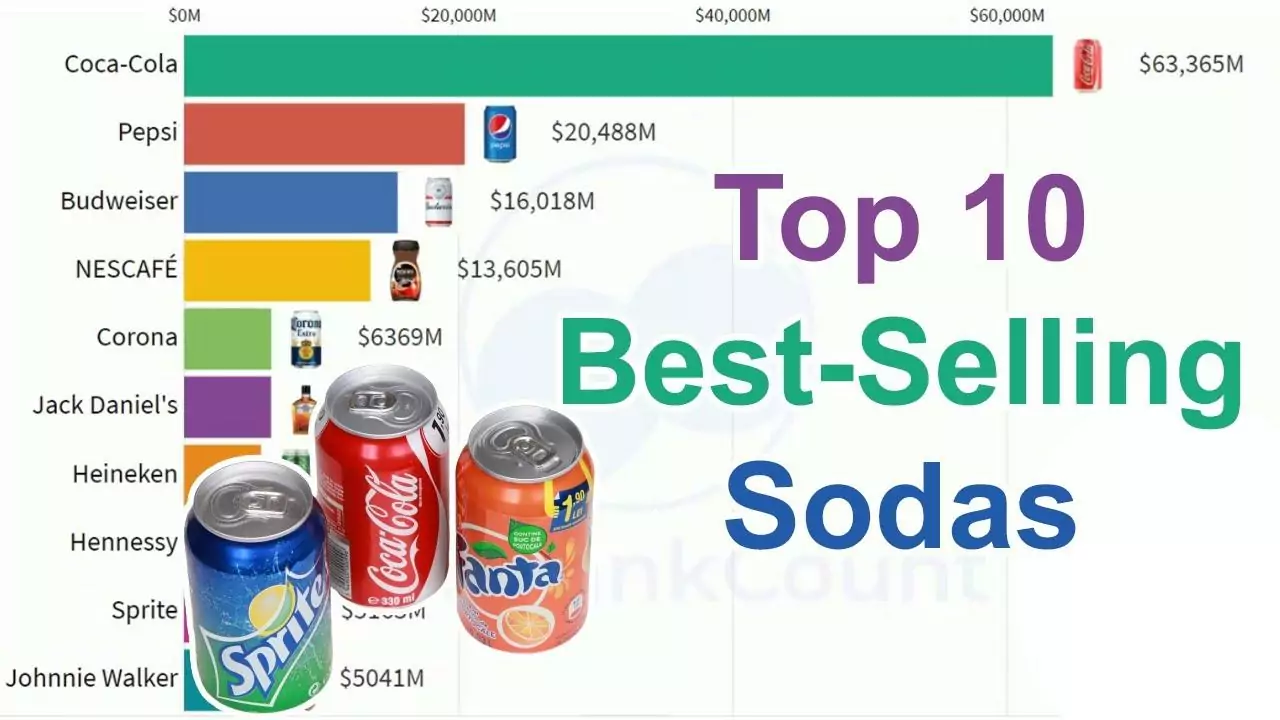
In the battle for the title of the world’s most popular soda, Coca-Cola is the undisputed champion. With a market share that towers over its competitors, the red-and-white brand has become synonymous with the very concept of “soda.” But how does a sugary carbonated beverage maintain such staggering global appeal for over 130 years? The answer lies in its sophisticated brand strategy.
The Psychology of Universal Appeal
Coca-Cola has successfully positioned itself not as a product, but as an experience. Their branding strategy avoids technical jargon or complex product feature lists; instead, it focuses on universal human emotions: happiness, togetherness, and refreshment. By associating the brand with iconic cultural touchpoints—from the modern image of Santa Claus to global sporting events like the FIFA World Cup—Coca-Cola has managed to transcend its status as a simple consumer good. It is a classic example of “emotional branding,” where the consumer’s relationship with the brand is built on shared values rather than mere utility.
Consistency in Corporate Identity
One of the core pillars of Coca-Cola’s dominance is the ruthless consistency of its identity. Whether in a rural village in Southeast Asia or a bustling metropolis in North America, the visual identity—the Spencerian script, the iconic contour bottle, and the “Coke red”—remains identical. This consistency lowers the cognitive load for consumers; the brand is instantly recognizable, reducing purchase friction and reinforcing trust. In brand strategy, this is referred to as “brand equity,” where the accumulated value of the name alone can drive sales even in markets where local competitors offer lower prices or arguably superior flavor profiles.
The Competitive Landscape: Marketing Against a Giant
While Coca-Cola holds the top spot, its status as the world’s most popular soda is perpetually challenged by PepsiCo and a growing array of regional players. Understanding this competition provides vital insight into how marketing strategy dictates market share.
The Pepsi Challenge and Market Positioning
Pepsi-Cola has spent decades defining its brand strategy in direct opposition to Coca-Cola. By positioning itself as the “Choice of a New Generation,” Pepsi leaned into a strategy of youthful disruption. While Coca-Cola focused on heritage and tradition, Pepsi utilized celebrity endorsements and pop culture partnerships to carve out a distinct identity. This highlights a crucial marketing lesson: when you cannot be the category leader, you must differentiate yourself by targeting a specific demographic segment that the market leader might be neglecting.

Regional Adaptation vs. Global Standardization
The competition for the title of the most popular soda often shifts when entering specific geographic markets. In certain regions, local beverages manage to outperform global giants due to superior localization strategies. For example, brands like Irn-Bru in Scotland or Inca Kola in Peru have maintained market dominance by aligning their corporate identity with national pride and hyper-local taste preferences. These brands prove that global branding does not always mean ignoring local sentiment; rather, the most successful brands find the balance between maintaining a global standard and appearing “homegrown” to their specific target audience.
The Power of Distribution and Strategic Partnerships
A brand strategy is only as effective as the supply chain supporting it. The dominance of the most popular soda is heavily predicated on the “availability heuristic.” If a consumer can find the product everywhere—at every vending machine, fast-food outlet, and supermarket shelf—the brand becomes the default choice.
The Role of Exclusive Contracts
A major element of soda marketing strategy is the concept of exclusivity. By locking in long-term contracts with major restaurant chains, theme parks, and movie theater chains, the top soda brands effectively create a “walled garden.” When a consumer sits down at a major fast-food chain, they are often presented with a binary choice: a specific brand or nothing. This strategic placement ensures that the brand remains top-of-mind and frequently purchased, regardless of whether it is the consumer’s absolute favorite.
Evolving Toward Lifestyle Branding
Modern branding strategies for soda companies have evolved to survive in an era where health-conscious consumers are shifting away from high-sugar content. Coca-Cola and PepsiCo have diversified their portfolios to include waters, teas, and zero-sugar variants while keeping the parent brand identity intact. This is a critical brand management tactic known as “brand stretching.” By evolving the core brand to meet changing consumer demands, these companies ensure that their identity remains relevant to newer generations, protecting their position as the world’s most popular drink manufacturers.
The Future of Soda Branding in a Digital World
As we look toward the future, the methods used to claim the title of “most popular” are shifting from traditional television advertising to digital ecosystem integration. The brand strategy of the future relies on data-driven personalization and digital engagement.
Influencer Marketing and Social Proof
The digital landscape allows brands to leverage social proof on a massive scale. By partnering with global influencers and content creators, soda companies are moving away from traditional mass-media campaigns toward hyper-targeted engagement. This strategy seeks to build a “tribe” around the brand. The goal is to move the consumer from being a passive purchaser to an active participant in the brand’s community.

Direct-to-Consumer and Subscription Models
Emerging trends in brand strategy involve establishing direct relationships with the consumer. By utilizing apps and loyalty programs, soda brands are gathering massive amounts of first-party data. This data informs everything from product development to promotional pricing. The most popular soda of the next decade will likely be the one that best utilizes AI to predict consumer behavior, tailoring the marketing message to the individual at the exact moment they are thirsty.
In conclusion, while the title of the “most popular soda in the world” currently belongs to Coca-Cola, the reason for this success is not a secret recipe, but a masterclass in brand strategy. By prioritizing consistent corporate identity, aggressively managing global distribution, and successfully navigating the shift from legacy media to digital engagement, these companies have ensured that their products remain anchored in the global consumer’s life. The dominance of these brands is a testament to the fact that in the world of commodities, the winner is rarely the one with the best product, but rather the one with the most powerful and well-executed brand strategy.
aViewFromTheCave is a participant in the Amazon Services LLC Associates Program, an affiliate advertising program designed to provide a means for sites to earn advertising fees by advertising and linking to Amazon.com. Amazon, the Amazon logo, AmazonSupply, and the AmazonSupply logo are trademarks of Amazon.com, Inc. or its affiliates. As an Amazon Associate we earn affiliate commissions from qualifying purchases.