
To understand the architecture of life, one must look toward the foundational unit of genetic code. The monomer of DNA (deoxyribonucleic acid) is the nucleotide. While DNA is often conceptualized as a vast, sweeping double helix, it is, in reality, a modular construct built from repetitive, systematic units that encode the blueprints for every living organism. By examining these monomers, we gain insight into the precise biochemical “data” that modern biotechnology and genomic sequencing rely upon.
The Structural Anatomy of a Nucleotide
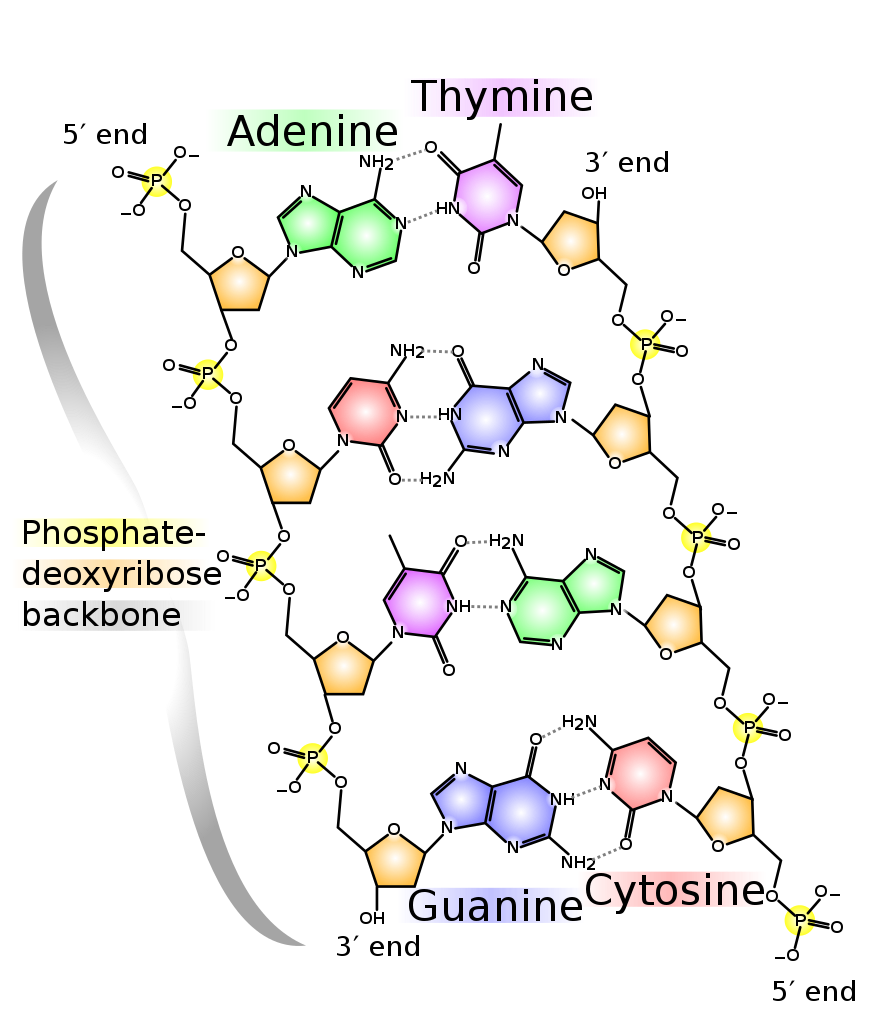
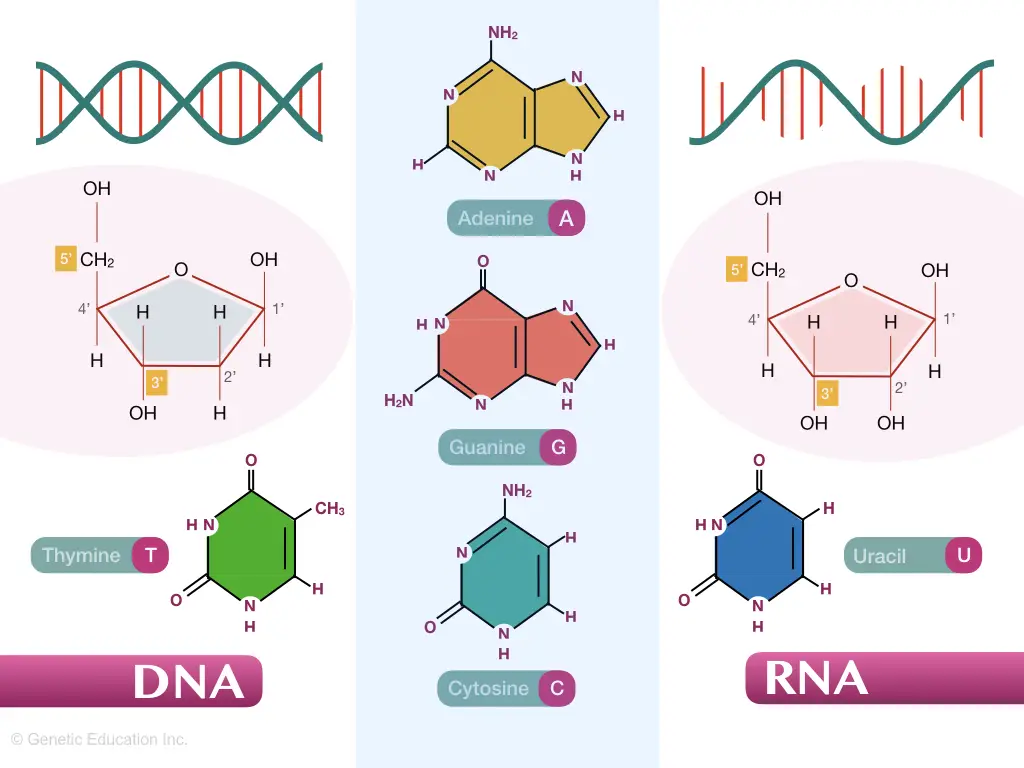
At the heart of the DNA molecule lies the nucleotide. Each individual monomer is composed of three distinct chemical components: a phosphate group, a five-carbon sugar molecule known as deoxyribose, and a nitrogenous base. These three components work in concert to create the building blocks that allow for the storage and transmission of biological information.
The Sugar-Phosphate Backbone
The deoxyribose sugar and the phosphate group serve as the structural “scaffolding” of the DNA strand. When multiple nucleotides bond together, they form a sugar-phosphate backbone. The phosphate group of one nucleotide binds to the sugar of the next, creating a long, continuous chain. This backbone is incredibly resilient, protecting the fragile genetic information housed within the nitrogenous bases from chemical degradation.
The Nitrogenous Bases
If the sugar-phosphate backbone is the scaffolding, the nitrogenous bases are the actual “data” of the genetic code. There are four types of nitrogenous bases found in DNA: Adenine (A), Thymine (T), Cytosine (C), and Guanine (G). The specific sequence of these bases along the sugar-phosphate backbone determines the instruction set for a cell. Because these bases can be arranged in nearly infinite configurations, they provide the necessary complexity to encode the massive variety of traits found in life forms.
Complementary Base Pairing and the Double Helix
The monomeric nature of DNA is what allows for its iconic double-helical structure. The two strands of DNA are held together by hydrogen bonds between the nitrogenous bases of opposing nucleotides. This interaction is not random; it follows the rule of complementary base pairing.
The Logic of Pairing
Adenine always pairs with Thymine, and Cytosine always pairs with Guanine. This strict chemical affinity ensures that the genetic information remains stable and accurately replicable. When a cell prepares to divide, the two strands unzip, and each acts as a template for the construction of a new strand. Because the pairing rules are rigid, the cell can build an exact replica of the original DNA sequence with high fidelity, minimizing the risk of mutation.
Architectural Stability
The interplay between the monomers creates a molecular architecture that is both highly dense and exceptionally stable. The nitrogenous bases are hydrophobic and reside on the interior of the helix, shielded by the hydrophilic sugar-phosphate backbone. This specific orientation is what gives DNA its chemical persistence, allowing it to survive for thousands of years in biological samples, a fact that has revolutionized forensic science and anthropology.
The Role of Nucleotides in Biotechnological Innovation
Understanding the DNA monomer is not merely a theoretical exercise; it is the cornerstone of the modern biotechnology industry. The ability to manipulate, synthesize, and sequence these individual monomers has paved the way for breakthroughs that have redefined the boundaries of human health and environmental science.
Genomics and Sequencing
Modern DNA sequencing technologies, such as Next-Generation Sequencing (NGS), function by identifying the sequence of nucleotides in a genome. By treating DNA as a digital-like sequence of four distinct symbols (A, T, C, G), scientists can “read” the code of life. This has allowed for the rapid identification of disease-causing mutations and the development of personalized medical treatments. Understanding the monomer allows us to treat a patient’s genetic makeup as a dataset that can be analyzed, debugged, and optimized.
Synthetic Biology and CRISPR
The precision of CRISPR-Cas9 gene-editing technology relies entirely on our ability to target specific sequences of nucleotides. By guiding an enzyme to a specific location defined by its monomeric sequence, researchers can cut, paste, or replace sections of DNA. This capability is fundamentally rooted in the knowledge of how nucleotides bond and interact. Synthetic biology takes this further, allowing scientists to create entirely new DNA sequences that never existed in nature, effectively using nucleotides as a programming language to build novel enzymes, fuels, and medicines.
Biological Information Processing: A Systems Approach
DNA serves as a biological hard drive, and the nucleotide is the single unit of data storage. When we analyze the monomer from a systems perspective, we see that it acts as the interface between chemical matter and information processing.
Transcription and Translation
The information stored in the monomers is not static. Through the process of transcription, the DNA sequence is converted into RNA, which then acts as a template for building proteins. Proteins, in turn, are the functional units of the cell, acting as everything from structural scaffolding to enzymatic catalysts. The flow of information—from the nucleotide monomer to the amino acid sequence—is the primary regulatory system for all biological life.
The Precision of Replication
During DNA replication, enzymes known as DNA polymerases work at incredible speeds to match the correct nucleotide monomer to the template strand. This process is highly accurate, with error rates as low as one in a billion. This extreme level of precision is why DNA is the most reliable information storage medium known to science. The molecular geometry of the monomer—specifically the size and shape of the nitrogenous bases—is what ensures that only the correct base can fit into the growing chain. If the wrong monomer is incorporated, the enzyme can detect the distortion and correct it, acting essentially like a biological proofreading software.
The Future of Molecular Information Storage
Beyond biology, the study of the DNA monomer is leading to new frontiers in digital data storage. Because DNA is so dense and durable, researchers are currently exploring ways to encode computer files, videos, and large archives into synthetic DNA sequences.
DNA Data Storage Potential
While current hardware (like flash drives or cloud servers) relies on silicon-based transistors, DNA offers a storage density that is orders of magnitude higher. A single gram of DNA could theoretically hold all the data currently stored in the world’s major data centers. By synthesizing custom DNA sequences that represent binary code (converting 0s and 1s into sequences of A, T, C, and G), we are essentially transforming the monomer of life into the next generation of hard drive technology.

Efficiency and Longevity
Unlike digital magnetic storage, which degrades over decades, synthetic DNA can remain readable for centuries if kept in the right conditions. As we continue to refine the synthesis of nucleotide chains, we move closer to a reality where the building blocks of human life become the bedrock of human knowledge storage. The monomer, once just a biological curiosity, is rapidly becoming a technological asset of immense value.
Ultimately, the nucleotide is the quintessential unit of information. Whether it is coding for a complex protein in the human body or storing an encoded library of human history, its structure—the phosphate-sugar backbone coupled with the nitrogenous base—remains one of the most elegant and effective designs in the natural world. By decoding the monomer, we have not only understood how we were made, but we have also learned how to rewrite the code to solve the most pressing challenges of our time.
aViewFromTheCave is a participant in the Amazon Services LLC Associates Program, an affiliate advertising program designed to provide a means for sites to earn advertising fees by advertising and linking to Amazon.com. Amazon, the Amazon logo, AmazonSupply, and the AmazonSupply logo are trademarks of Amazon.com, Inc. or its affiliates. As an Amazon Associate we earn affiliate commissions from qualifying purchases.