
The digital age has turned global linguistic exchange into a primary engine for brand communication. Terms that were once restricted to specific regional dialects now traverse the globe in seconds, carried by social media algorithms, viral music trends, and influencer culture. Among the terms that have undergone a massive shift in usage and perception is “bomboclat.” Often misunderstood and frequently misused, understanding the nuances of this word is not just a lesson in linguistics; it is a critical study in brand sensitivity and the risks associated with cultural appropriation in corporate identity.
The Linguistic Roots and Evolving Semantics
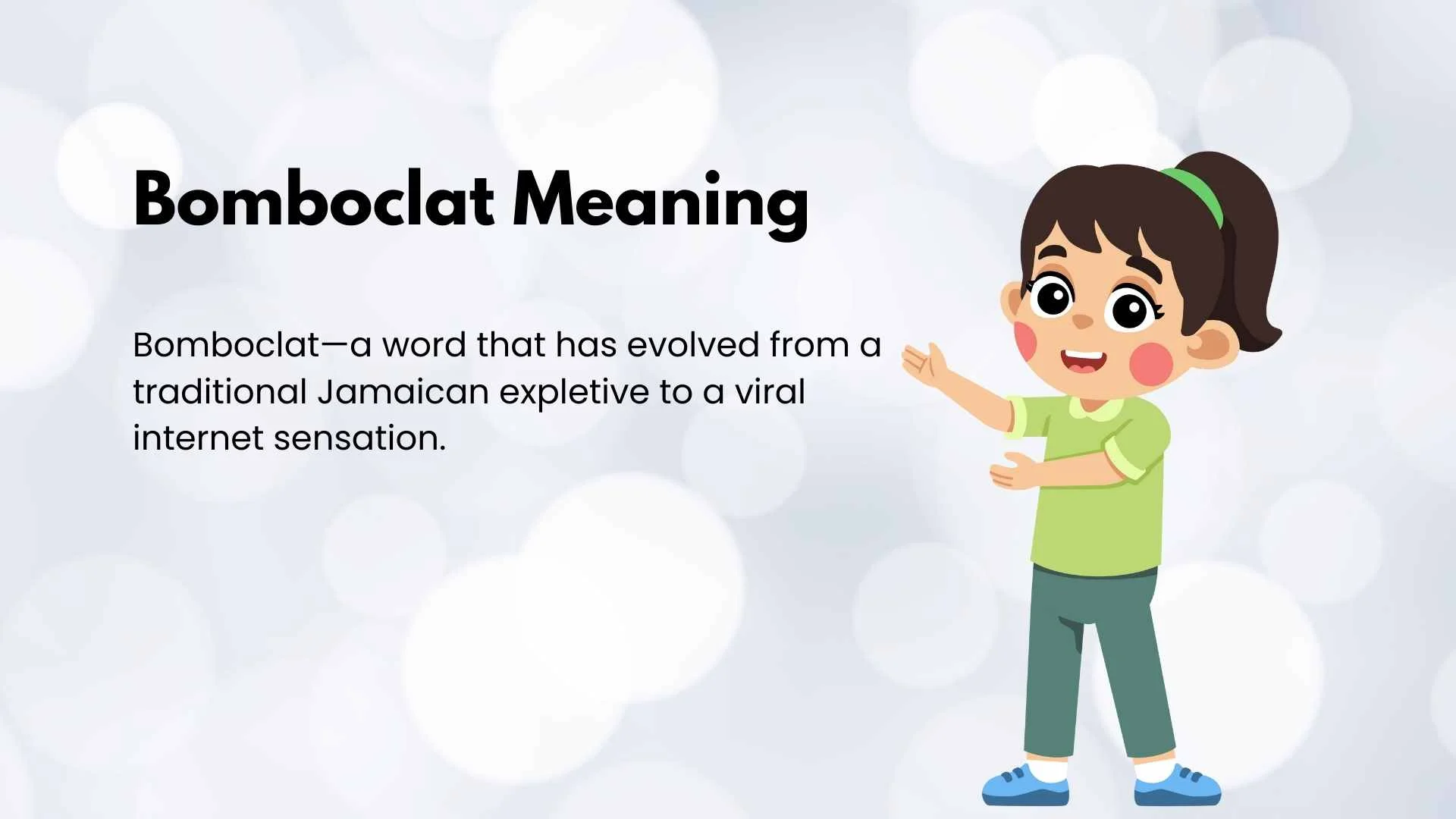
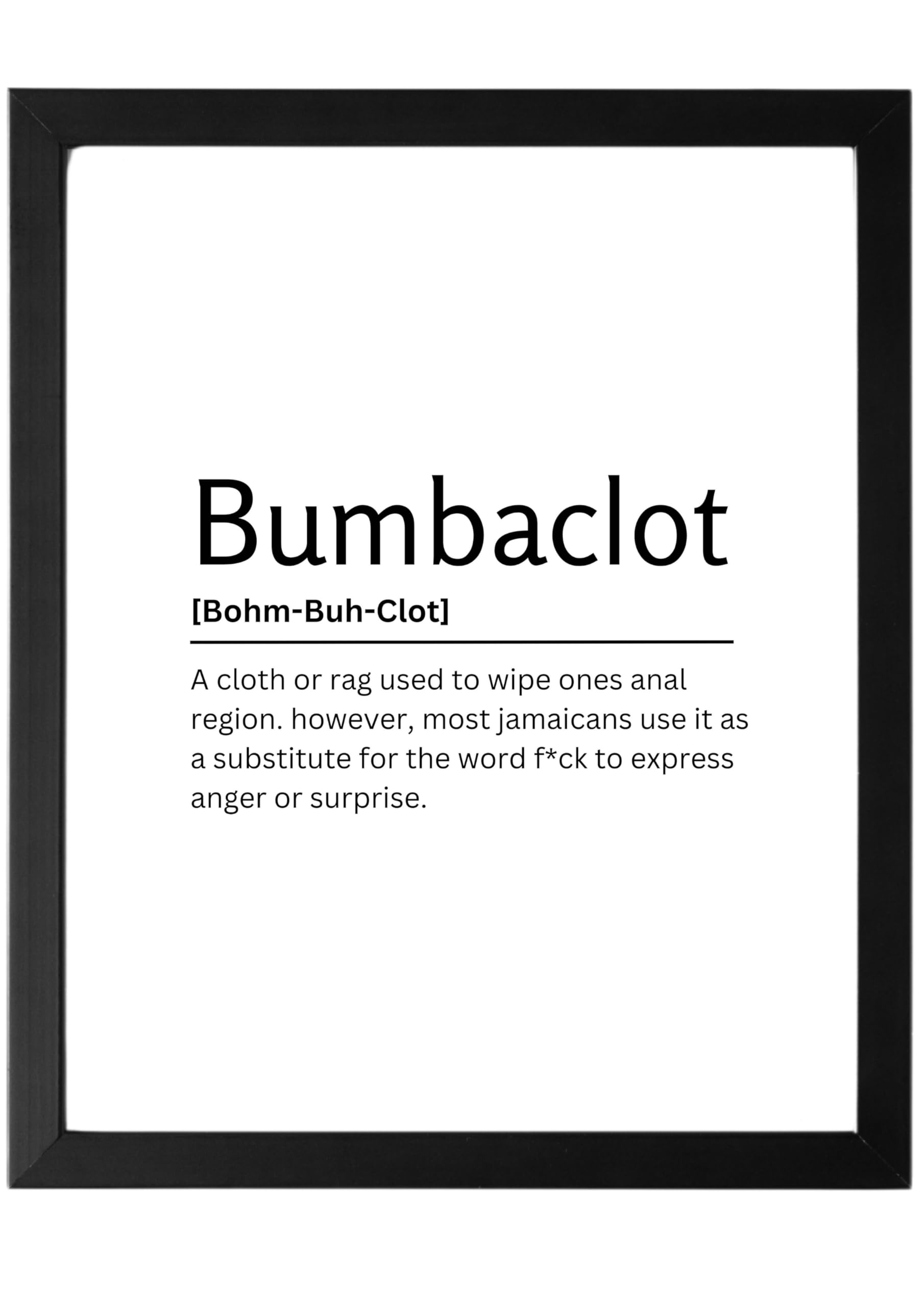
To understand why “bomboclat” is a point of contention for modern brands, one must first look at its etymology. Originating from the Jamaican Patois, the term is a compound of “bombo” (bottom/buttocks) and “clat” (cloth). Traditionally, it functions as a profane exclamation of shock, surprise, or intense anger. In its original context, it is considered a coarse vulgarity, carrying significant weight within the Jamaican social fabric.
The Shift from Vernacular to Viral
Over the last decade, the term transitioned from a Caribbean regionalism to a global digital buzzword. Its proliferation was fueled by the rise of dancehall music in mainstream pop, the emergence of viral “meme culture,” and the ubiquity of social media platforms like X (formerly Twitter) and TikTok. In many online circles, users adopted the term as a synonym for “shocking” or “wild,” often stripping it of its derogatory roots. This linguistic migration is where brands often run into trouble. When a brand adopts a term without respecting its history, it moves from “engaging with culture” to “exploiting identity.”
The Danger of Decontextualized Communication
When marketing teams attempt to capture the “vibe” of internet culture, they often scan for trending keywords to increase reach. However, using a term like “bomboclat” in a corporate tweet or advertising campaign is fraught with risk. It signals a lack of cultural literacy. For a brand, communication is an exercise in alignment; if your target audience is global and diverse, the misuse of an loaded term can alienate the very demographics you are attempting to attract, leading to accusations of insensitivity or digital gentrification.
Branding Strategy and the Cost of Cultural Misalignment
In the world of corporate identity, brand voice is everything. A brand voice is intended to be consistent, authentic, and reflective of the values the company stands for. When a brand adopts slang that is outside its cultural sphere, it often comes across as performative. This is the “cringe factor” that modern consumers—particularly Gen Z and Millennials—are highly adept at detecting and penalizing.
Authenticity vs. Appropriation
The primary question for any brand manager is whether the use of specific terminology aligns with the brand’s core story. If a tech firm or a high-end fashion house suddenly pivots to using Patois slang, the audience immediately senses the disconnect. This is not about restricting language, but about understanding brand equity. Authenticity is the bedrock of modern marketing. If your brand does not have a genuine, historical, or geographic connection to the culture from which a term originates, utilizing that term feels like a shallow attempt to capture attention.
The Risk of Brand Dilution
When a brand misuses terminology, it risks diluting its professional persona. A brand’s reputation is built on the consistency of its voice. By chasing trends that involve complex or historically sensitive words like “bomboclat,” a company risks being labeled as “try-hard.” In a crowded digital marketplace, the last thing a brand wants is to be the subject of a viral thread analyzing its tone-deafness. The cost of such a blunder—ranging from public apologies to long-term alienation of minority market segments—often outweighs any short-term “cool factor” the brand hoped to gain.
Best Practices for Global Brand Communication
Navigating the landscape of modern digital communication requires a shift from “trend chasing” to “culture curation.” Brands that succeed in the global marketplace are those that understand the difference between observing a culture and participating in it.
Institutionalizing Cultural Sensitivity
Large organizations should implement internal review processes for social media content that goes beyond simple legal checks. This involves a cultural due diligence step. Before a marketing department hits “post” on a campaign containing slang or regional terminology, it is essential to ask three questions:
- Does this term belong to our brand’s identity?
- Who are we potentially offending by using this out of context?
- Is this word being used as a genuine expression of our brand, or is it a shortcut to engagement?
Prioritizing Niche over Generalization
Rather than trying to appeal to everyone by utilizing broad, sometimes volatile internet slang, brands should focus on developing a unique brand vocabulary that is specific to their niche. If you are a tech brand, your authority comes from your ability to explain complex systems, not from your ability to copy the lexicon of music subcultures. Staying in your “lane” does not mean being boring; it means being intentional. Authentic brand voices are built through consistent storytelling, not through the appropriation of trending vernacular.
The Future of Brand Identity in a Borderless Web
As the internet continues to flatten the world, the intersection of language, identity, and branding will only become more complex. Brands now operate on a global stage where every word is archived, analyzed, and held to account. The evolution of words like “bomboclat” serves as a reminder that language is never neutral; it carries the weight of history, geography, and social status.
Building Lasting Brand Equity
Success in modern branding depends on the ability to listen. Listening to how your audience speaks is different from copying how they speak. When a brand understands its own identity, it does not need to borrow the cultural capital of others to remain relevant. Building lasting brand equity requires a commitment to a singular, clear voice that resonates because of its honesty.

The Shift Toward Intentional Content
We are moving toward an era where consumers are demanding higher standards from the brands they follow. The “move fast and break things” mentality of the early 2010s is being replaced by a desire for maturity and awareness. As brands move forward, the most successful ones will be those that treat language with the same level of strategy as product design or financial planning. By avoiding the impulse to adopt sensitive or loaded terminology, brands can foster a safer, more respectful, and ultimately more profitable relationship with their customer base.
In conclusion, “bomboclat” is far more than a trending meme or an exclamation. It is a powerful marker of Jamaican culture and a linguistic artifact of a specific social environment. For brand strategists, it represents a clear boundary line: the point where digital curiosity must yield to cultural respect. By prioritizing authentic identity over viral mimicry, brands can ensure that their communication strategies are not just effective, but sustainable and respectful in a globalized, hyper-connected world. Your brand is your most valuable asset—treat its voice with the care it deserves.
aViewFromTheCave is a participant in the Amazon Services LLC Associates Program, an affiliate advertising program designed to provide a means for sites to earn advertising fees by advertising and linking to Amazon.com. Amazon, the Amazon logo, AmazonSupply, and the AmazonSupply logo are trademarks of Amazon.com, Inc. or its affiliates. As an Amazon Associate we earn affiliate commissions from qualifying purchases.