
The Architecture of a Cross-Brand Collaboration
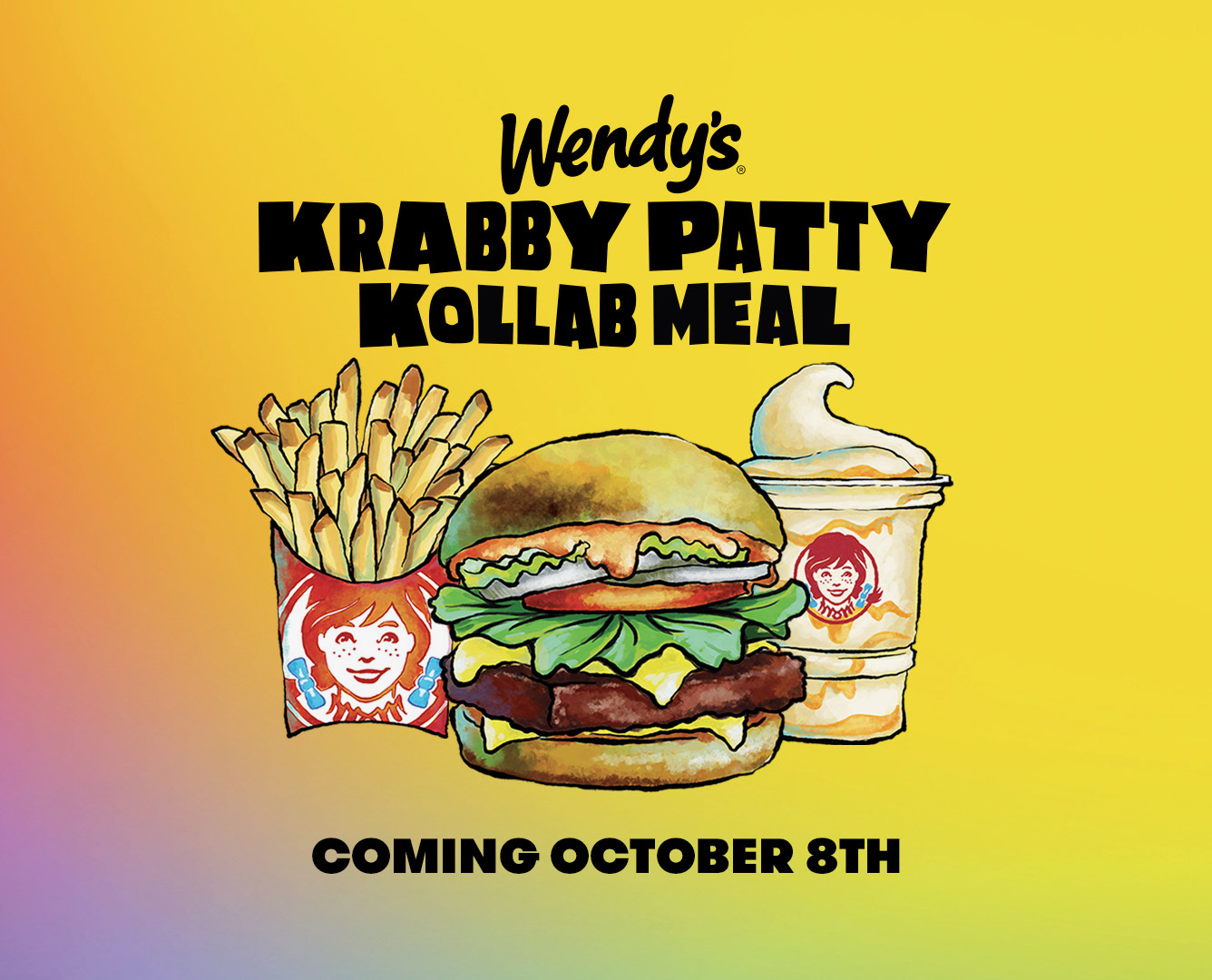
In the landscape of modern fast-food marketing, the recent collaboration between Wendy’s and Nickelodeon’s SpongeBob SquarePants serves as a quintessential case study in brand alignment and experiential design. When Wendy’s announced the introduction of the “Krabby Patty Kollab Meal,” the conversation quickly pivoted from the nostalgic appeal of a cartoon icon to the specific, proprietary element that defines the product: the “Krabby Patty Sauce.” From a brand strategy perspective, this is not merely a condiment; it is a tactical vehicle designed to bridge the gap between two disparate, yet culturally resonant, brand identities.
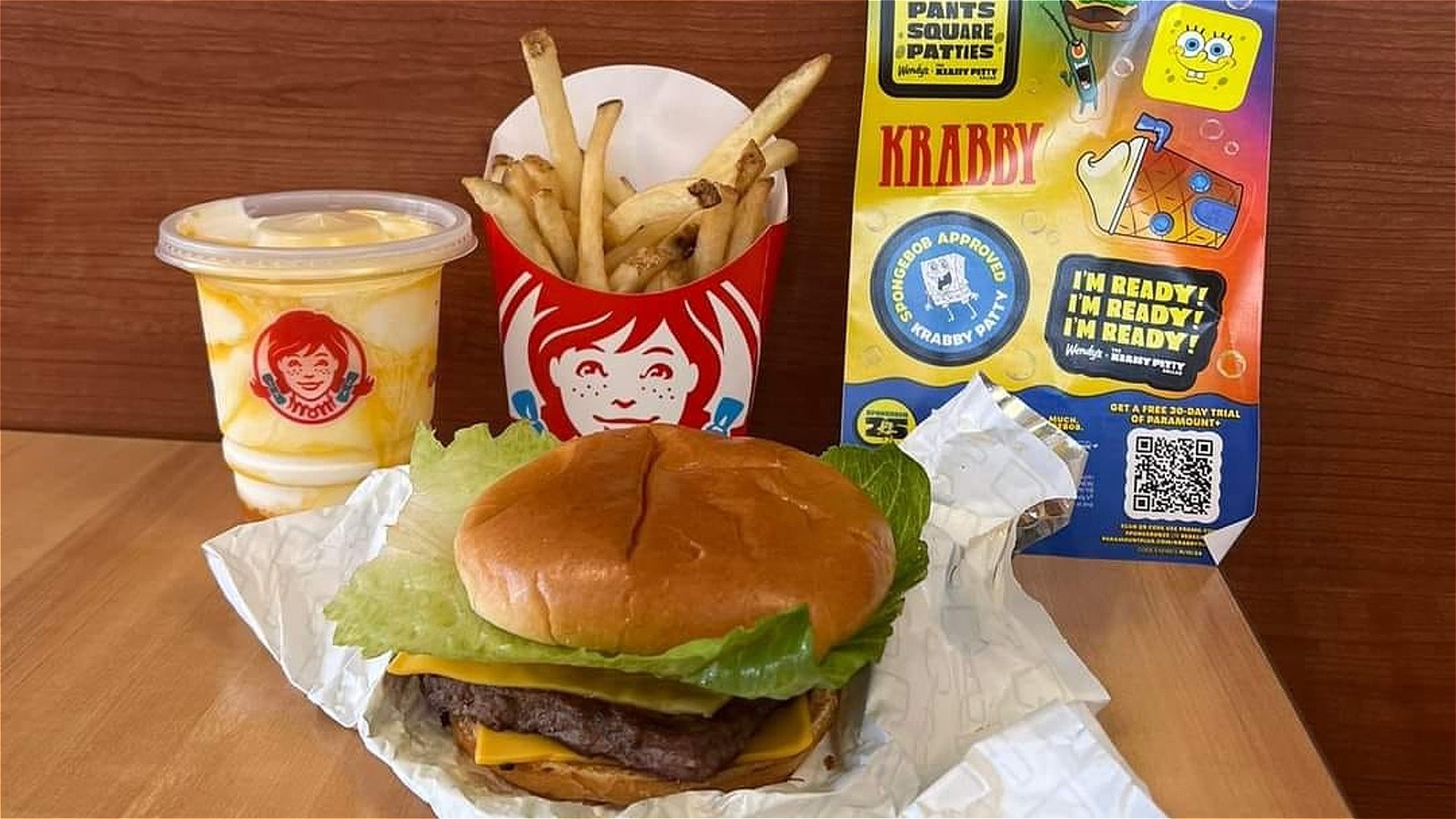
By dissecting the mechanics of this collaboration, we can understand how Wendy’s leverages intellectual property (IP) to drive menu innovation. The “Krabby Patty Sauce” acts as the connective tissue that transforms a standard premium cheeseburger into a narrative experience. This is a deliberate marketing maneuver intended to cultivate a sense of exclusivity and curiosity. In the competitive fast-food ecosystem, where menu fatigue is a constant threat, utilizing a fictional culinary item from one of the most recognizable animated franchises in history is a calculated risk that maximizes brand equity for both parties.
Deconstructing the Flavor Profile as Brand Experience
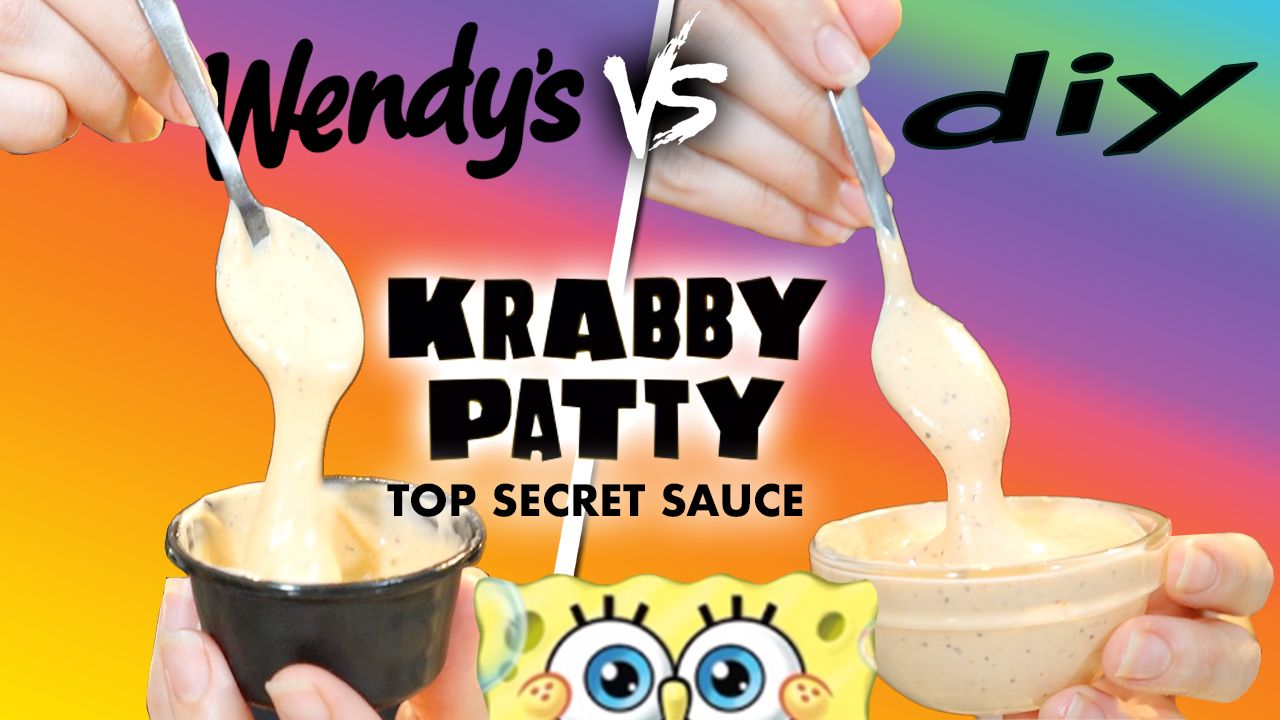
From a product development standpoint, the Krabby Patty Sauce—often described as a secret, tangy, and savory spread—represents the intersection of nostalgia and sensory marketing. In brand strategy, the “secret sauce” trope is a well-documented tool used to establish corporate mystique. Think of the Big Mac sauce or In-N-Out’s spread; these elements serve as the definitive “brand DNA” of a product.
The Psychology of Secret Ingredients
The allure of a proprietary sauce lies in its ability to resist easy replication, thereby tethering the customer to the specific brand experience. By marketing the sauce as the “secret ingredient” to a Krabby Patty, Wendy’s effectively transfers the legendary status of the Krusty Krab’s culinary output onto their own supply chain. This is a brilliant exercise in associative branding. The sauce functions as a sensory signal that validates the partnership, satisfying the fan base’s desire for authenticity while simultaneously introducing Wendy’s quality standards to a demographic that might otherwise be more focused on the brand’s entertainment value.
Sensory Marketing and Consumer Retention
The strategy extends beyond mere flavor; it involves the creation of a “craveability” factor. By emphasizing the sauce as the focal point of the promotion, Wendy’s steers consumer attention away from price sensitivity and toward a unique, time-limited event. This creates a psychological sense of urgency. The sauce isn’t just a topping; it is a seasonal asset. By managing the sauce as a limited-time offering, the brand preserves its premium status and prevents it from becoming a stale, permanent fixture of the menu.
Strategic Licensing and Cultural Relevance
The success of a brand collaboration is rarely about the product alone; it is about the relevance of the partnership. Wendy’s choice of SpongeBob SquarePants is a masterstroke in multi-generational branding. The show has maintained cultural dominance for over two decades, appealing to both Gen Z—who grew up with the show—and Millennials, who were the original audience.
Leveraging Pop Culture Intellectual Property
When a brand like Wendy’s integrates a specific IP element like the Krabby Patty Sauce, it is not just selling food; it is participating in a larger cultural dialogue. This strategy helps the brand stay relevant in digital spaces, such as TikTok and Instagram, where users are naturally incentivized to share content that features recognizable, meme-worthy icons. The sauce becomes the “star” of these user-generated content pieces. Every review, reaction video, or taste test that mentions the “Krabby Patty Sauce” is effectively free, high-intent advertising that reinforces Wendy’s position as a trend-forward, culturally savvy brand.
Alignment of Brand Values
Wendy’s brand identity has long been characterized by its cheeky, self-aware, and slightly irreverent online persona. This mirrors the tone of SpongeBob SquarePants—an absurdist, high-energy, and highly satirical show. By aligning with a brand that shares its tonal DNA, Wendy’s mitigates the risks associated with licensing. The result is a cohesive brand narrative where the Krabby Patty Sauce is not an incongruous addition, but a logical extension of Wendy’s willingness to experiment with the boundaries of fast-food norms.
The Future of Menu Innovation Through Brand Partnerships
Looking forward, the “Krabby Patty Sauce” experiment provides a blueprint for how legacy brands can revitalize their offerings. We are moving toward an era of “Eventized Dining,” where the menu is treated like a series of content drops. The sauce is the lead actor in this production. As consumer behavior shifts toward seeking unique experiences over commodity products, the ability to wrap a culinary product in a compelling narrative becomes a critical competitive advantage.
Measuring Success Beyond the Transaction
For Wendy’s, the success of this collaboration is measured not just in the units of burgers sold, but in the lift of brand sentiment and engagement metrics. The Krabby Patty Sauce serves as a pivot point for digital engagement. By creating a product that is inherently shareable and discussion-worthy, the brand ensures that the conversation continues well after the meal is consumed. This strategy transforms the dining experience from a transactional necessity into a social occasion.
Sustainable Strategies for Licensing
However, there is a delicate balance to be struck. Over-reliance on external IP can lead to brand dilution if the core identity is lost. Wendy’s success lies in its ability to maintain its own identity—the premium, high-quality ingredient promise—while adopting the “skin” of the Krabby Patty. The sauce, while iconic in the fictional sense, is executed with Wendy’s standard of quality. This ensures that even if a consumer is unfamiliar with the SpongeBob connection, the product still stands on its own merits.
In conclusion, the Krabby Patty Sauce is more than a culinary novelty. It is a strategic tool in Wendy’s branding arsenal, designed to synthesize nostalgia, digital engagement, and product innovation. By turning a fictional condiment into a tangible consumer product, Wendy’s has demonstrated how to navigate the complex waters of modern brand strategy, proving that in the digital age, the most effective way to reach the consumer’s heart is through the combination of a well-told story and a signature flavor profile that demands to be tasted.
aViewFromTheCave is a participant in the Amazon Services LLC Associates Program, an affiliate advertising program designed to provide a means for sites to earn advertising fees by advertising and linking to Amazon.com. Amazon, the Amazon logo, AmazonSupply, and the AmazonSupply logo are trademarks of Amazon.com, Inc. or its affiliates. As an Amazon Associate we earn affiliate commissions from qualifying purchases.