
In the sprawling landscape of residential and commercial electrical infrastructure, few components are as fundamental—yet frequently overlooked—as the junction box. Often hidden behind drywall, tucked into crawlspaces, or buried beneath floorboards, the junction box acts as the central nervous system for a building’s wiring. Without these protective enclosures, the modern electrical grid would be a chaotic, fire-prone web of exposed connections. Understanding the role, types, and safety regulations surrounding junction boxes is essential for anyone involved in home maintenance, renovation, or professional electrical work.
The Functional Role of the Junction Box
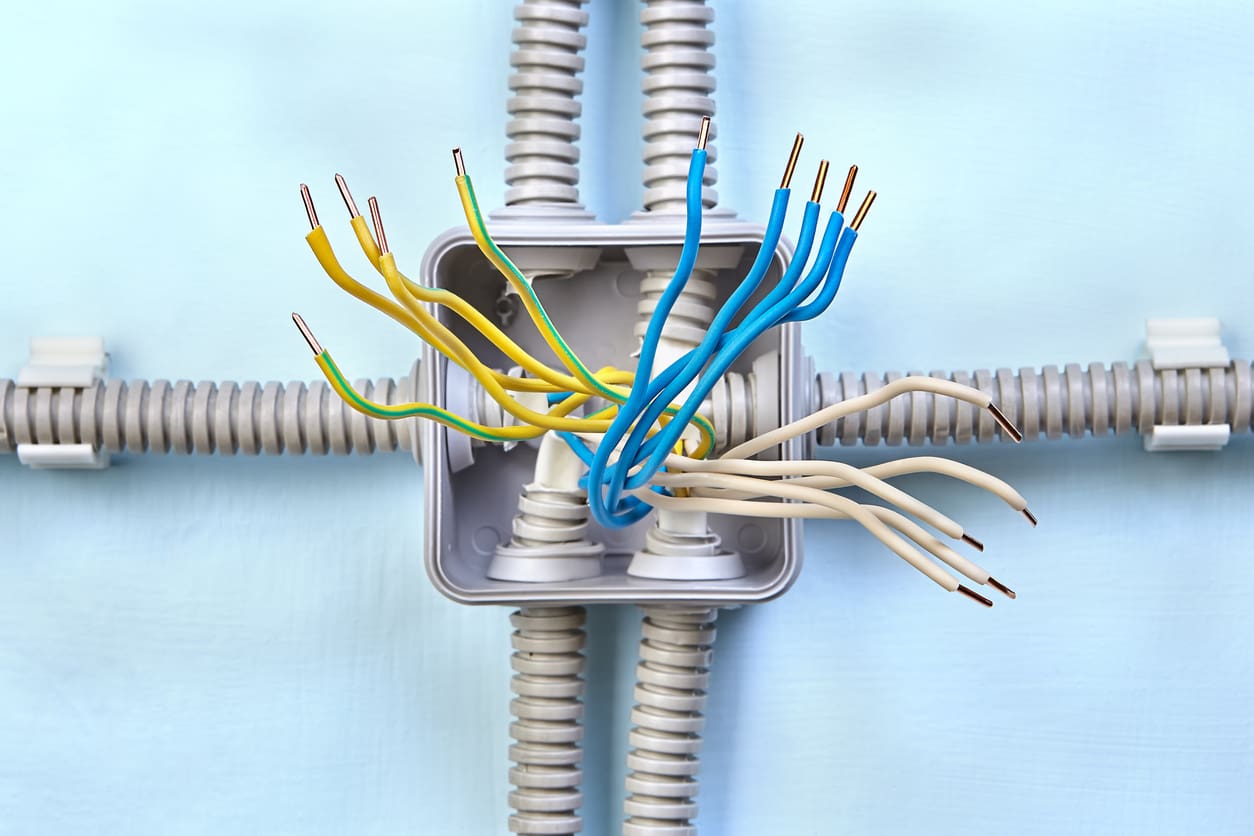
At its core, a junction box is a protective container designed to house wire connections, often referred to as splices. The primary purpose of this enclosure is twofold: safety and accessibility.
Protecting Connections and Containing Hazards
Electrical wires are rarely run in a single, unbroken line from the service panel to an outlet or light fixture. Instead, circuits are often branched out to reach multiple locations. When two or more wires are joined together—usually using wire nuts or push-in connectors—that point of connection becomes the most vulnerable part of the circuit. If a connection is loose, it can create an arc, which generates significant heat. A junction box serves as a fire-resistant barrier; if a short circuit or an arc occurs, the metal or high-grade plastic housing prevents sparks and flames from spreading to nearby combustible materials, such as wooden studs or insulation.
Providing Accessibility and Compliance
Electrical codes, such as the National Electrical Code (NEC) in the United States, strictly prohibit “hidden” or inaccessible wire splices. The junction box provides a standardized location for these connections, ensuring that if a circuit fails or requires modification, an electrician can easily access the wiring without tearing apart structural walls. By keeping splices contained within an accessible box, the junction box ensures that the electrical system remains maintainable throughout the life of the building.
Types of Junction Boxes and Material Selection
Not all junction boxes are created equal. The choice of material and shape depends heavily on the environment, the type of wiring being used, and the structural requirements of the installation site.
Metallic vs. Non-Metallic Boxes
Metal junction boxes, typically constructed from galvanized steel, are prized for their durability and grounding capabilities. Because the box itself is conductive, it can contribute to the grounding path of the circuit, providing an extra layer of safety. These boxes are standard in commercial construction and in residential scenarios where metal conduit or armored cable (BX/MC cable) is used.
Conversely, non-metallic boxes—usually made of PVC, polycarbonate, or fiberglass—are the standard for residential indoor wiring. They are lightweight, corrosion-resistant, and do not require grounding, making them easy to install. However, they are generally less robust than metal boxes and are not suitable for all industrial environments.
Choosing by Shape and Application
Junction boxes come in various configurations tailored to specific tasks:
- Octagon Boxes: Primarily used for light fixtures and ceiling fans. They provide the necessary support for heavy electrical loads while keeping wire connections tucked away in the ceiling cavity.
- Rectangular (Handy) Boxes: These are the most common boxes for switches and wall outlets. They are designed to fit neatly between wall studs and provide enough room for standard wiring configurations.
- Square Boxes (4-inch): These provide additional interior volume. They are often used when a circuit requires multiple wire splices or the routing of multiple cables, as they prevent the wires from being overcrowded, which can lead to overheating.

Installation Best Practices and Safety Codes
Installing a junction box is not merely a task of screwing a plastic or metal housing to a stud. It is an exercise in precision and regulatory compliance. Improper installation is one of the leading causes of electrical fires in residential buildings.
The Importance of Interior Volume
One of the most critical aspects of junction box installation is “box fill.” Every wire, cable clamp, and device (like a switch or outlet) inside the box occupies a specific amount of volume. Electrical codes dictate how many conductors can be housed in a single box to prevent overcrowding. Overfilling a junction box makes it difficult to manage the wires, increases the risk of pinching insulation, and can cause heat buildup that may degrade the wire connectors over time. Always calculate the required cubic inch capacity before selecting a box for a specific project.
Securing and Grounding
A junction box must be securely mounted to the building structure. If a box is loose, the movement caused by plugging and unplugging devices can eventually loosen the connections inside, leading to a high-resistance fault. Furthermore, if a metal box is being used, it must be properly bonded to the equipment grounding conductor. This ensures that if an energized wire accidentally touches the metal housing, the circuit breaker will trip immediately rather than leaving the box “hot” to the touch.
Avoiding Common Mistakes
A frequent error in DIY electrical work is the “buried box.” Homeowners often mistakenly cover junction boxes with drywall or paneling during renovations, intending to hide them for aesthetic reasons. This is a severe code violation. Every junction box must have a removable cover plate that is flush with the finished wall or ceiling surface. If a connection point is no longer needed, the wires should be removed or extended to a new, accessible location rather than simply burying the old box behind a wall.
Troubleshooting and Maintenance
Even with a perfectly installed system, electrical issues can arise. Knowing when to inspect a junction box can save significant time and money during home repairs.
Identifying Signs of Trouble
Intermittent power, buzzing sounds behind walls, or light flickering are classic signs of a loose connection within a junction box. If you suspect an issue, the first step is to turn off the power at the main breaker panel. Once the area is confirmed to be de-energized using a non-contact voltage tester, the junction box cover can be removed for inspection. Look for signs of “pitting,” charring, or discoloration on the wires or wire nuts. If the insulation appears melted or brittle, the connection has likely experienced overheating and must be repaired by a professional or re-terminated using modern, secure connectors.
The Role of Modern Connectors
The days of relying solely on traditional wire nuts are being augmented by the introduction of push-in and lever-nut connectors. These modern components often take up less space inside the junction box and provide a more consistent connection that is less prone to loosening over time. When performing maintenance, replacing old, oxidized, or poorly twisted wire connections with high-quality, code-compliant connectors can significantly extend the safety and lifespan of the home’s electrical system.
Conclusion: The Backbone of Reliability
The junction box is a simple yet indispensable component of modern electrical architecture. It serves as the bridge between raw power distribution and the safe, everyday operation of our devices and lighting. By adhering to proper installation standards, respecting volume limits, and ensuring all connection points remain accessible, homeowners and electricians can prevent hazards and ensure the longevity of their systems. While it may remain hidden from view, the junction box is a testament to the importance of structured, standardized, and safety-focused design in our built environment. When we prioritize the integrity of these hidden hubs, we build homes that are not only functional but also fundamentally secure.
aViewFromTheCave is a participant in the Amazon Services LLC Associates Program, an affiliate advertising program designed to provide a means for sites to earn advertising fees by advertising and linking to Amazon.com. Amazon, the Amazon logo, AmazonSupply, and the AmazonSupply logo are trademarks of Amazon.com, Inc. or its affiliates. As an Amazon Associate we earn affiliate commissions from qualifying purchases.