
The study of birth flowers—a practice rooted in the Victorian language of flowers, or “floriography”—offers a unique lens through which we can examine branding, consumer psychology, and market positioning. While the concept of assigning a specific floral symbol to a birth month is centuries old, modern businesses are increasingly leveraging these niche associations to cultivate personal branding and drive targeted marketing campaigns. For those in the floral, gift, and lifestyle sectors, understanding the symbolism of the January birth flower is not merely a botanical trivia exercise; it is an opportunity to craft compelling narratives that resonate with the consumer’s desire for identity and personalization.

The Carnation: A Case Study in Brand Versatility
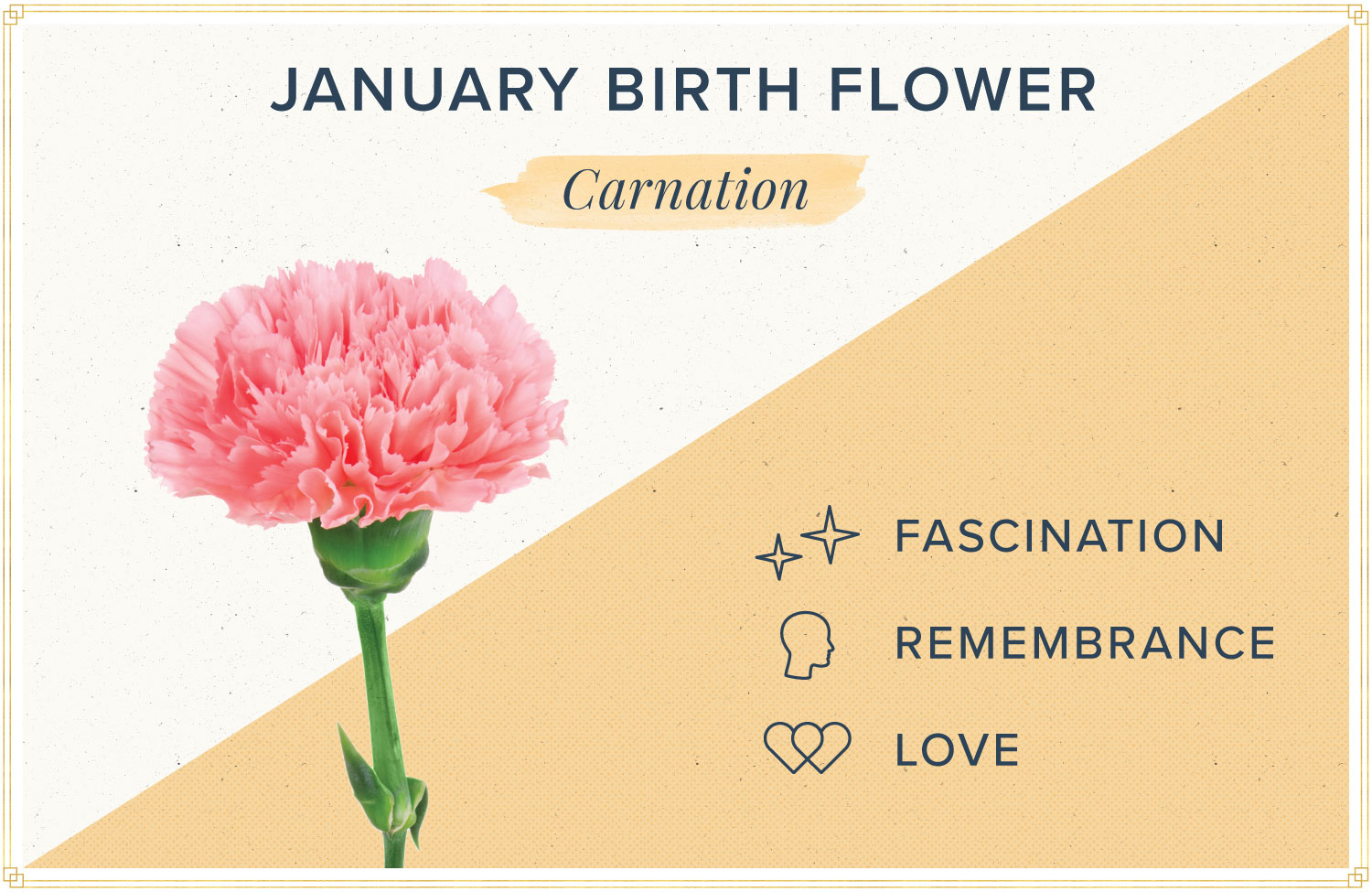
The primary birth flower for January is the carnation (Dianthus caryophyllus). In the context of brand strategy, the carnation is a fascinating subject. It is one of the most recognizable, durable, and cost-effective flowers in the commercial market. Unlike more delicate or seasonal blooms, the carnation possesses an inherent “brand resilience,” making it a staple for floral retailers.
The Psychology of Floral Symbolism
From a marketing perspective, the carnation is a chameleon. Depending on its color, its meaning shifts significantly, providing a perfect framework for segmented marketing.
- Pink Carnations: Often associated with gratitude and a mother’s undying love, these are essential for Mother’s Day campaigns and family-oriented branding.
- Red Carnations: These symbolize deep love and admiration, positioning them as a secondary tier to the rose in Valentine’s Day marketing strategies.
- White Carnations: Representing pure love and good luck, these serve as a core product for wedding branding and sympathy floral arrangements.
By understanding these symbolic layers, brands can pivot their messaging throughout the year, using the January birth flower not just as an seasonal item, but as a year-round vehicle for emotional storytelling.
Longevity as a Value Proposition
In corporate identity and product development, the “longevity” of the carnation serves as a metaphor for brand reliability. In an era where consumers are increasingly conscious of product lifespan and sustainability, positioning the carnation as a “long-lasting” gift aligns perfectly with value-based marketing. When a brand promotes the January birth flower, they are indirectly promising the customer a product that offers endurance, thereby building trust—a critical asset in the modern digital marketplace.
Integrating Birth Month Symbols into Personal Branding
For individuals building a personal brand, aligning one’s identity with established cultural symbols—such as birth flowers—creates an immediate, relatable hook. This strategy is frequently employed by influencers and creators who use “niche aesthetic” to define their digital presence.
Curating the Visual Identity
When a content creator adopts their birth flower as a central motif, they are participating in a sophisticated form of brand design. The carnation’s distinct ruffled petals provide a unique graphic element that can be integrated into logos, color palettes, and social media headers.
- Color Palette Consistency: Using the hues of the carnation (deep crimsons, soft blushes, and crisp whites) creates a cohesive visual language that appeals to audiences seeking aesthetic harmony.
- The Narrative Hook: Personal branding is essentially the art of storytelling. By linking one’s origins or “birth month” to a specific symbol, the individual gives their audience a gateway to understand them better. This humanizes the brand, transforming a sterile social media account into an evocative, personal space.

Building Community Through Shared Identity
In marketing, shared attributes are powerful community drivers. When a business creates a campaign centered on “The January Club” or “Carnation Collective,” they are segmenting their audience based on a shared psychological trigger. This creates a sense of belonging. Members of the audience who identify with their January birth flower are more likely to engage with content that validates that identity, leading to higher conversion rates in niche e-commerce settings.
Strategic Marketing Applications: Beyond the Bouquet
The commercial application of the January birth flower extends far beyond the traditional florist shop. Innovative brands are now embedding this botanical data into a variety of high-growth sectors, from wellness apps to personalized gift subscription services.
Subscription Models and Personalized Gifting
The subscription economy relies heavily on personalization. By allowing customers to curate “Birth Flower Gift Boxes,” brands can leverage the birthday calendar as a year-long revenue stream.
- Data-Driven Customization: A customer who orders a carnation-themed gift in January provides a data point that allows the brand to offer related products in subsequent months.
- The Power of Limited Editions: Using the January birth flower to anchor a “Monthly Collection” creates a sense of urgency. Consumers are prone to the “fear of missing out” (FOMO) when products are tied to specific time-sensitive milestones like birthdays. This scarcity-driven strategy effectively manages inventory while maintaining high consumer engagement.
Designing Digital Experiences
Technology firms that create digital greeting cards, calendar apps, or social media filters have found immense success in integrating botanical identifiers. By automating the delivery of “Happy Birthday” content featuring the recipient’s birth flower, brands create a frictionless experience that feels personal and highly curated. This is a quintessential example of using digital tools to enhance the customer experience—a key pillar of modern corporate identity.
The Role of Aesthetics in Digital Security and Trust
Even in digital security, identity markers are becoming more creative. Security questions based on personal favorites or “your birth flower” are classic examples of how human-centric data intersects with digital systems. While simple, these associations reinforce the importance of understanding how cultural trends influence the user-facing elements of technology. For designers, the aesthetic implementation of these symbols—making them look sophisticated rather than “clip-art” style—is essential for maintaining a premium brand perception.
Future-Proofing Through Botanical Trends
As we look toward the future of retail and marketing, the intersection of nature-inspired symbols and digital engagement is set to deepen. The January birth flower, as a symbol of resilience and multifaceted emotion, remains a cornerstone for brands looking to maintain a balance between tradition and innovation.
The Shift Toward Intentional Consumption
Modern marketing is moving away from mass-production toward intentionality. Customers today are not looking for just a gift; they are looking for a gift that says “I know you.” By positioning the carnation as a thoughtful, symbol-laden choice for January birthdays, businesses are tapping into the consumer’s deep-seated need for meaningful connection.
Leveraging Botanical Data for Targeted Ads
Digital advertising platforms thrive on precision. Using birth month data to target specific ad sets is a low-cost, high-reward strategy. A florist or a jewelry brand can utilize social media ad platforms to show carnation-inspired products exclusively to users with January birthdays. This is a tactical application of consumer data, blending the romance of the Victorian language of flowers with the cold, hard efficiency of the digital advertising funnel.
The enduring popularity of the January birth flower serves as a reminder that even in a digital-first world, people are still drawn to ancient symbols. By weaving these narratives into brand strategy—whether through visual design, targeted marketing, or the curation of personalized gift experiences—brands can forge stronger, more emotional bonds with their audience. The carnation is not just a flower; it is a versatile, powerful tool for any brand looking to resonate in a crowded, noisy marketplace. When handled with strategic intent, such symbols become the foundation of a brand identity that is both deeply personal and globally scalable.
aViewFromTheCave is a participant in the Amazon Services LLC Associates Program, an affiliate advertising program designed to provide a means for sites to earn advertising fees by advertising and linking to Amazon.com. Amazon, the Amazon logo, AmazonSupply, and the AmazonSupply logo are trademarks of Amazon.com, Inc. or its affiliates. As an Amazon Associate we earn affiliate commissions from qualifying purchases.