
The Jetsons, an animated masterpiece produced by Hanna-Barbera, first premiered in 1962. While it was famously dubbed the “space age” counterpart to The Flintstones, it served as a masterclass in futuristic branding and character design. Central to this ensemble was Astro, the beloved Great Dane who became the series’ primary non-human brand ambassador. From a marketing perspective, Astro is more than just a cartoon pet; he is a quintessential example of how brand identity, emotional connectivity, and consistent design language can cement a character—and the franchise they represent—into the global cultural consciousness for over six decades.
The Architecture of an Iconic Mascot
In the realm of brand strategy, the mascot is a strategic asset designed to humanize a corporate or creative entity. When Hanna-Barbera developed the cast for The Jetsons, they were essentially building a product line that needed to appeal to a broad demographic, ranging from children to adults intrigued by the technological promises of the 21st century.
Character Design as Visual Branding
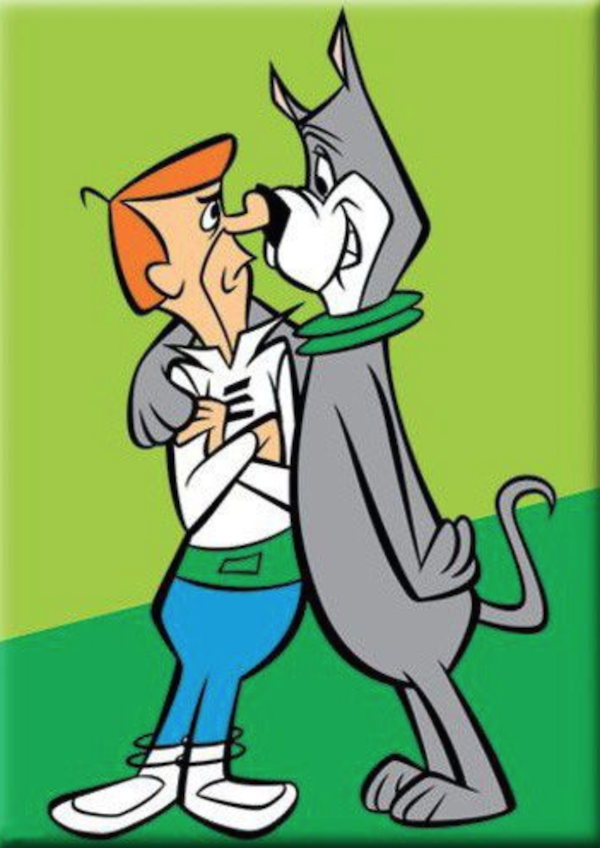
Astro’s physical design was a deliberate departure from the grounded, relatable animals seen in contemporary media. As a Great Dane, his stature was imposing, yet his personality was decidedly soft. This contrast is a classic branding tactic: creating a “gentle giant” archetype that evokes feelings of protection and loyalty. By giving Astro the ability to speak—albeit with a trademark, stuttering “R” sound—the creative team imbued the brand with a layer of interactive engagement. This voice isn’t just a gimmick; it is a unique auditory logo, a sonic signature that makes the character instantly recognizable even when off-screen.
Consistency and the “Trademark” Personality
For any brand, consistency is the bedrock of recognition. Astro’s personality remained largely static throughout the series: he was loyal to George Jetson, obsessed with bones, and perpetually fearful of the family’s robotic maid, Rosie. By defining a set of rigid, predictable traits, the show’s writers ensured that viewers always knew what to expect from the brand. In marketing, this is the equivalent of a brand voice guide—a set of rules that dictate how a company communicates, ensuring that whether a consumer encounters the brand in a television ad, a social media post, or a product manual, the core personality remains intact.
Emotional Connectivity and Audience Retention
The longevity of The Jetsons is not merely a result of its retro-futuristic aesthetic; it is a testament to the emotional bonds forged between the characters and the audience. Astro, specifically, served as the “emotional anchor” of the show.
The Role of the Mascot in Consumer Sentiment
Marketing psychology dictates that audiences are more likely to engage with a brand that features an anthropomorphic representative. Astro functioned as the surrogate for the viewer. When George Jetson struggled with the stress of the Spacely Sprockets office, Astro was there to offer unconditional support. For consumers, this mirrors the relationship between a brand and its loyal user base. Astro represents the “customer service” element of the show—reliable, ever-present, and deeply invested in the well-being of the main character.
Bridging the Gap Between Technology and Human Needs
The Jetsons was, at its core, a show about the intersection of life and technology. While the show explored flying cars and automated food synthesizers, Astro provided a touchstone for humanity. In branding, this is a crucial lesson: as products become more digital and abstract, the “human” (or in this case, the canine) element is what keeps the brand grounded. Companies today often struggle to humanize their AI or software solutions; looking back at the character of Astro, we see that successful brands are those that integrate a soul into their technological ecosystem.

Astro as a Case Study in Intellectual Property Management
Beyond the narrative, Astro represents a triumph in intellectual property (IP) management. Hanna-Barbera’s ability to license and merchandise the character transformed a cartoon pet into a global brand asset that continues to generate revenue through syndication, merchandise, and cross-promotional campaigns.
The Power of Merchandising and Licensing
If we look at Astro through the lens of corporate identity, he is a primary revenue driver. From plush toys to branded breakfast cereals, the character was designed to be easily reproducible and highly marketable. The clear lines of his design made him ideal for print media, apparel, and plastic molding, showcasing the importance of “scalable design” in brand assets. When creating a mascot or a visual identity, a company must consider how that asset will translate across various mediums—from a high-resolution digital billboard to a small embroidered logo on a polo shirt.
Longevity Through Cultural Legacy
A key challenge for any brand is maintaining relevance across generations. Astro has managed to survive the transition from the mid-20th century to the digital age because he embodies a universal theme: the timeless companionship of a dog. By anchoring the brand in a universal truth rather than just a specific period of technology, the creators ensured that Astro would remain relevant long after the actual year 1962 (and the fictional future of 2062) passed. This is a masterclass in “evergreen branding”—the ability to build an identity that outlasts the trends of the current moment.
Strategic Takeaways for Modern Brand Architects
The lessons gleaned from the character of Astro are directly applicable to modern digital branding and software product design. As we navigate an era where AI-driven avatars and digital personas are becoming the face of many corporate entities, the story of The Jetsons’ resident dog offers a roadmap for success.
Simplify to Amplify
Astro’s visual identity is clean, distinct, and simple. Modern brands often clutter their visual language, forgetting that simplicity aids memory. The “Astro model” teaches us that a brand asset should be identifiable within a split second. Whether it is an app icon, a chatbot avatar, or a logo, reductionism is the key to clarity.
The Voice of the Brand
The “Astro voice”—the iconic stuttered speech—demonstrates the power of a unique verbal identity. In a digital world where tone of voice is often lost in automated customer service interactions, brands that develop a distinctive, consistent, and recognizable “way of speaking” differentiate themselves from the competition.

Building Ecosystems, Not Just Products
The Jetsons was a show about a technological ecosystem where humans, robots, and pets coexisted. The brand wasn’t just the car or the city; it was the entire environment. Today’s businesses should aim to create brand ecosystems where individual products, services, and mascots support one another, creating a cohesive experience that feels like a world the customer wants to inhabit.
By examining “what is the dog’s name on The Jetsons,” we find ourselves looking at a much larger architectural blueprint for brand building. Astro is not just a character; he is a prototype for successful brand strategy—a lesson in how to combine distinct visual design, consistent emotional messaging, and scalable intellectual property to create a legend that defies the passage of time. As brands continue to evolve in the face of rapid technological shifts, the principles embodied by this simple, stuttering Great Dane remain as relevant as ever.
aViewFromTheCave is a participant in the Amazon Services LLC Associates Program, an affiliate advertising program designed to provide a means for sites to earn advertising fees by advertising and linking to Amazon.com. Amazon, the Amazon logo, AmazonSupply, and the AmazonSupply logo are trademarks of Amazon.com, Inc. or its affiliates. As an Amazon Associate we earn affiliate commissions from qualifying purchases.