
In the realm of professional brand communication, precision is the currency of credibility. Every word choice serves as a subtle signal to your audience, shaping the perception of your corporate identity, authority, and tone. Among the most debated elements of English grammar in a business context are the modal verbs “shall” and “will.” While the rapid evolution of informal digital communication has blurred the lines between these two, mastering their distinction is an essential skill for professionals who operate in legal, corporate, or high-stakes branding environments. Understanding when to use which is not merely about adhering to archaic rules; it is about projecting a specific brand voice—whether that be one of immutable authority or forward-looking intent.
The Etymology and Evolution of Command
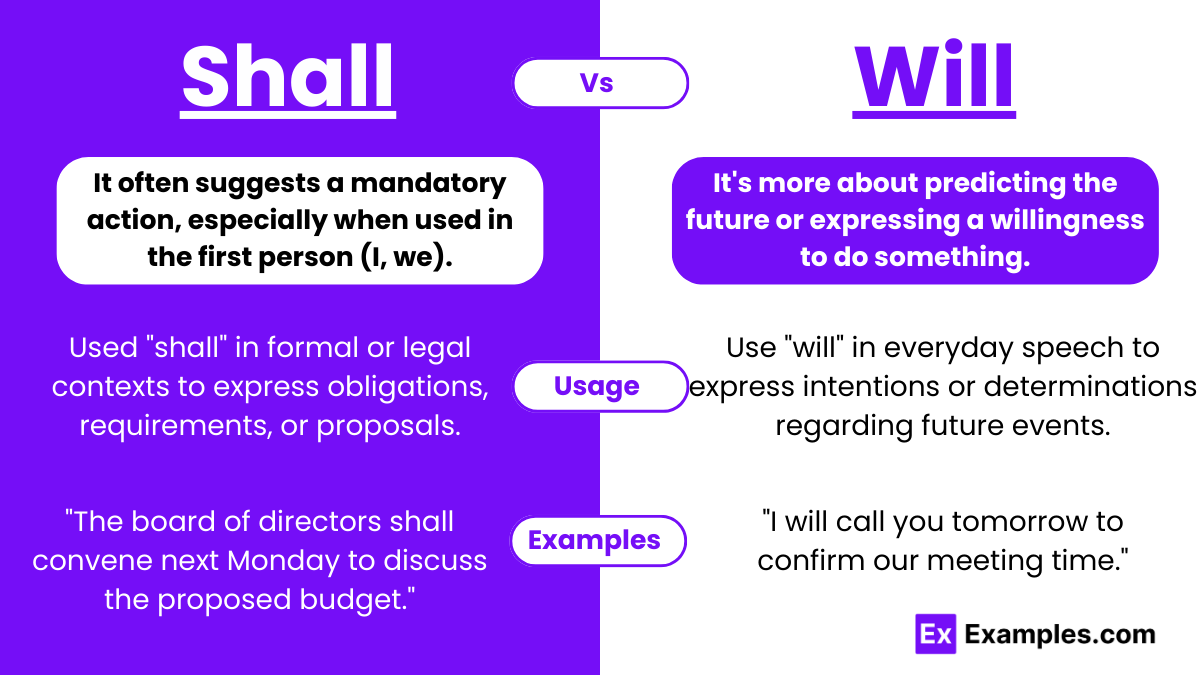
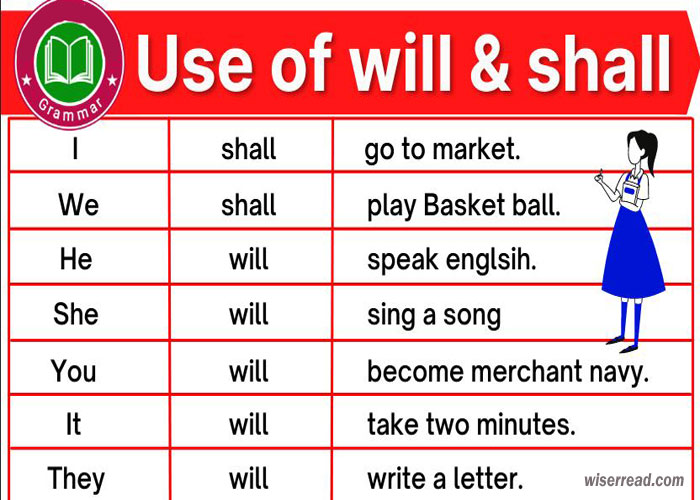
To understand the nuanced difference between “shall” and “will,” one must look at how these terms historically functioned to convey obligation versus simple future projection. Historically, in the first-person singular and plural (I/We), “shall” was the standard for expressing a future action, while “will” was reserved for expressing strong determination or a promise. Conversely, in the second and third persons (You/He/She/They), “will” was the standard for future events, while “shall” was used to denote a command or a legal mandate.
The Shift Toward Modern Simplification
In contemporary business English, the strict adherence to these distinctions has largely collapsed. Most professional style guides—including those utilized by major international brands—now favor “will” for almost all future-tense constructions. This shift is largely attributed to the rise of American English, which treats “will” as the default auxiliary verb for future events across all persons. However, for a brand that wishes to project a sense of heritage, reliability, or sophisticated authority, understanding the distinction remains a vital tool for crafting precise corporate documentation.
Why Precision Still Matters for Brand Identity
When you are drafting terms of service, high-level mission statements, or formal contracts, the word choice is not just stylistic—it is functional. A brand that uses “shall” in a document typically signals that the statement is binding, creating a legal expectation of performance. Using “will” in these same contexts can occasionally introduce ambiguity. Thus, the distinction has migrated from the sphere of casual conversation into the sphere of specialized professional branding.
The Role of “Shall” in Professional and Legal Branding
In the context of corporate branding, particularly for firms in law, finance, and high-level consulting, “shall” remains a linguistic pillar. Its presence in a brand’s collateral signals that the organization is bound by duty and rigorous standards.
Expressing Binding Obligations
In legal and contractual documents, “shall” is exclusively used to impose a duty. When a brand states, “The Service Provider shall maintain confidentiality,” it is not merely suggesting a future possibility; it is establishing a non-negotiable requirement. This usage is vital for brand trust. When a client reads “shall,” they perceive a commitment that is codified, firm, and enforceable. For a brand, utilizing this term appropriately communicates that the company takes its obligations seriously and operates with a high degree of transparency and accountability.
The Stiffening of the Tone
It is worth noting that the overuse of “shall” in non-legal marketing materials—such as newsletters, social media, or general web copy—can lead to a tone that feels detached, arrogant, or overly Victorian. Brands that aim for approachability and warmth should generally avoid “shall” in their marketing communications. If your brand strategy is built on being “human-centric” or “disruptive,” using “shall” may inadvertently make the brand seem like a relic of the past, creating friction between the brand voice and the intended audience.
The Utility of “Will” as the Default Brand Standard
“Will” is the workhorse of modern business communication. It is versatile, neutral, and devoid of the linguistic baggage that “shall” carries. For the vast majority of modern brands—especially those in the tech, lifestyle, and e-commerce spaces—”will” is the preferred choice for forward-looking statements.
Building Forward-Looking Narratives
“Will” is the verb of optimism and possibility. In marketing copy, “We will innovate to meet your needs” sounds proactive and encouraging. It focuses on the outcome rather than the obligation. Because “will” is ubiquitous, it disappears into the flow of the sentence, allowing the core value proposition of the brand to stand out. When you use “will,” you are framing your brand as a participant in the future, rather than a rigid enforcer of rules.
Strengthening Brand Consistency
A fundamental tenet of brand strategy is consistency. By adopting a “will-first” policy for all consumer-facing communications, a brand creates a predictable linguistic landscape for its customers. When the tone is consistent, the brand feels more trustworthy. If a piece of marketing copy flips between “shall” and “will” without a clear logical reason, it can subconsciously create a sense of instability for the reader. By standardizing “will” as the default, you ensure that your messaging remains clean, modern, and accessible to a global audience for whom English may be a second language—where the intricacies of “shall” would only serve as a barrier to comprehension.
Navigating the Gray Areas: Best Practices for Content Strategy
The decision of whether to use “shall” or “will” should not be made haphazardly; it should be codified in your brand’s internal style guide. Creating a clear directive on how your writers should navigate these two words will save time during the editing process and ensure that your brand voice remains uniform across all platforms.
Drafting the Brand Style Guide
Your style guide should clearly distinguish between different types of content:
- Legal & Compliance Documents: Use “shall” exclusively to denote mandatory actions and responsibilities. This ensures that the intent is legally clear and defensible.
- Marketing & Web Copy: Use “will” to communicate future intent, product features, and brand promises. This keeps the language conversational, accessible, and aligned with modern branding standards.
- Internal Corporate Communications: Use a mix depending on the context. If the communication is a directive from leadership (e.g., “All employees shall complete the training by Friday”), “shall” is appropriate to convey authority. If it is a collaborative update (e.g., “We will be launching the new platform next month”), “will” is more conducive to team cohesion.
The “Test of Intent”
When in doubt, use the “Test of Intent.” Ask yourself: “Am I trying to enforce a rule, or am I trying to inform the customer about what is coming next?”
- If the goal is enforcement, choose “shall.”
- If the goal is information or aspiration, choose “will.”
This simple litmus test helps maintain the integrity of your brand voice while ensuring that the distinction between internal governance and external marketing is never blurred.

Conclusion: The Strategic Choice
Ultimately, the difference between “shall” and “will” is a matter of nuance and intent. While “shall” retains its place in the formal, rigid, and legalistic foundations of the business world, “will” has become the language of progress, partnership, and accessibility. By understanding the weight that each word carries, you gain greater control over your brand’s identity. You are no longer just writing; you are selecting the precise tools to convey the degree of authority or collaboration your brand represents. In the high-stakes world of corporate and personal branding, mastering these details is exactly what separates a generic voice from a truly distinctive and authoritative brand presence. Use them purposefully, and you will effectively shape how the world perceives your organization’s intent and character.
aViewFromTheCave is a participant in the Amazon Services LLC Associates Program, an affiliate advertising program designed to provide a means for sites to earn advertising fees by advertising and linking to Amazon.com. Amazon, the Amazon logo, AmazonSupply, and the AmazonSupply logo are trademarks of Amazon.com, Inc. or its affiliates. As an Amazon Associate we earn affiliate commissions from qualifying purchases.