
When examining the landscape of premium food branding and consumer perception, few comparisons are as illustrative as the distinction between red velvet and traditional chocolate. While the average consumer views these products through the lens of flavor profile and color, a brand strategist views them as two distinct case studies in product positioning, psychological marketing, and the evolution of a brand identity. Understanding why these two options occupy different shelves in the marketplace—both literal and metaphorical—provides a masterclass in how ingredients, color theory, and heritage shape a company’s market share.

The Psychology of Color: Branding and Visual Identity
In the realm of brand strategy, color is not merely aesthetic; it is a primary communication tool. The distinction between red velvet and chocolate is fundamentally a study in how visual identity influences consumer choice. Chocolate, rooted in deep browns and earthy tones, relies on its association with luxury, indulgence, and organic authenticity. It is a brand that sells itself on heritage and the comfort of the familiar.
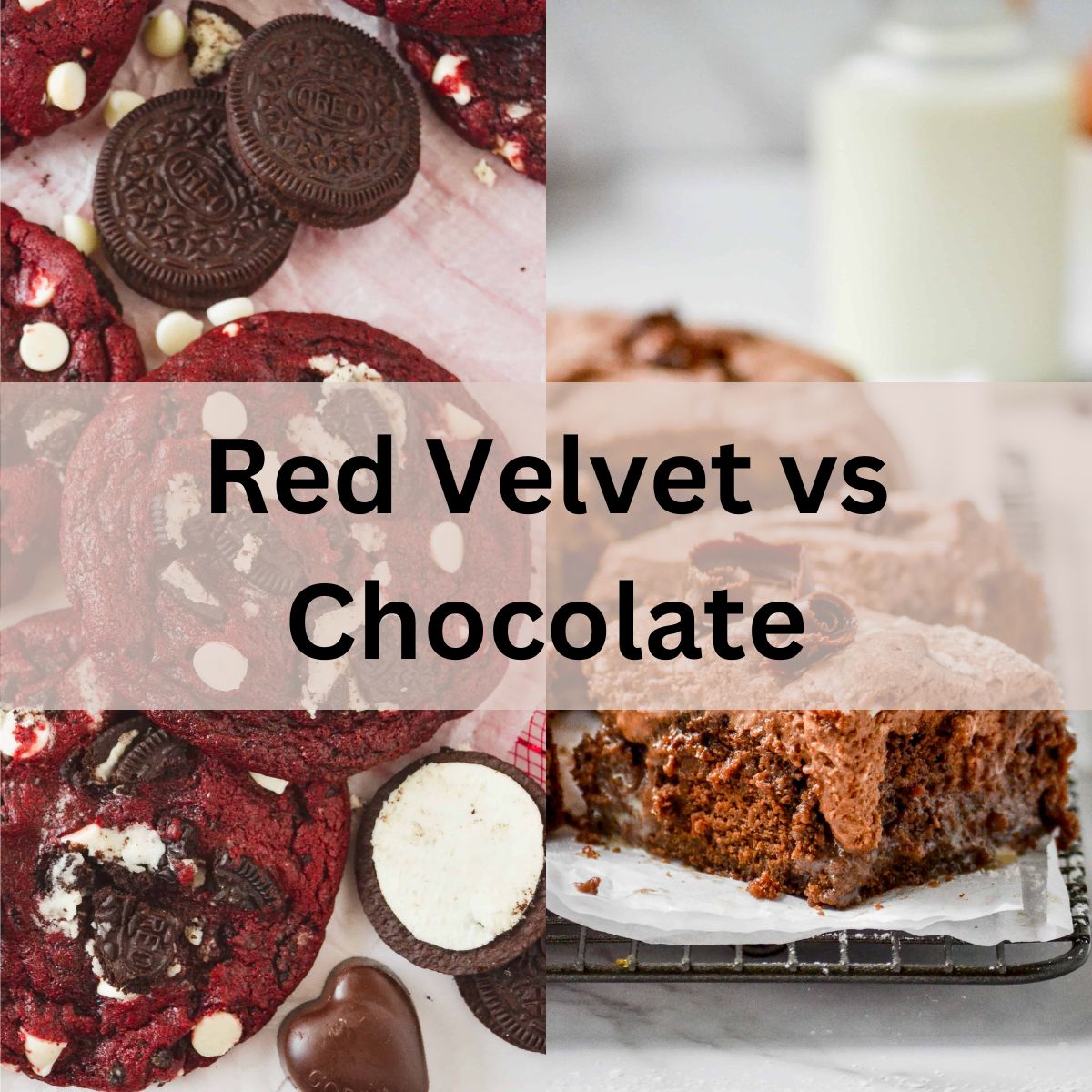
Red velvet, conversely, operates as a triumph of modern marketing and visual disruption. Historically, the reddish hue of red velvet cake was a chemical byproduct—a reaction between raw cocoa, acidic vinegar, and buttermilk. However, in the contemporary marketplace, red velvet has been rebranded as a distinct flavor category. From a design perspective, the vibrant, high-contrast red acts as a “stop” signal in a competitive retail environment. When a consumer walks into a bakery or down a supermarket aisle, red velvet cuts through the noise of muted chocolate tones.
Brands that utilize red velvet do so to signal excitement and novelty. It is the “pop” of color that suggests a premium or celebratory experience. While chocolate brands rely on the sophisticated, dark, and sensual cues of traditional luxury, red velvet brands leverage high-visibility aesthetics to attract a younger or more impulse-driven demographic. This visual contrast is a strategic choice: one is a staple, and the other is an event.
Product Positioning: Commodity vs. Niche Specialty
From a business development standpoint, the market positioning of these two items follows two divergent paths. Chocolate is a global commodity. Because it is universally recognized, its marketing strategy is often focused on differentiation through origin—such as single-origin cocoa beans, ethical sourcing, or high-percentage cacao content. The brand identity of a chocolate product is built around the integrity of the raw material.
Red velvet, however, occupies a “niche specialty” position that allows for higher price elasticity. Because red velvet is perceived as a culinary “recipe” rather than a raw commodity, companies can often command a higher price point for the finished product. In terms of brand architecture, chocolate is the foundational product—it is the baseline against which all other confectionery items are measured. Red velvet is the “limited edition” feel that remains in the core lineup.

This leads to a distinct difference in marketing cycles. Chocolate brands engage in brand-loyalty campaigns, emphasizing longevity and consistent quality. Red velvet marketing is inherently seasonal and trend-driven. By maintaining red velvet as a distinct category, brands can capture consumers who are looking for “something different” without having to deviate from their established production capabilities. The strategy here is to expand the portfolio without diluting the primary brand identity, a common technique in successful fast-moving consumer goods (FMCG) strategies.
Cultural Heritage and the Evolution of Brand Storytelling
The story behind a product is often as valuable as the product itself. Chocolate carries the weight of history. Brand narratives for chocolate companies typically lean into the “old world” charm, focusing on craftsmanship, family-owned traditions, and the ritual of consumption. These brands are selling an experience of timelessness.
Red velvet, however, presents a narrative challenge that clever marketers have successfully turned into a brand asset. Because red velvet lacks a singular, ancient origin story, its brand narrative is built on the concept of discovery and “secret” recipes. Marketing teams often frame red velvet as the “hidden gem” of the dessert world. This creates an inviting, approachable brand persona. While chocolate is often marketed as high-brow and sophisticated, red velvet is marketed as communal and celebratory.
In corporate branding, the story of red velvet is often used to humanize a brand. It suggests an attention to detail—a specific, nuanced combination of ingredients that goes beyond the standard offering. For a brand, this is a vital distinction: chocolate is the “trust” product that brings customers in, while red velvet is the “intrigue” product that keeps the customer experience fresh and exciting. By managing both narratives, a company can balance the stability of its legacy products with the growth potential of its more experimental, vibrant offerings.
Strategic Implications for Product Line Expansion
For any company considering a shift in its product line, the difference between red velvet and chocolate serves as a lesson in portfolio management. Deciding which to emphasize requires an audit of the target audience. A brand looking to establish authority and reliability will lean heavily into the chocolate narrative, emphasizing sourcing transparency and quality control. This appeals to the “connoisseur” segment of the market.
Conversely, a brand looking to boost its social media engagement, appeal to a younger demographic, or create buzz around a product launch will find red velvet to be a more effective vehicle. The aesthetic nature of red velvet makes it highly “shareable” in the digital age, a key metric for modern marketing teams. Where chocolate captures the palate, red velvet captures the lens.
Furthermore, the operational side of these two products provides insight into scaling. Chocolate, while complex in its sourcing, is a predictable, high-volume driver. Red velvet requires a more precise, managed production process to ensure the consistency of its vibrant color, which adds a layer of operational complexity. Brands that manage this well turn that complexity into a signal of quality. They don’t just sell a cake; they sell a consistent, vibrant, and reliable experience.
Ultimately, the choice between these two is not about which is “better,” but rather which brand objective is currently being served. If the goal is to reinforce market dominance through tradition, chocolate is the industry standard. If the goal is to capture attention, stimulate interest, and drive higher margins through novelty, red velvet is the strategic choice. By understanding these underlying business dynamics, brand managers can leverage the unique identity of both to create a balanced, compelling, and highly profitable product portfolio. The distinction, therefore, lies not in the ingredients, but in the strategic intent behind the product development and the target audience the brand aims to capture in an increasingly competitive marketplace.
aViewFromTheCave is a participant in the Amazon Services LLC Associates Program, an affiliate advertising program designed to provide a means for sites to earn advertising fees by advertising and linking to Amazon.com. Amazon, the Amazon logo, AmazonSupply, and the AmazonSupply logo are trademarks of Amazon.com, Inc. or its affiliates. As an Amazon Associate we earn affiliate commissions from qualifying purchases.